1951 Porsche-Sauter 356 Pre-A Sportwagen Roadster by Klenk | The Quail Auction 2026
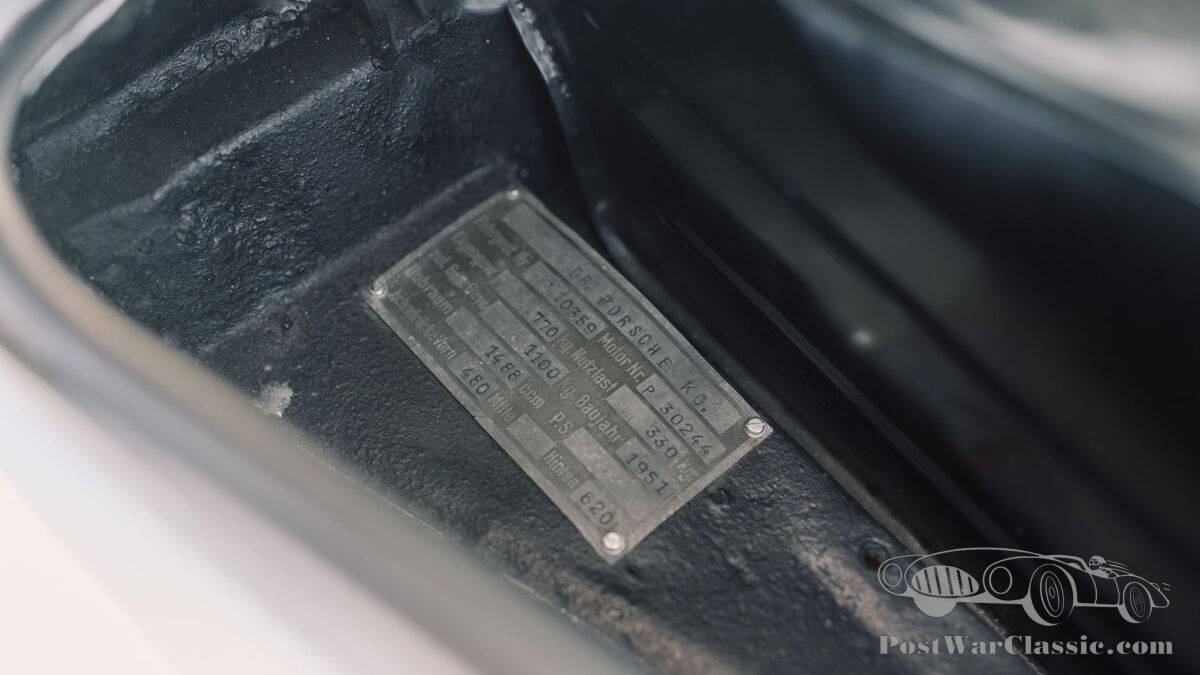
Chassis No. 10359
Engine No. 30244 (see text)
Transmission No. AH2278245
Since its earliest years, Porsche has taken great care to document and celebrate its own evolution. Whether through its numerous "Der Stammbaum" posters, dealer guides tracing Porsche's developments, or Jeff Zwart's memorable 2009 Family Tree television advertisement, the marque has long viewed its history as a continuous lineage. So important are these hardscrabble origins to the company that, after selling the first Porsche (356-001) to fund further road car production, it later reacquired the Roadster in 1958, placing it in the factory's nascent museum collection.
That early period also coincided with a phase of unexpectedly rapid growth, as the factory began to recognize the historical significance of its earliest cars. While Porsche awaited a permanent return to its Stuttgart premises, proceeds from 356-001 helped fund the first Austrian-built aluminum Gmünd Coupes and, subsequently, the early steel-bodied cars assembled in Reutter's Zuffenhausen facilities.
Initially projecting modest demand, Porsche anticipated building no more than 500 Type 356 examples in total, with Richard von Frankenberg famously remarking, "...certainly not more than 500 cars in the first two years." In fact, production would surpass 1,000 units by the end of 1951 alone, as the Porsche 356 became an important contributor to West Germany's postwar economic recovery.
The 356 Sportwagen Roadster
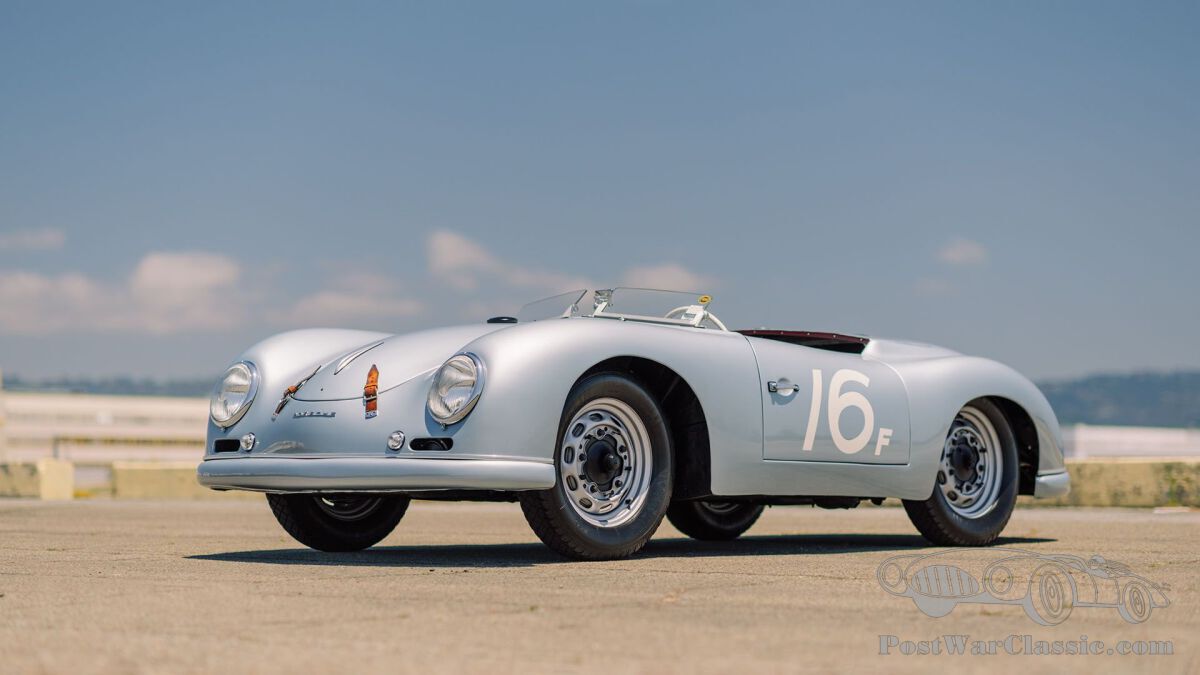
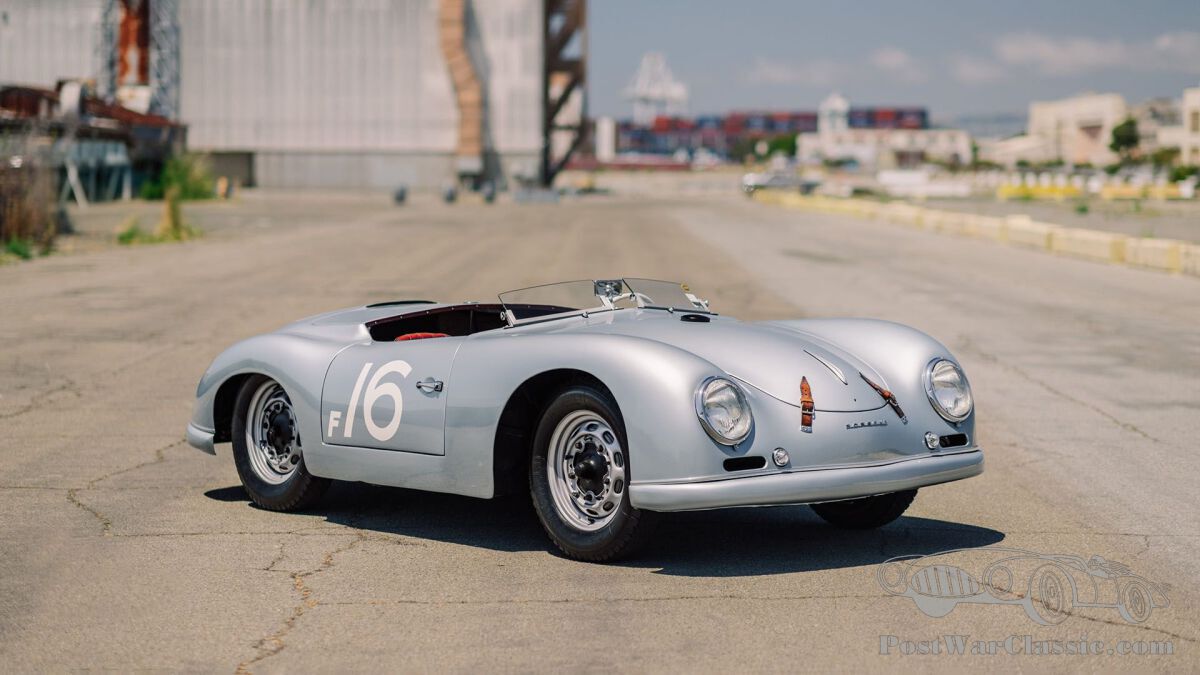
Among these exceptionally early cars is chassis number 10359, initially designated as an open-topped 356 Cabriolet to be sent to Heuer Karosseriebau. Interestingly, it is noted in Porsche Speedster Typ 540 that the "Heuer body-book entry is blank for this chassis number." Clearly, someone had a hand in the direction of the car, and that someone was Heinrich Sauter, a racer and scion of the Stuttgart-based Hahn & Kolb machine tool company, whose intention was to build a faster Porsche for competition use.
The former Luftwaffe pilot remained drawn to high-performance machinery after the war, racing a Veritas and 356 Coupe, and his proximity to Stuttgart made it likely that he would return to Porsche for faster machinery. The 356 was taken to Hans Klenk's Karosserie in Böblingen after March 1951 to be fitted with its lightweight, aerodynamic bodywork. Porsche's factory magazine Christophorus noted that the "shape of the nose was exactly the Porsche shape of the 356" and estimated its weight at "a little under 1,320 pounds." Klenk was a racer himself, and is best known for winning the 1952 Carrera Panamericana in a Mercedes-Benz 300 SL Coupe with Karl Kling.
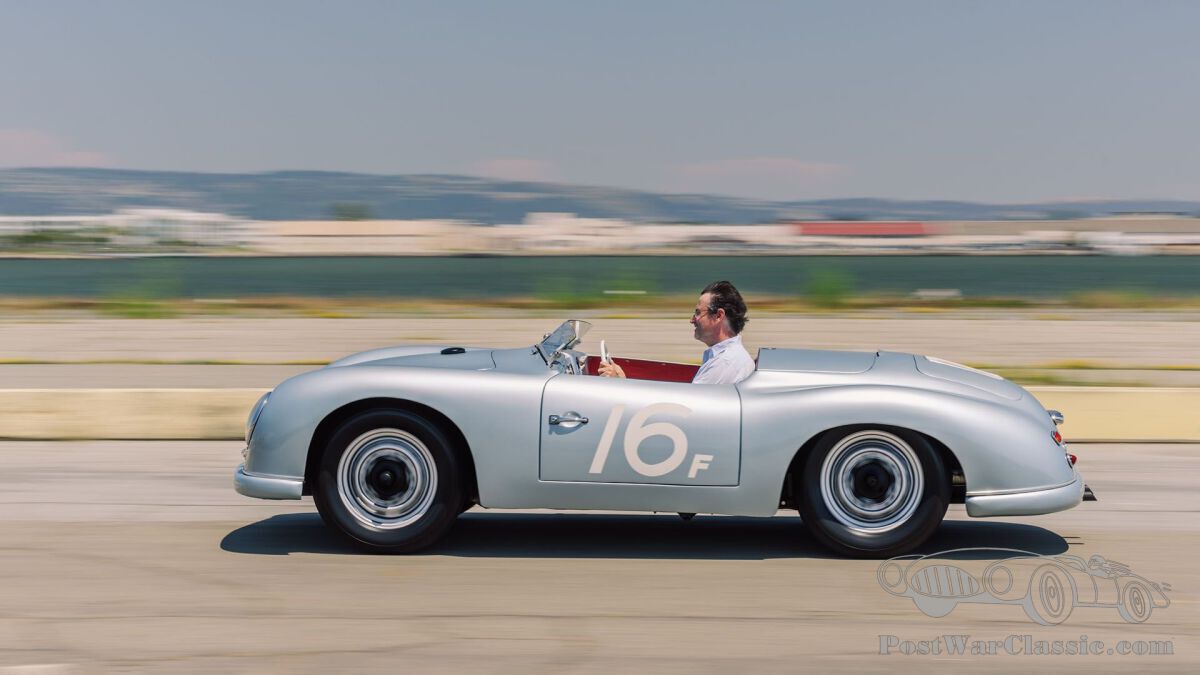
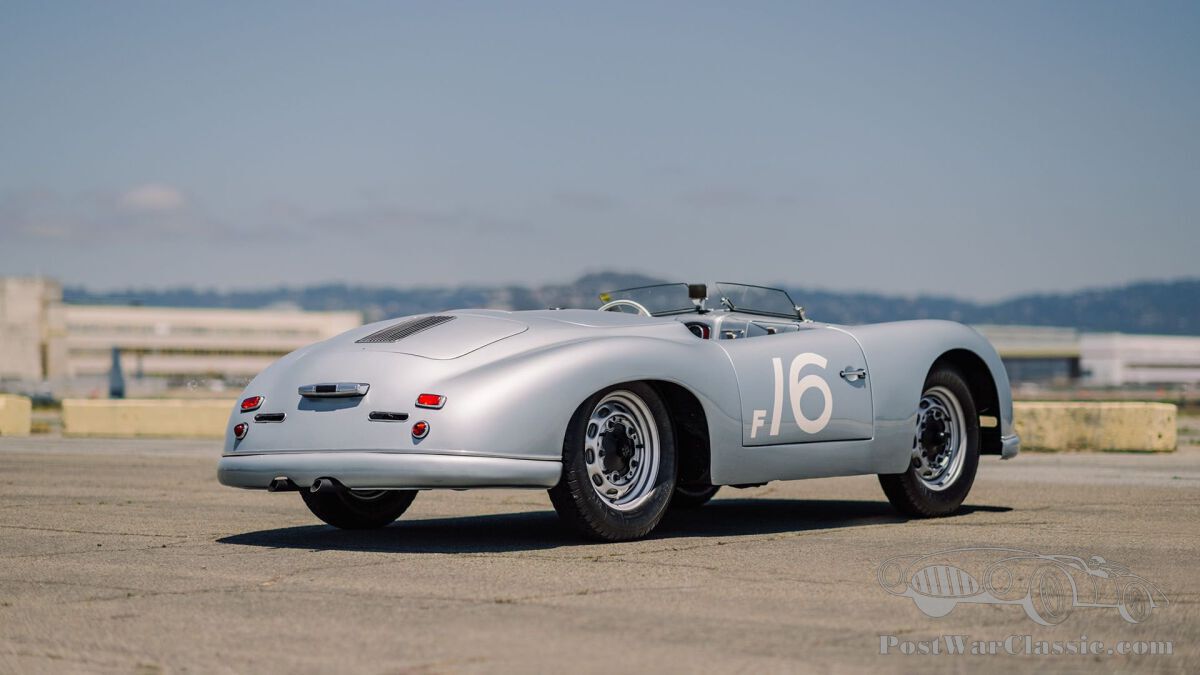
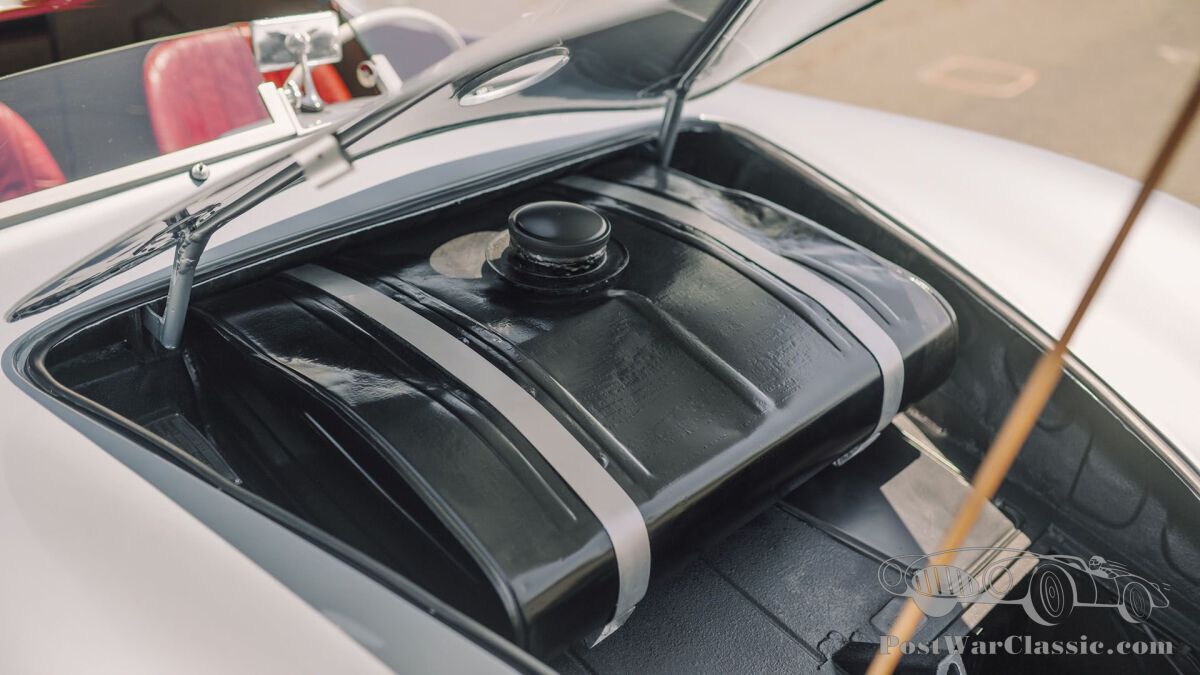
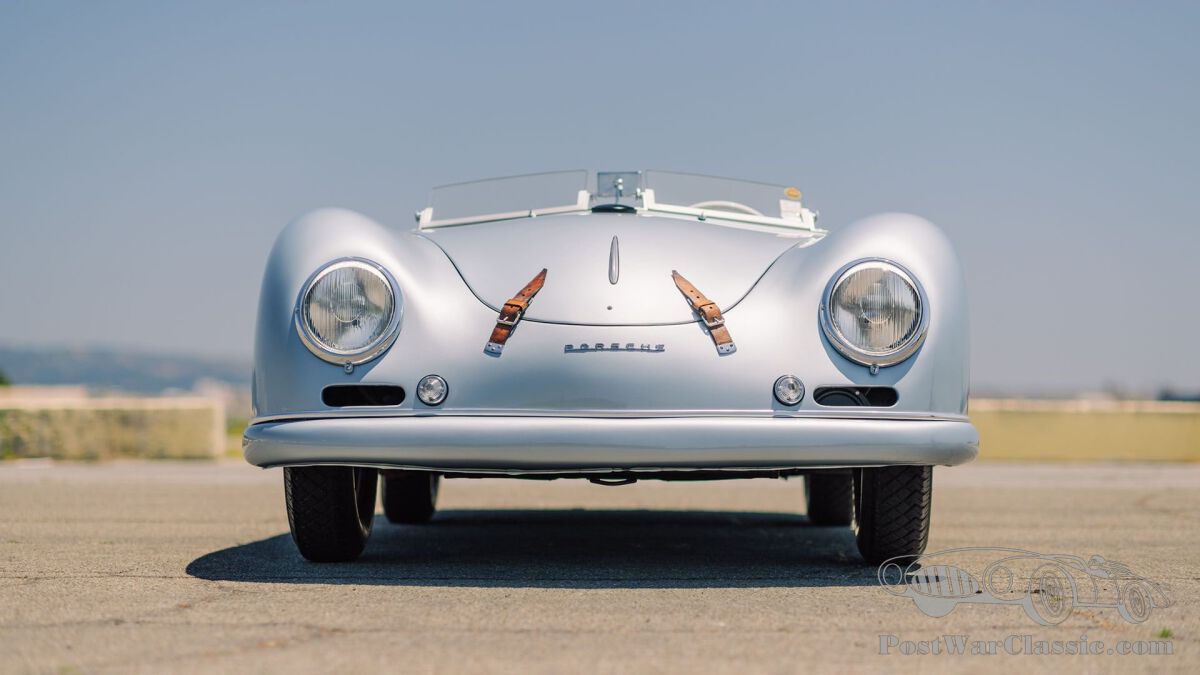
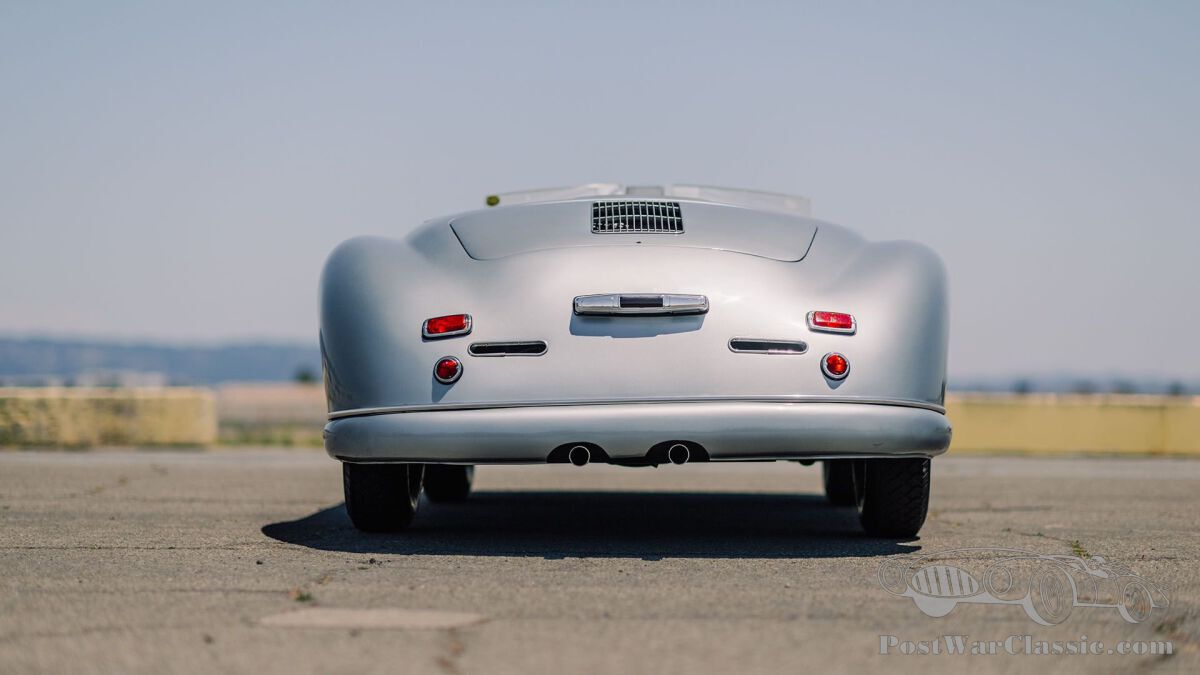
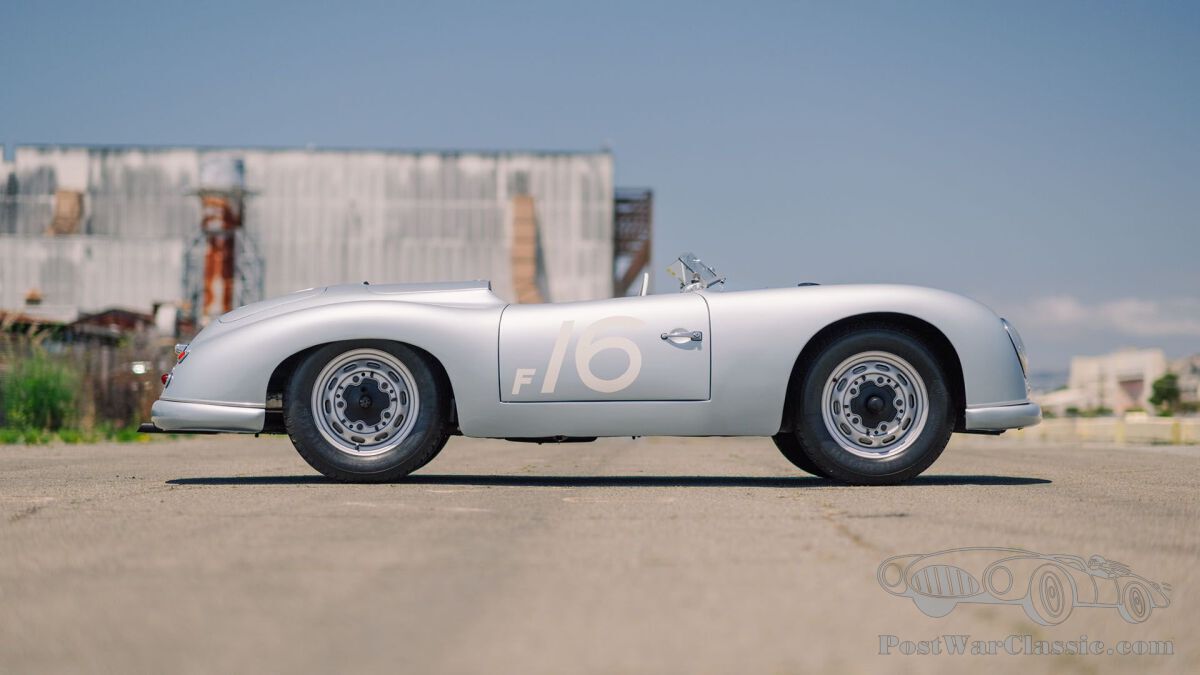
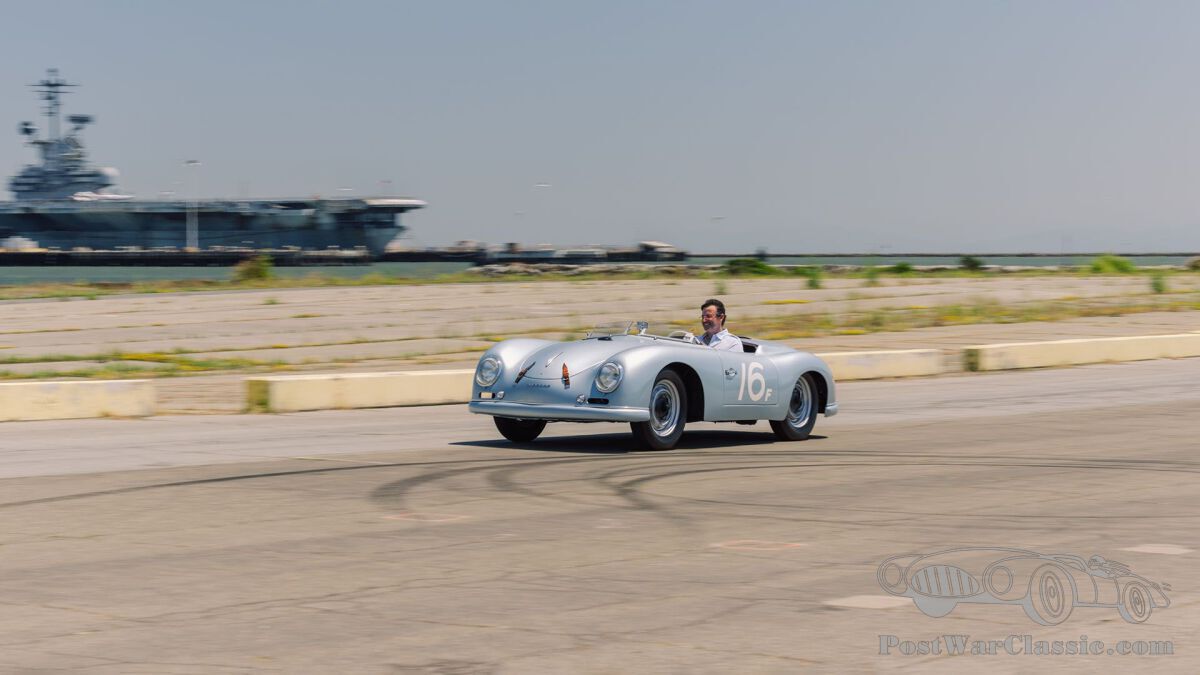
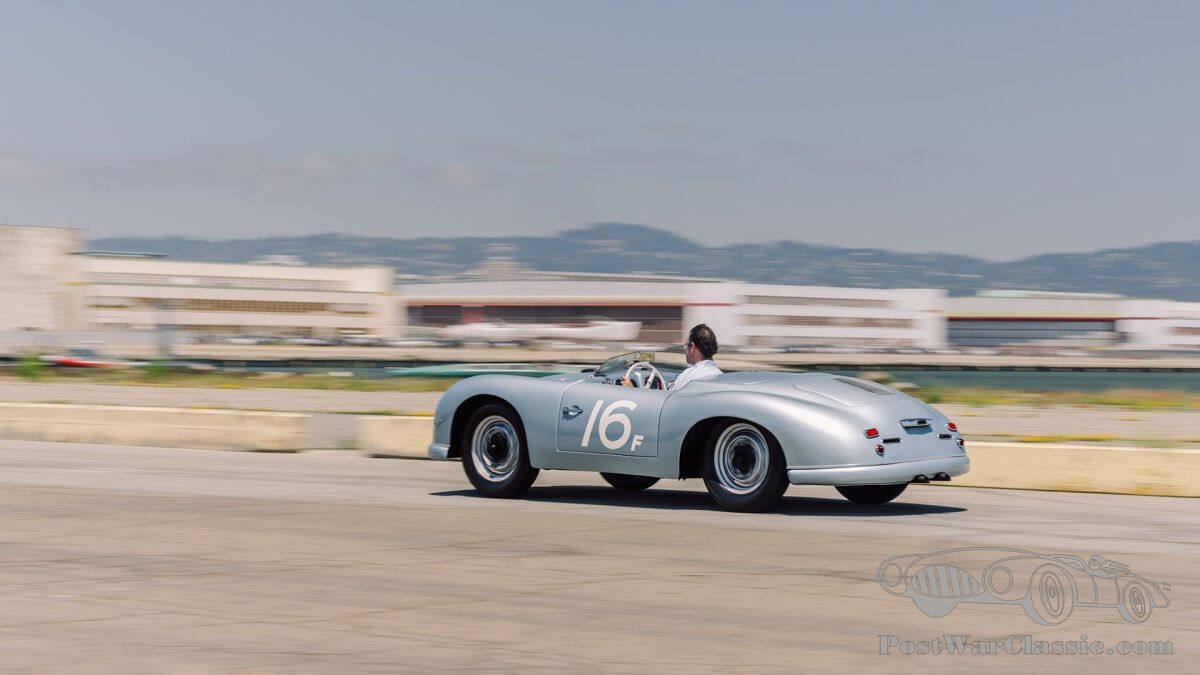
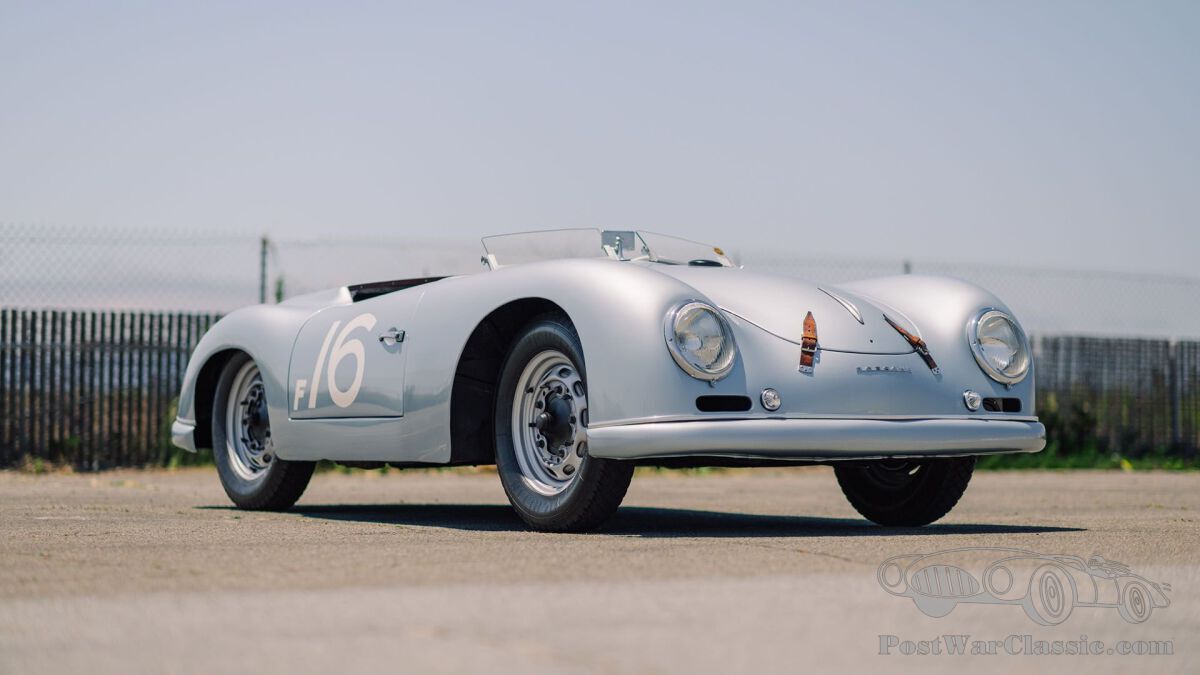
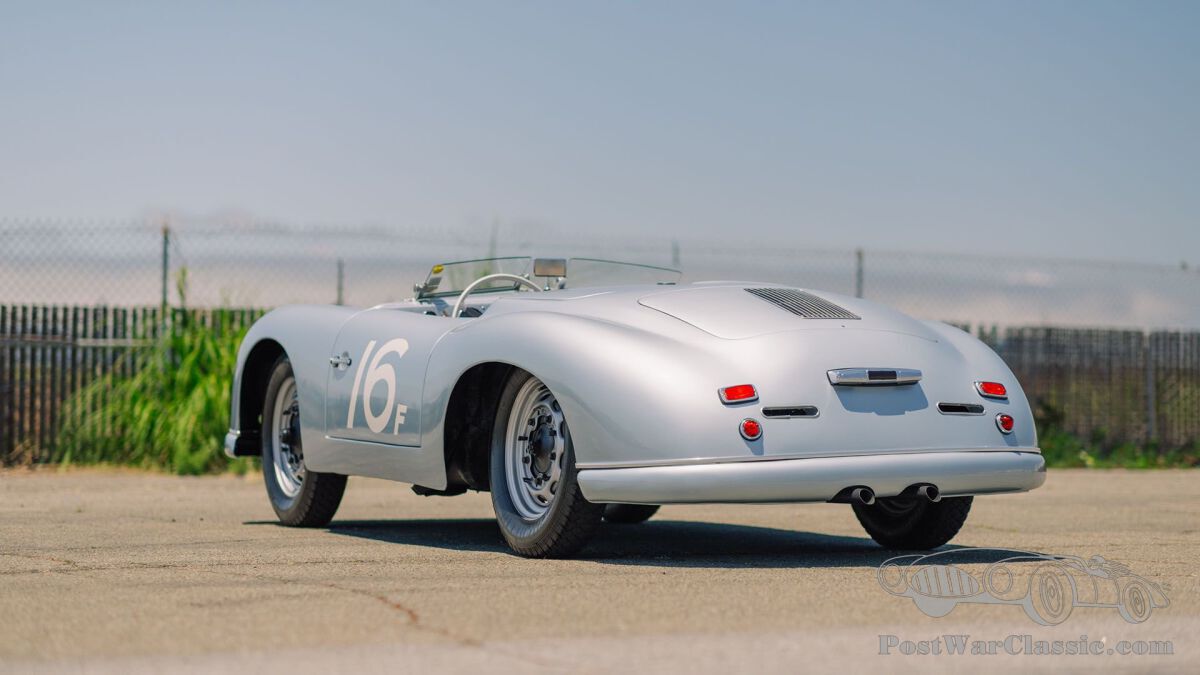
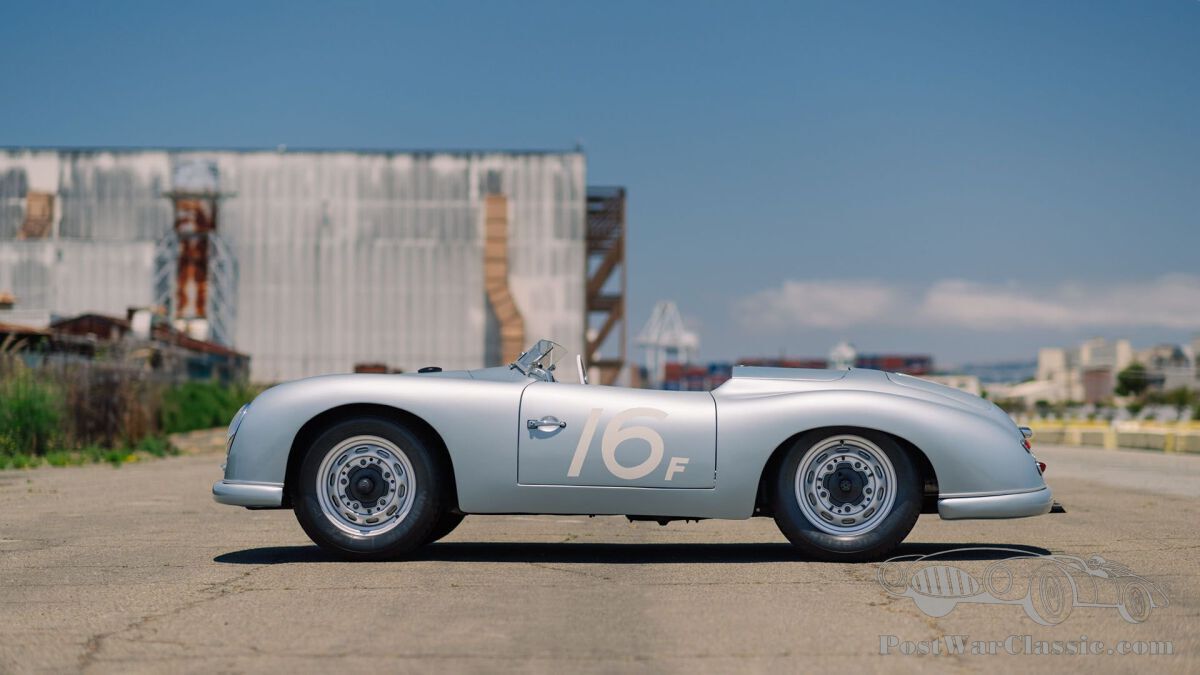
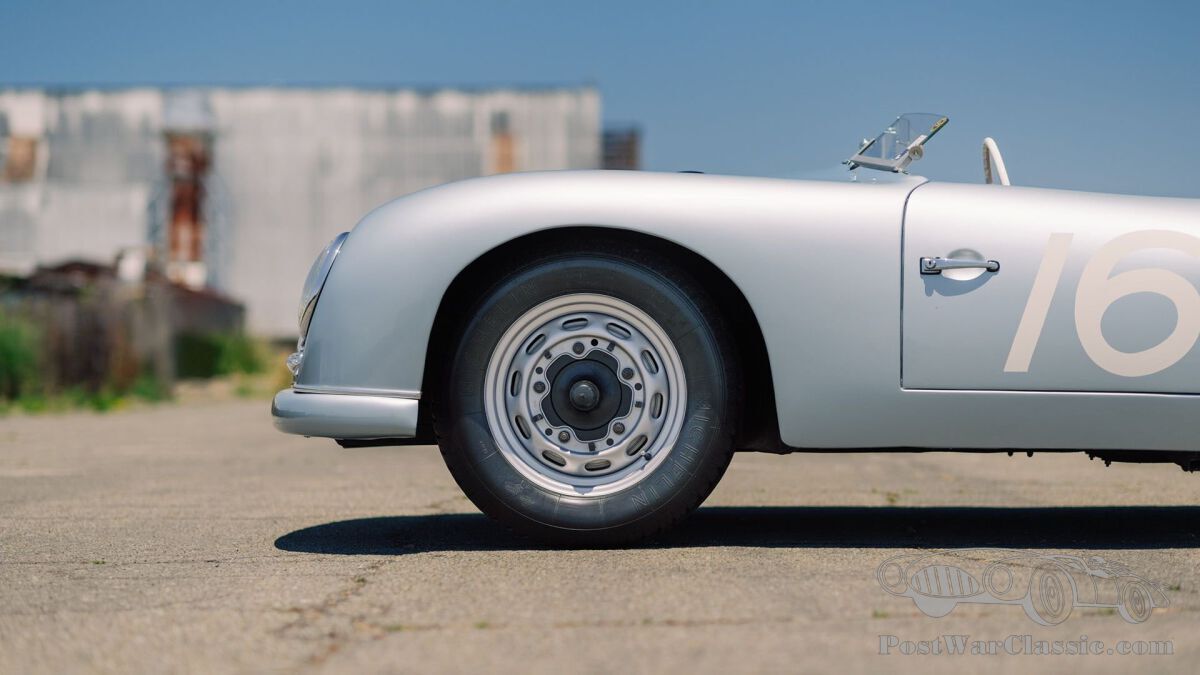
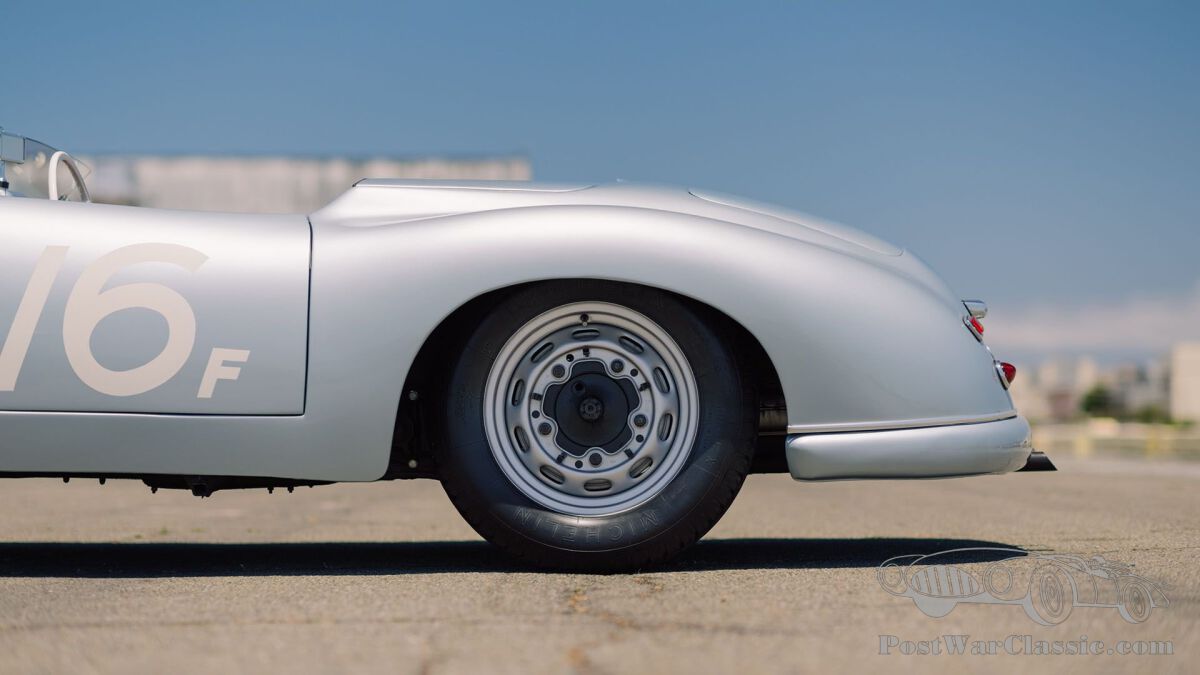
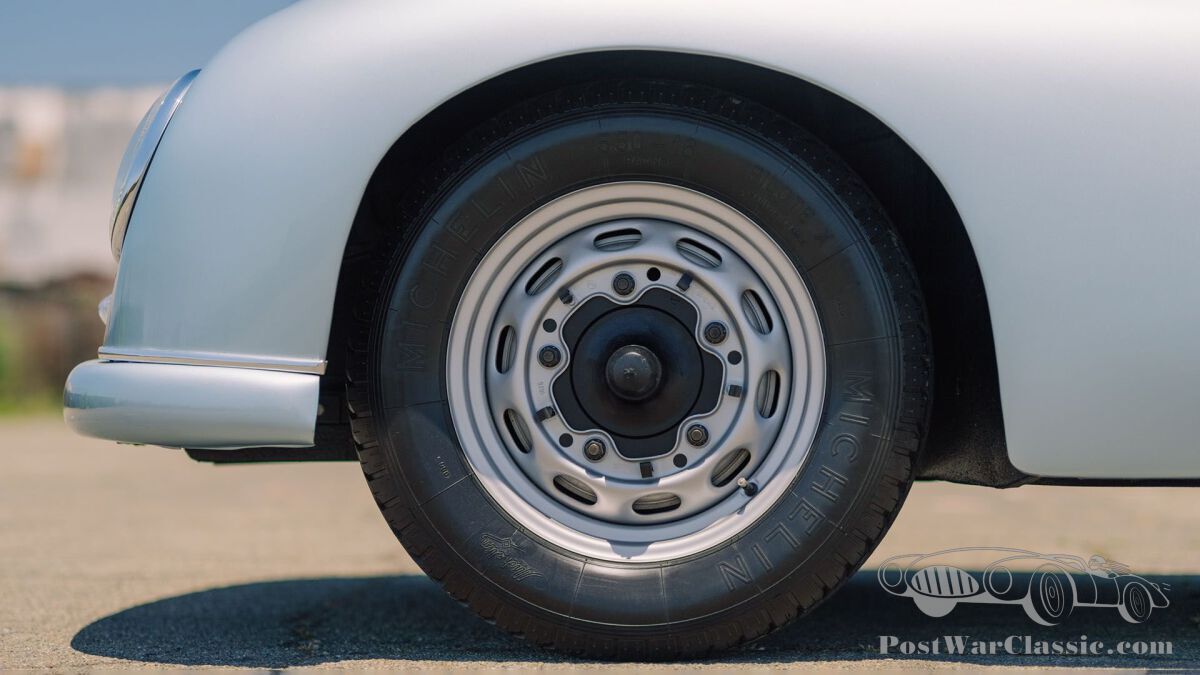
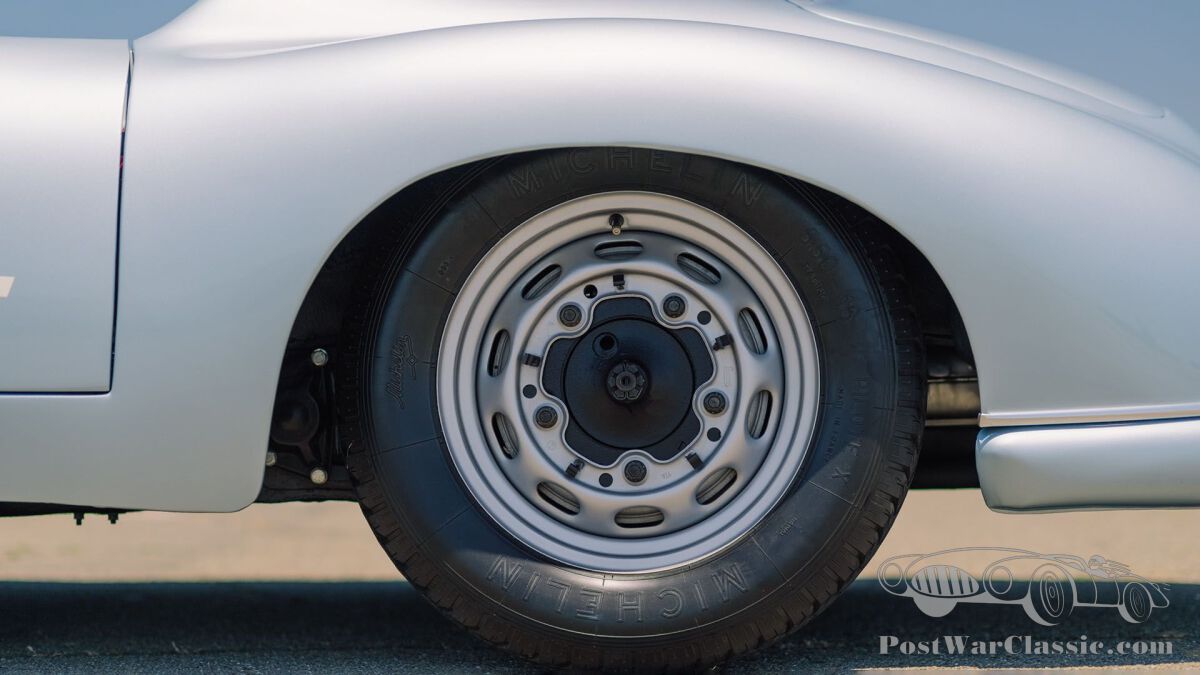
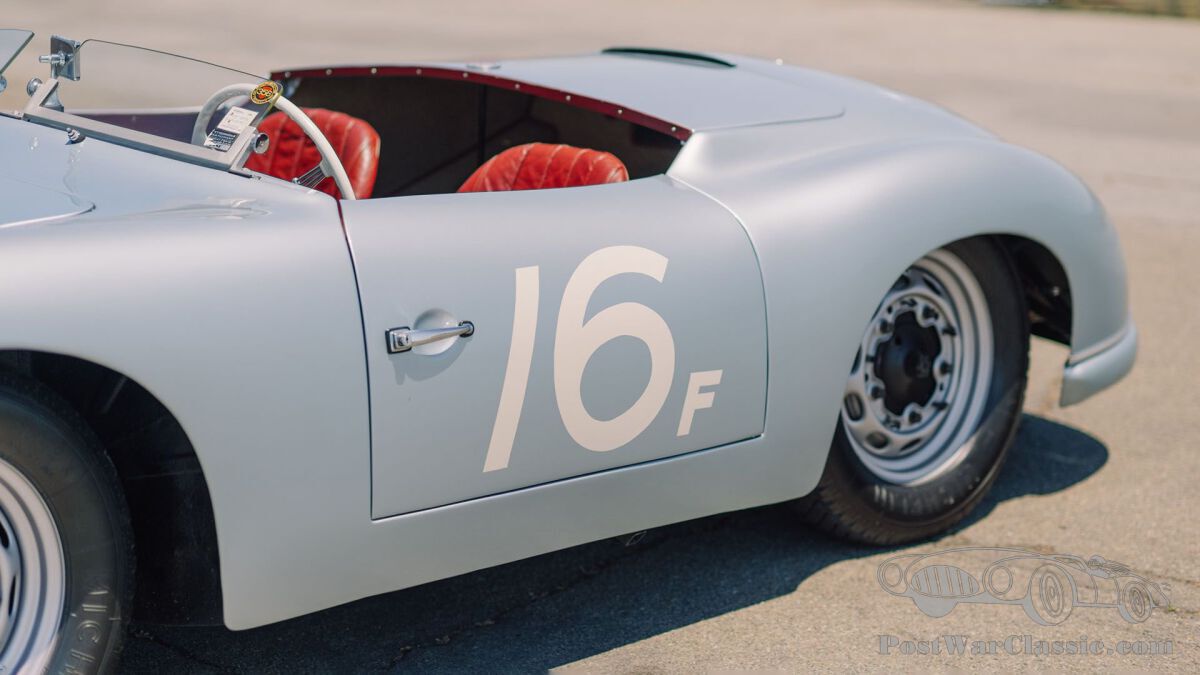
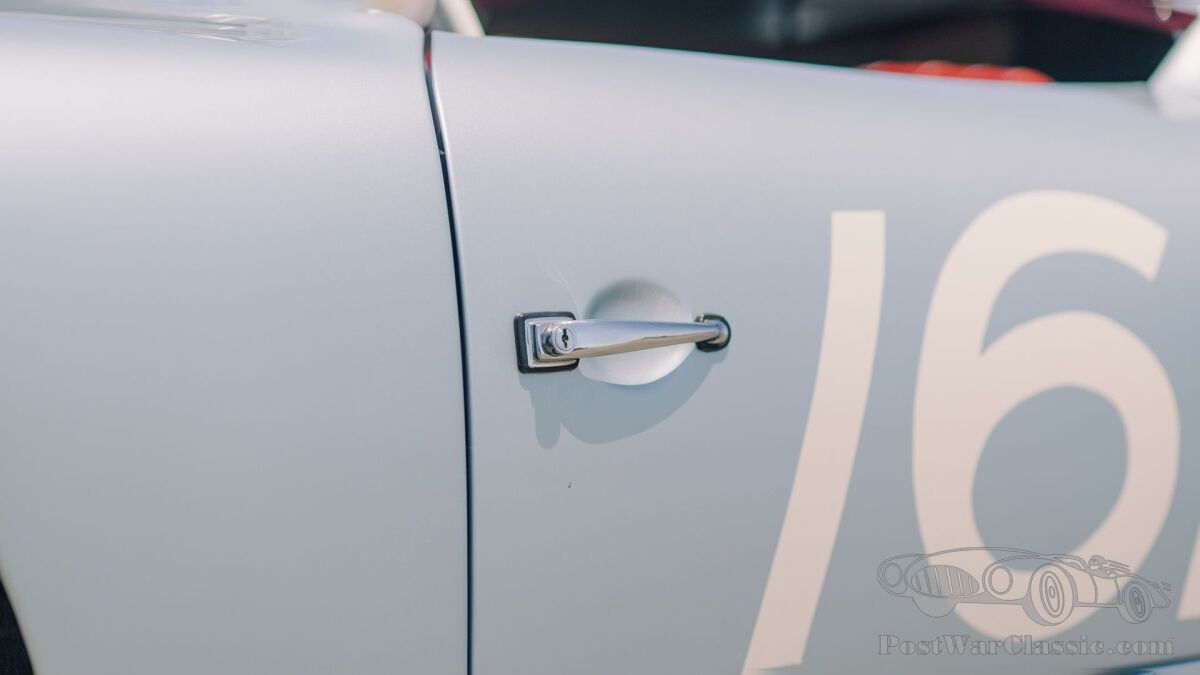
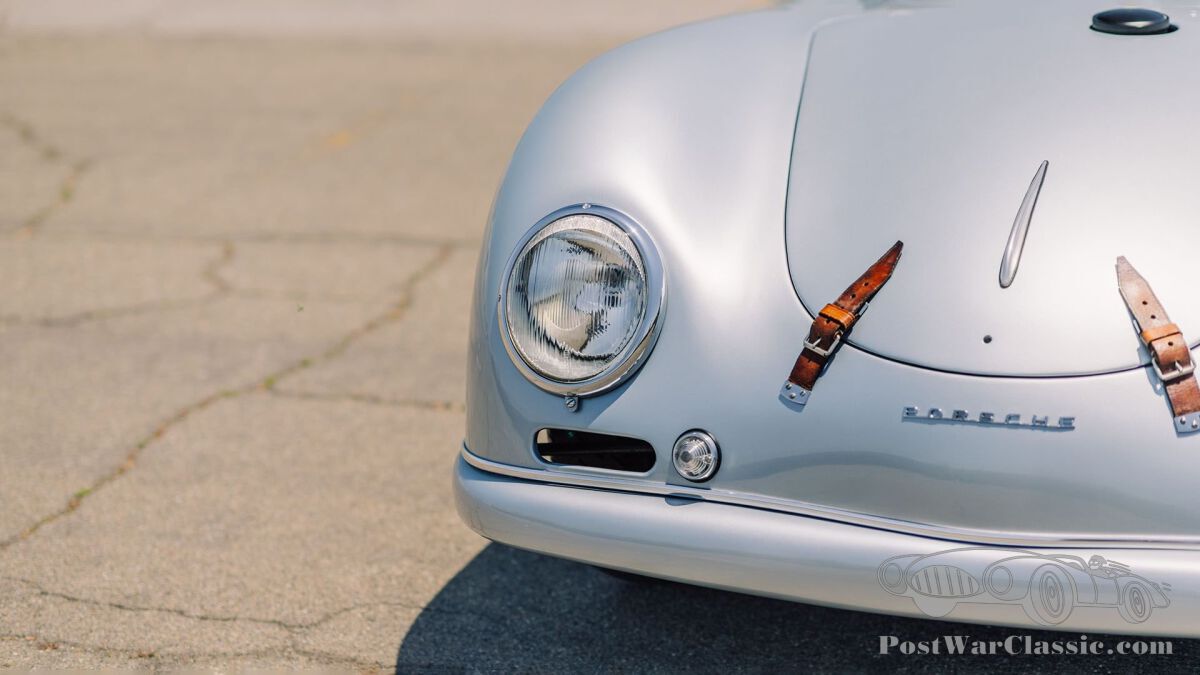
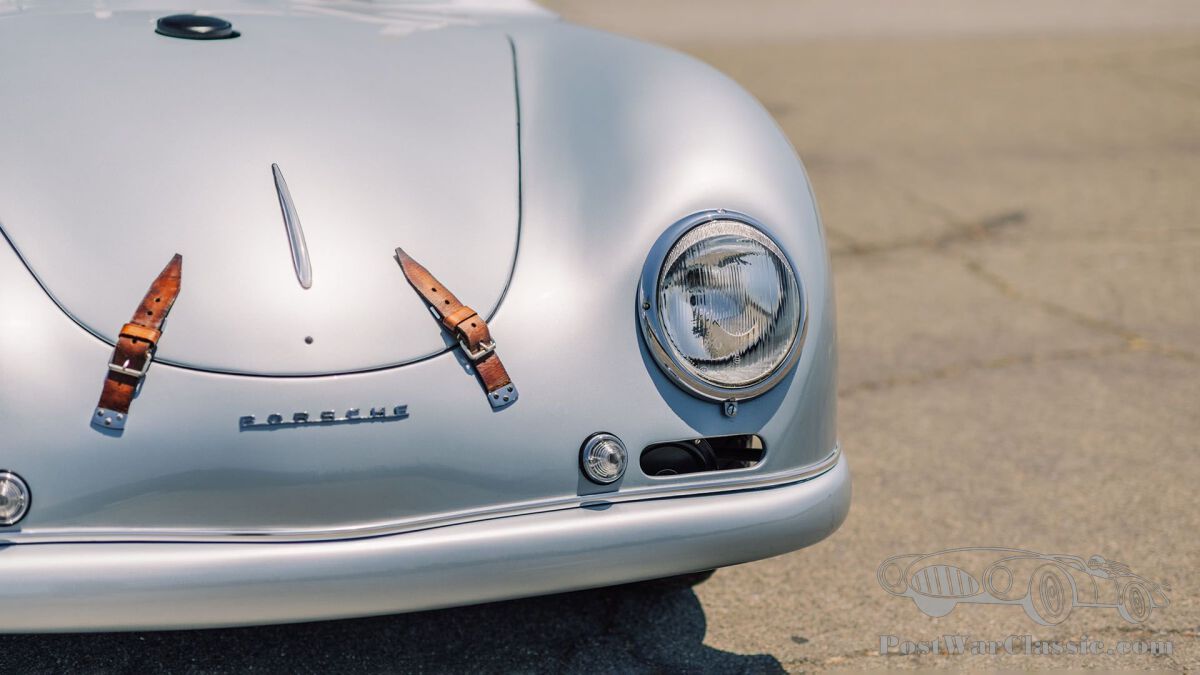
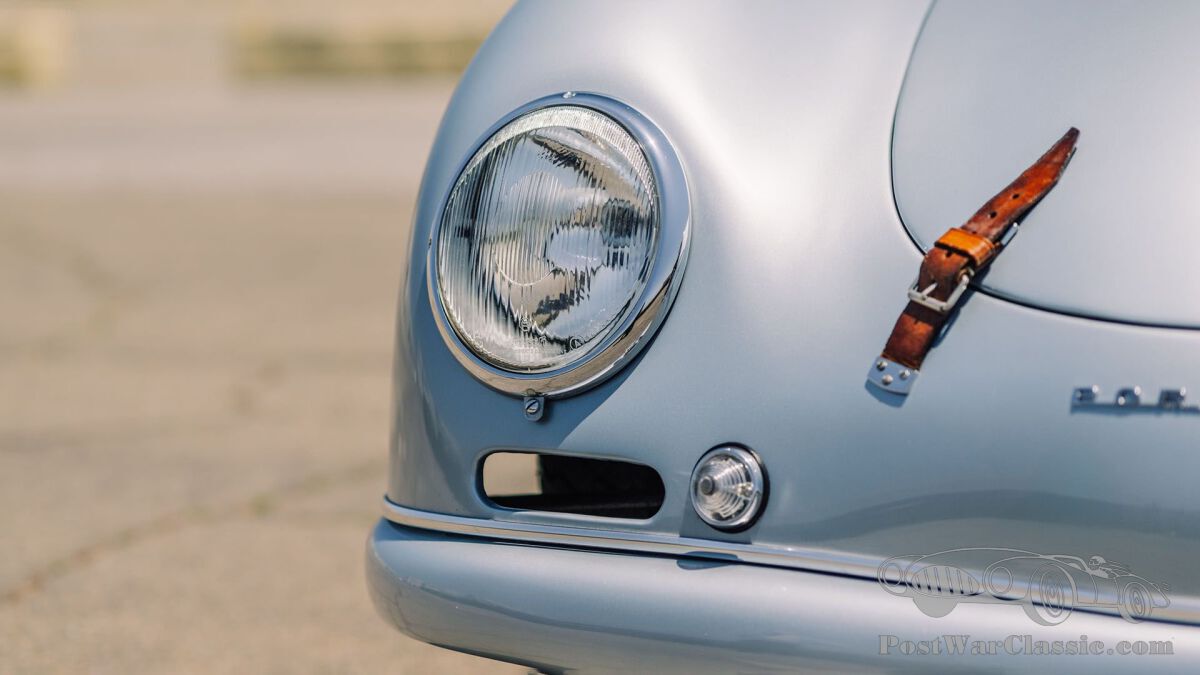
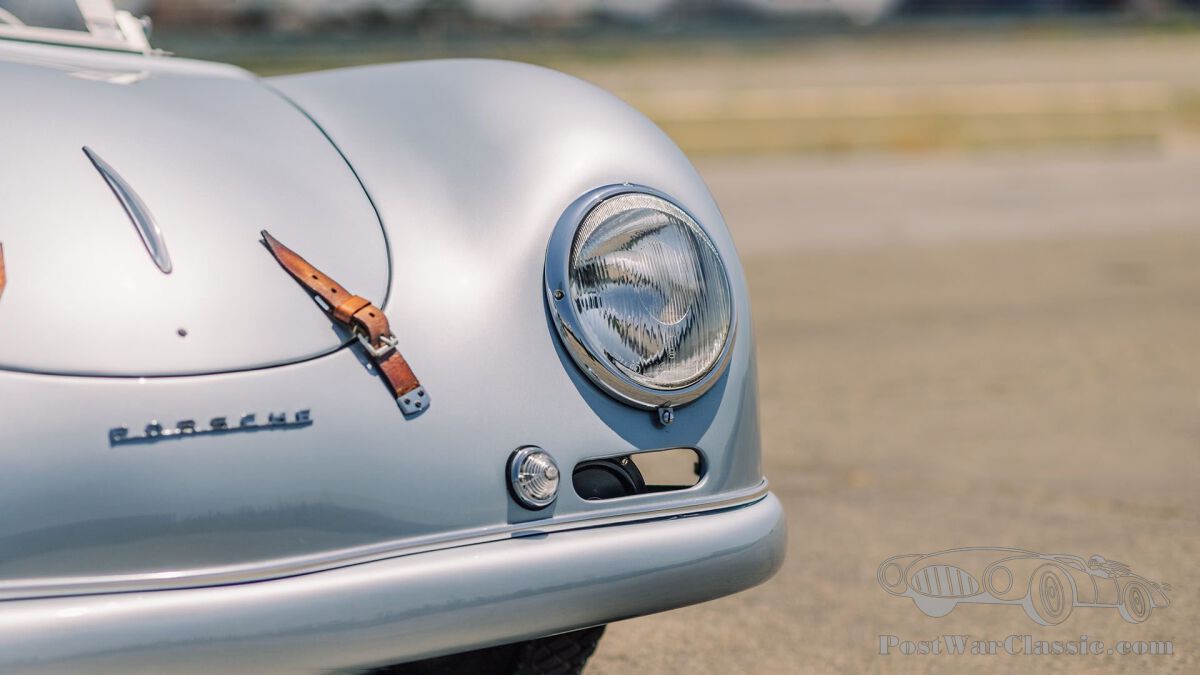
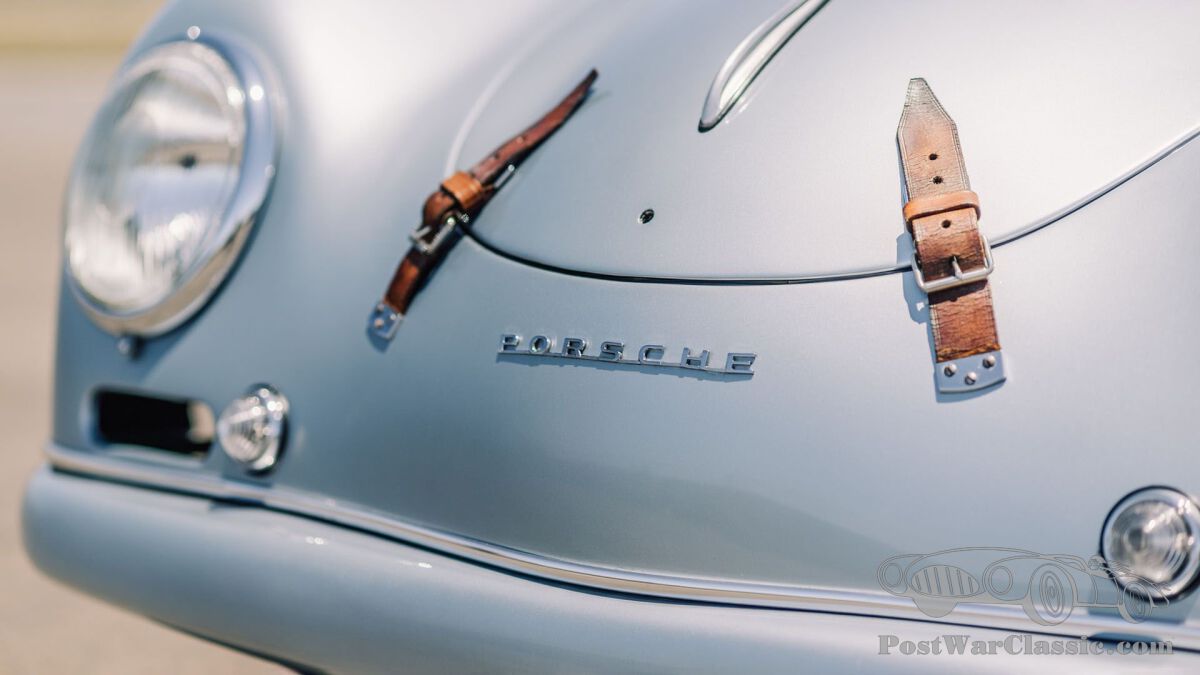
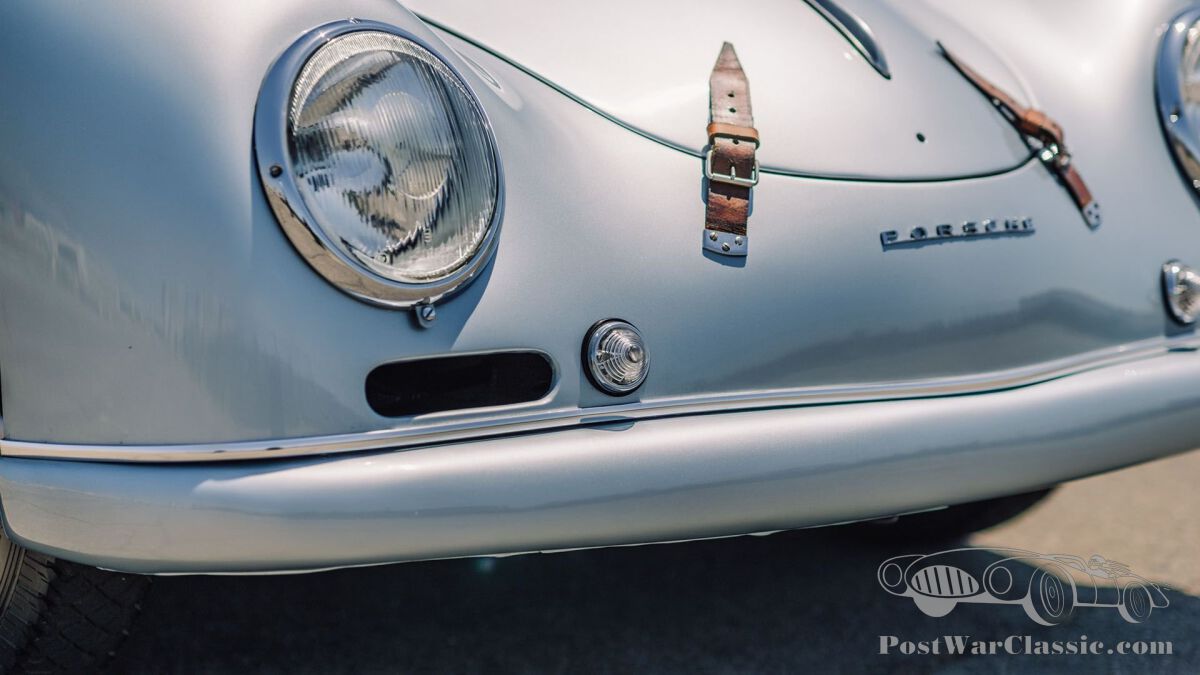
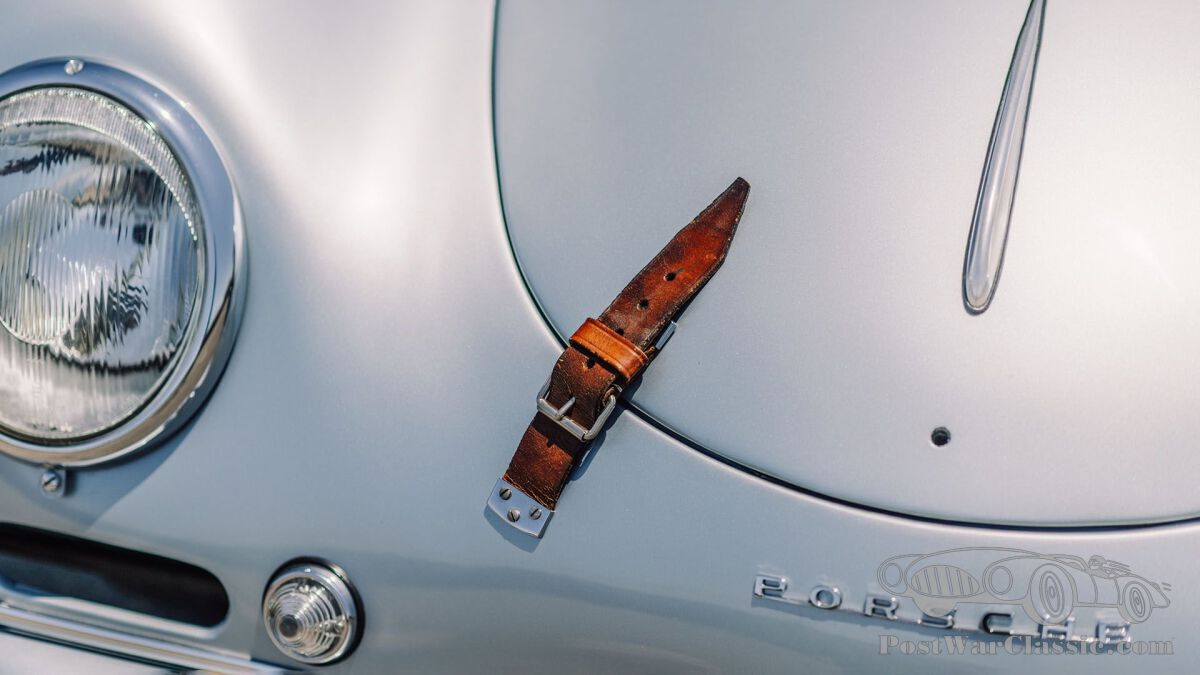
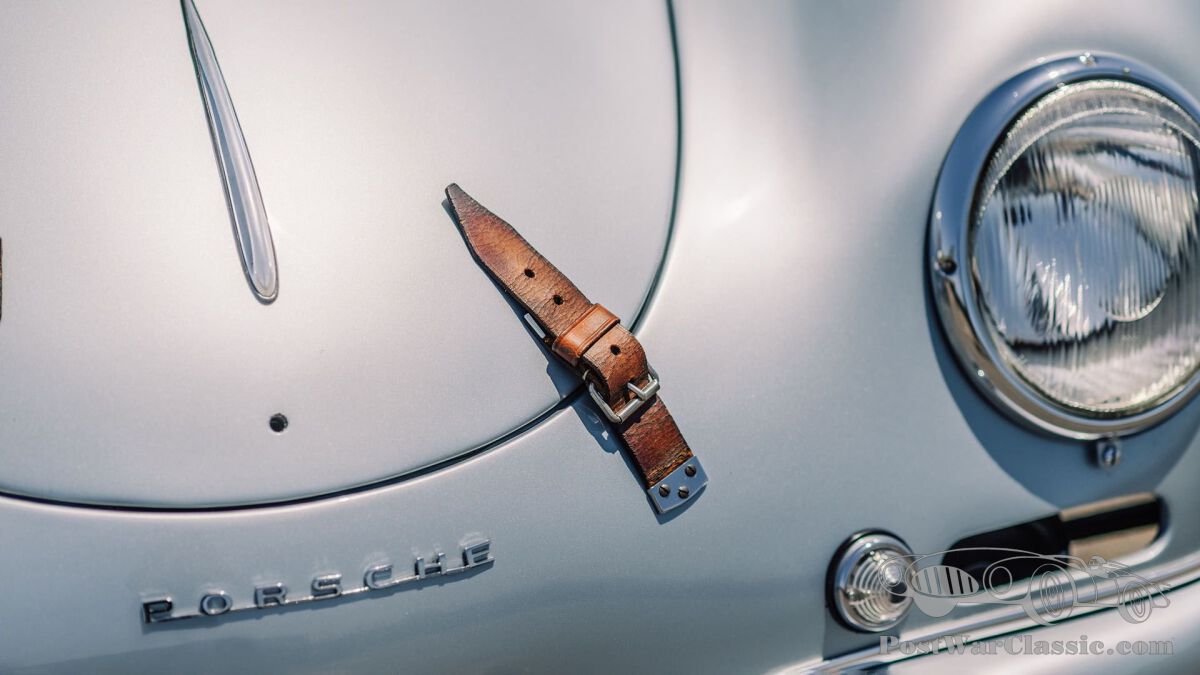
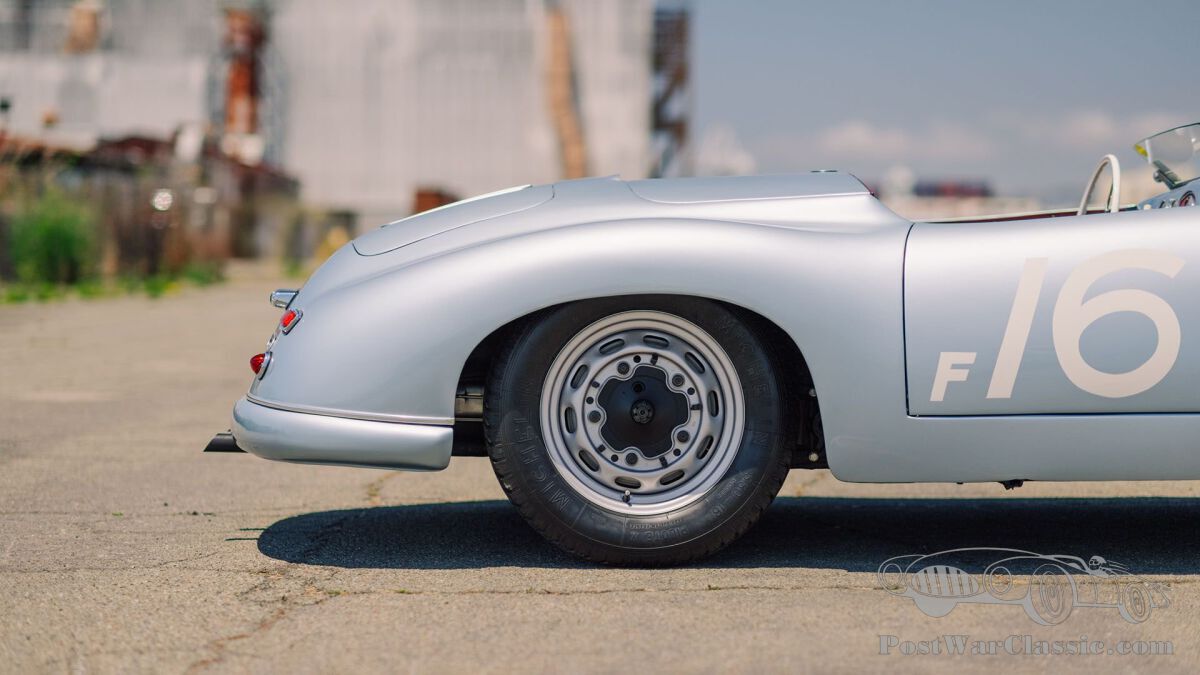
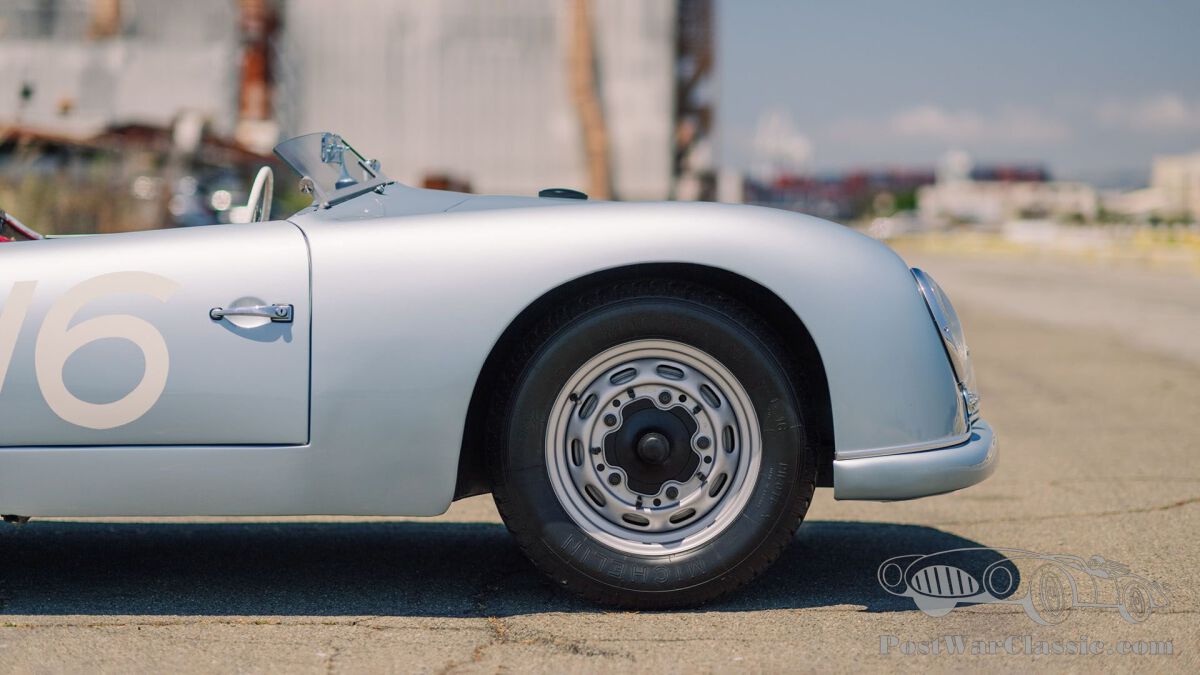
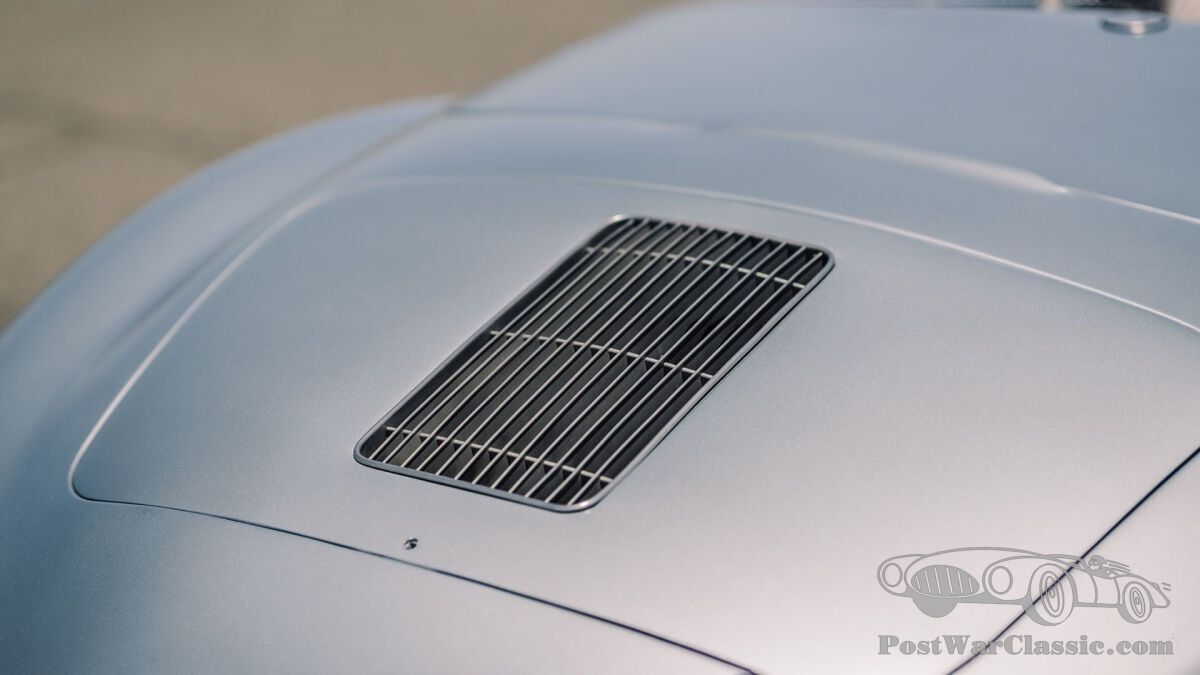
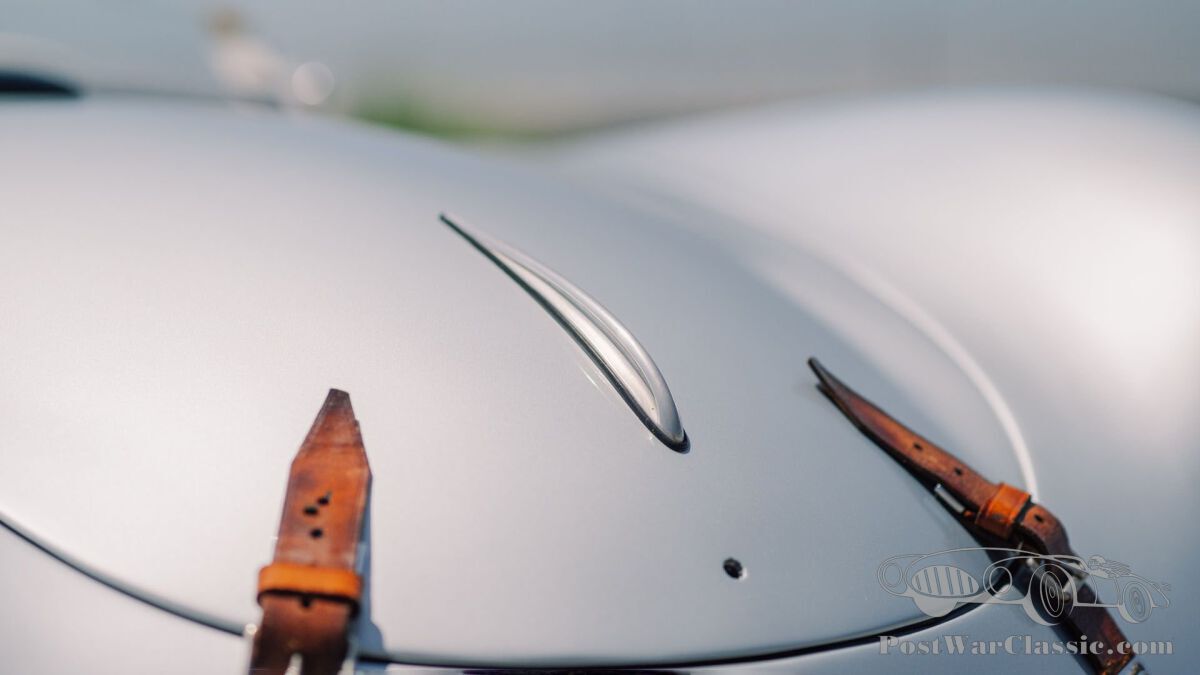
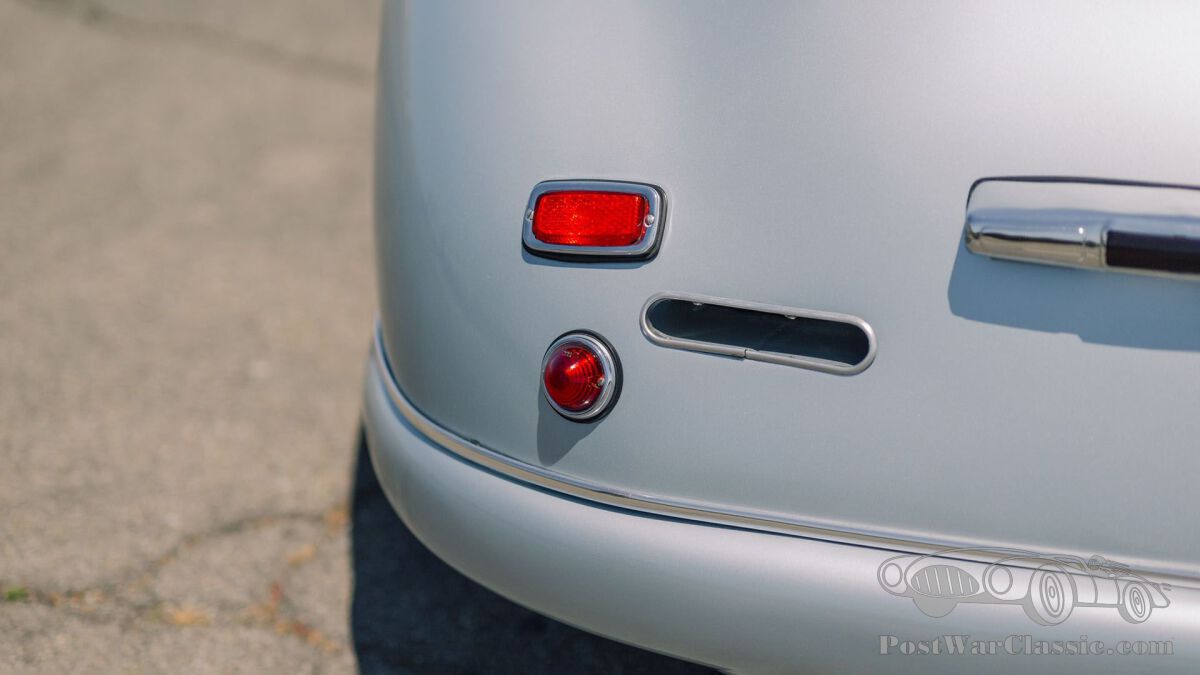
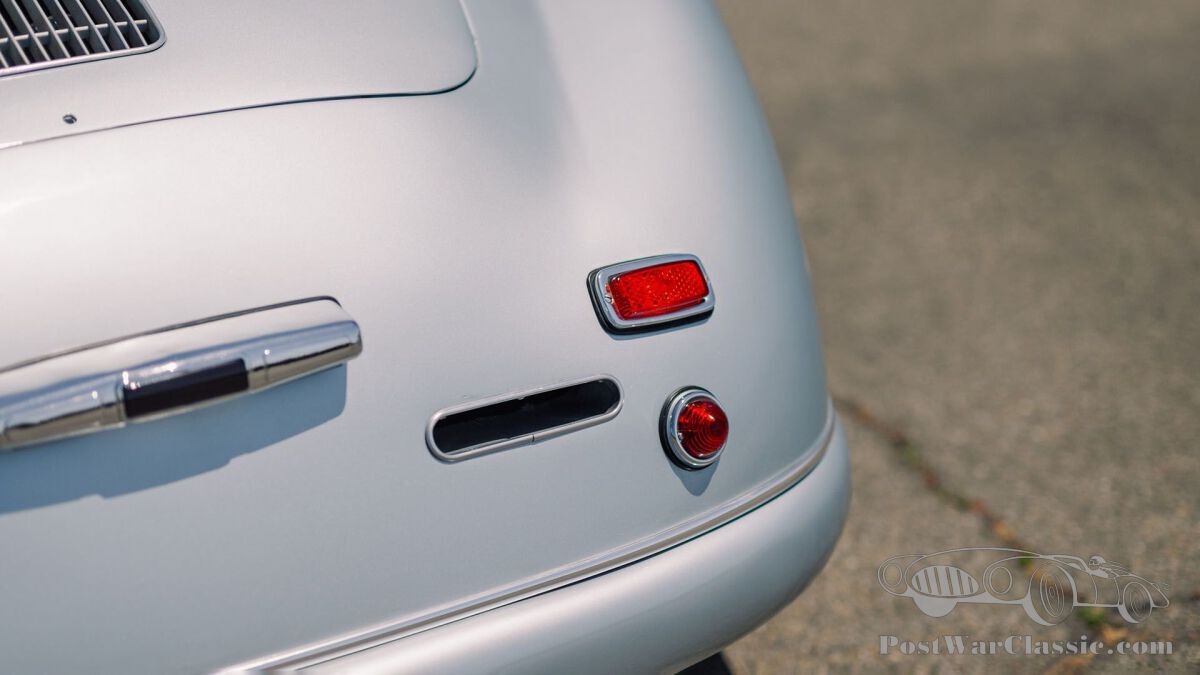
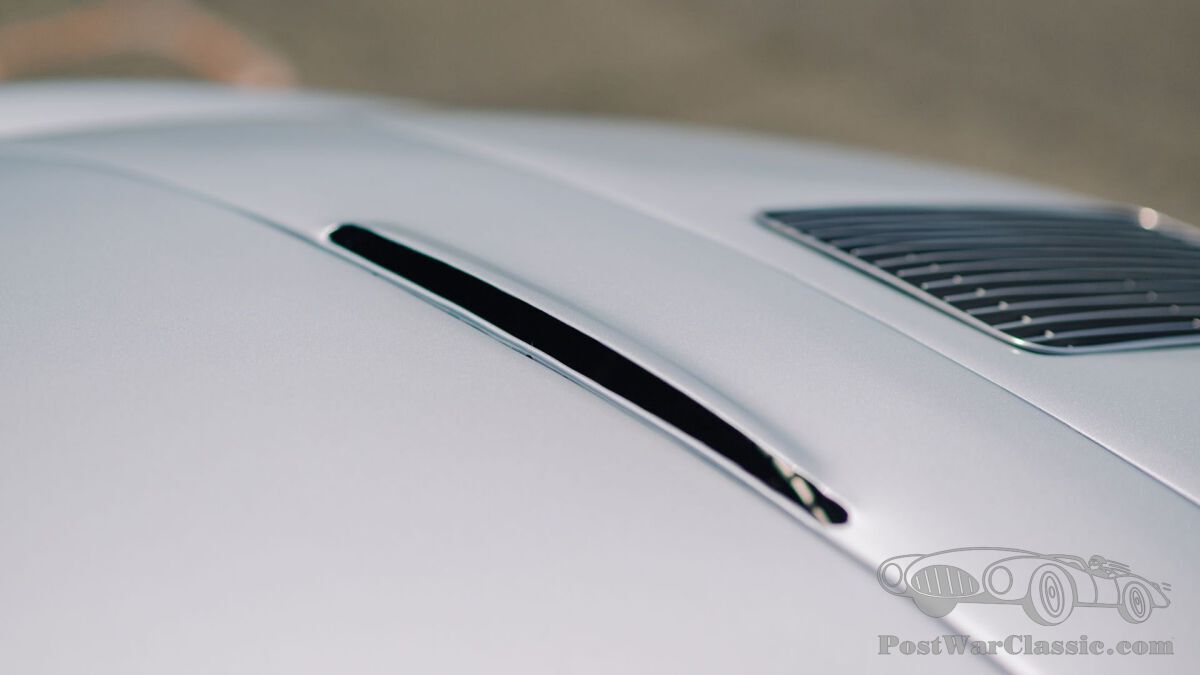
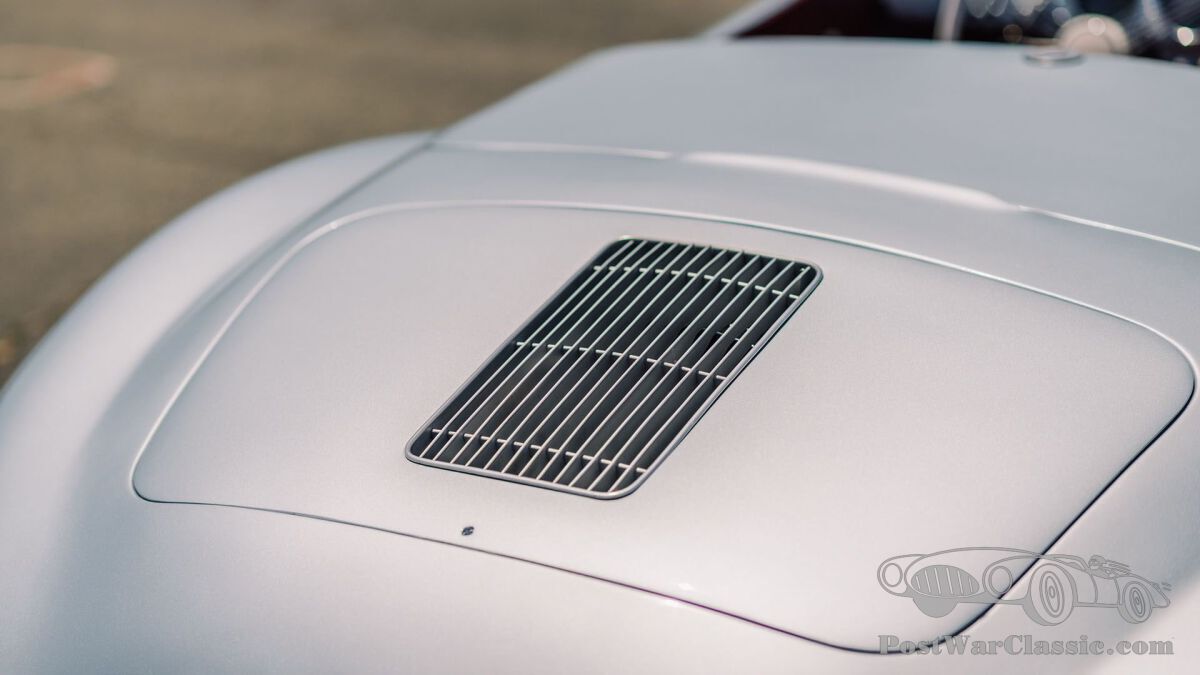
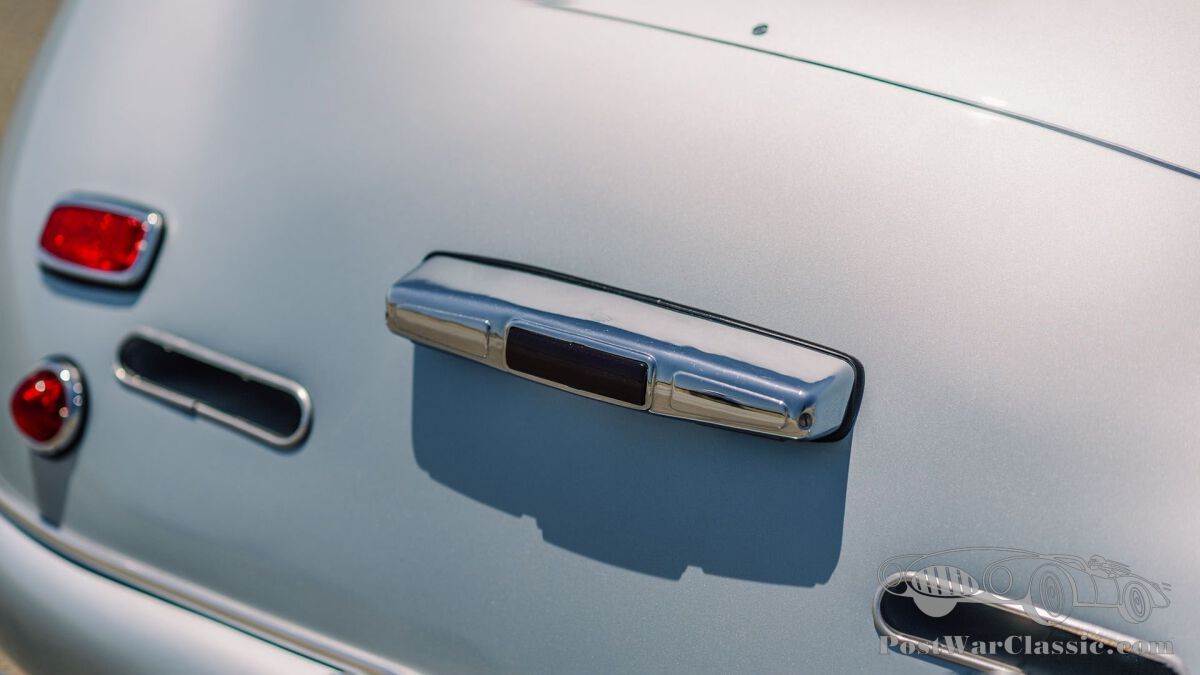
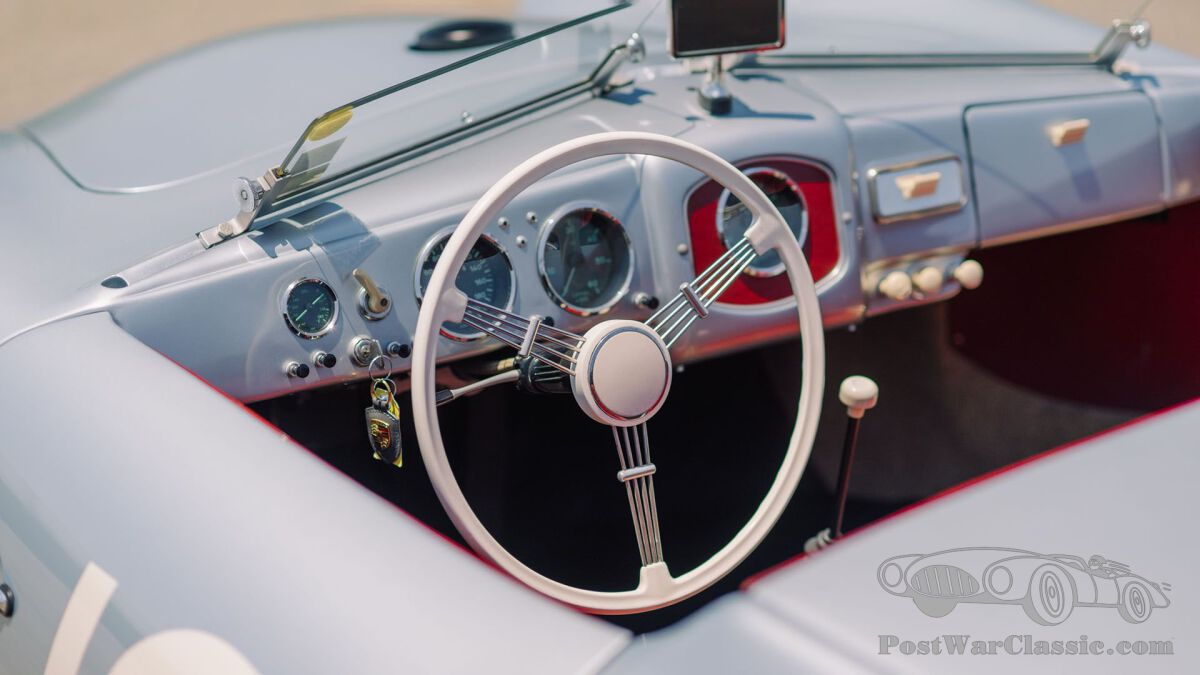
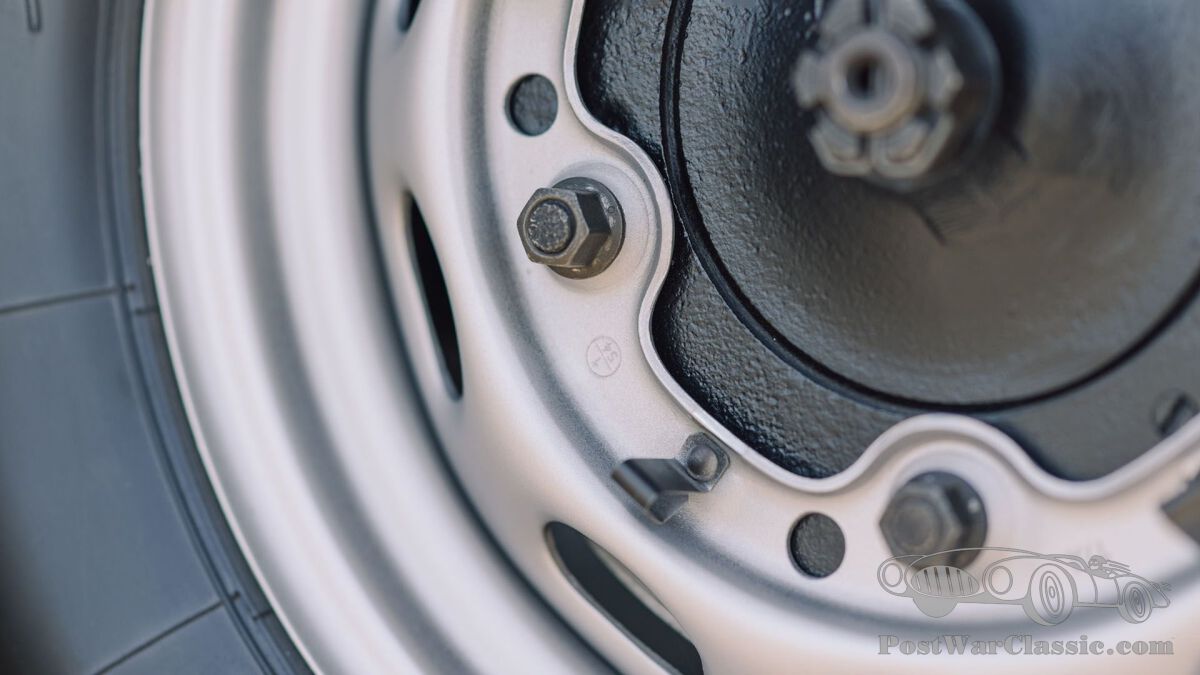
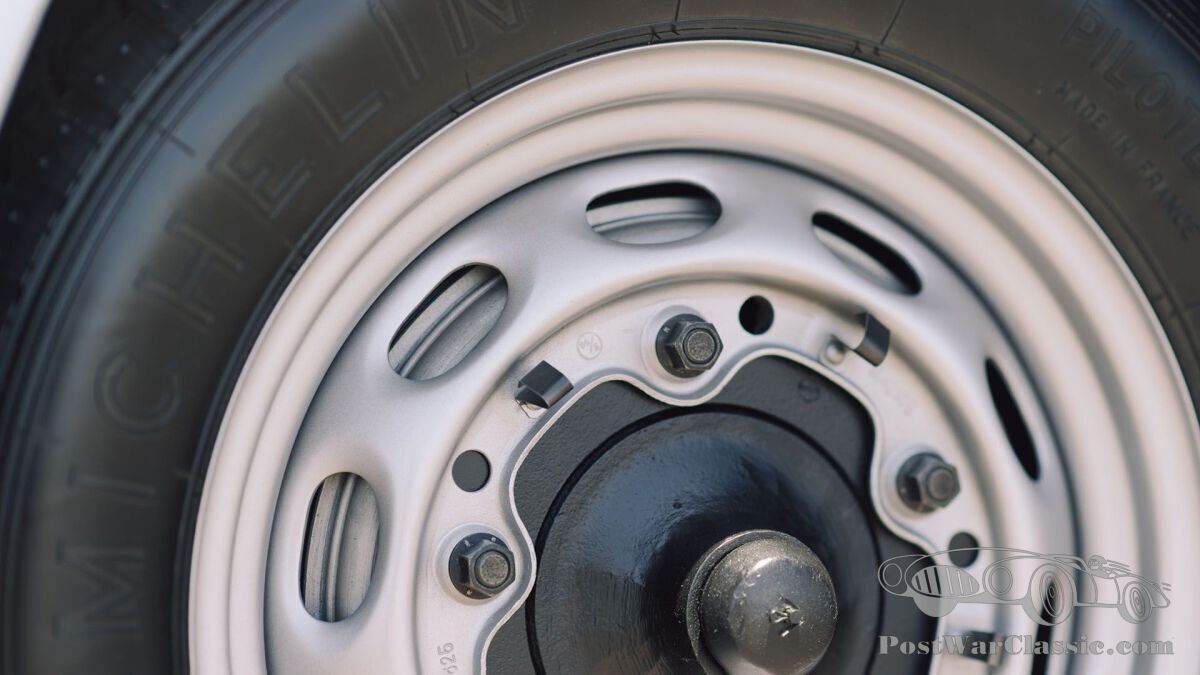
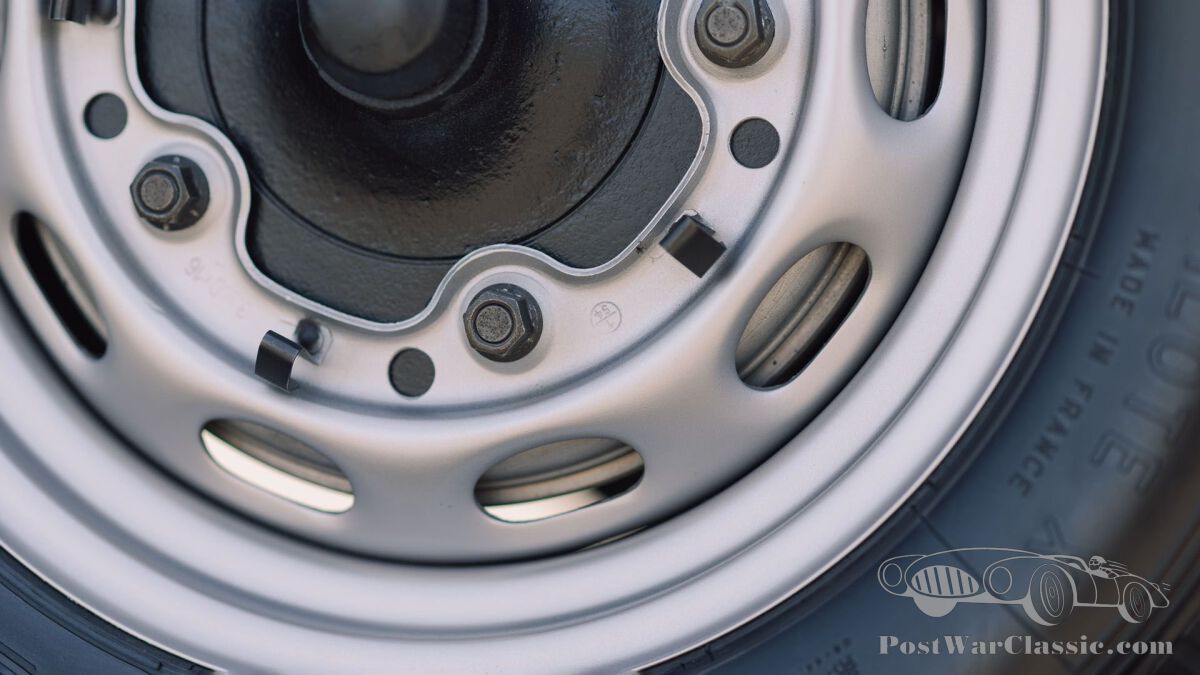
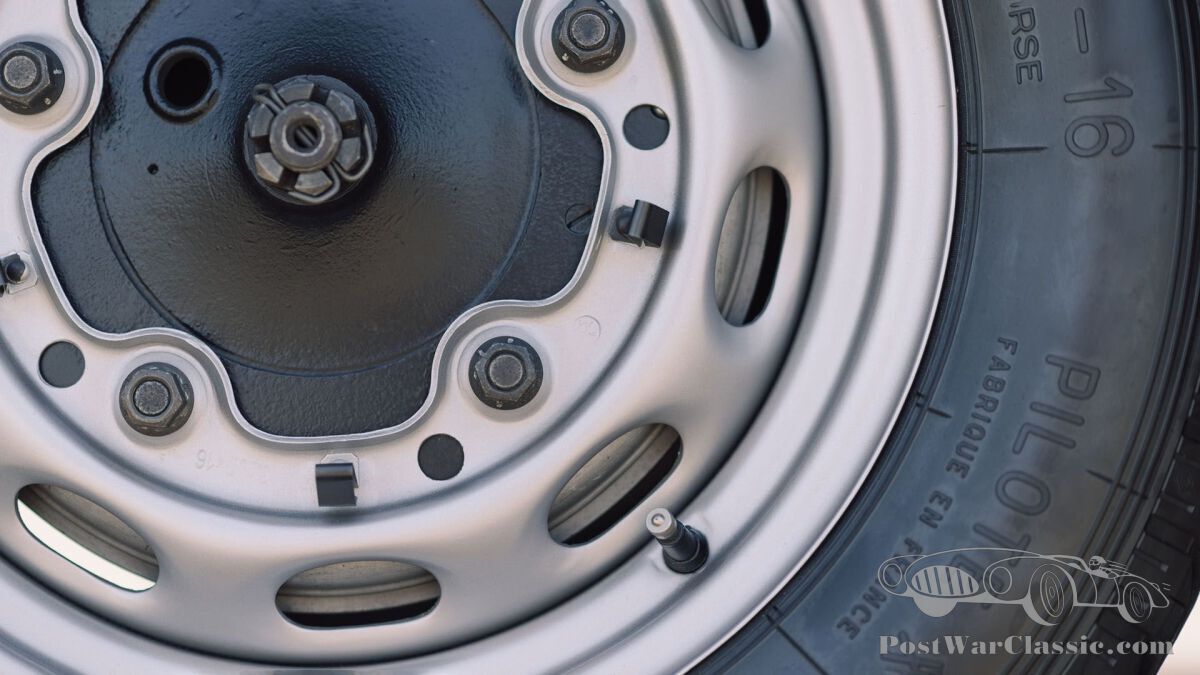
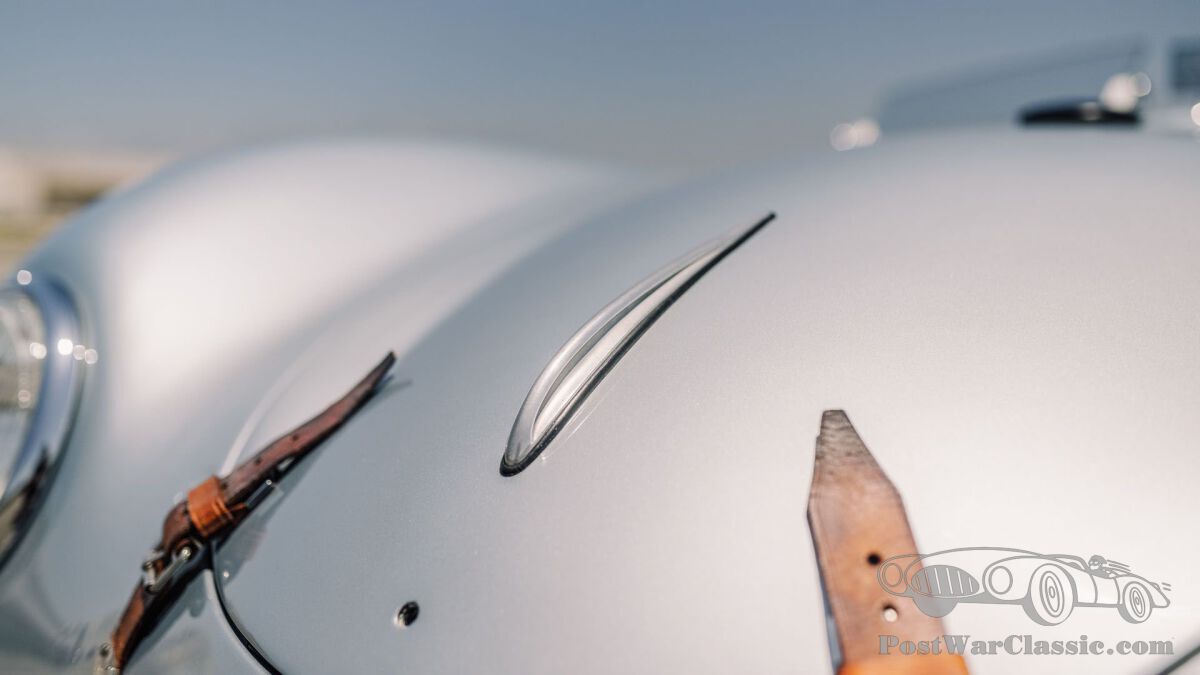
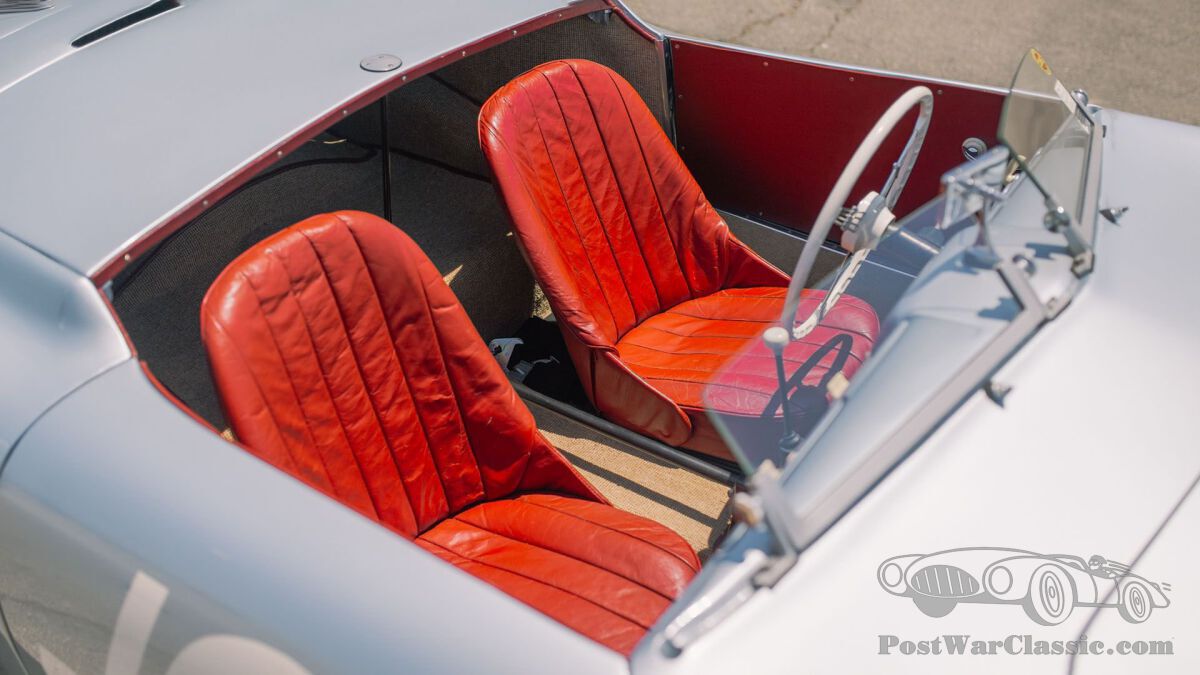
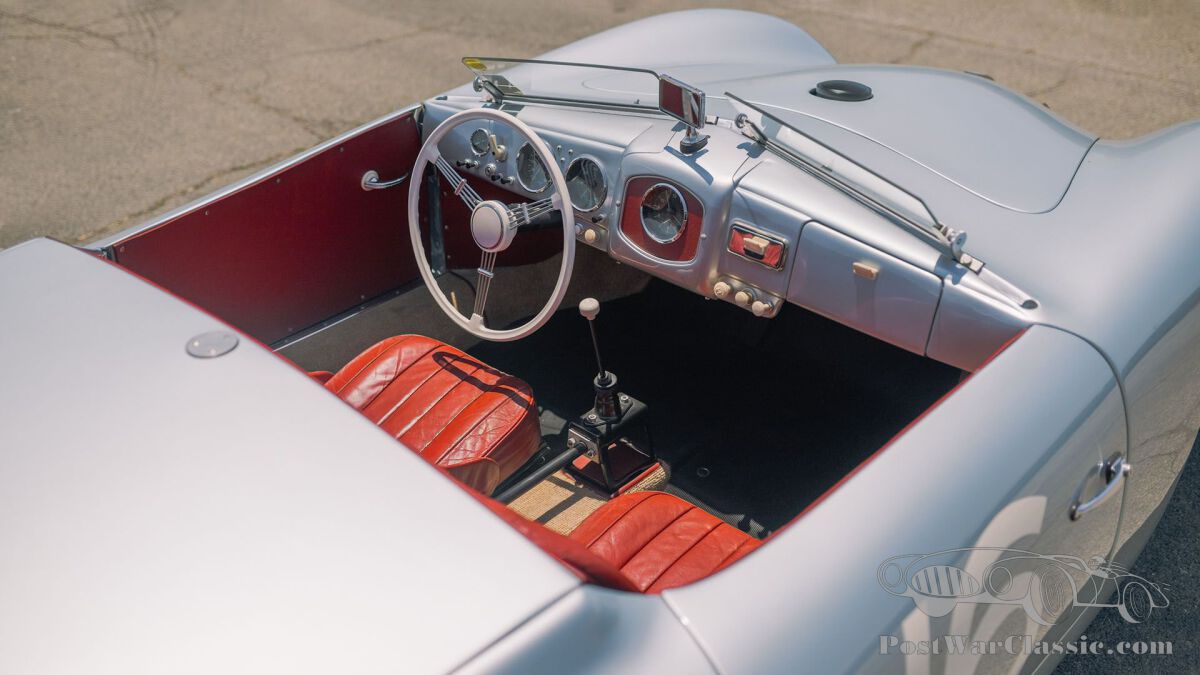
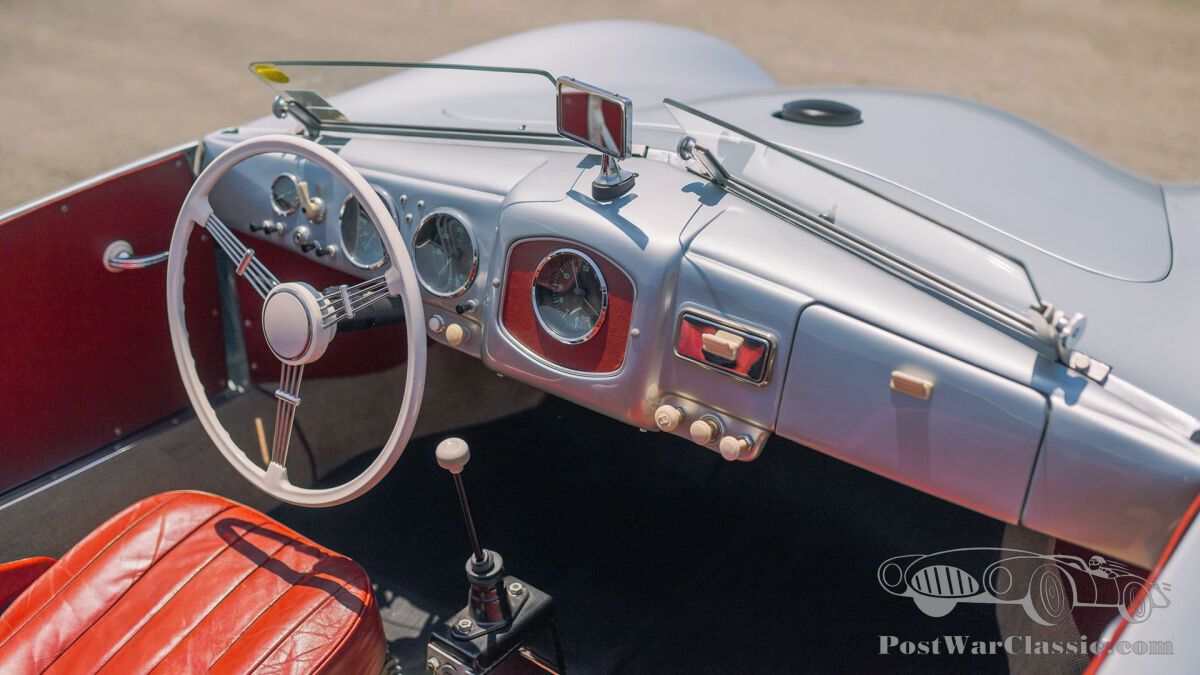
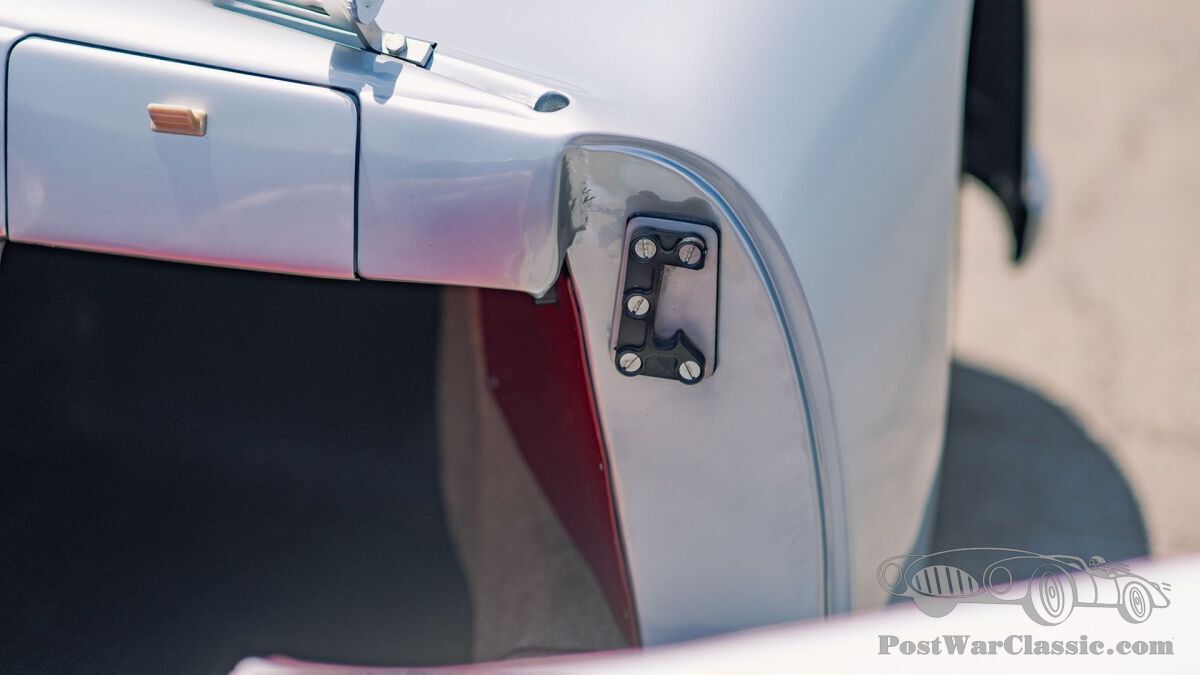
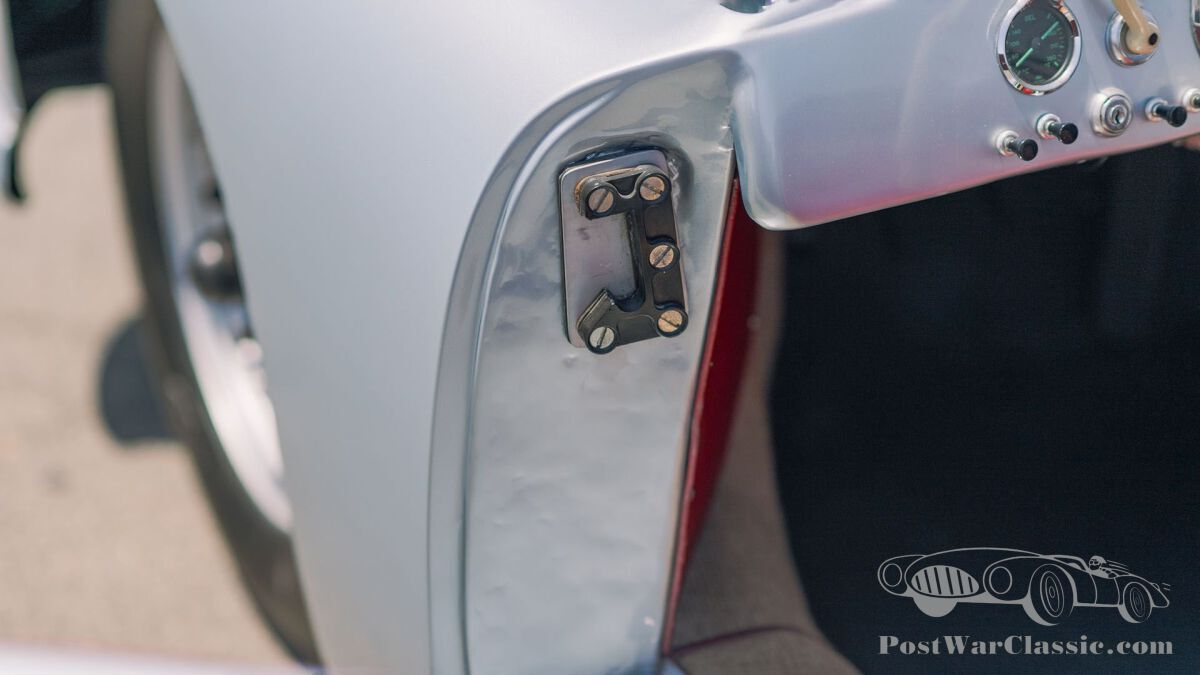
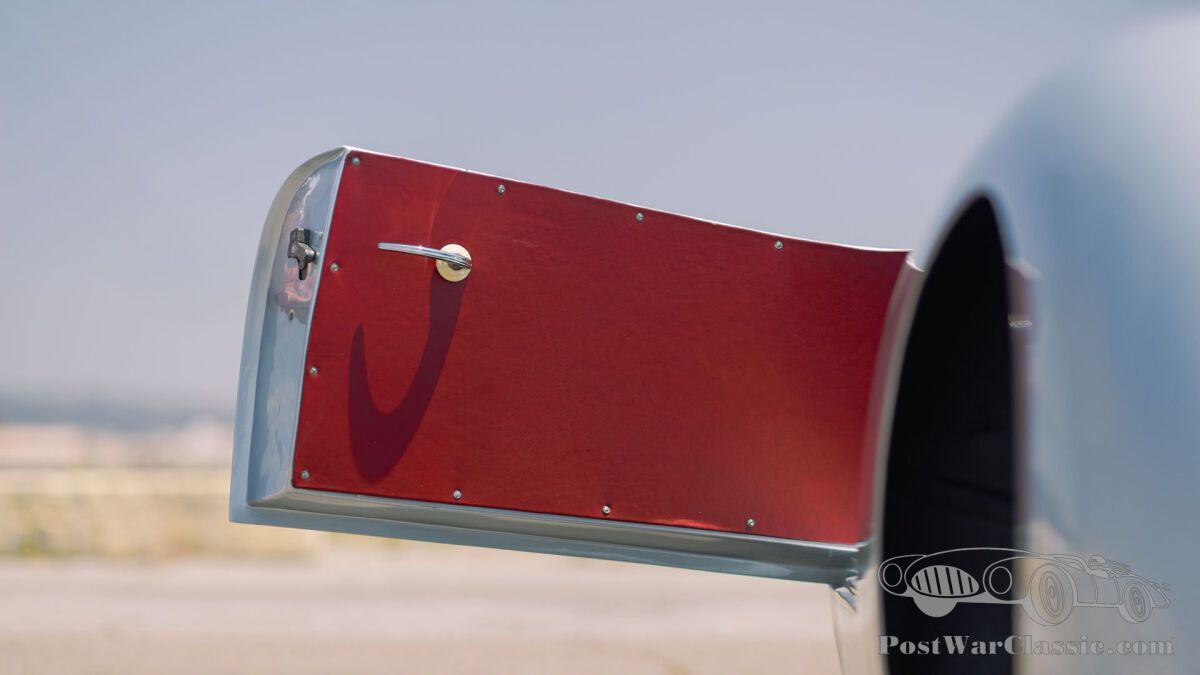
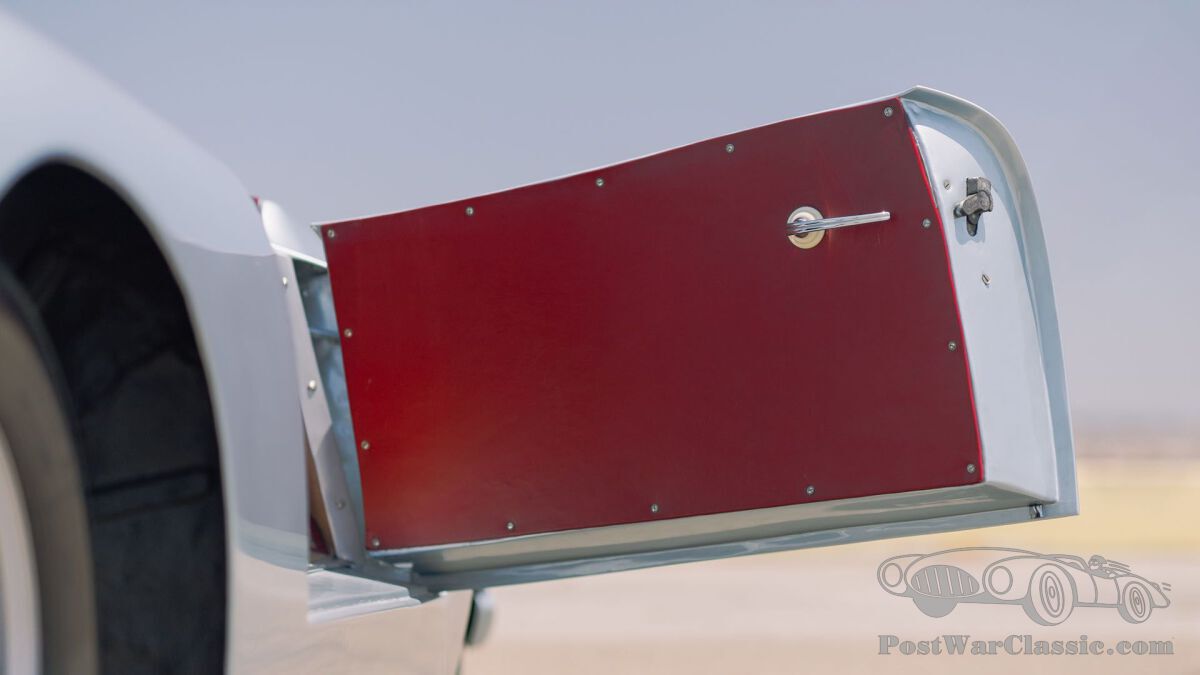
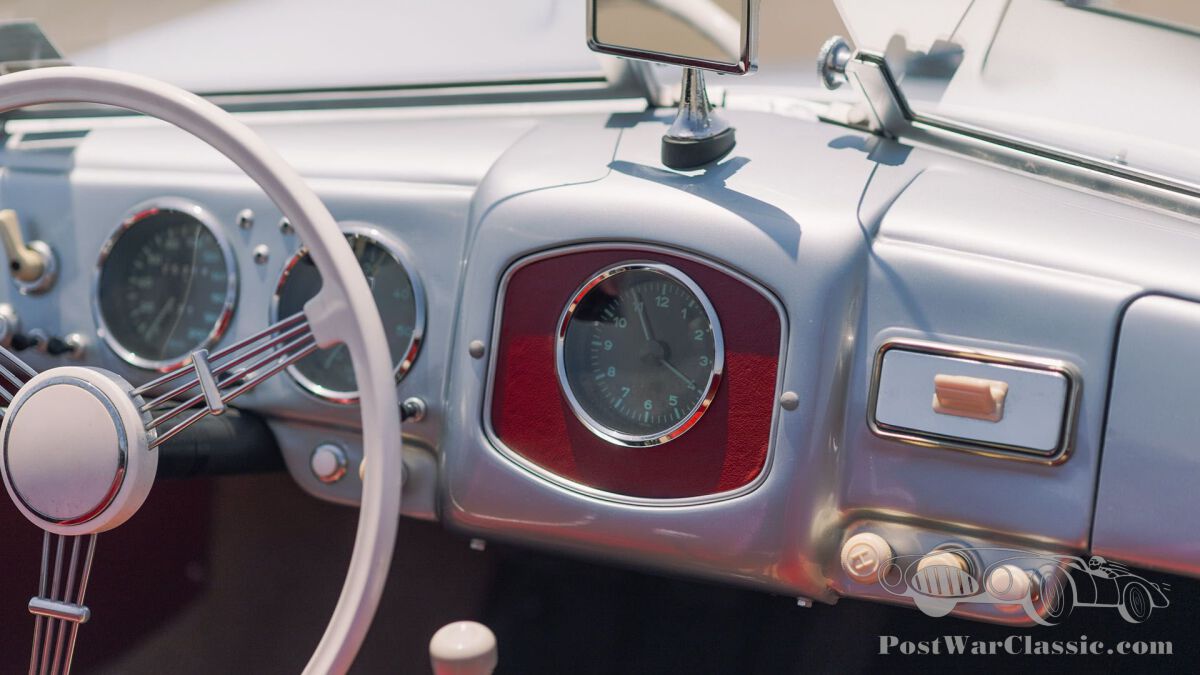
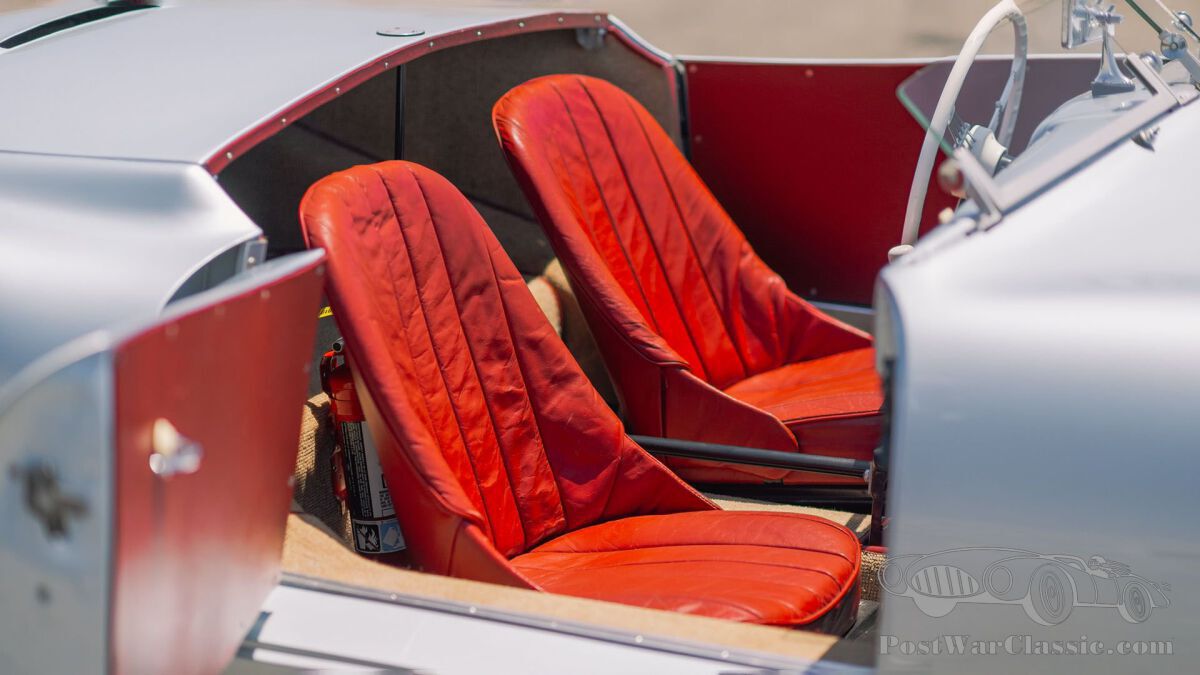
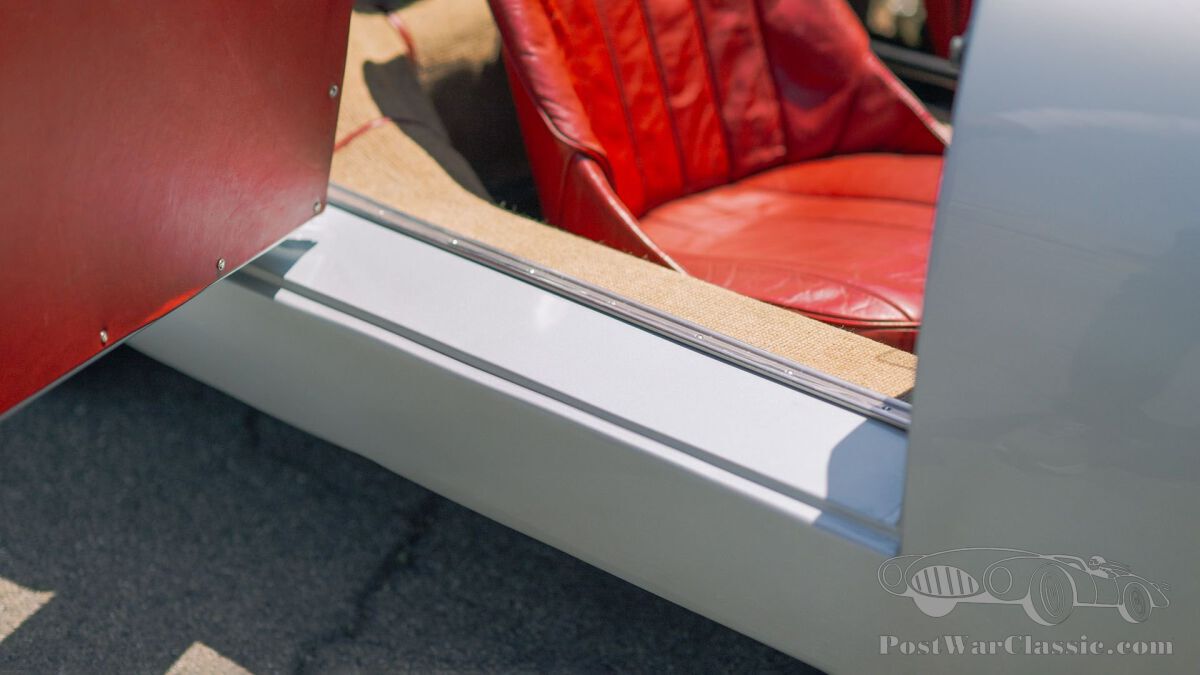
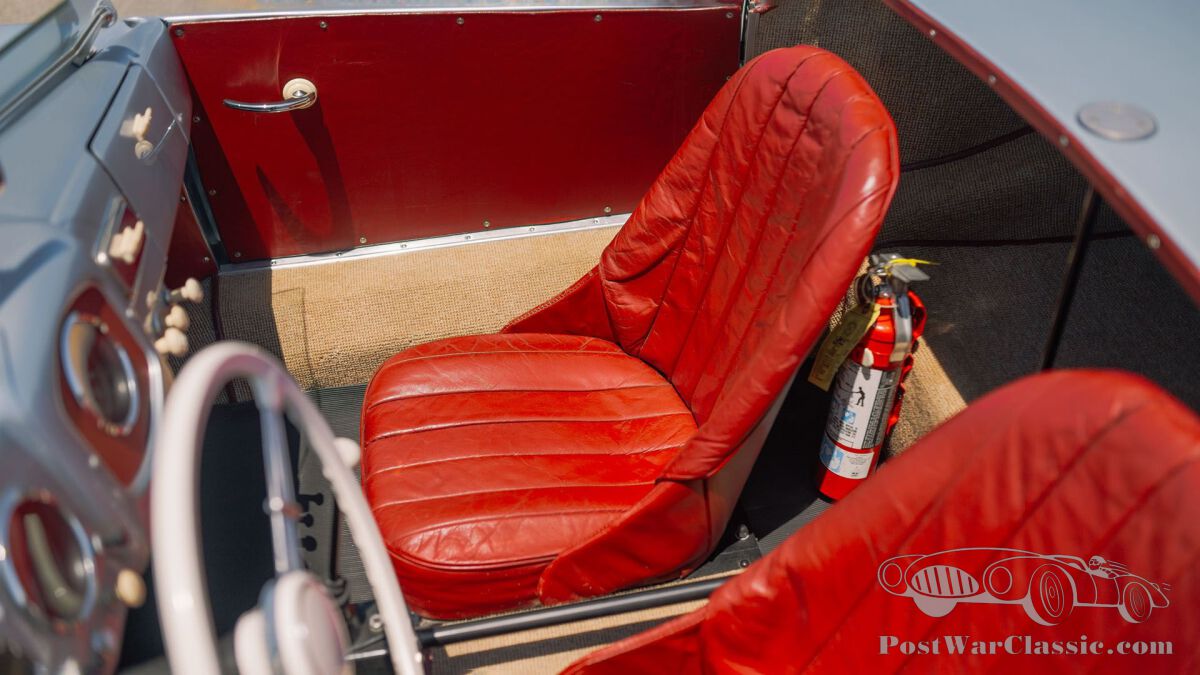
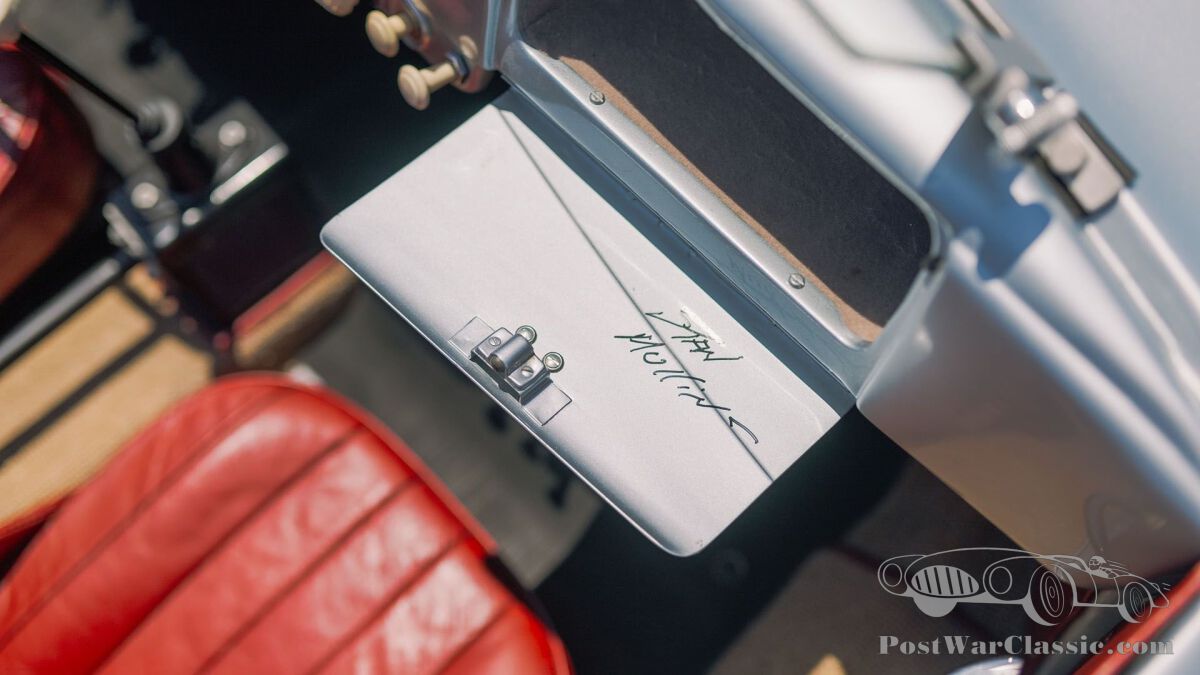
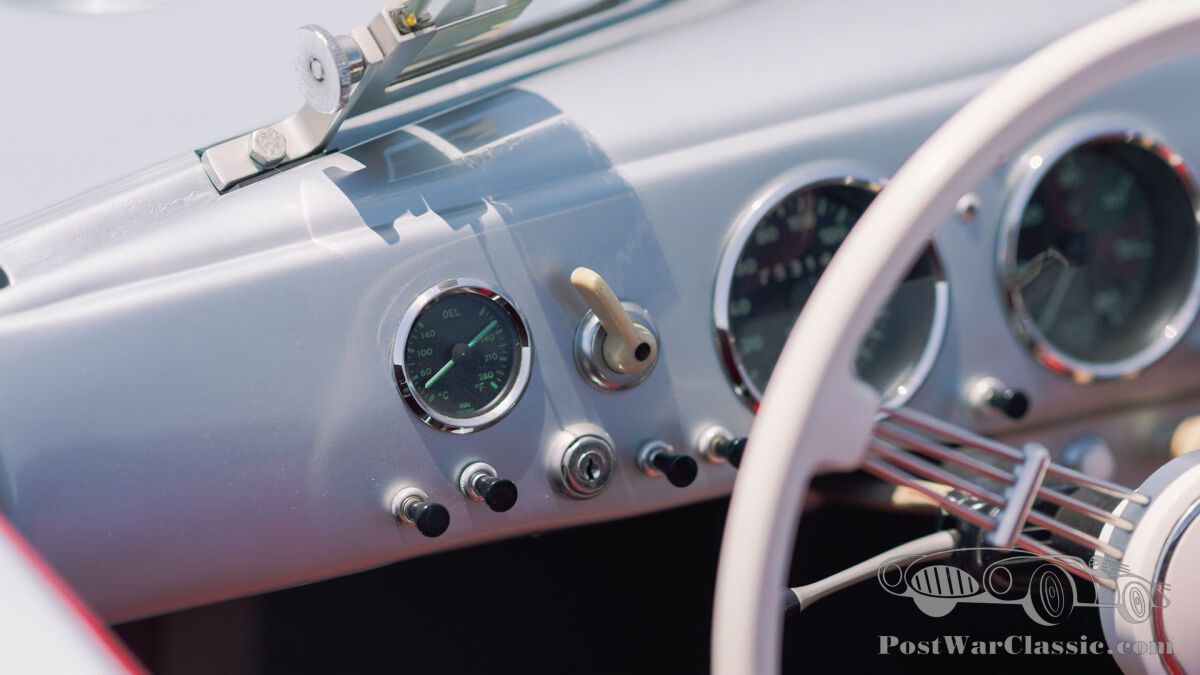
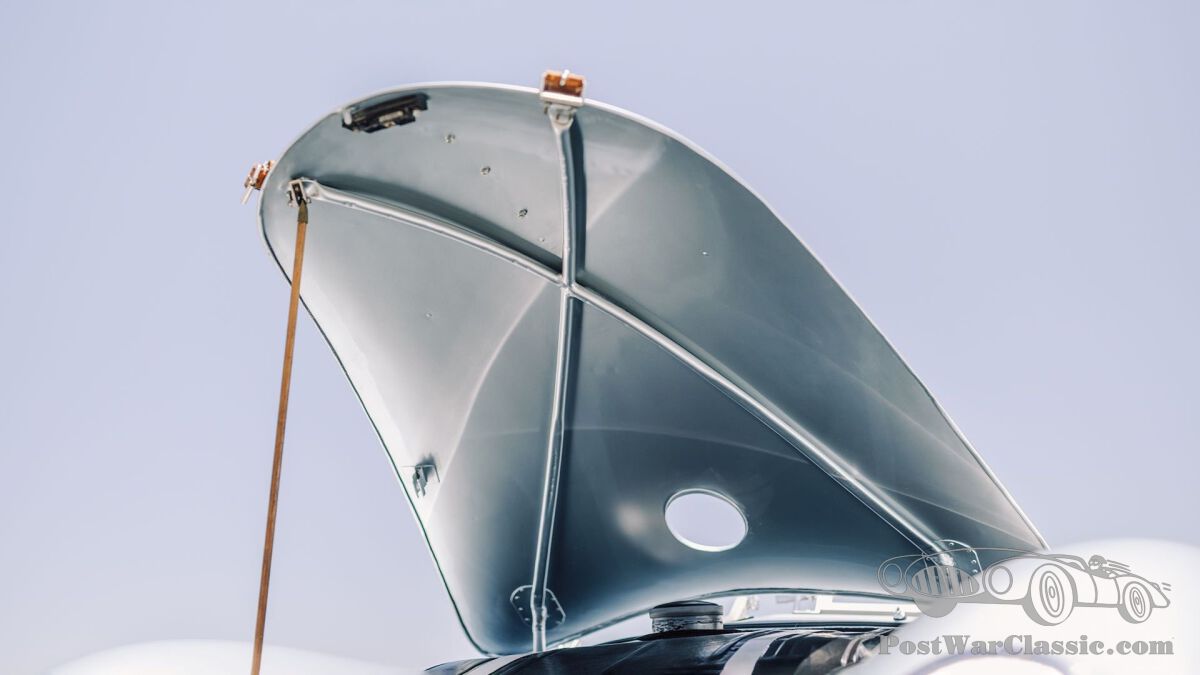
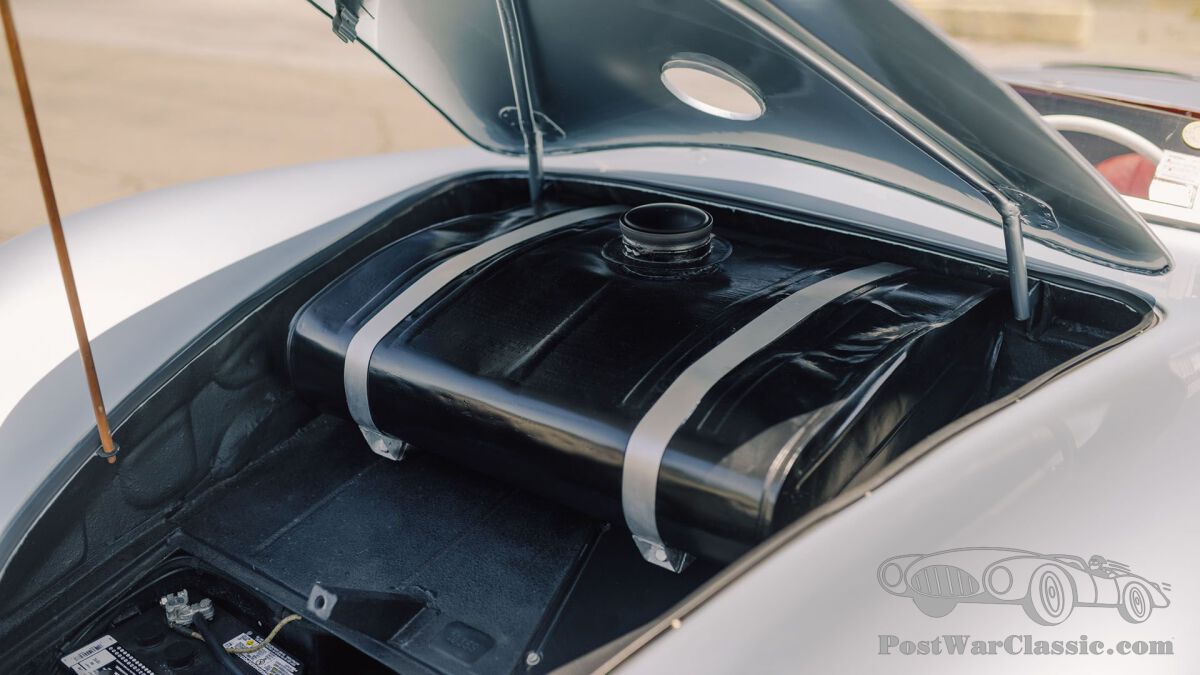
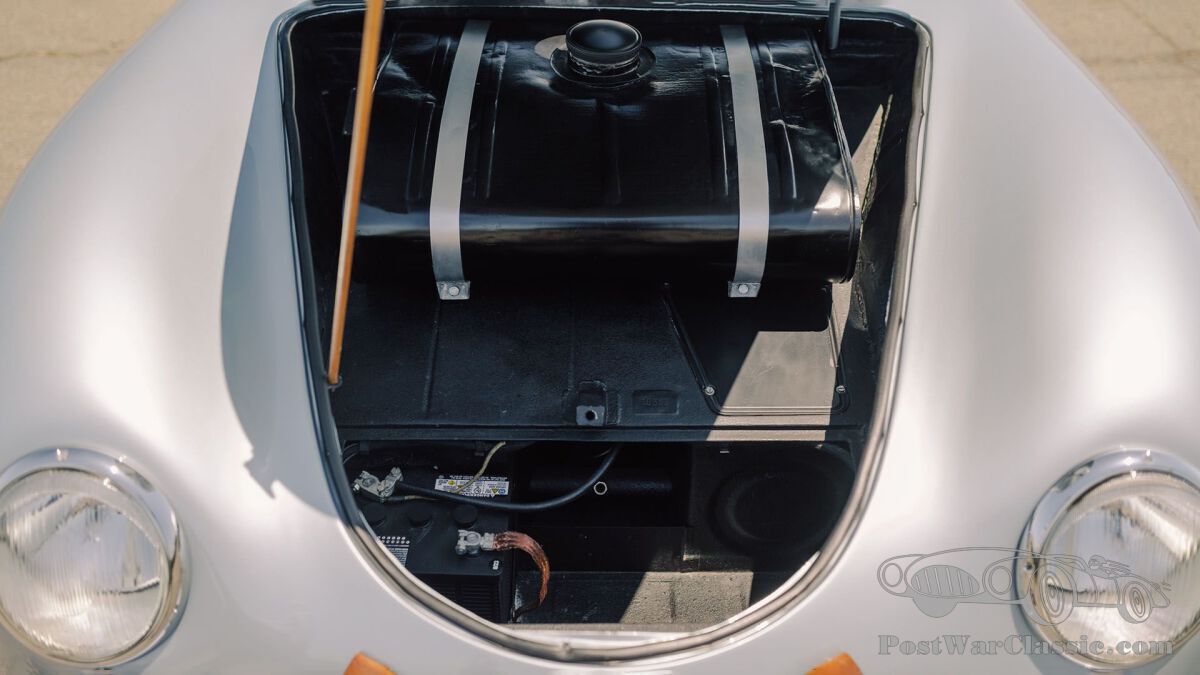
Porsche Speedster Typ 540 notes that Klenk "created many unusual parts for the car, which made its design unique... factory mechanics then assembled the car." In fact, the book further notes that Porsche's own Wagenpapiern factory production book records chassis number 10359 as "Sauter Special-Sportw." Klenk's body integrated hand-crafted rear-hinged "suicide" doors at Sauter's request to assist with a quick exit by a co-driver at rally checkpoints. Additional modifications included a bolt-in aerodynamic rear deck covering the two rear seats, leather front hood straps, and, according to Christophorus, special "spring wheels which at the time were constructed by Engineer Manziel."
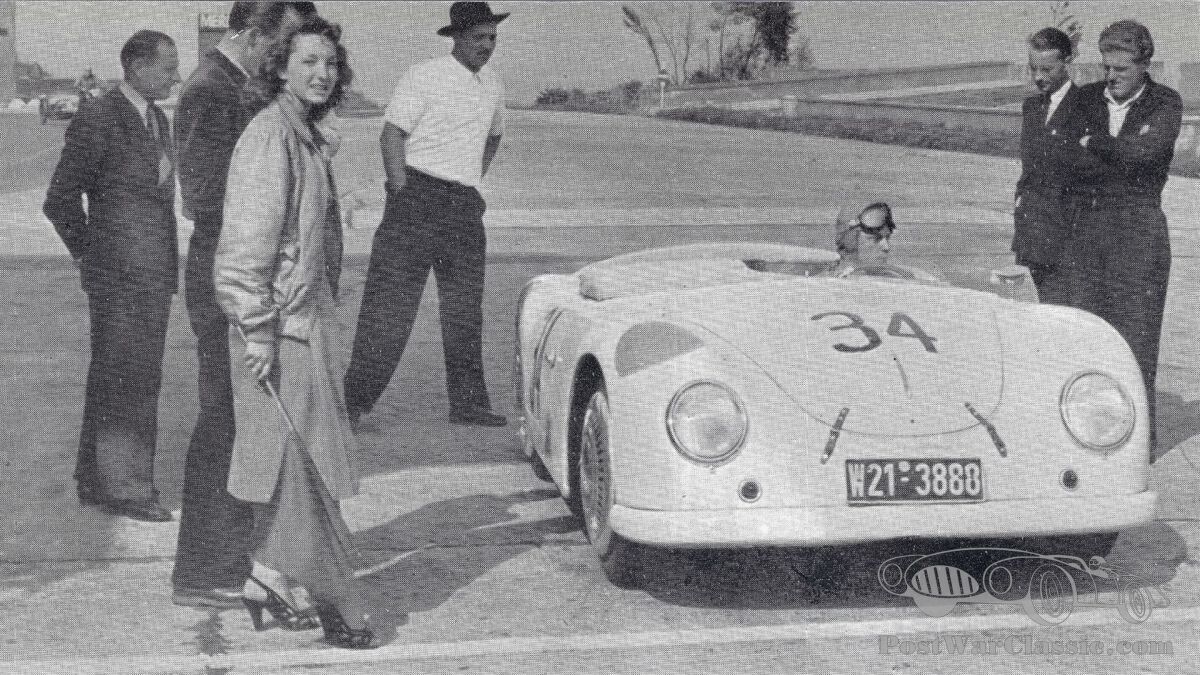
Finished in Germany's national racing color of white and adorned with W 21-3388 number plates, the low-slung Zuffenhausen-completed Roadster was first tested at the Nürburgring. Klenk's resulting design may have been influenced by Erwin Komenda's earliest Aluminum Sport Roadster (America Roadster) concept of October 1950, or it may reflect Klenk's own bodywork expertise that would later echo in the lightweight production cars finalized in 1951; regardless of chronology, the resemblance is striking.
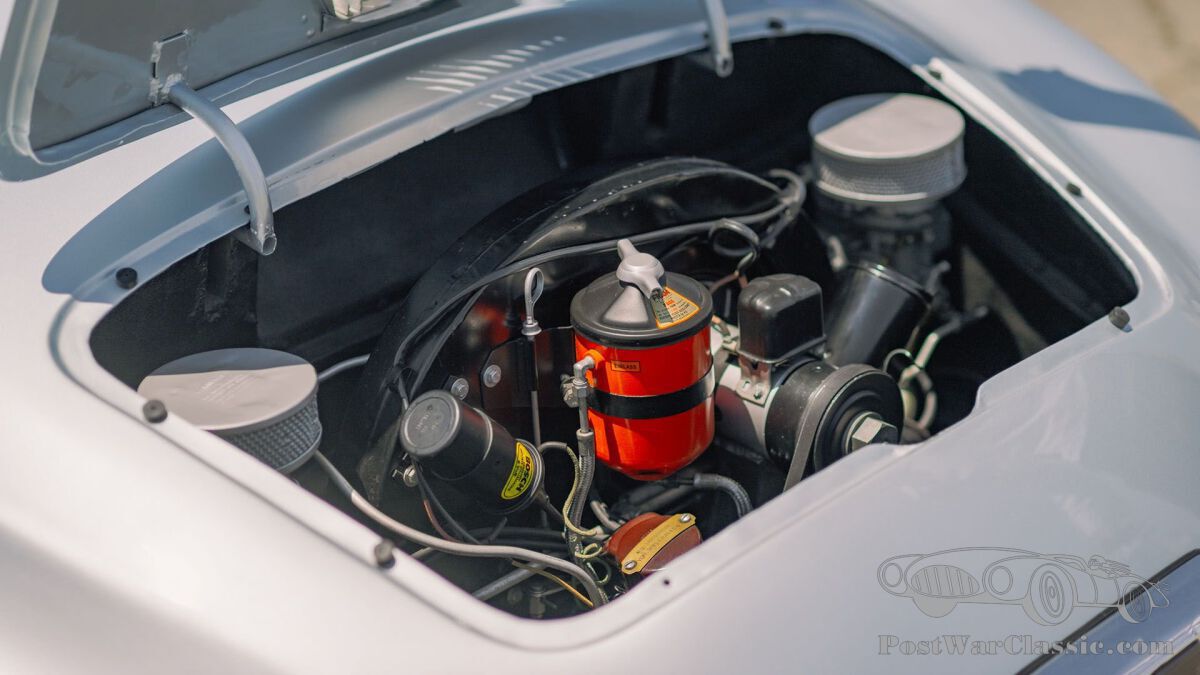
Under the rear engine lid lay an enlarged displacement 1,500-cc flat-four, the first such large displacement engine ever fitted to a 356 and the largest engine fitted to a 356 until the 1,600-cc Type 616/1 debuted in 1956. Porsche's factory magazine notes in 1960 that "at the time the 1500 Porsche didn't exist at all, officially." In attendance for the maiden shakedown at the Nürburgring was racer, founder of Christophorus, and a member of Porsche royalty, Richard von Frankenberg. It was clear that the factory had great interest in the success of Sauter's 356 Sportwagen.
The Porsche 356 Sportwagen's first competitive outing came on 3 June 1951 during the second round of the German Sports Championship at the Nürburgring. Entered as start number 34 among a field of Ferrari 166 MM Touring Barchettas, BMWs, Veritas, and Porsches, Christophorus records that Sauter "made the 2nd best time in training, got away to a very good start in the actual race and appeared leading the field at the end of the first lap..." The Roadster's auspicious start would unfortunately end on the second lap with engine trouble. Sauter also entered Hillclimb Freiburg-Schauinsland (start number 38 and now AW 21-0733), the third round of the championship, finishing 9th in the 1.5-liter class. Full of competitive spirit, Sauter and his co-driver Alfred Rath then entered the Porsche as number 19 in Liège-Rome-Liège, a 3,000-mile rally ten days later, with period reports simply stating that "the car did not arrive at the finish." Sauter later recalled that a blown tire and the car's ambitious suspension system prematurely ended their race.
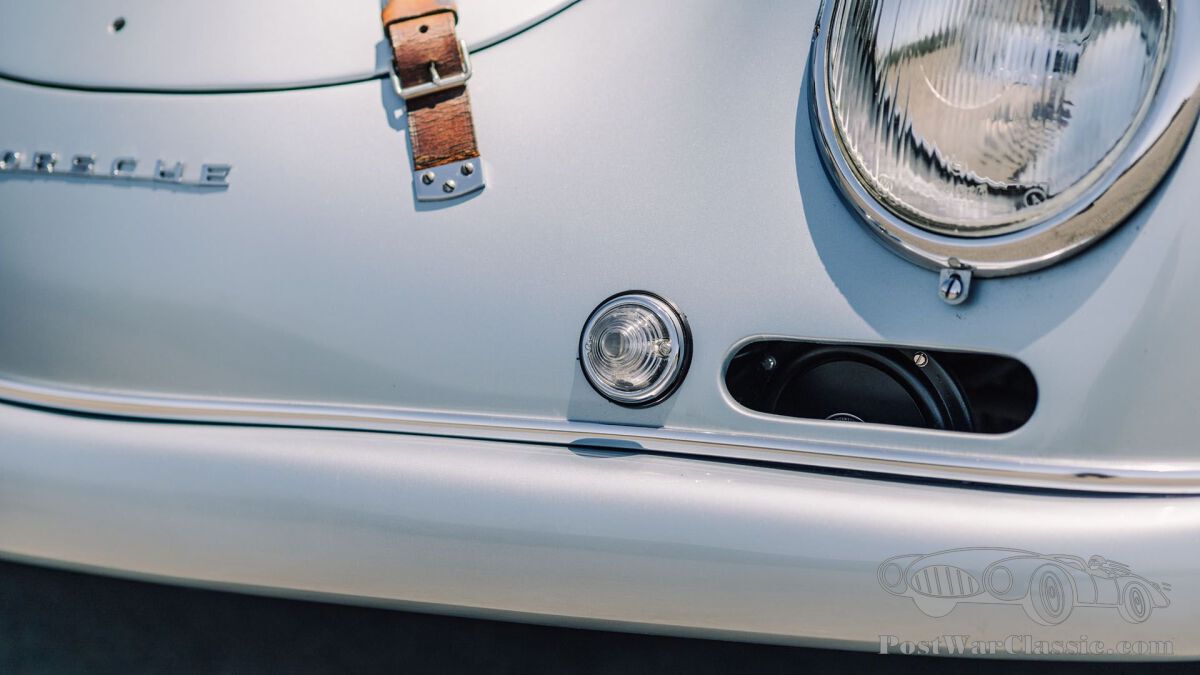
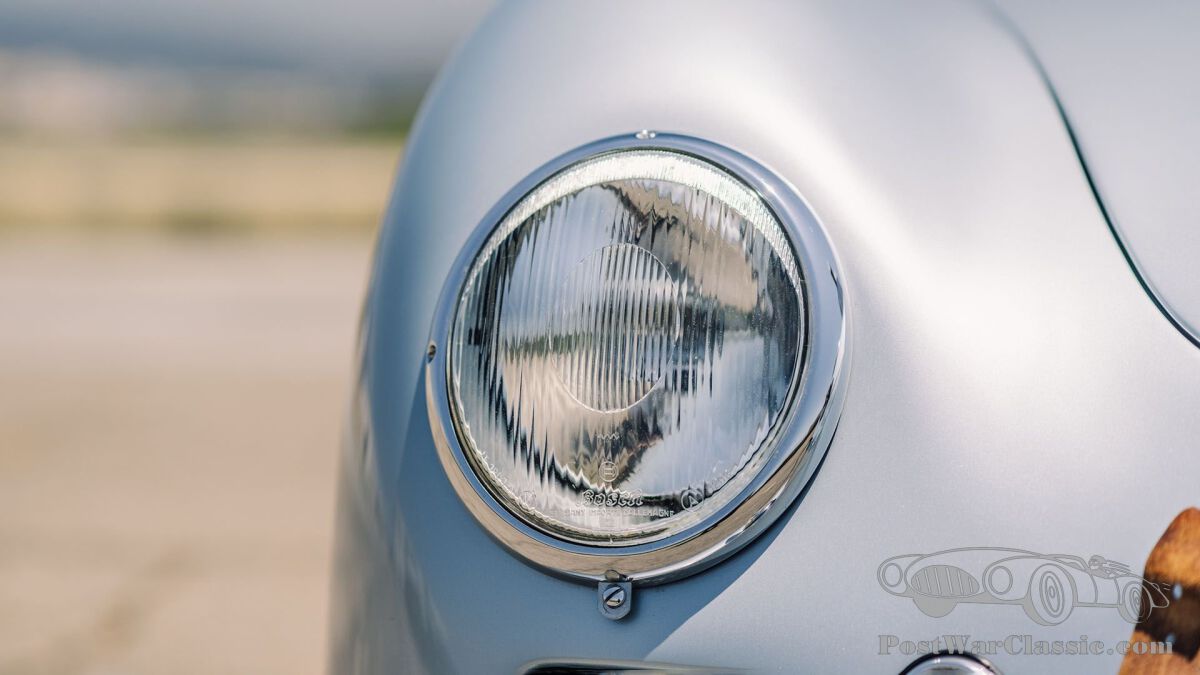
After this rally, Sauter parted ways with his namesake Roadster with Christophorus noting he "sold it to French sports driver François Picard." Yet interestingly, the 356's Kardex warranty card identifies Picard as the first owner, indicating that Porsche reacquired the car directly from Heinrich Sauter. In a 1986 interview with Sauter about the Roadster, he recounted "No, I think Picard bought it from Porsche, Porsche wanted the car, so I gave it to them." Furthermore, Karl Ludvigsen notes in Excellence was Expected, "Nevertheless the factory took an interest in this one-off Porsche which was further modified with front-brake cooling scoops under its head-lights and fitted with an authentic works 1.5-liter Type 528 engine." Randy Leffingwell recounts in Porsche Legends that "the car was bought by the Porsche factory and was used as a kind of development mule for a short time." Images of the car corroborate the modifications completed between Sauter's ownership and the end of Picard's ownership that would prove quite fruitful on circuit for the Frenchman.
"Le petit tank"
While no warranty date is listed on the Kardex, Picard, who was based in Nice, is said to have acquired the Roadster, now fitted with a Type 527 1,500-cc engine (serial number 30244) in time to contest a number of important races on the 1952 French racing calendar. To make the car his own, Christophorus notes that "Picard had it painted blue-in the French national racing colors-and named it 'le petit tank'..." Numerous images in the history file from Picard's season with the car show it now registered on W 23-3237 number plates, believed by Sauter to be Porsche factory supplied. Picard's time with the Sauter Sportwagen was prolific and successful.
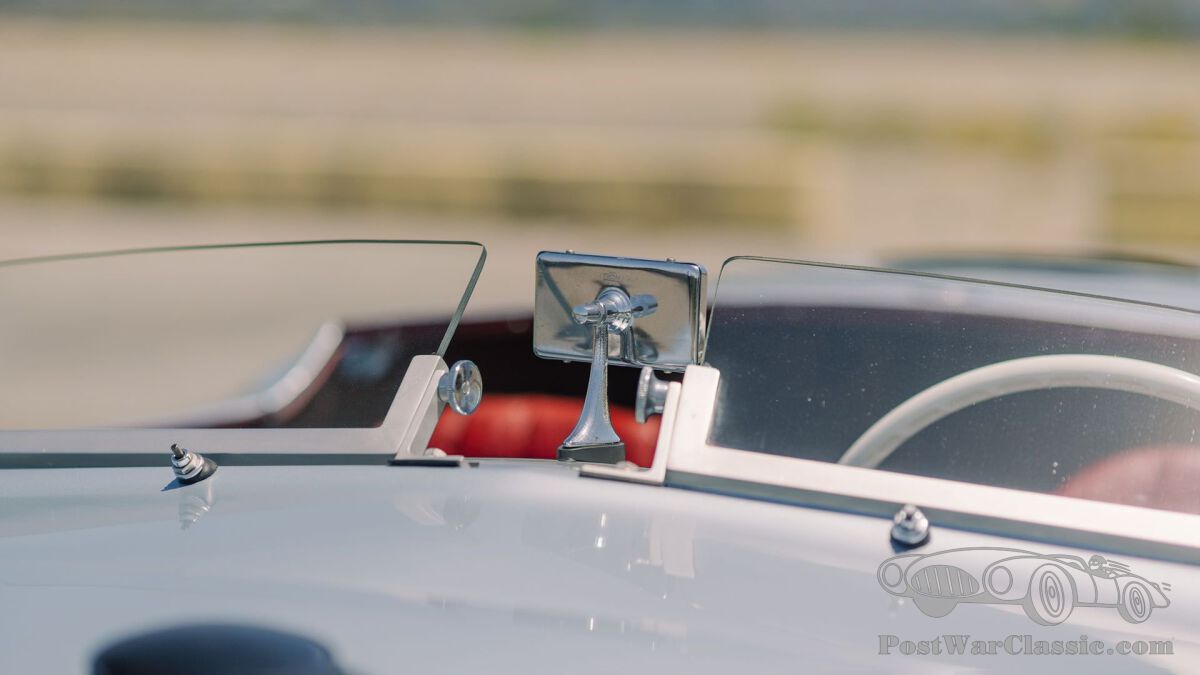
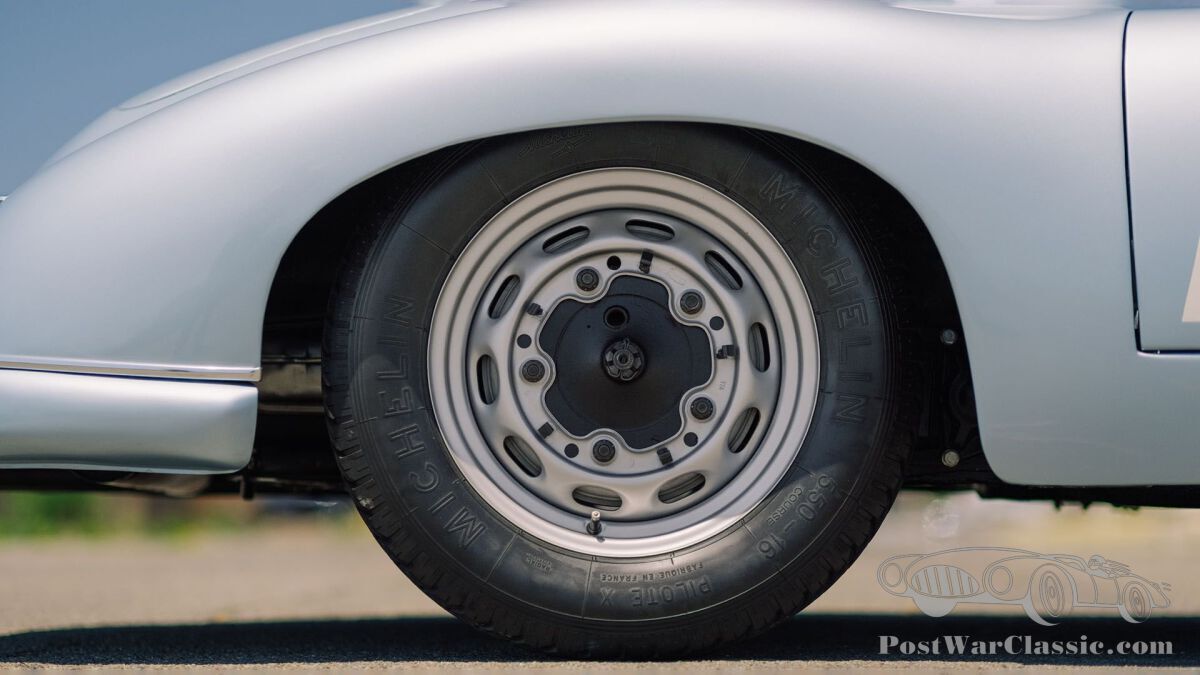
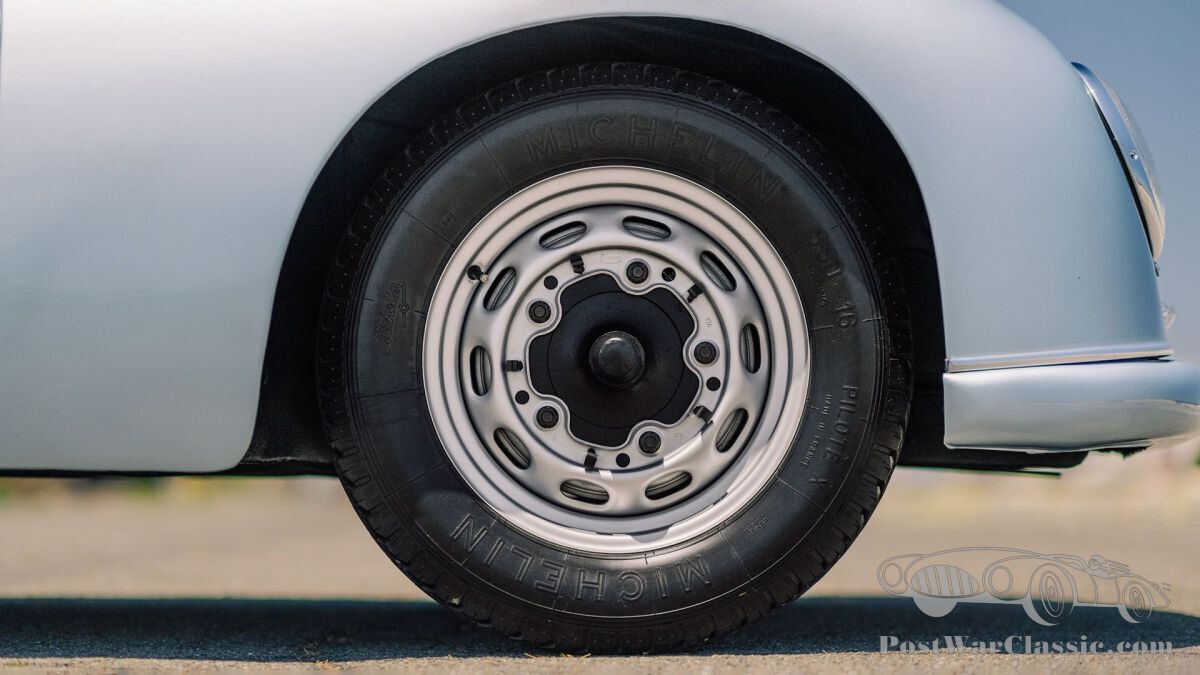
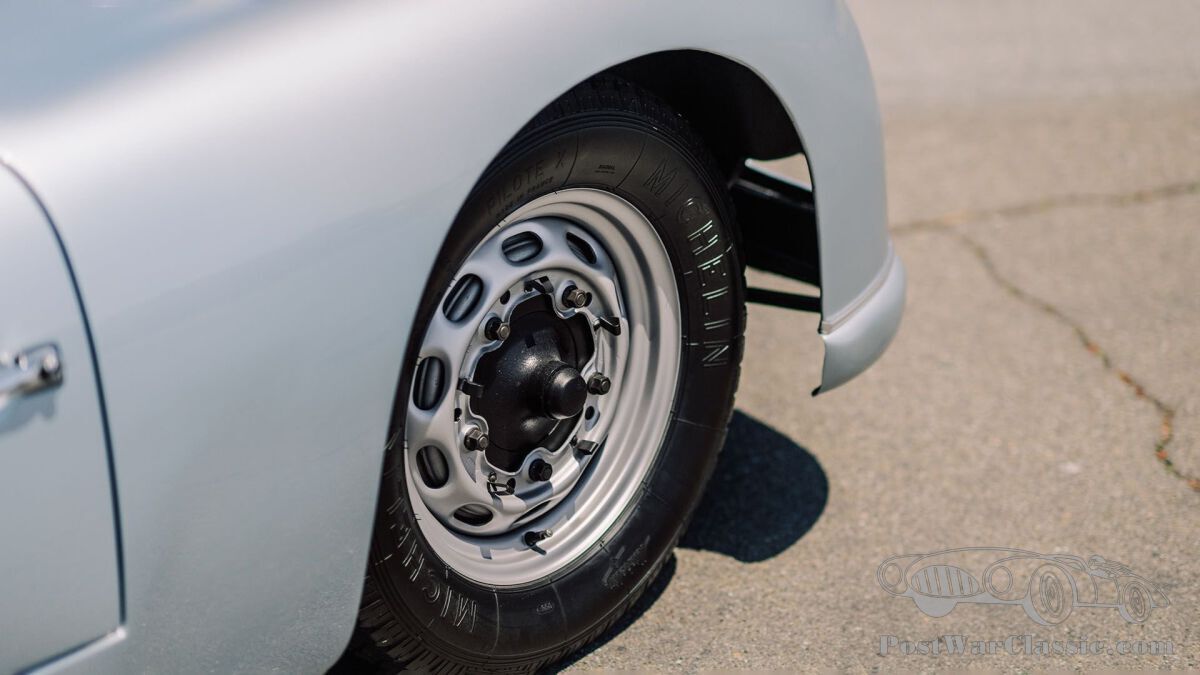
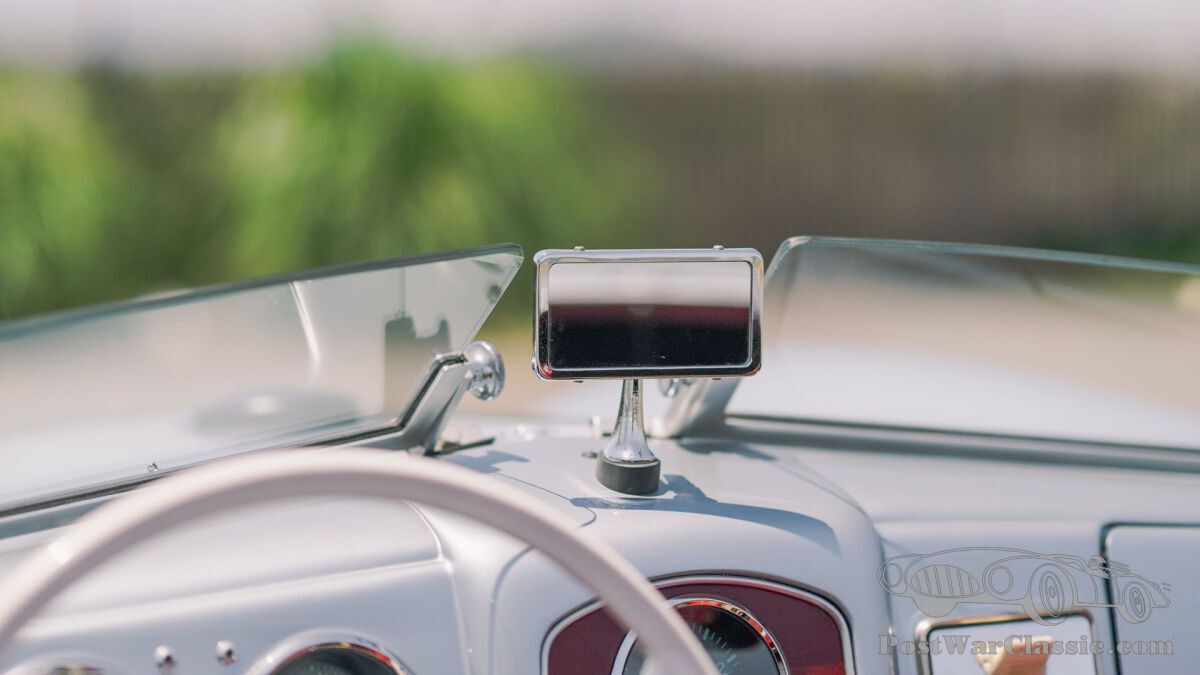
After starting the season in his trusty 356 Coupe, it is likely that Picard entered and won his class with his new Roadster at the Val de Cuech hillclimb in April. His "le petit tank" now fitted with a larger windshield and typical Porsche wheels, was first photographed at the Rallye Maroc (Marrakech) with start number 60 where he finished second overall. After a non-appearance at the Coupe de Printemps in Montlhéry, Picard and the Sportwagen raced at the Circuit International de Vitesse in Bordeaux, winning the 1,500-cc Sportwagen class with start number 52 and setting fastest lap in the process. Both Picard's Marrakech 2nd place and Val de Cuech hillclimb and Bordeaux victories are enshrined on a very early Porsche racing poster, found in Jürgen Lewandowski and Carl Bauer's Porsche - Die Rennplakate commemorating Porsche's victories around the globe that year.
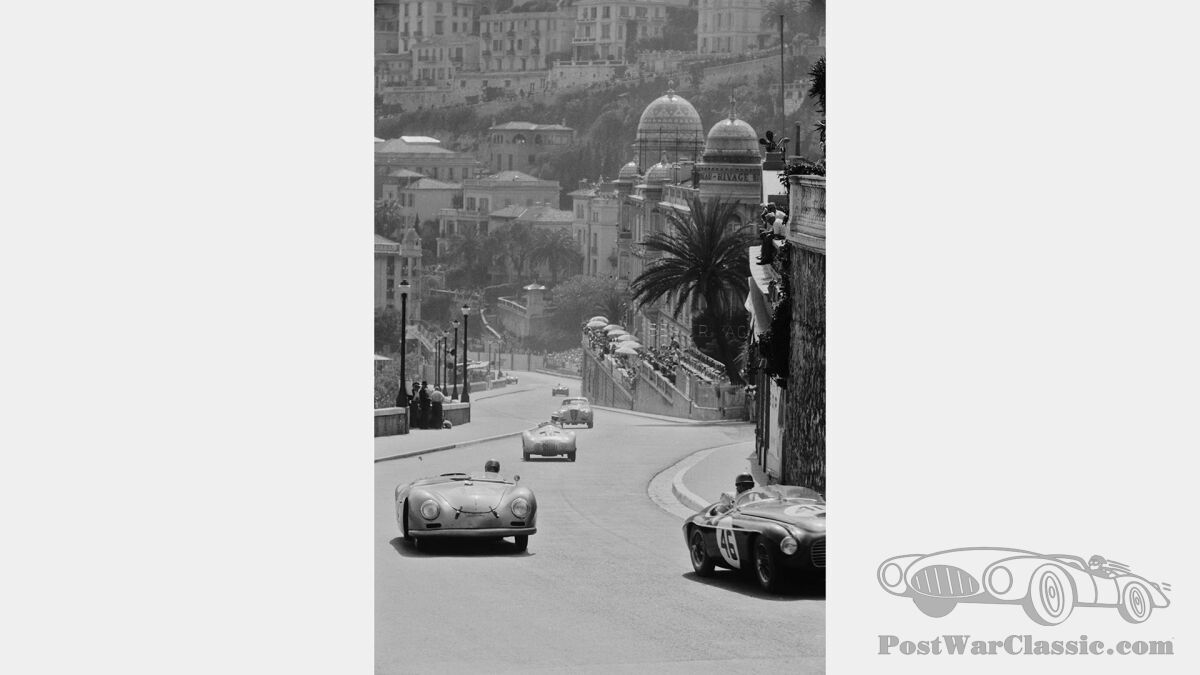
June brought Picard and the Porsche to the Circuit de Monaco with those involved in the race organization believing that a sports car race benefited the principality over a smaller Formula One grid. Photos on file show Picard and the 356 Sauter Roadster, with new brake cooling scoops added to the nose, battling Clemente Biondetti in his Ferrari 166 MM through Beau-Rivage in the under 2.0-liter 'Prix de Monte-Carlo' and in the pits that he shared with Stirling Moss and Eugenio Castellotti that weekend. While the Porsche failed to finish due to an axle issue, it may have been for the best given the famous shunt at Sainte-Dévote between Reg Parnell and Robert Manzon that weekend!
At the end of Picard's 1952 season, marked by class victories and international entries, the 356 Sportwagen Roadster was returned to Porsche. While under Porsche's ownership it appears that number 10359 took part in the now-famous activity of skijoring in Zell am See, Austria. It was also photographed in the Porsche factory yard in front of the Reutter building by a Mr. Countryman who, judging by a 356 Coupe in frame with beehive taillights, likely took the photos in the fall of 1952. The photos show the Roadster refreshed, without race numbers, and for all intents appearing very much like the short series of rare and highly collectible America Roadsters soon to be built by Porsche destined for the United States.
Racing in California
Nineteen fifty-three would see the Sportwagen Roadster race once again but this time in the United States. With Americans-especially Californians-warming to the idea of a return to sporting endeavors, nearly half of Porsche's annual output was sold to the US. During this period, several American visitors based in Germany or passing through Stuttgart made visits to the factory, and it was on one such occasion that the Sauter Porsche was seen by Jack Armstrong, who alerted his friend Stan Mullin that the factory would make the car available for purchase.
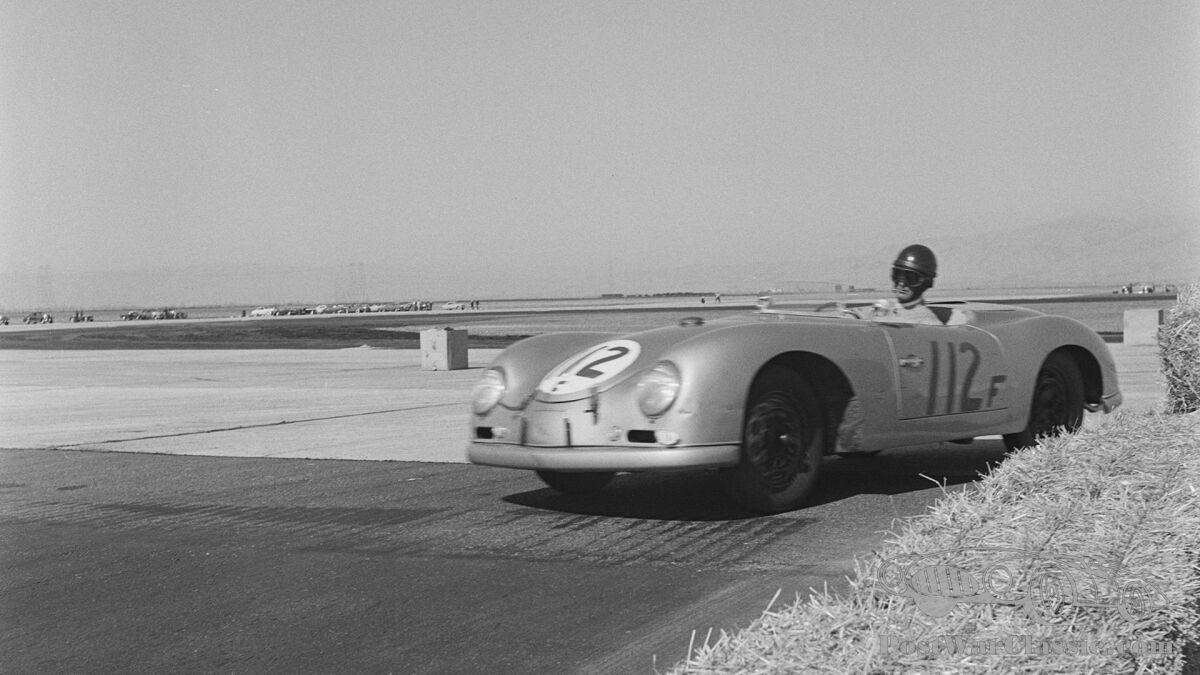
Once chassis number 10359 arrived in California, Mullin, an attorney and prominent figure in California sports car racing, pressed the car into action in seven races that year. Both Mullin and Armstrong, himself an Allard racer and Douglas Aircraft test pilot, would team up to race the Roadster, made easy to spot with its rear-hinged doors, in California SCCA races at Long Beach, Moffett Field, Santa Barbara, Bakersfield, March AFB, and once in Reno, Nevada. Mullin would recount just one final race with the car, entered as a "Porsche LeMans" in 1954 at the Pebble Beach Road Races that April as chronicled in Pebble Beach: A Matter of Style by Robert T. Devlin
Discovery and Restoration
Mullin listed his Sauter Porsche for sale in the July 1954 issue of Road & Track selling it over the phone to Shell Namour of Arkansas. Namour recalled that he never raced the car yet drove it all over the Southeast, and it joined a stable with an XK 120, a Siata, and others. Eventually the Porsche found a home sitting in his front yard until the mid-1960s.
The car was later acquired from Namour by Dave Clark from Greenville, Mississippi who, upon seeing a wanted ad for interesting inoperative foreign cars, sold the car to William Crabtree in 1971. Amazingly, the car became the focus of a dogged pursuit for Crabtree who wrote the Porsche factory numerous times throughout the 1970s, reconstructed the entire ownership chain of the car, and re-discovered the significance of the car's fascinating early history. Crabtree then listed the car for sale, selling it to Dr. Ray Knight of Jeffersonville, Indiana in 1982.
While Crabtree listed the car with an image of it from its racing days, according to Dr. Knight, the "once proud car was in dishearteningly rough shape." Yet, the doctor also conceded that "the unique parts of the skin were intact" and that "the car still had its original crashbox transmission, the original brakes..." concluding that had the car been anything other than the special Sauter Roadster, he would not have considered restoring it.
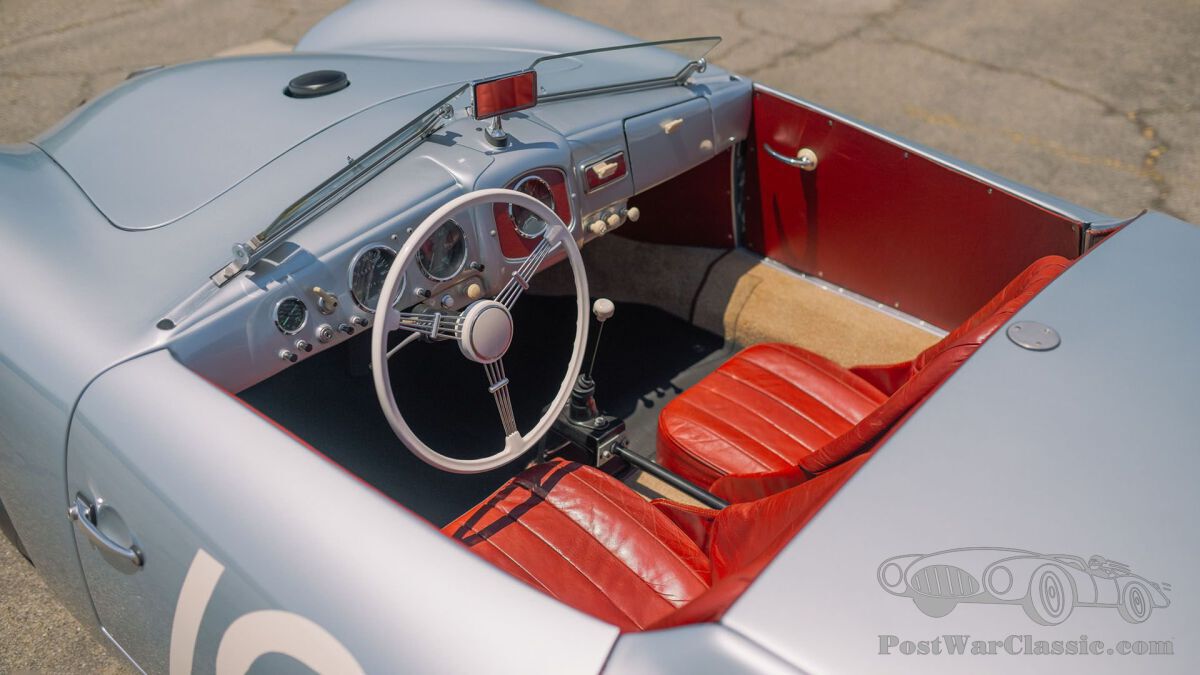
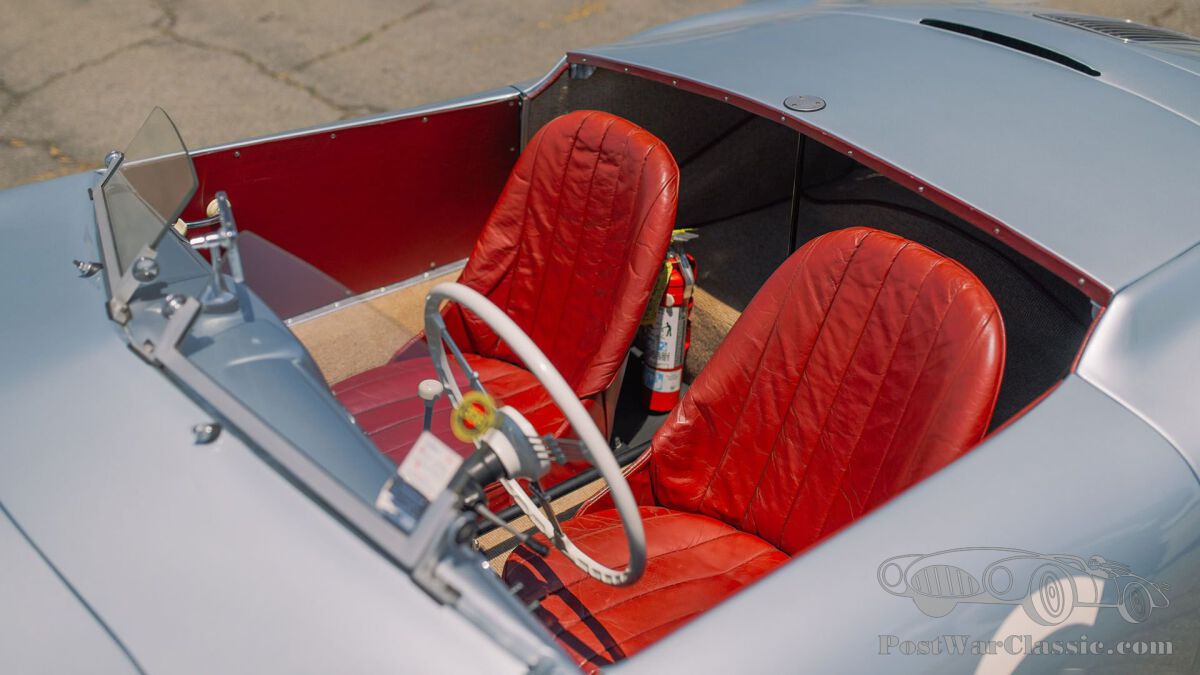
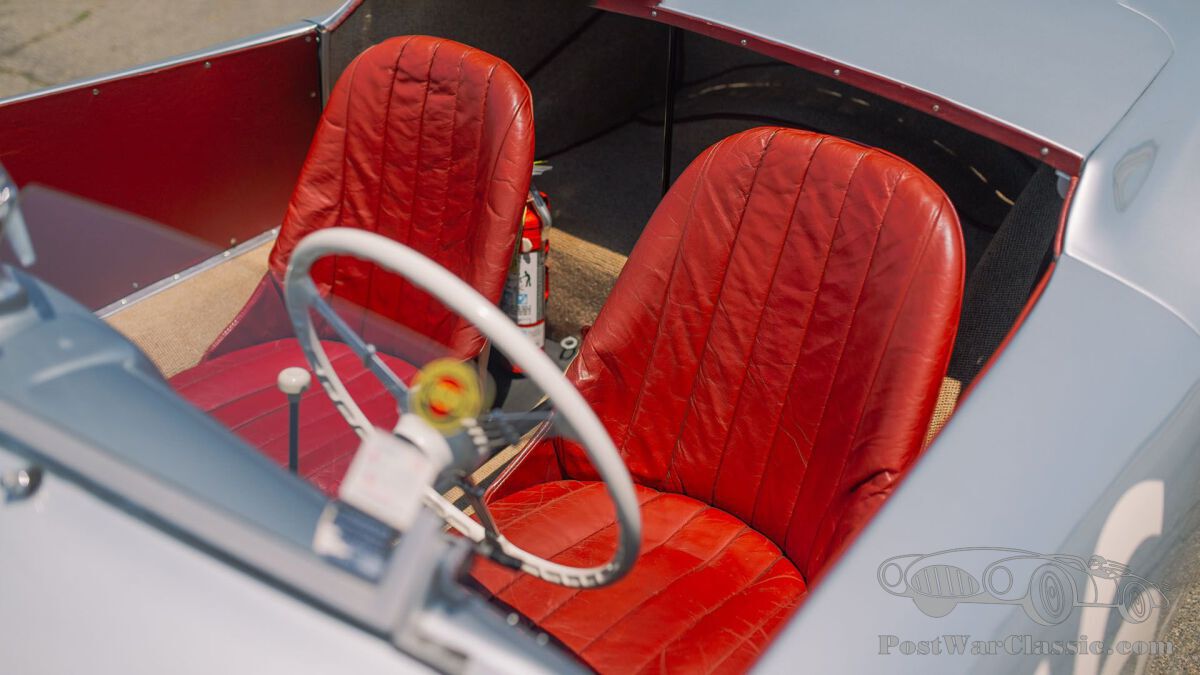
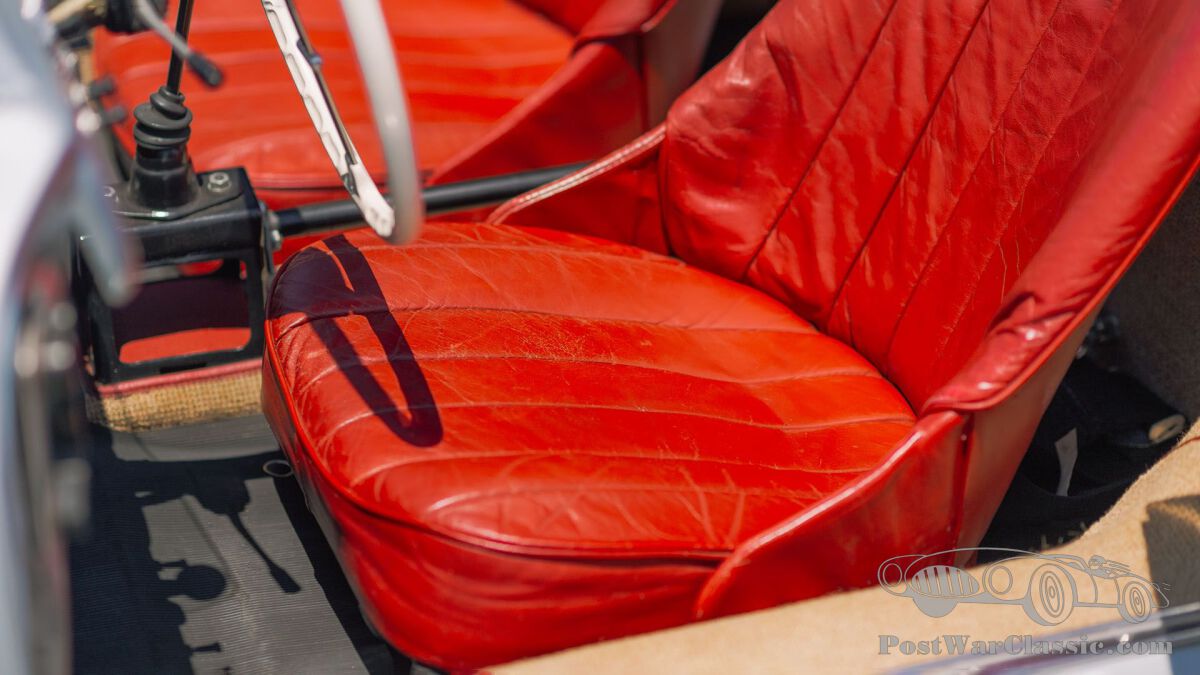
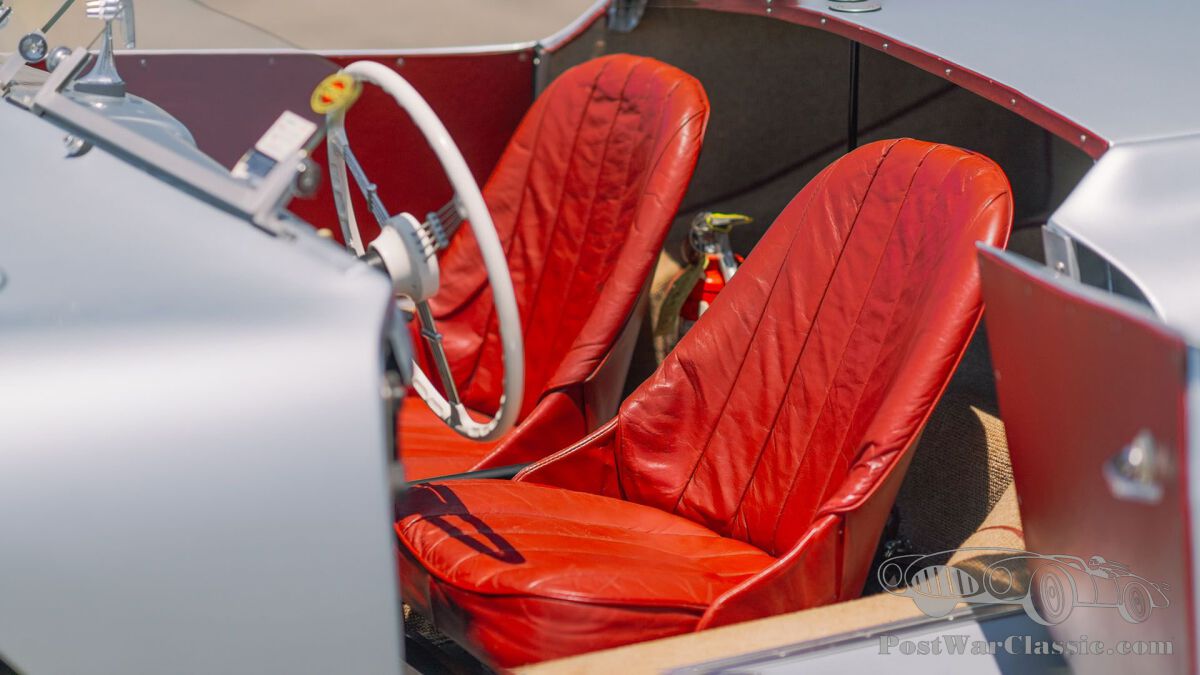
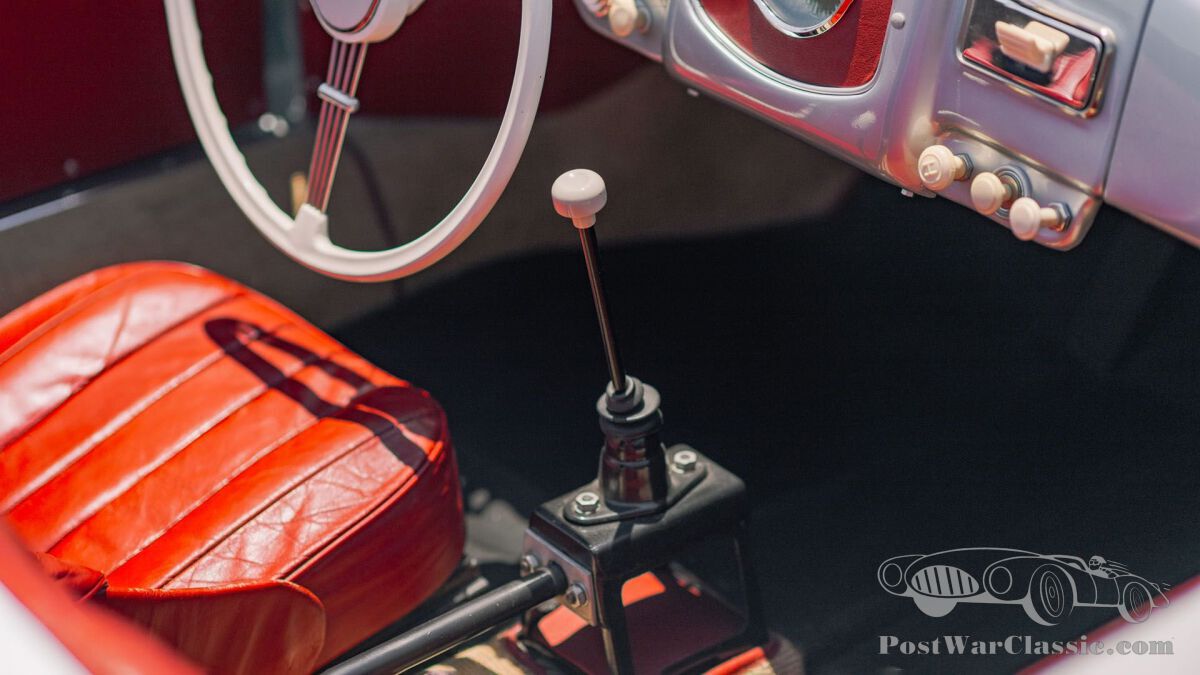
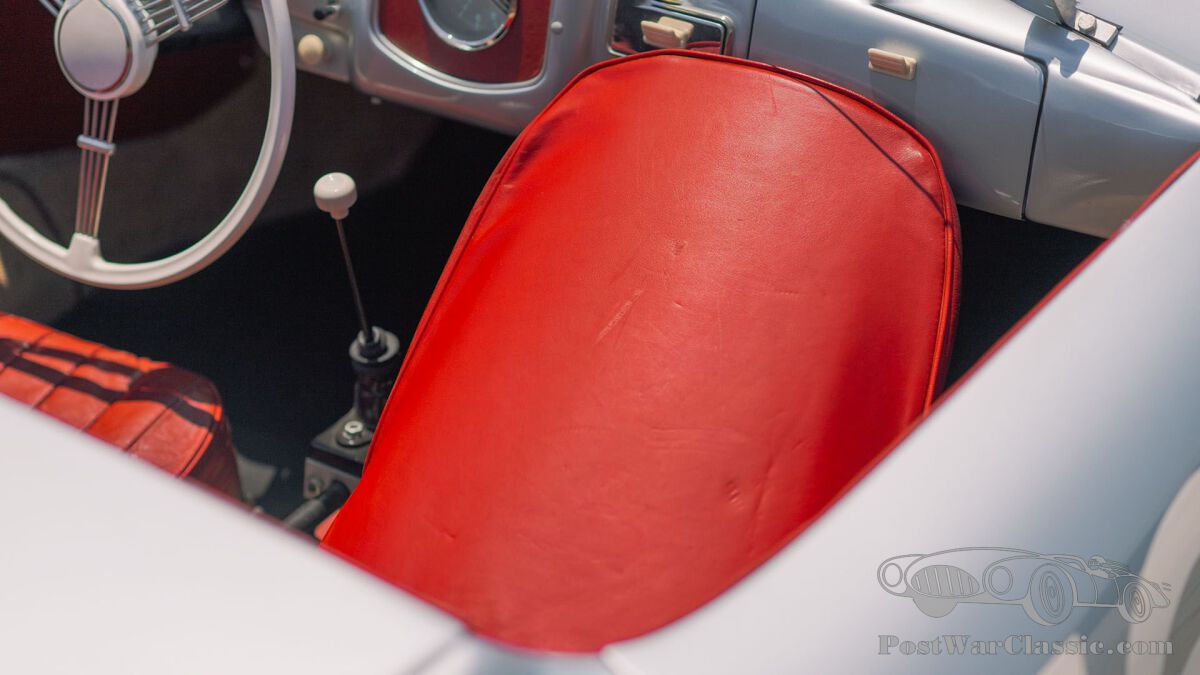
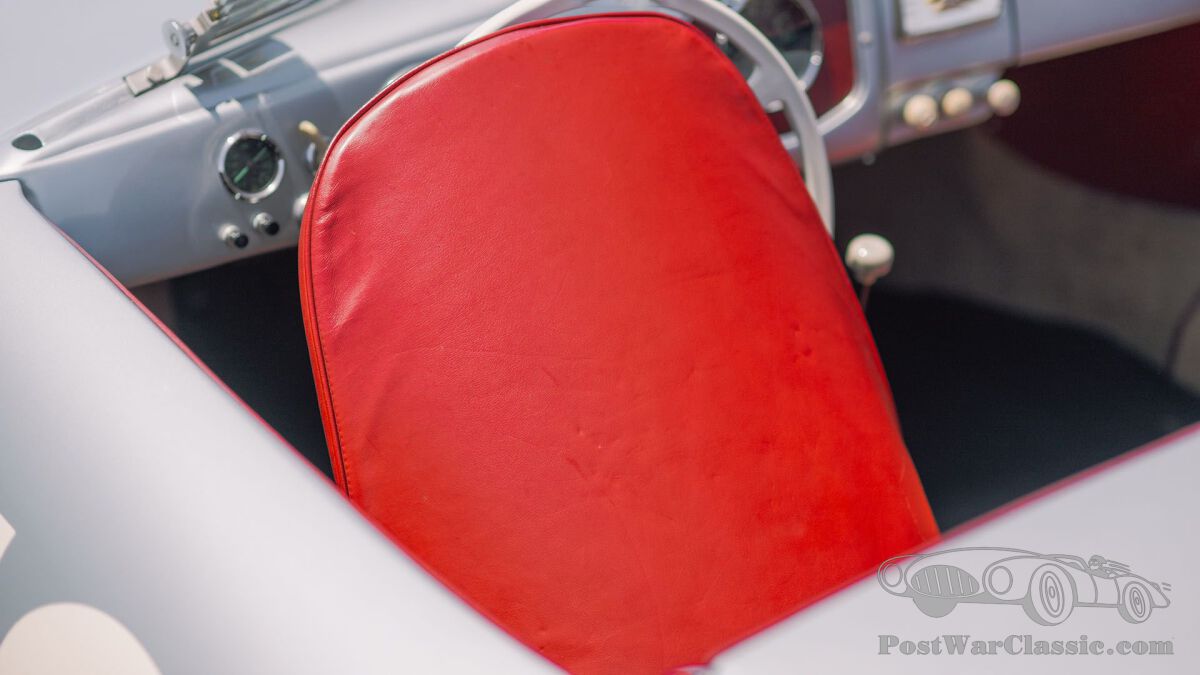
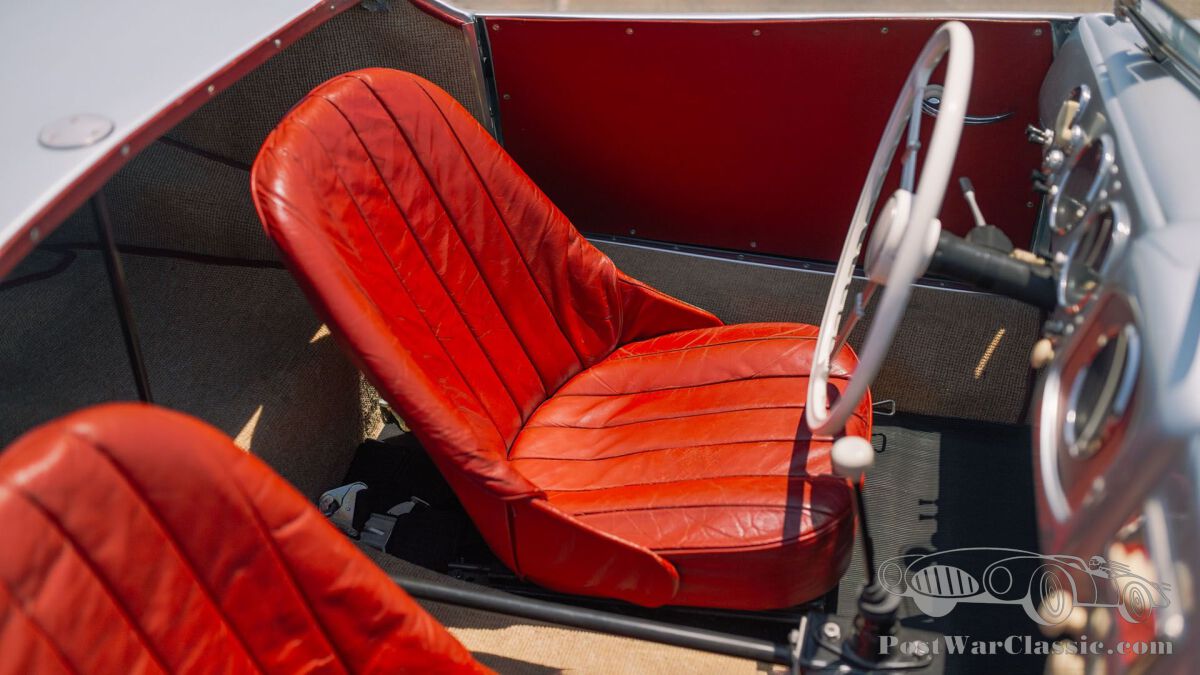
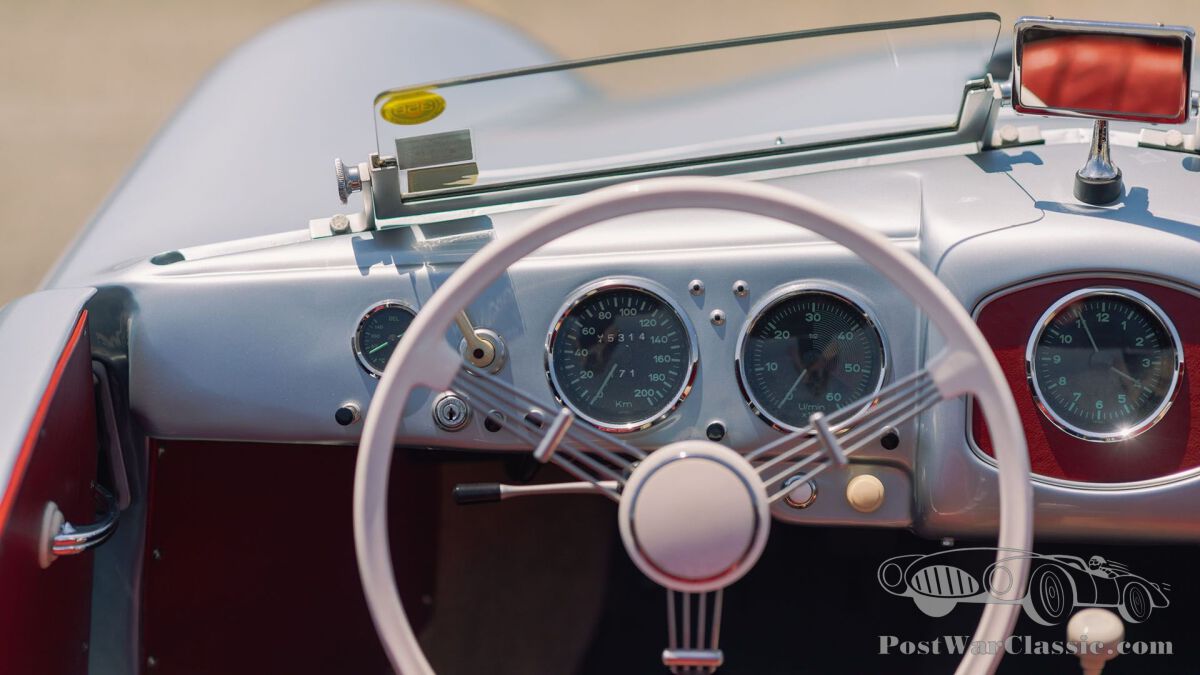
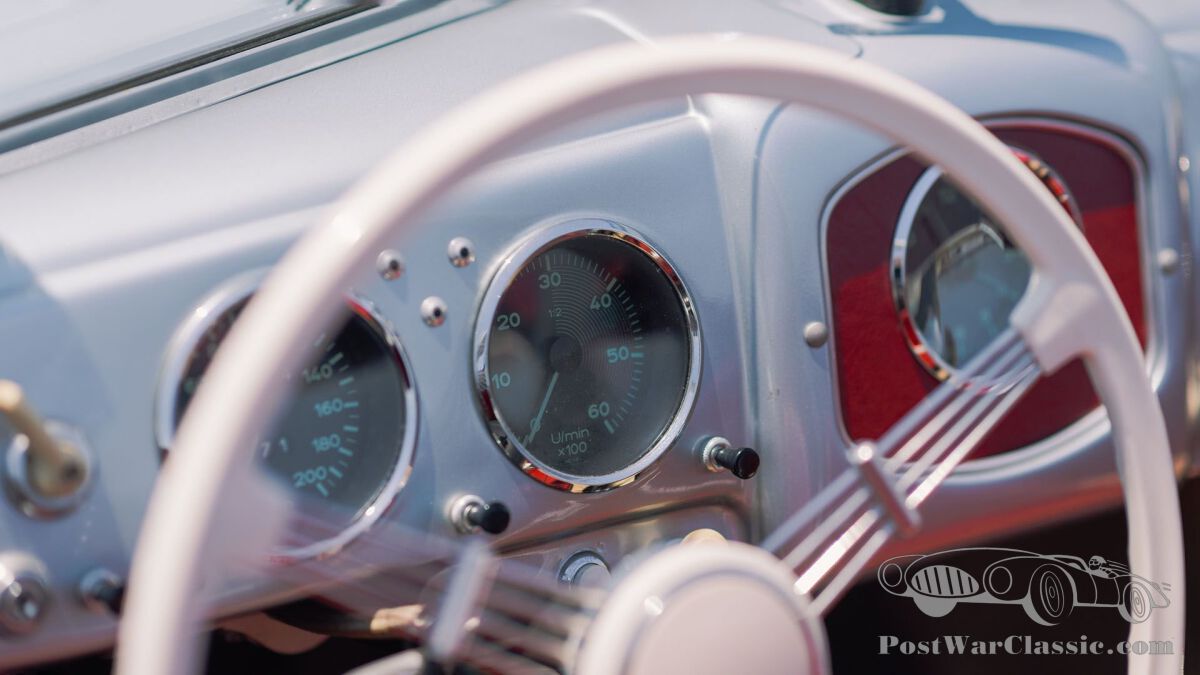
Over the next five years Dr. Knight, Ken Daugherty, and a number of other specialists assisted in the restoration of the Sportwagen Roadster. By analyzing old photos, its unique details emerged. A correct VW-based flat-four with a casting date of 11 April 1951 was sourced, seats recreated, and the paint was color-matched the color to a fragment peeled from the car, with Dr. Knight estimating that he had invested approximately 3,800 hours in the project. Like Crabtree, Dr. Knight thoroughly researched the car's origins, corresponding with the Porsche factory, conducting interviews with Heinrich Sauter and Hans Klenk, and remaining steadfast in his ambition to return the car as it had left Porsche in 1953 when it was sold to Stan Mullin.
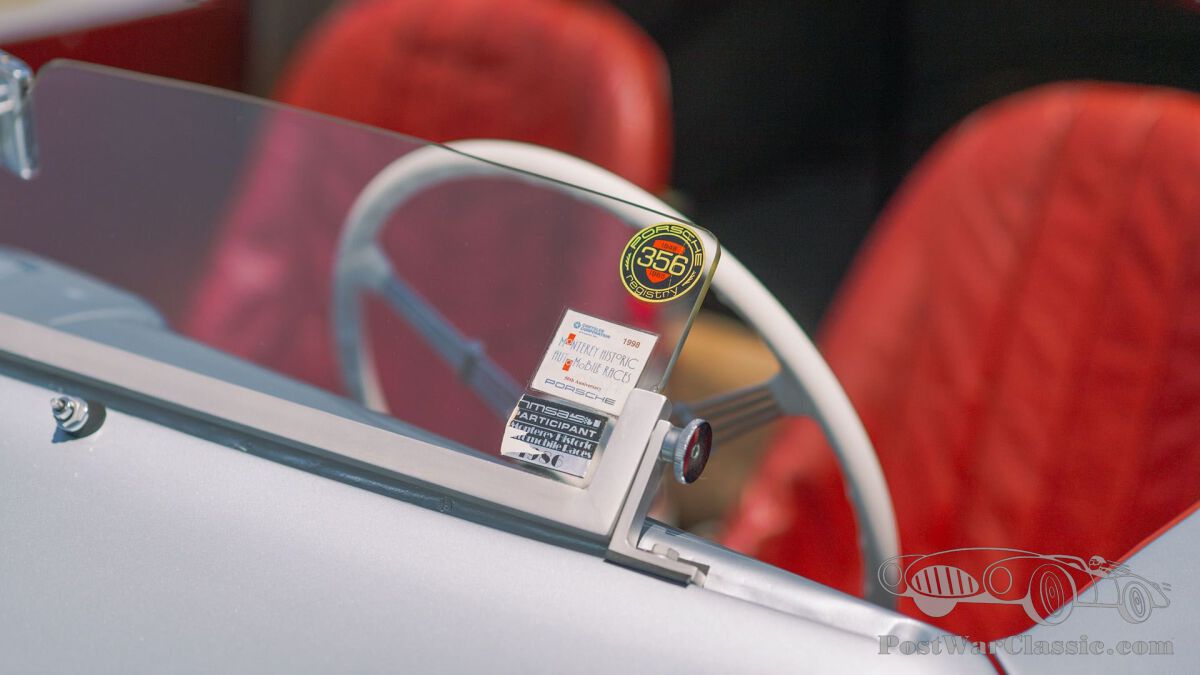
The restoration made its debut in Monterey during the 1986 Pebble Beach Car Week festivities, a fitting location to commemorate its final competitive outing in April 1954. In the years since its restoration, the car has seen time on the track and in high-level concours, most notably at the 1998 Pebble Beach Concours d'Elegance. It was a feature display at the Petersen Museum's "Porsche Effect" exhibit celebrating the 70th anniversary of the legendary sports car brand. Furthermore, the car, misunderstood for so long, has been celebrated at Porsche Club of America Parades and enjoyed by the thousands at Porsche's own Rennsport Reunion VI in 2018.
The Porsche-Sauter Sportwagen Roadster Today
In Porsche's own 'family tree' narrative, this car sits at an unusually important point of divergence-an early experimental sporting roadster from which two distinct branches would emerge. One would inform the America Roadster and, shortly thereafter, the 356 Speedster-defining Porsche's first lightweight, open-topped expression for the road. The other would feed directly into the company's early competition program, fully realized in the 550 Spyder and the formation of Porsche's earliest and purest racing identity.
For the collector or historic racer, this 356 Pre-A Sportwagen Roadster, chassis number 10359, offers a rare opportunity to steward-and actively campaign-one of the earliest, factory-engaged open-topped competition Porsches. Closely tied to the formative development of Porsche's most famous 1950s street cars, it also embodies the moment Porsche's racing identity first took shape. Returning to Monterey and Pebble Beach, where it once competed, it remains eligible for premier historic events worldwide, representing an irreproducible link to the company's earliest competition era.








 1972 BMW 3.0 CS | The Quail Auction 2026
 1992 Porsche 911 Carrera RS | The Quail Auction 2026
 1963 Rolls-Royce Silver Cloud III Saloon | The Quail Auction 2026
 1967 Chevrolet Camaro Z/28 Trans-Am ex-Alan Green Chevrolet | The Quail Auction 2026
 1987 Porsche 928 Clubsport Prototype ex-Jochen Mass | The Quail Auction 2026
 1957 Mercedes-Benz 300 SL Roadster | The Quail Auction 2026
 1991 Rolls-Royce Corniche III | The Quail Auction 2026
 1958 BMW Isetta 300 | The Quail Auction 2026
 Alfa Romeo Mk 7M Pinin Farina 1957
 1952 Aston Martin DB2 Coupé
 1955 Lancia Aurelia B24 Spider America
 1955 Fiat 600 PROMISCUO CARROZZERIA MONVISO