Het wereldwijde magazine en verkoopplatform voor liefhebbers van klassieke auto’s, door liefhebbers.
Het wereldwijde magazine en verkoopplatform voor liefhebbers van klassieke auto’s, door liefhebbers.


Filter



1966 Maserati Sebring
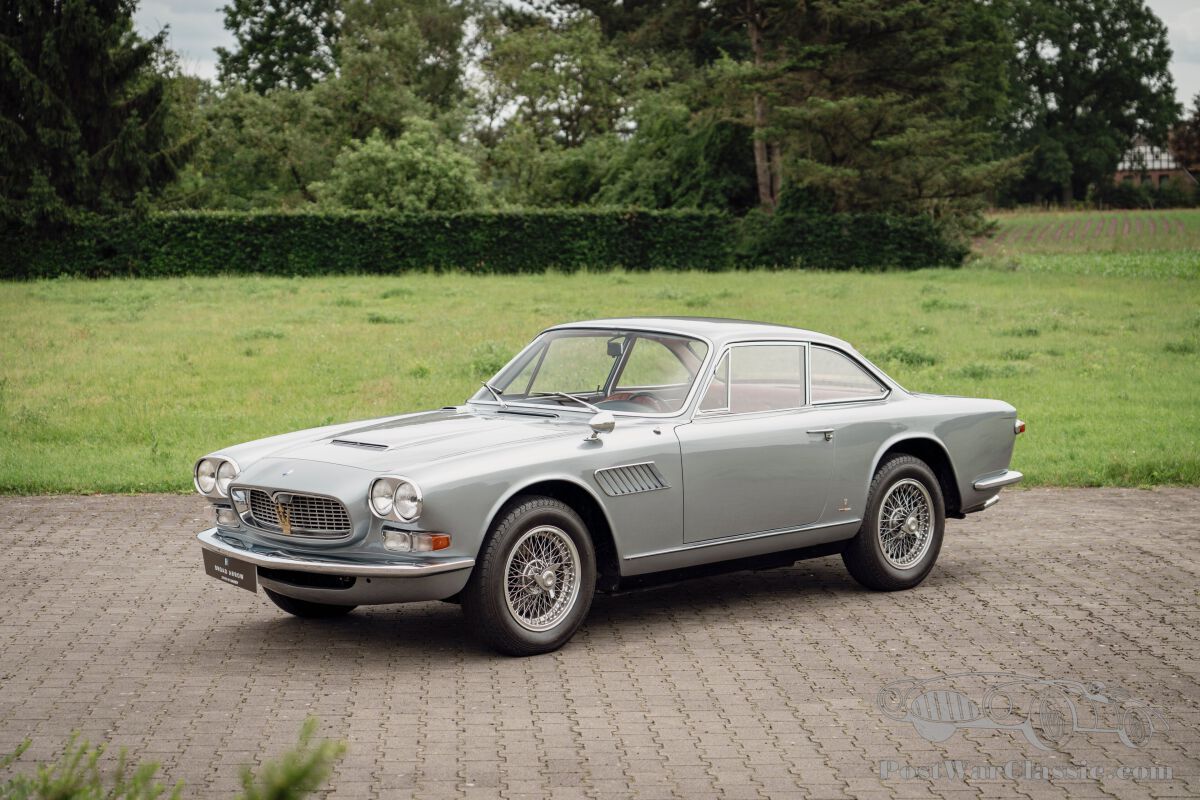
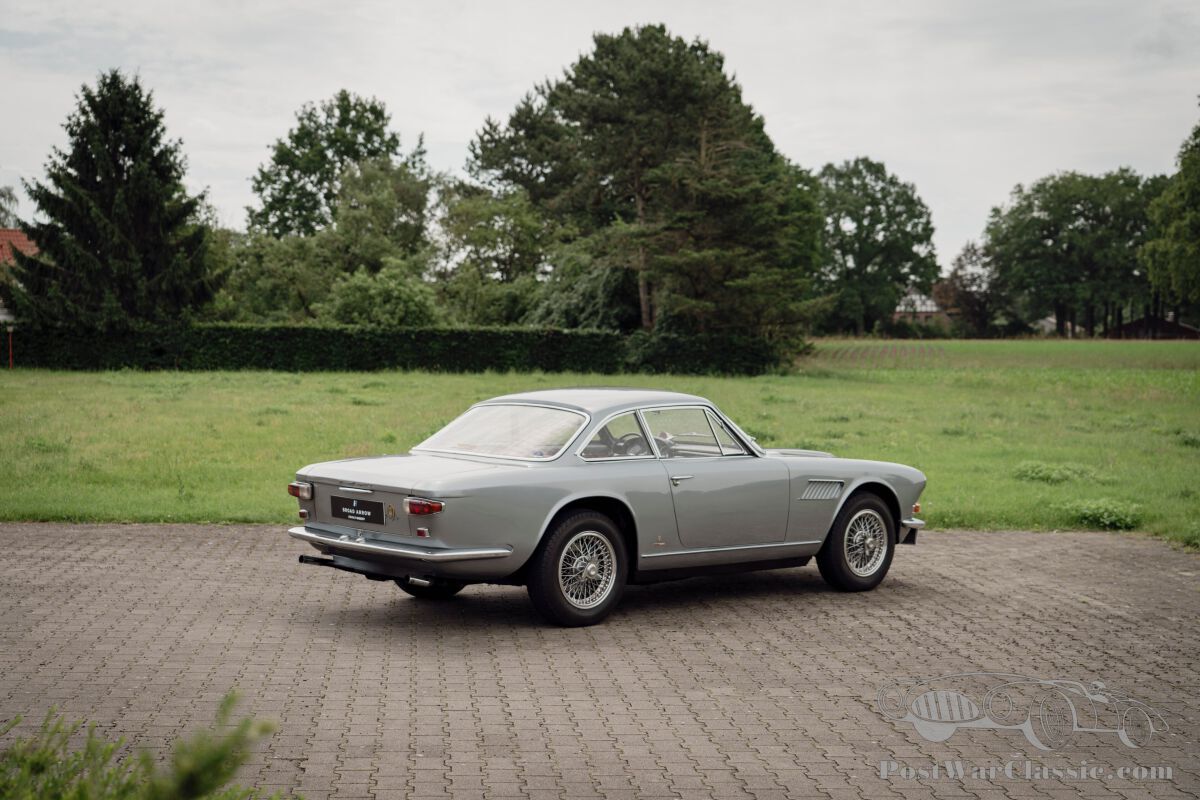
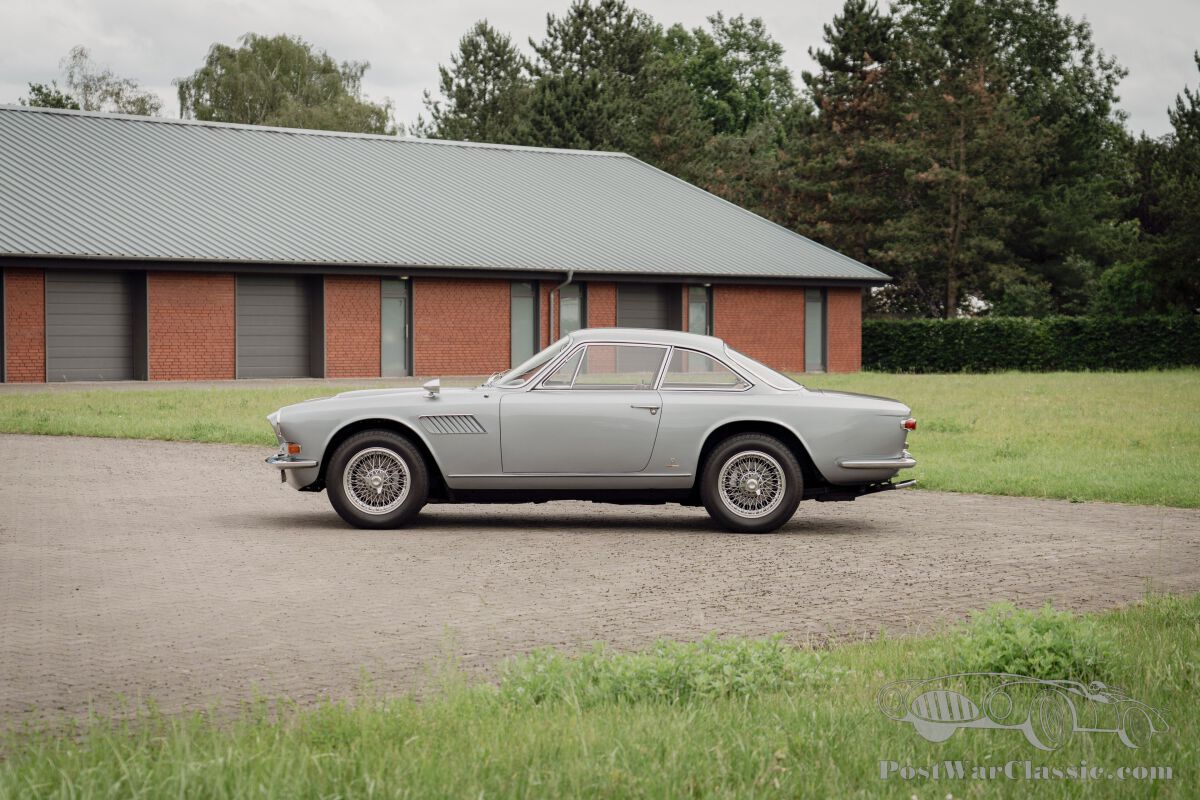
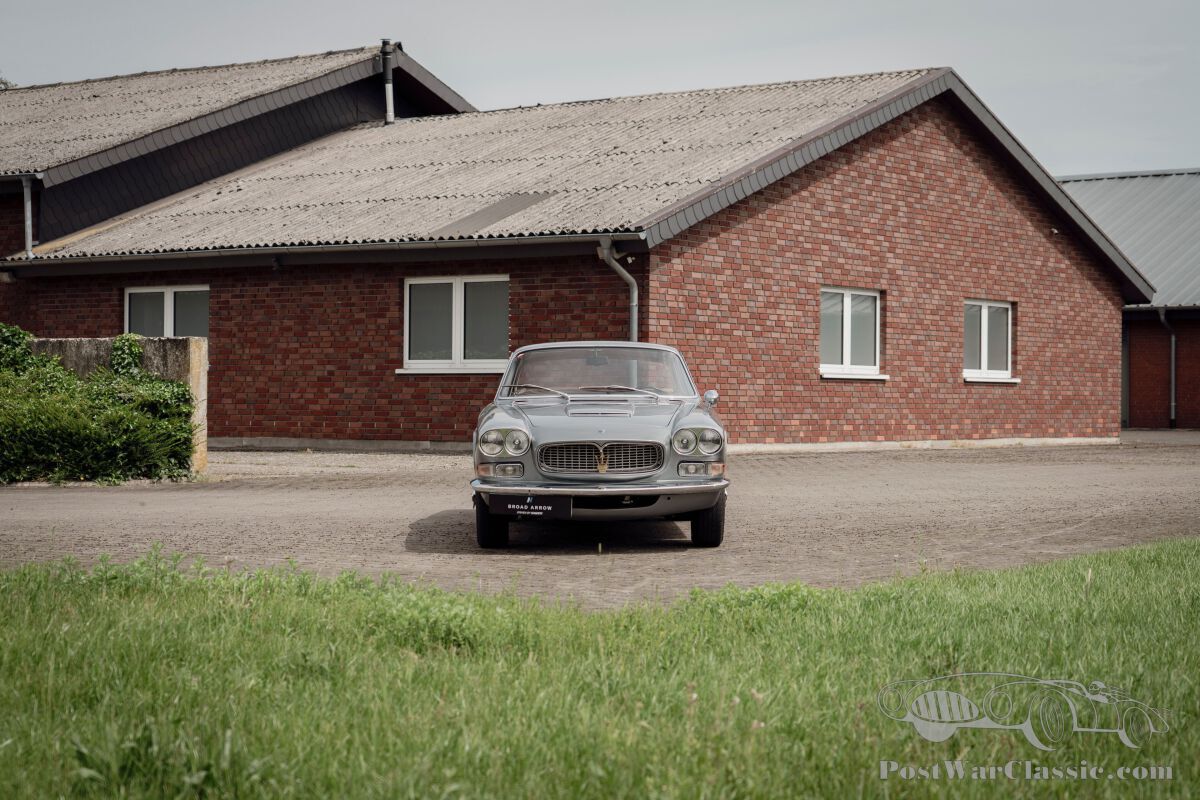
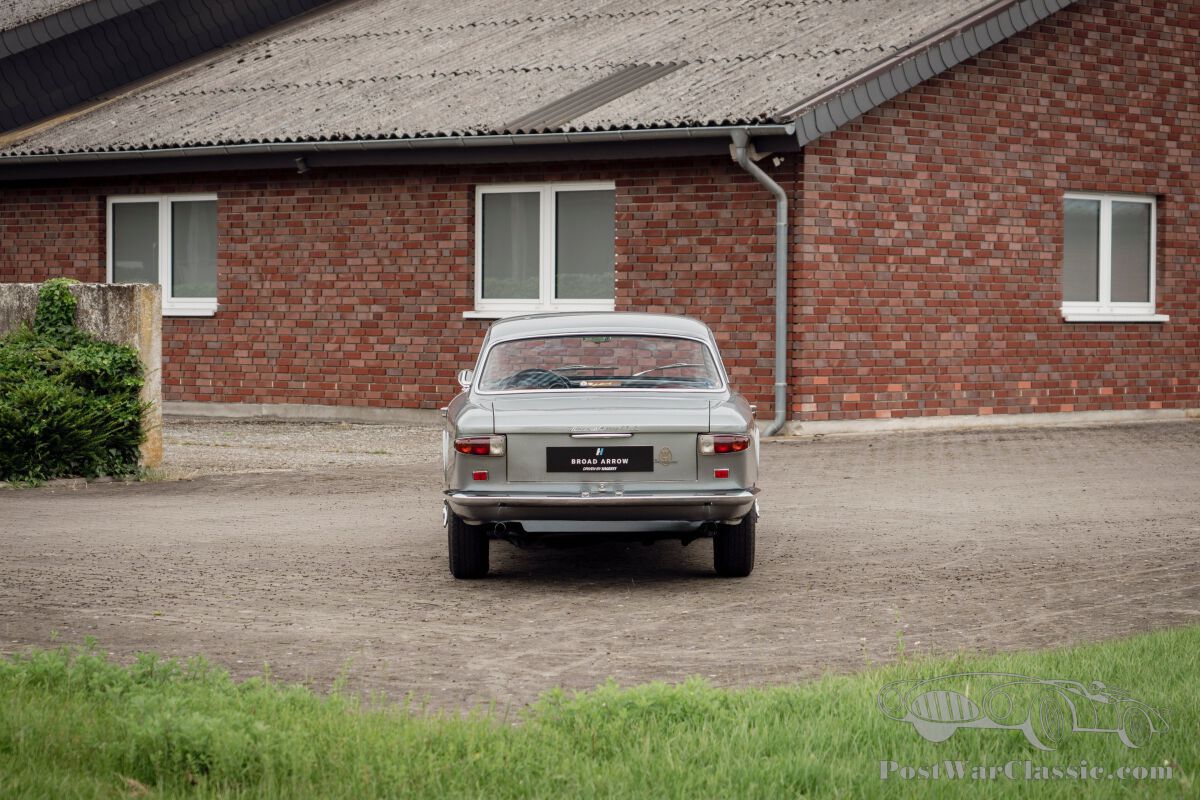
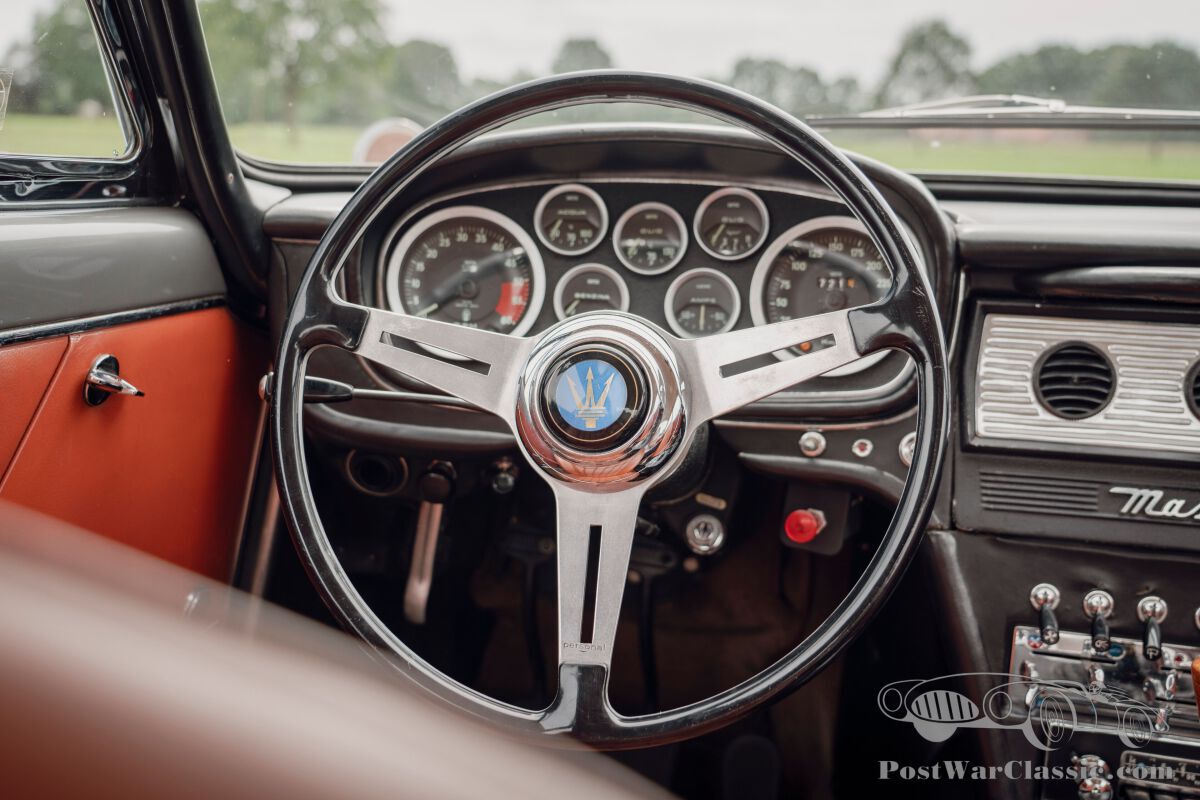
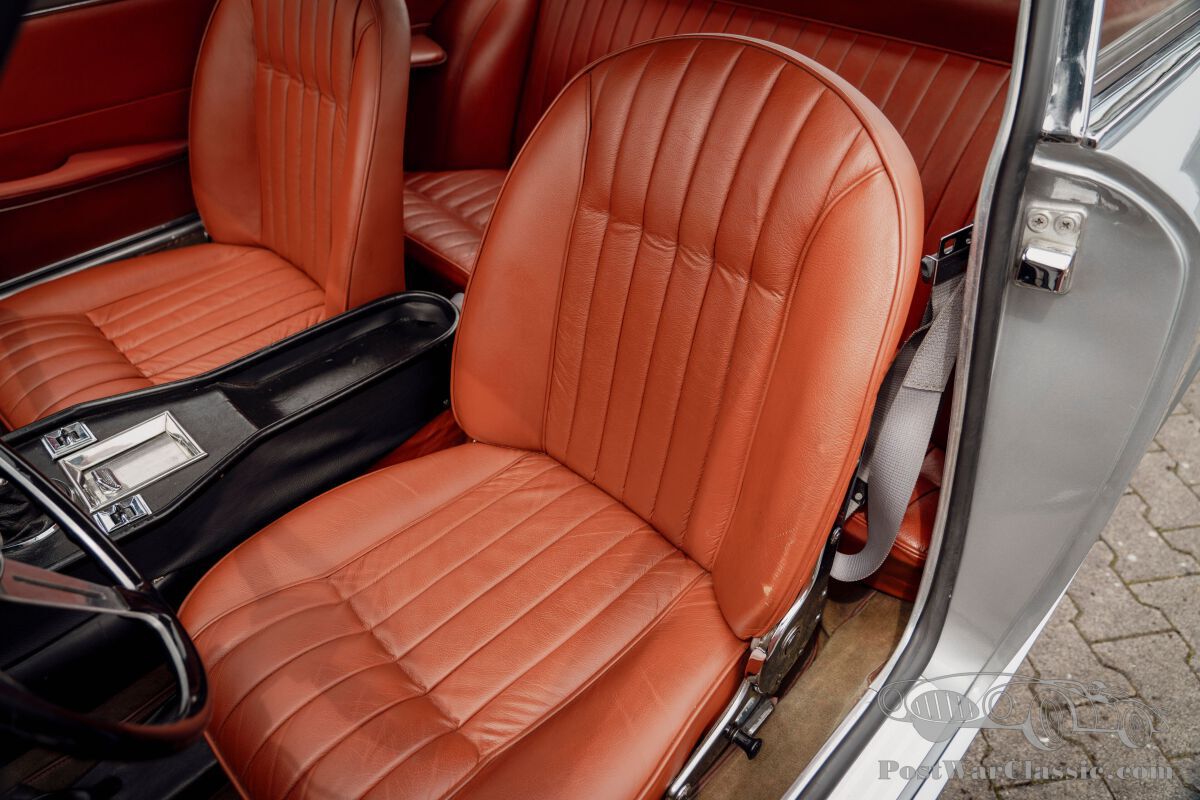
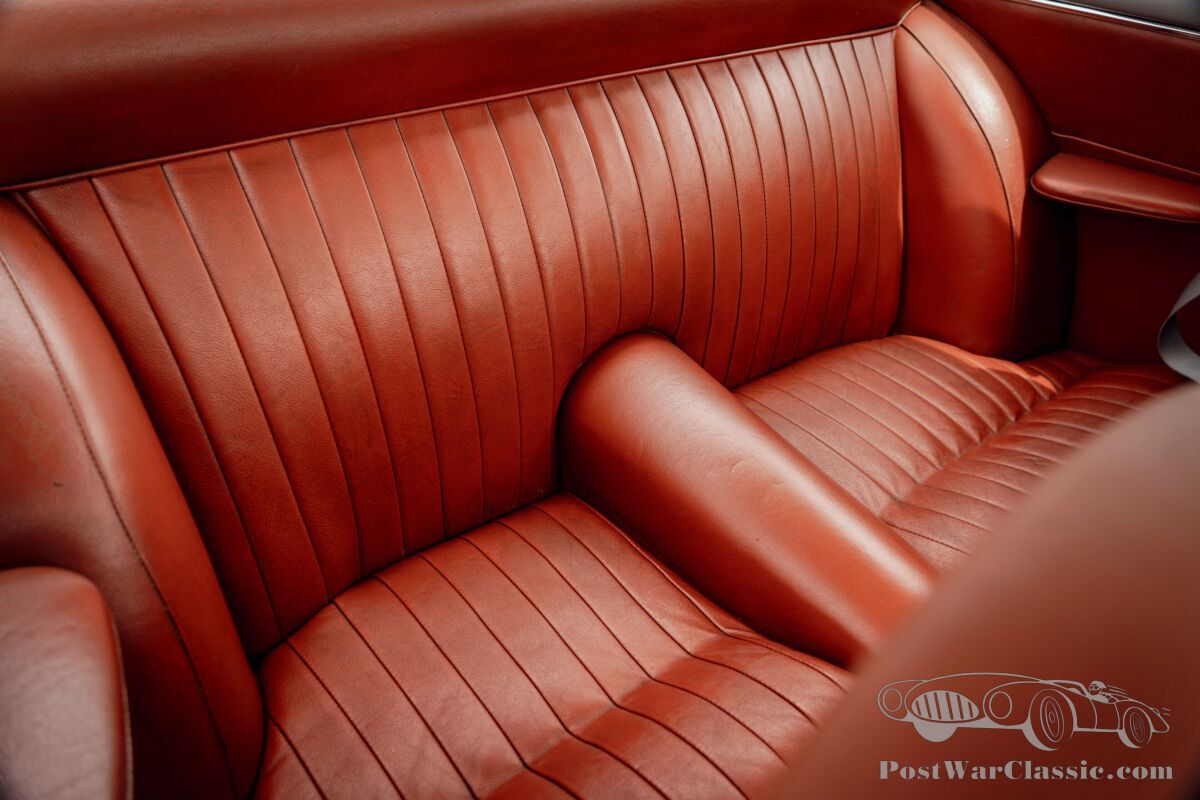
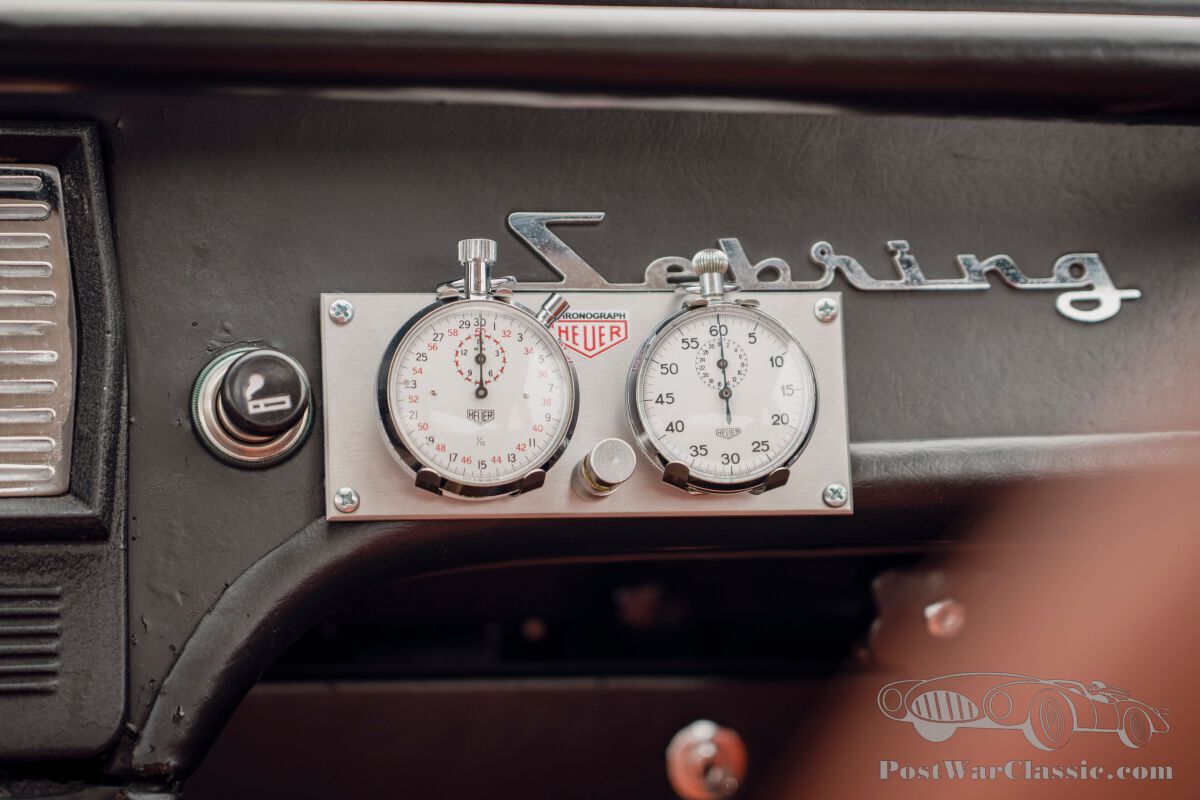
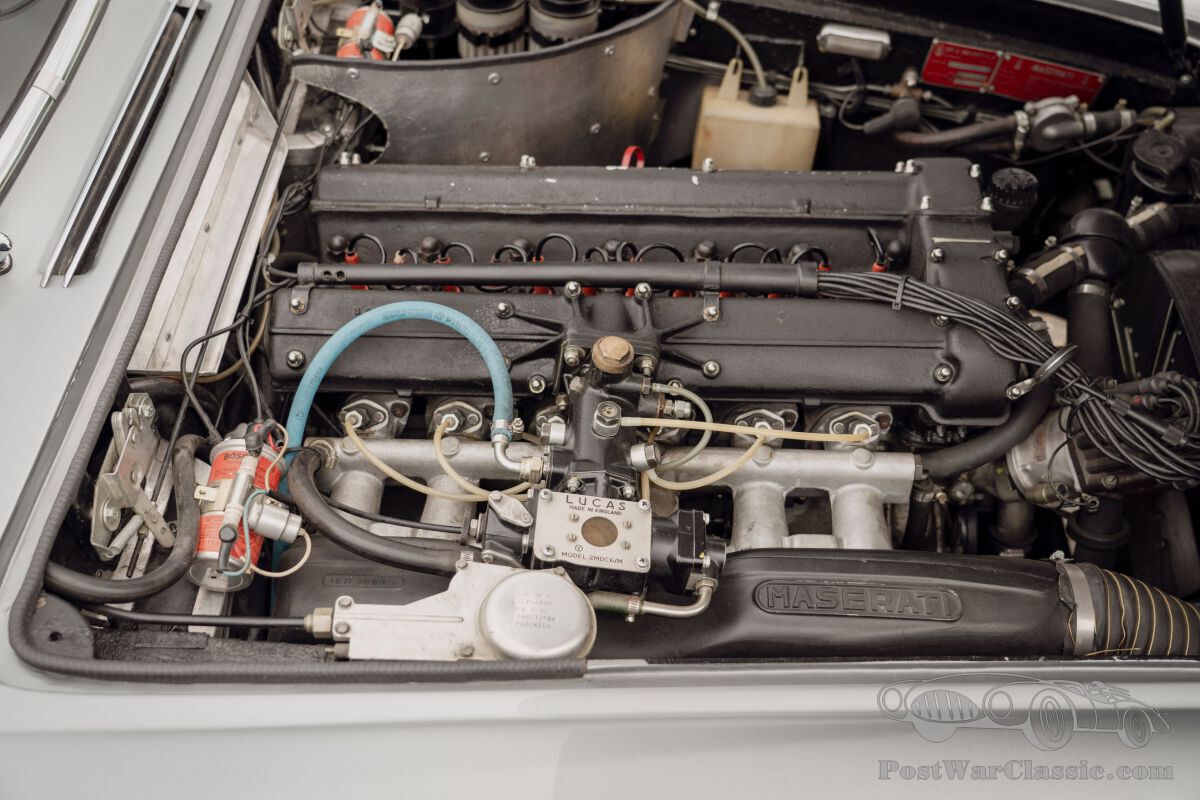
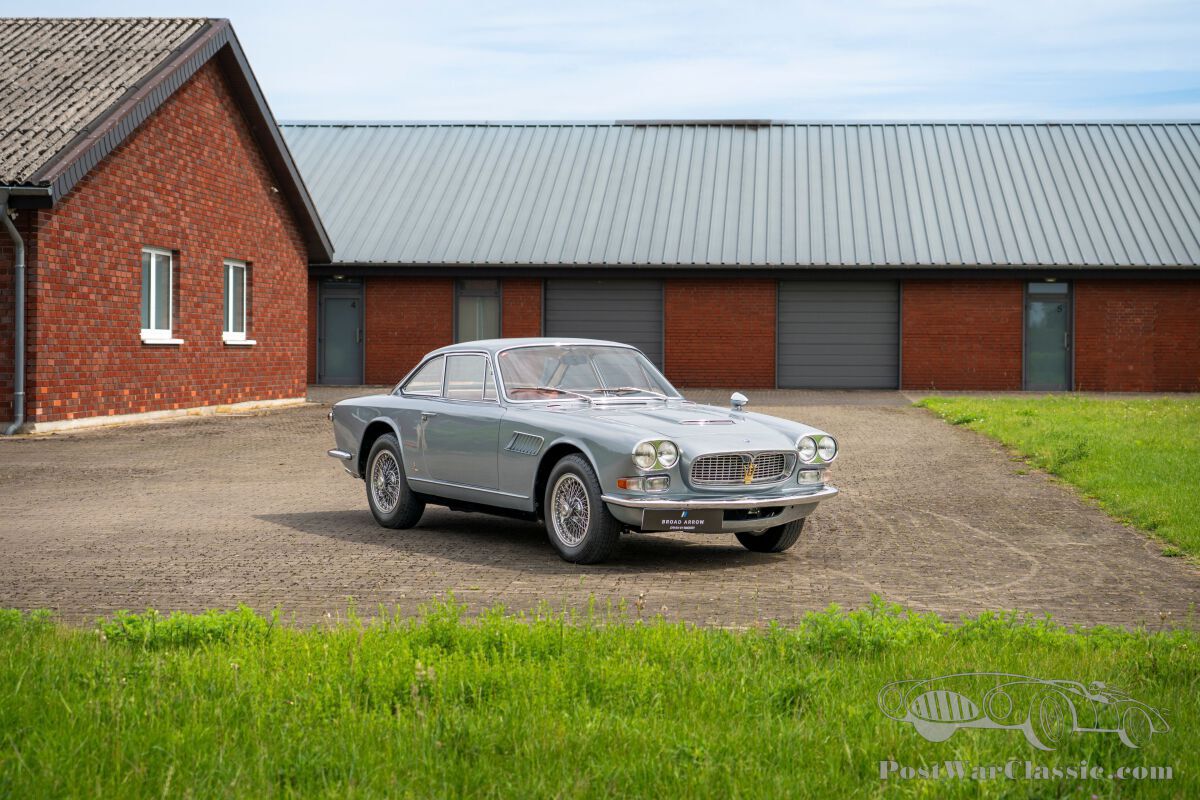
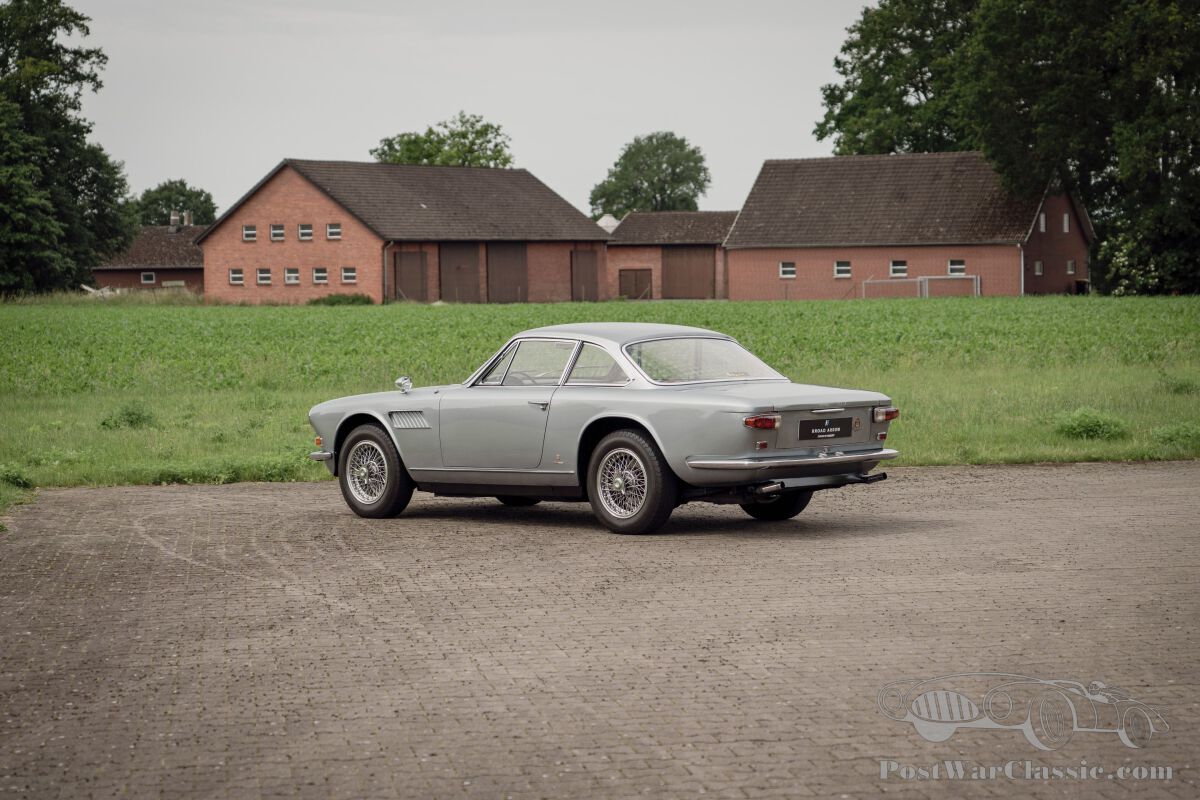
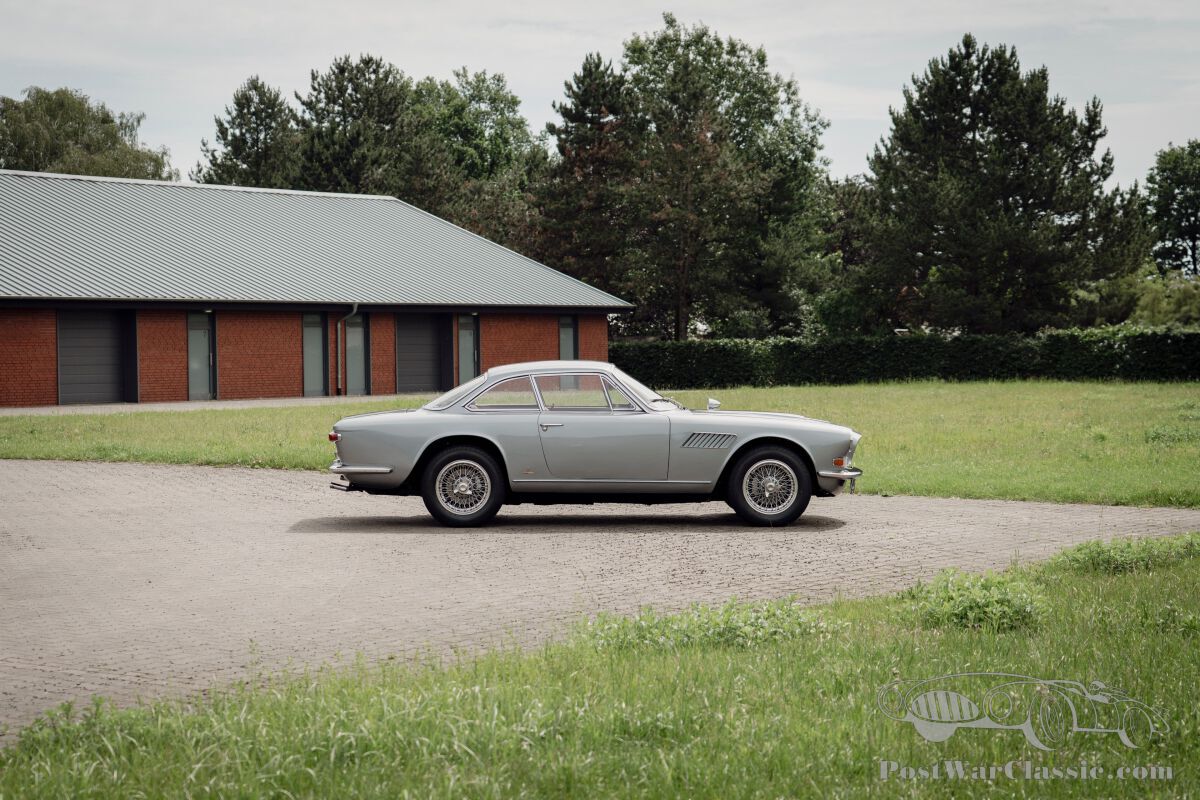
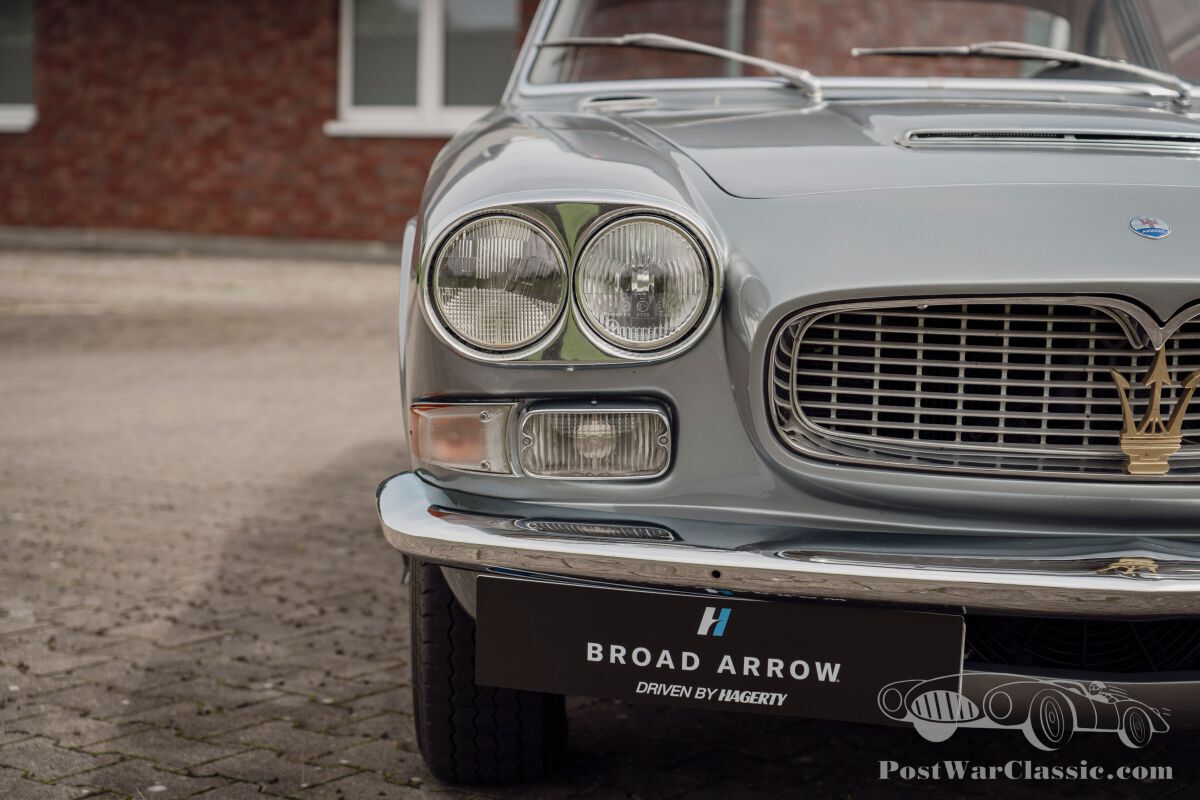
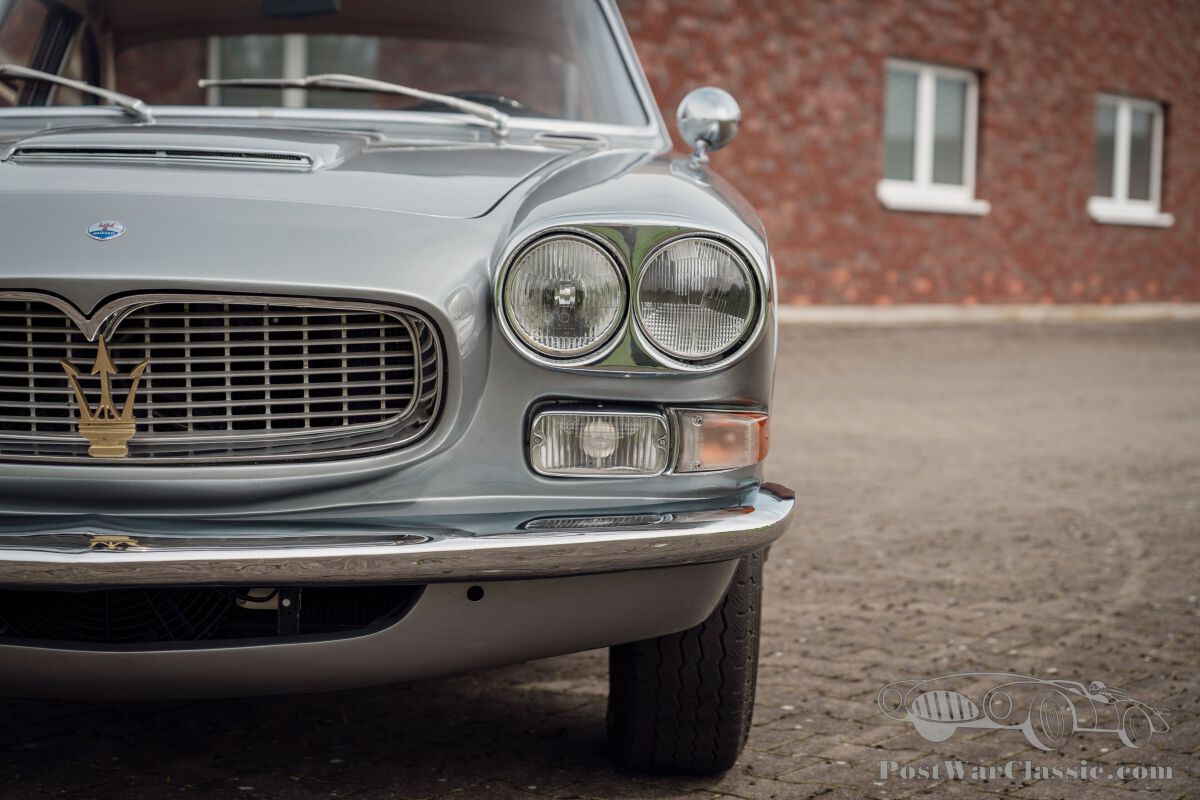
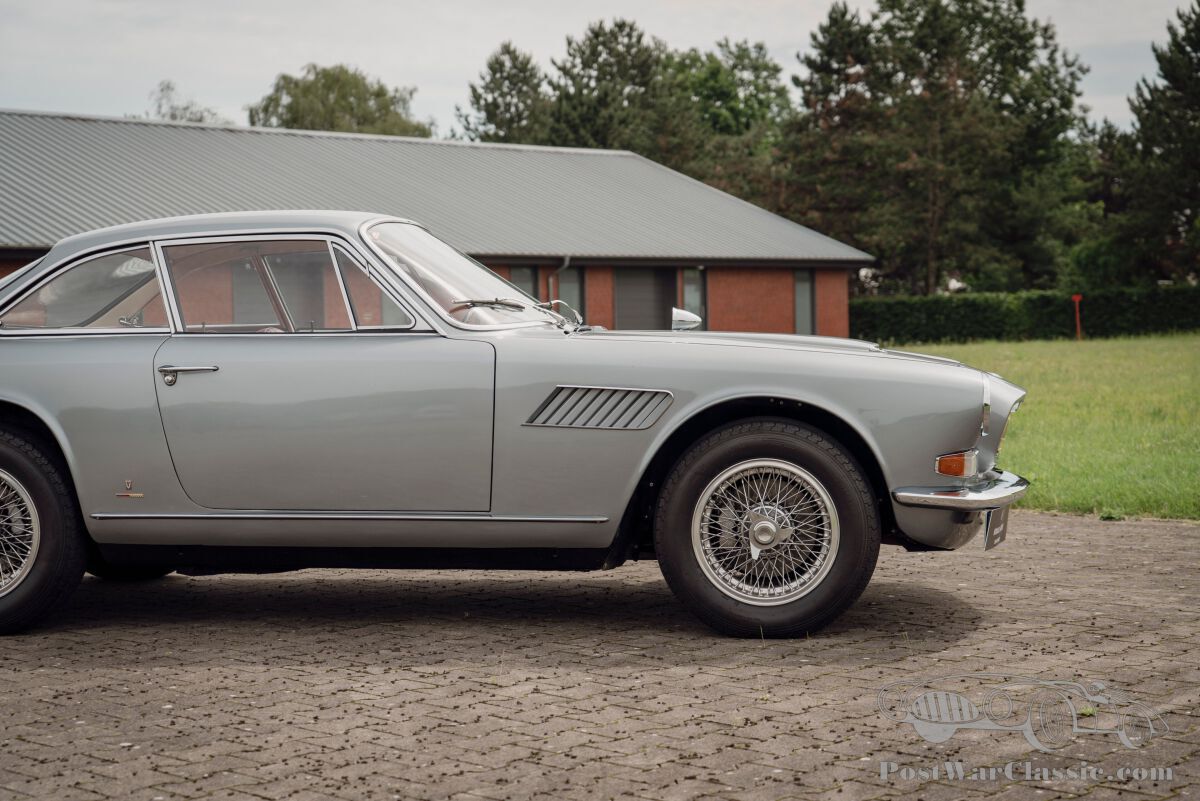
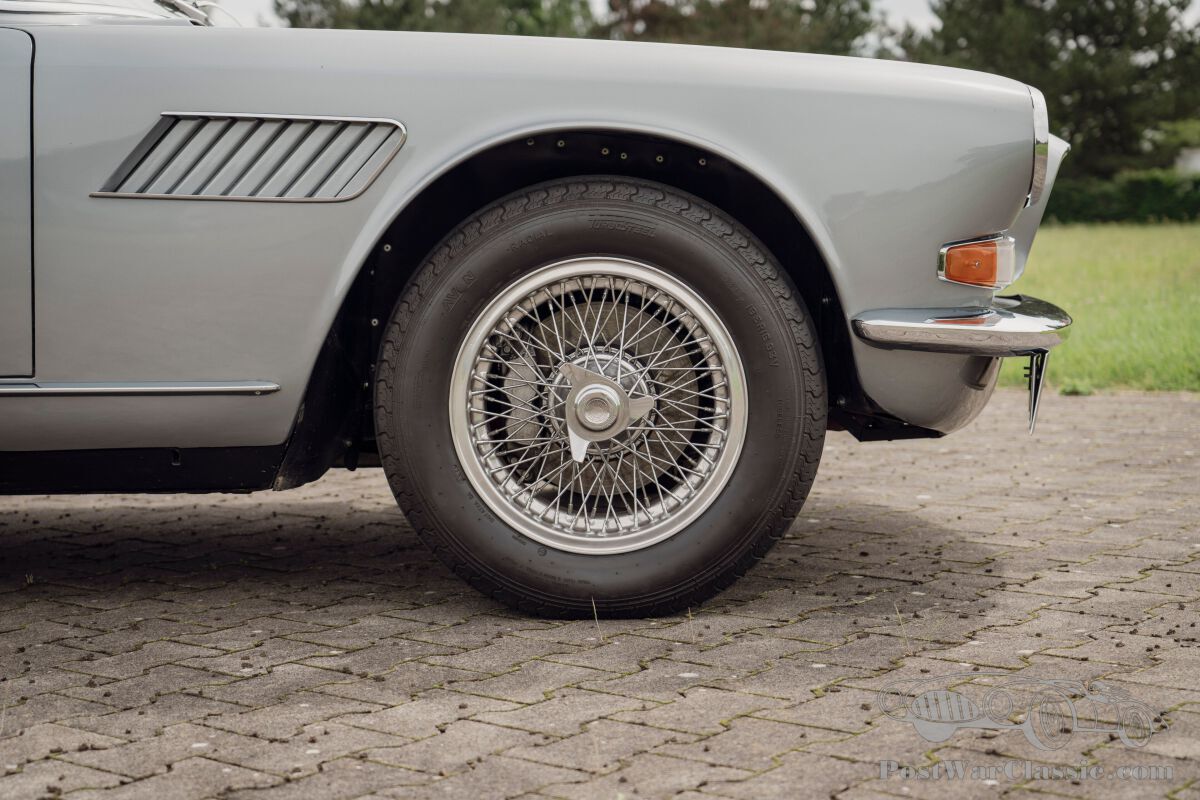
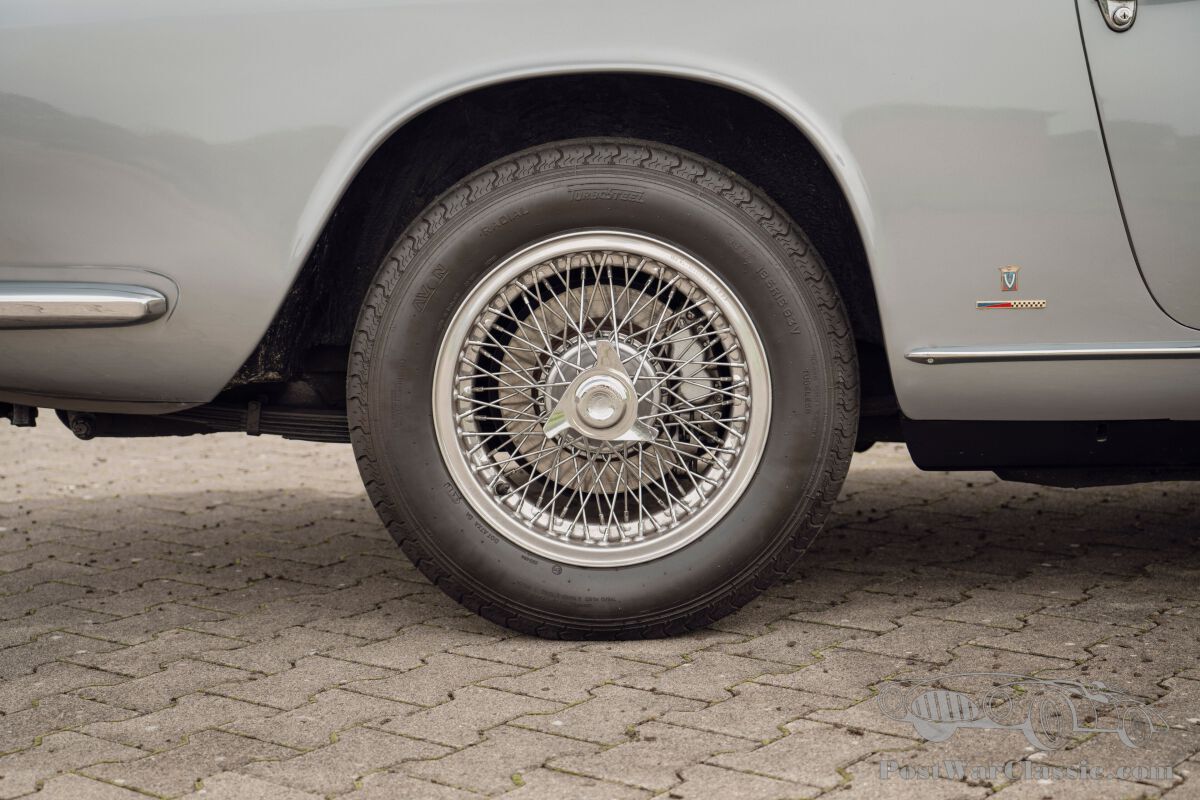
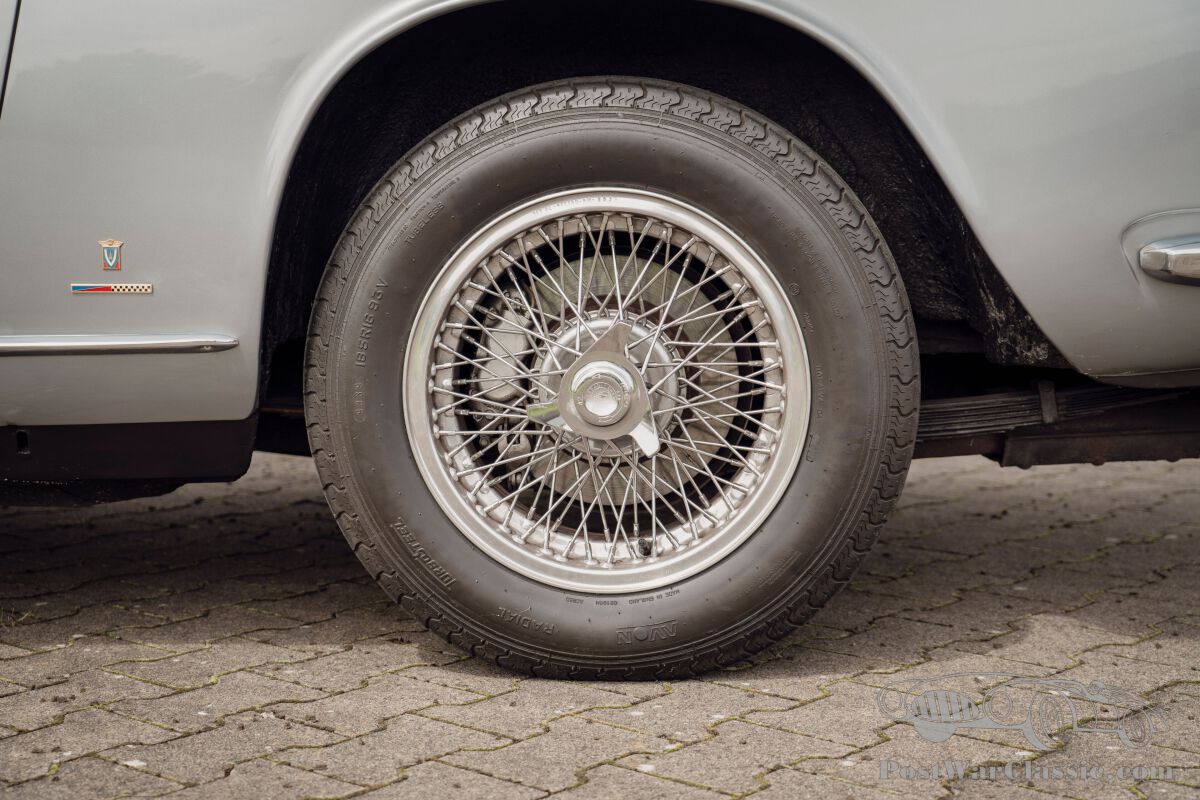
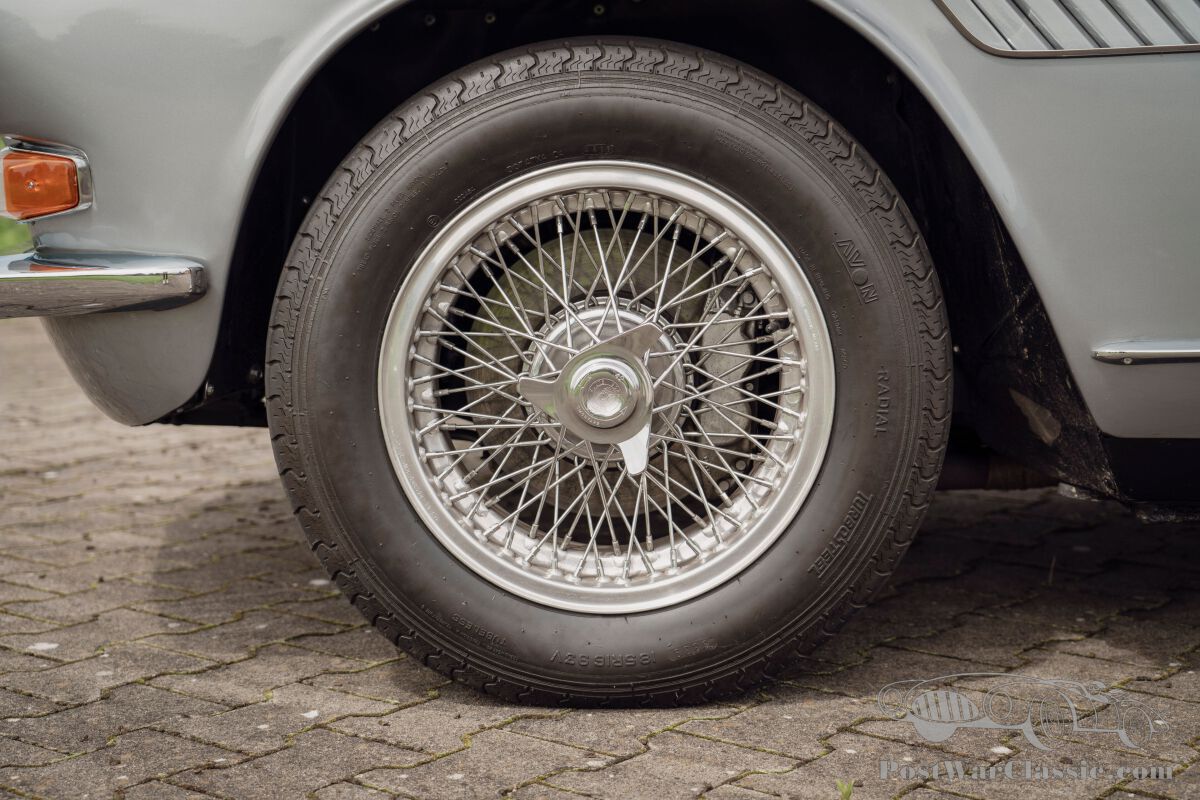
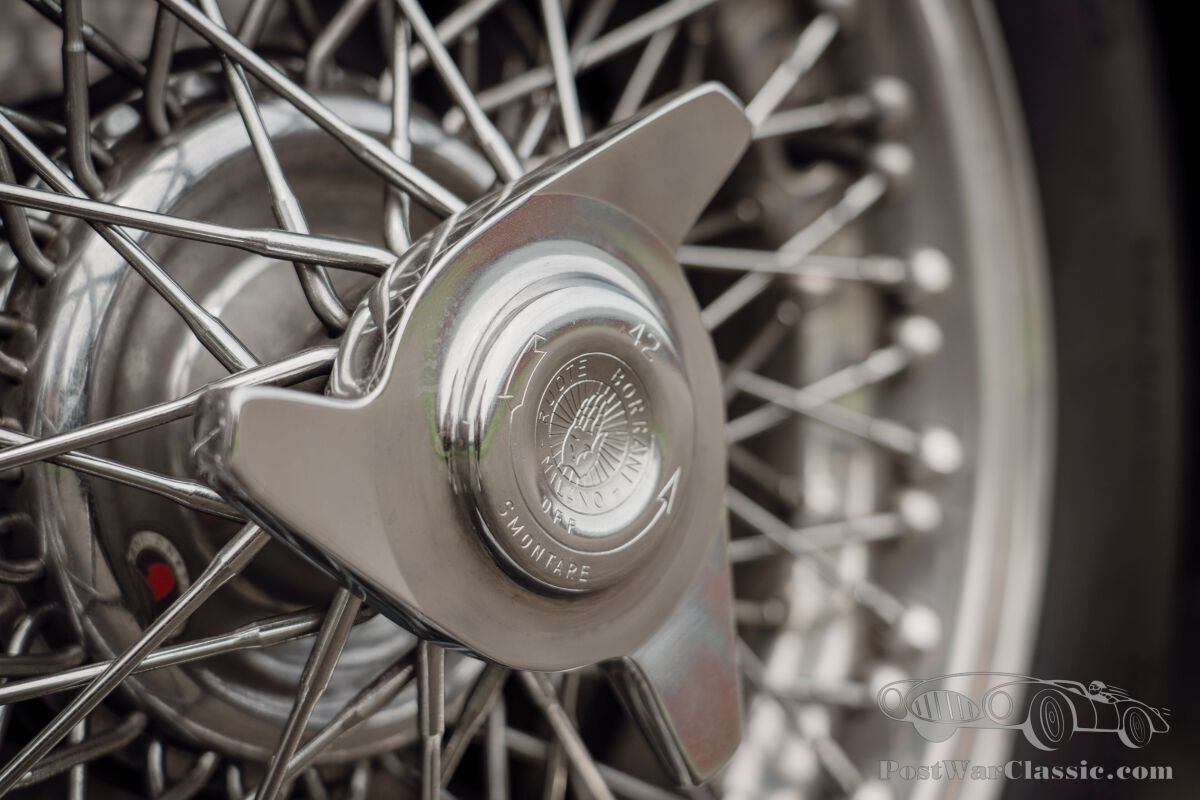
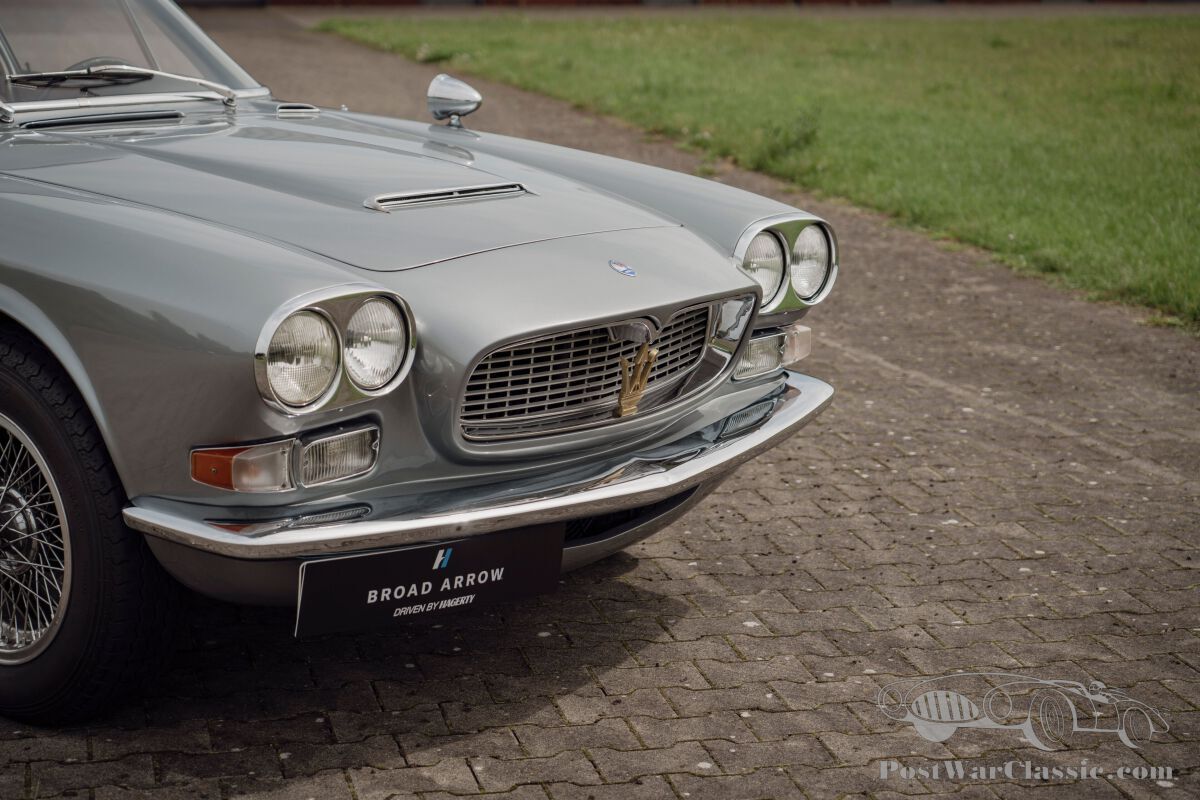
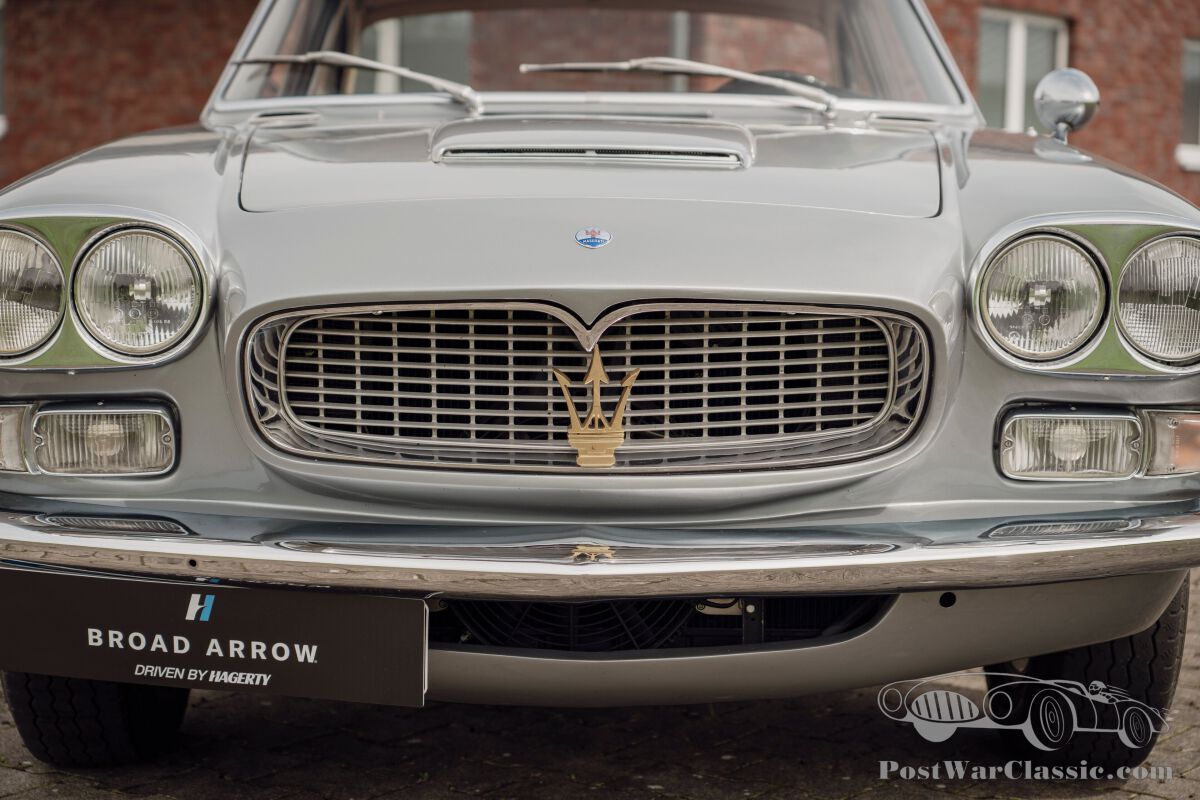
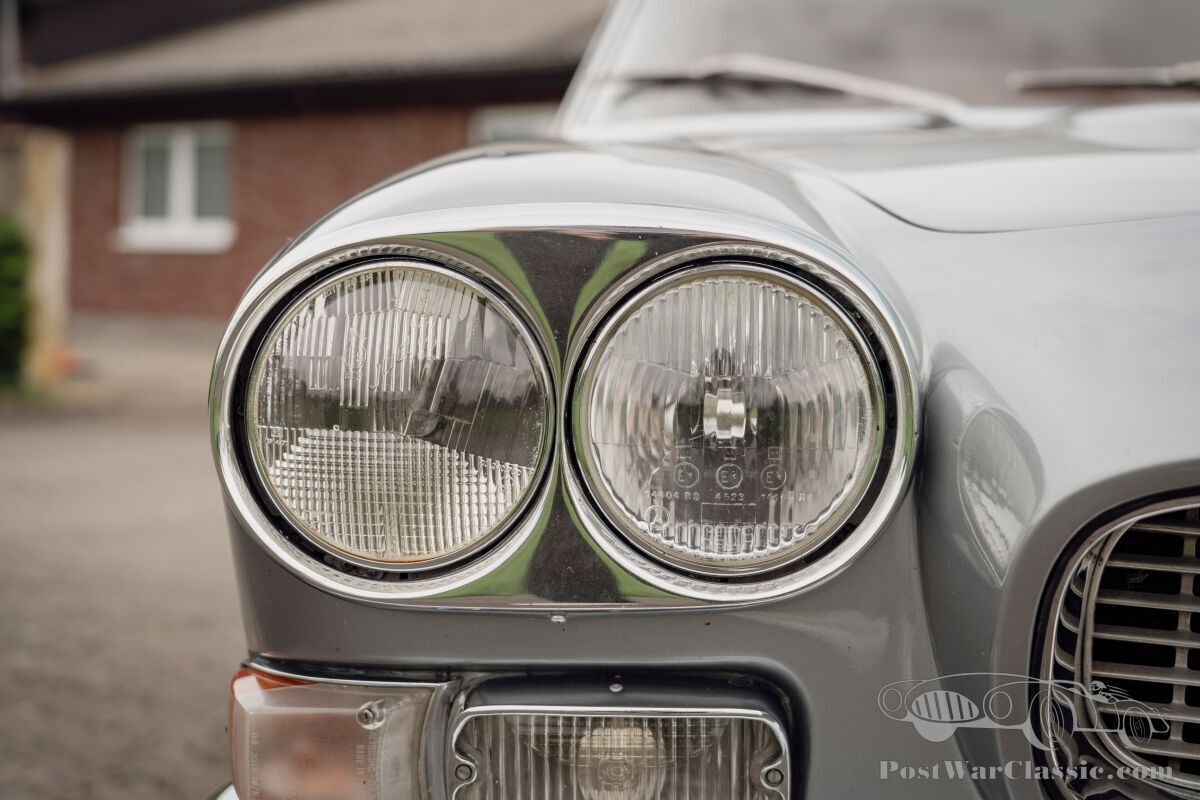
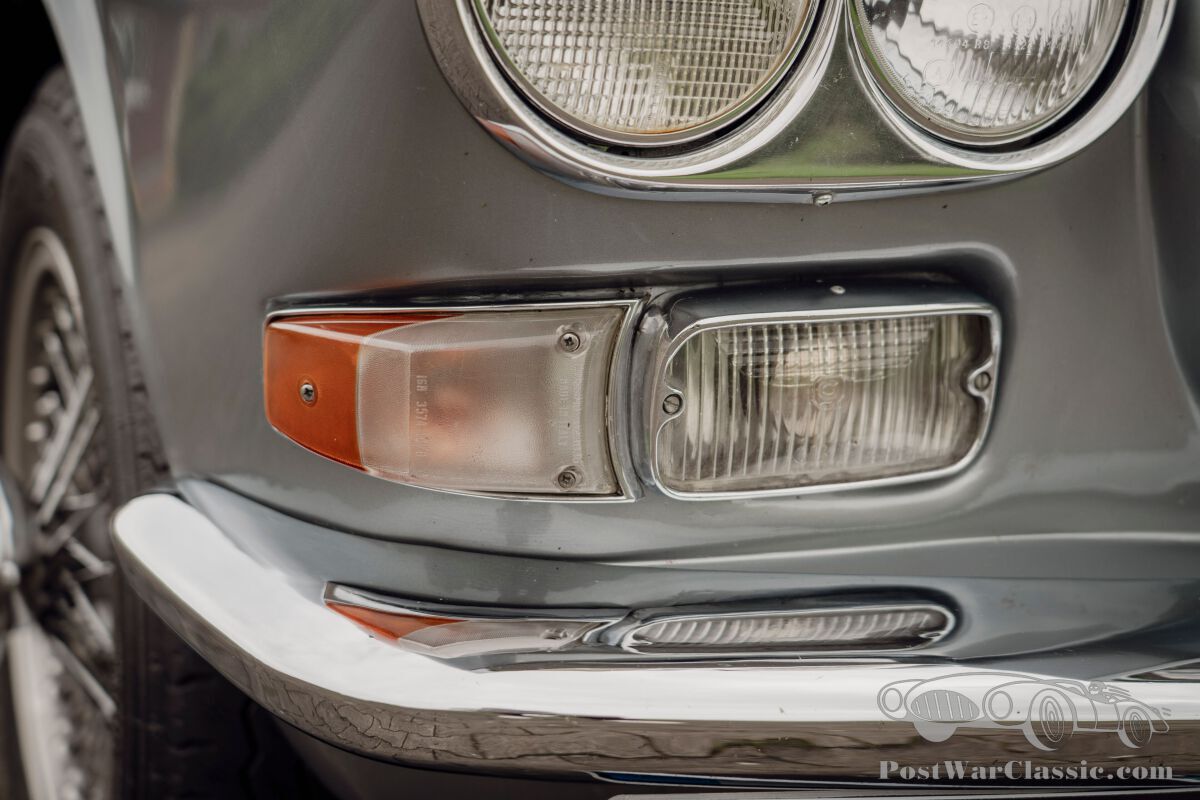
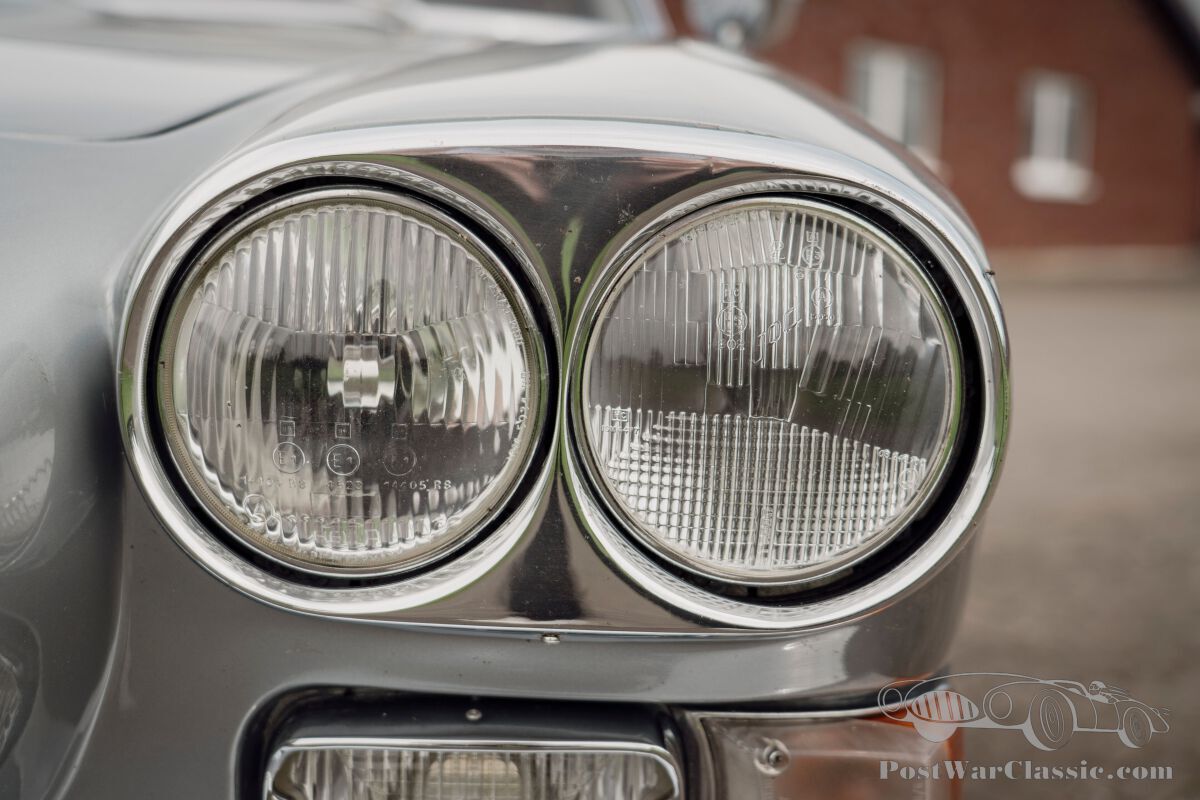
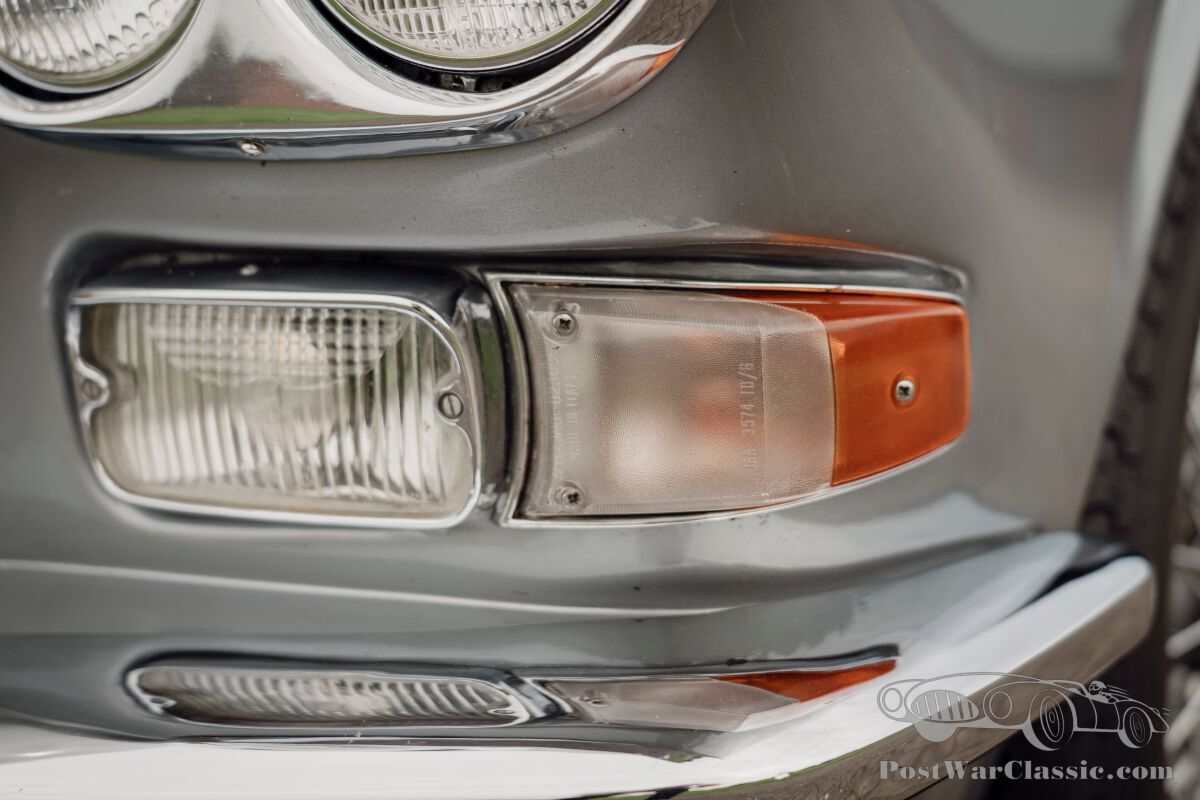
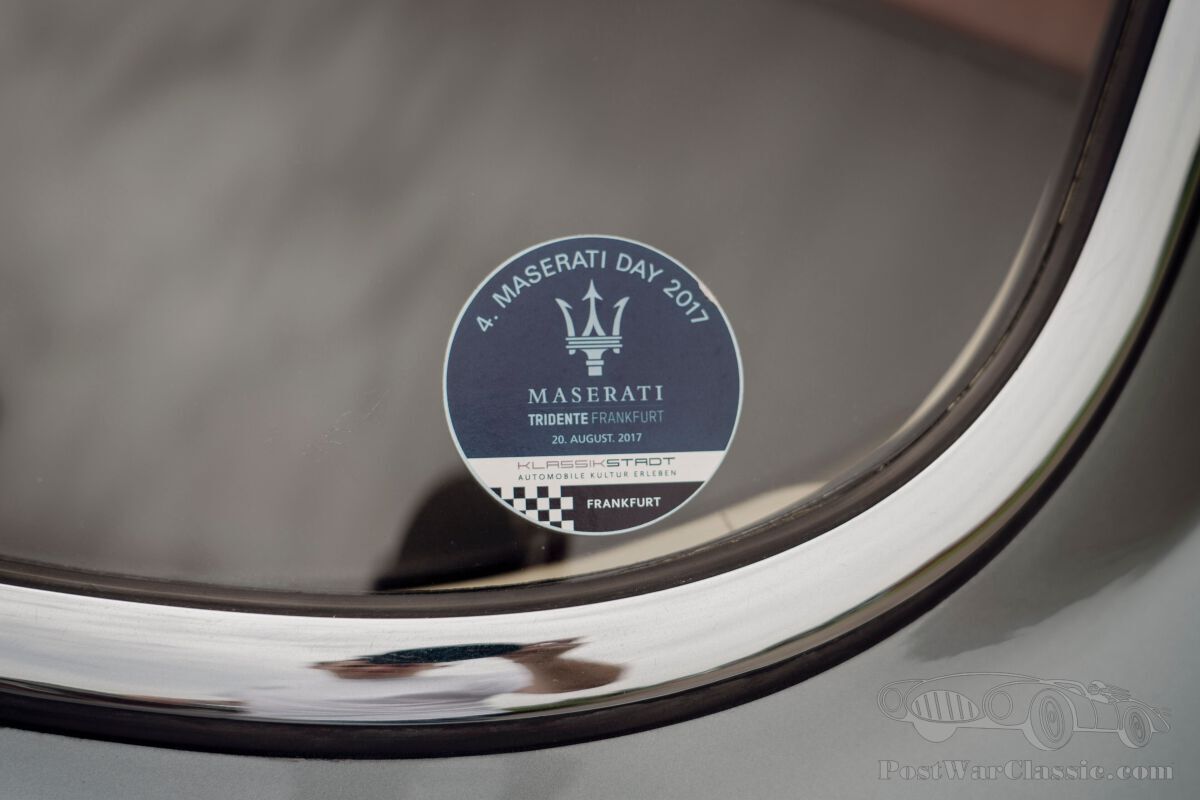
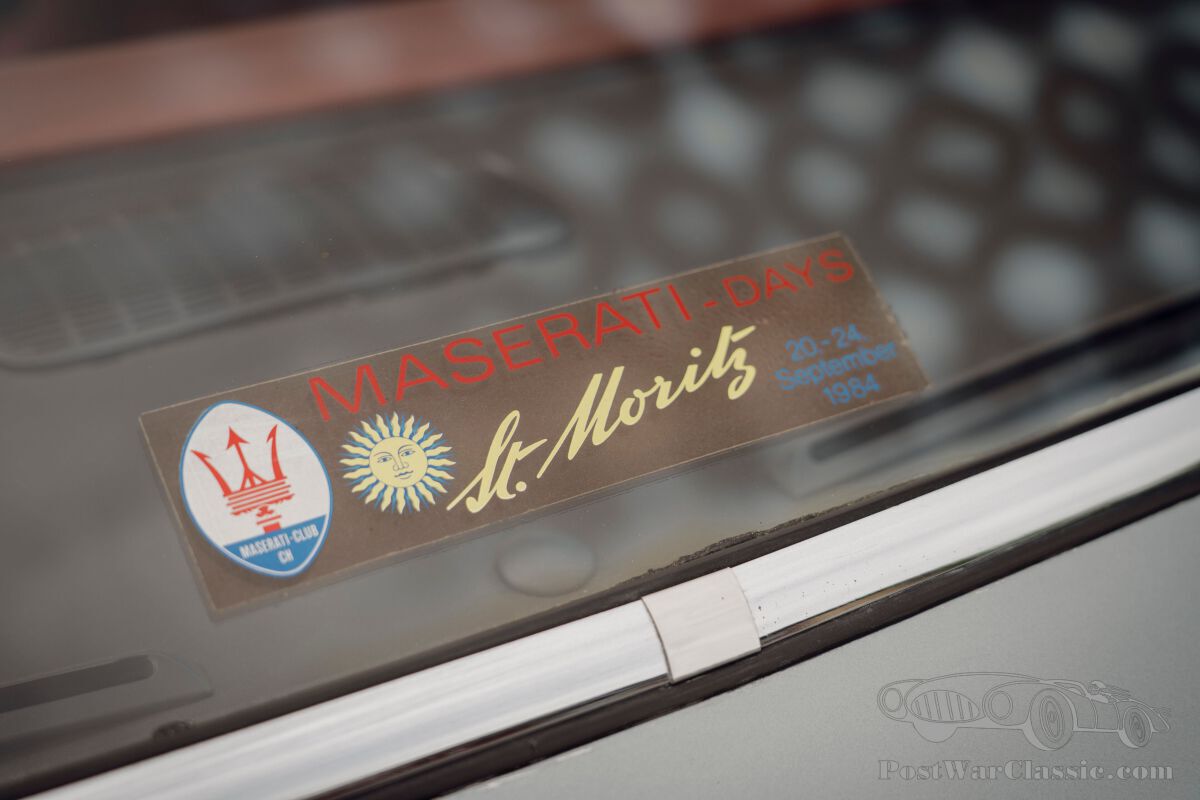
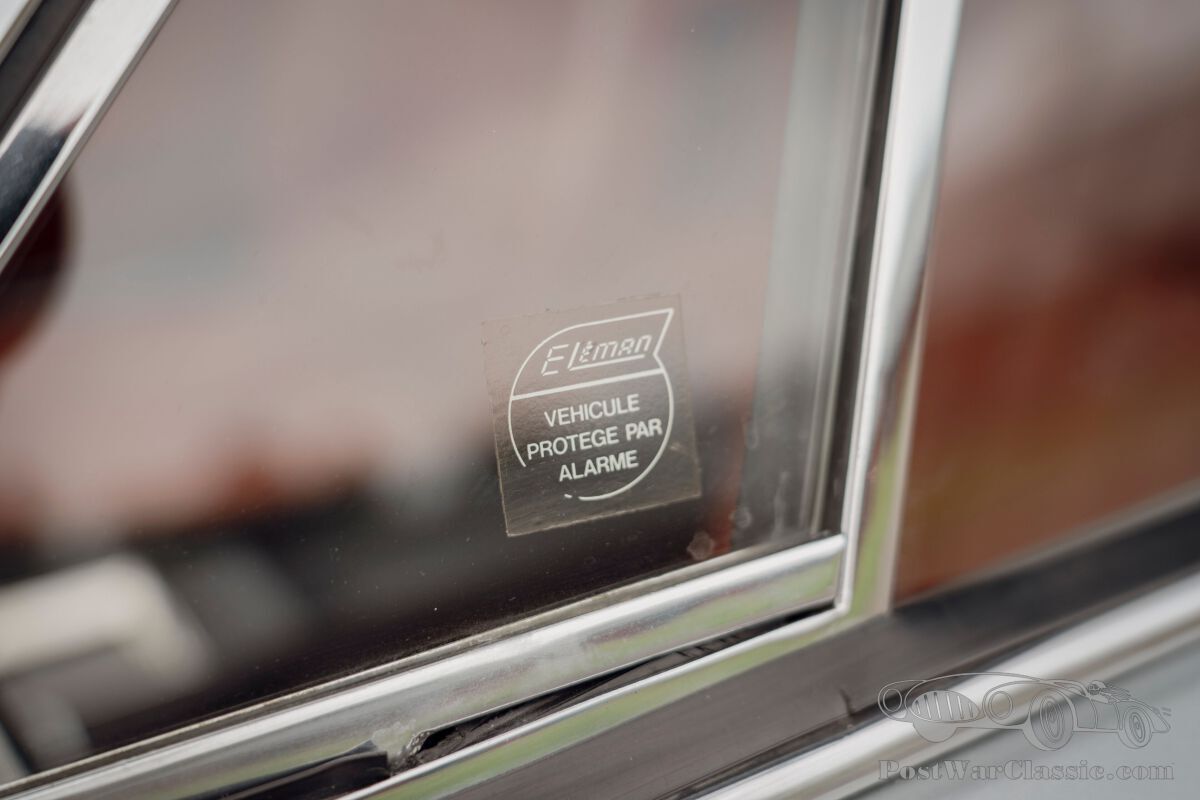
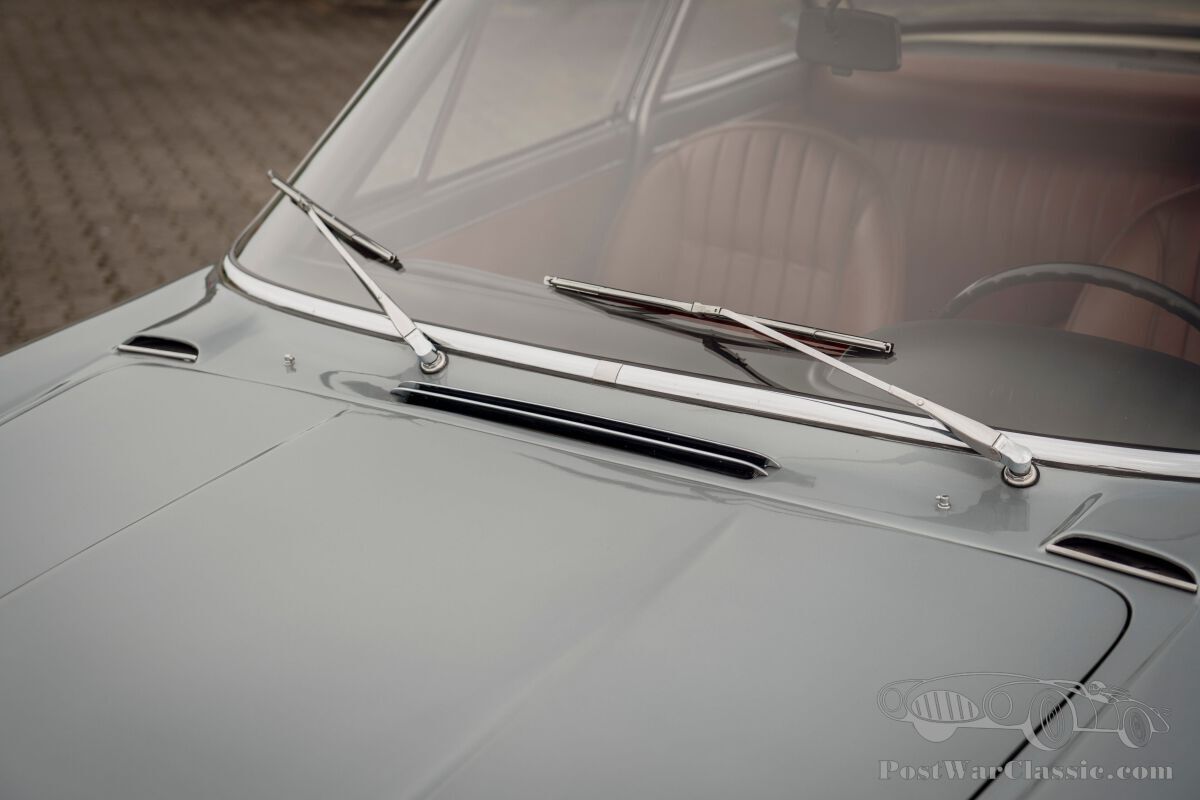
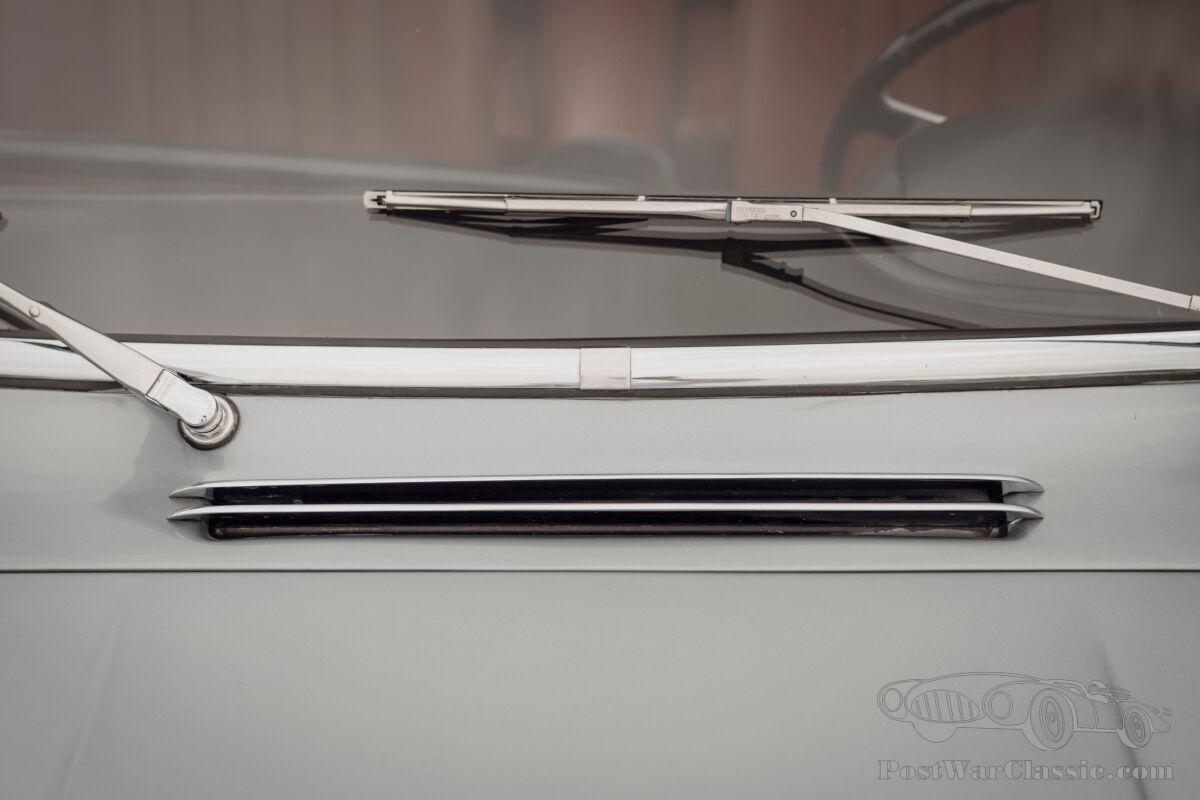
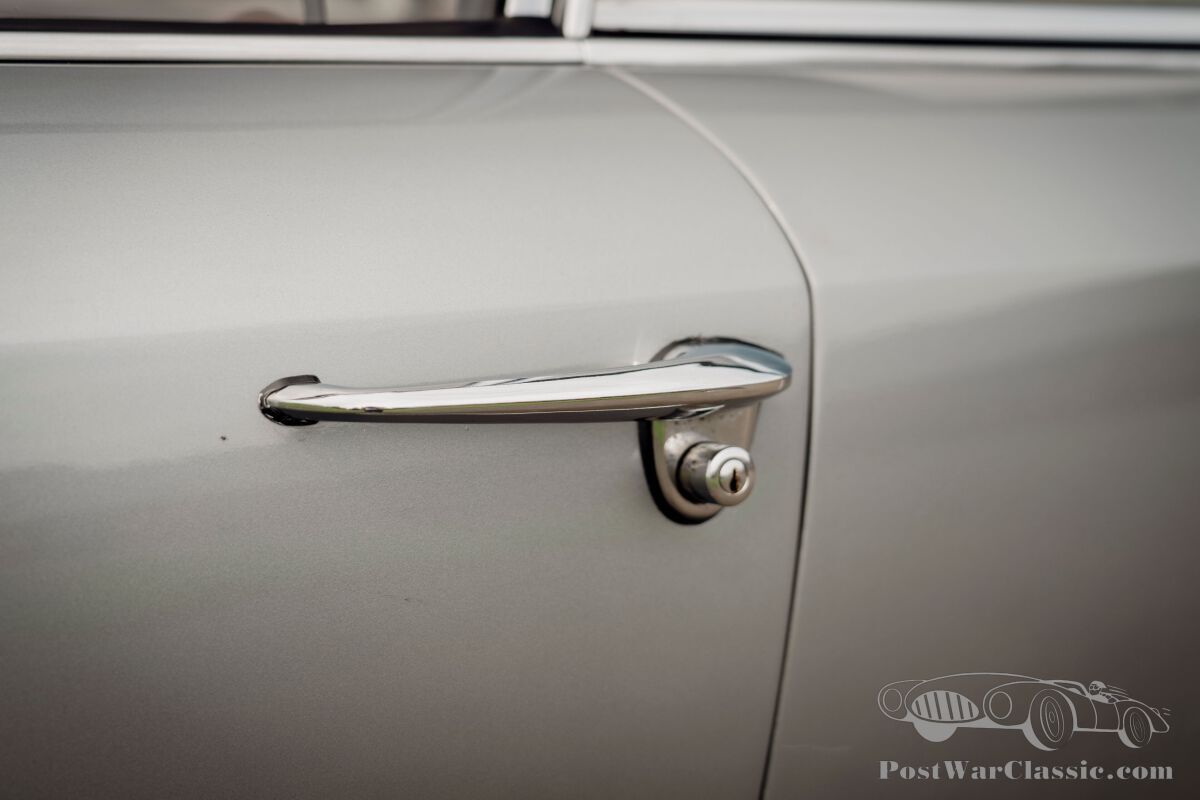
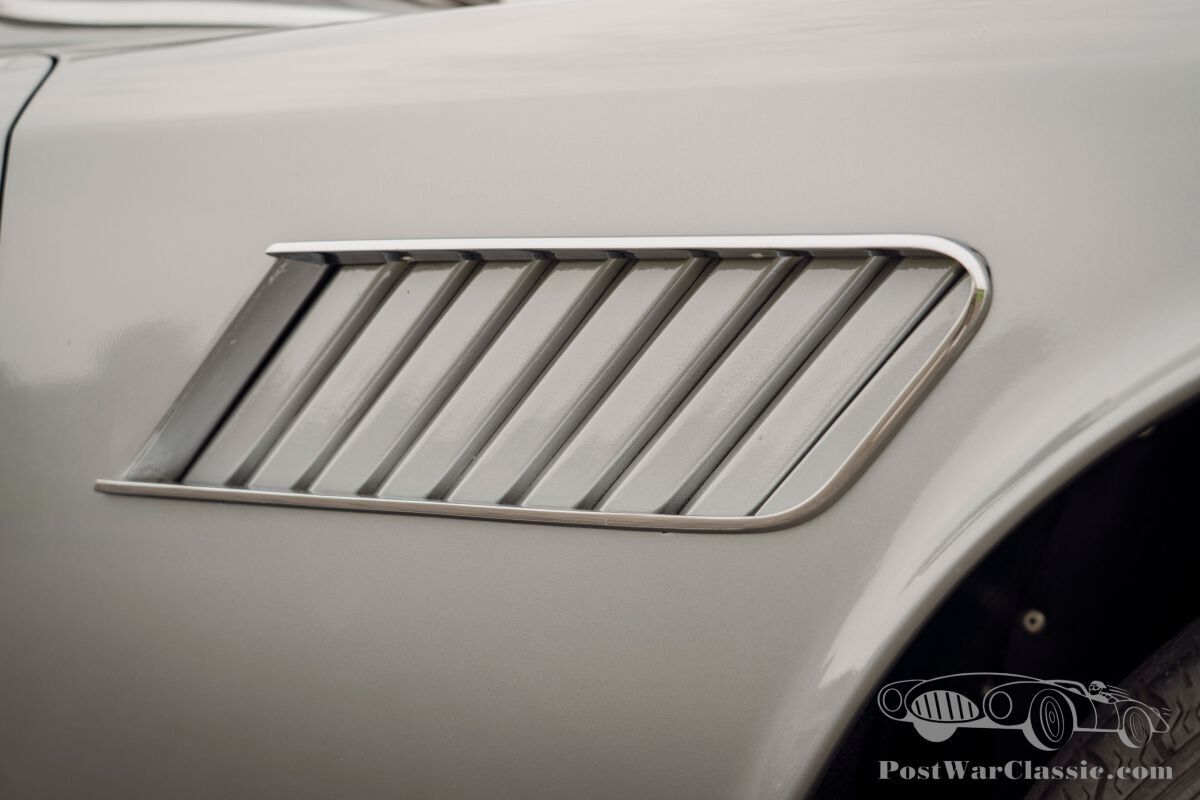
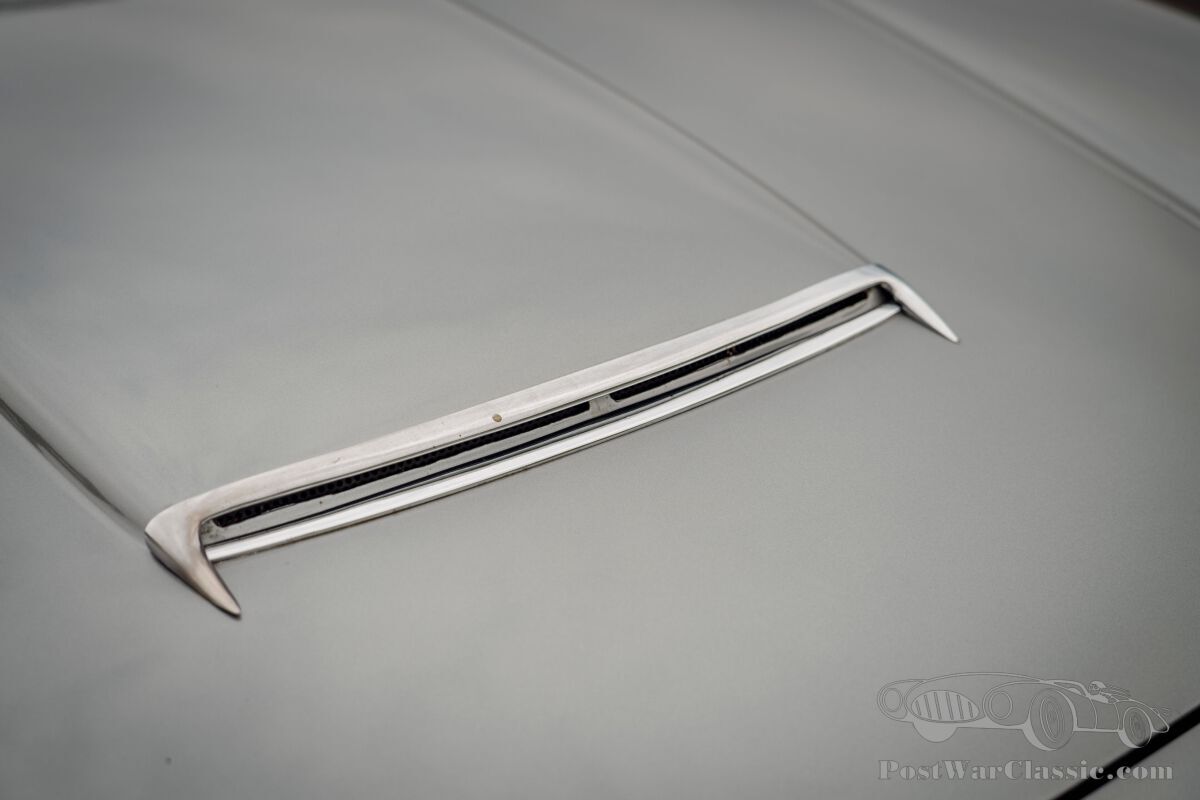
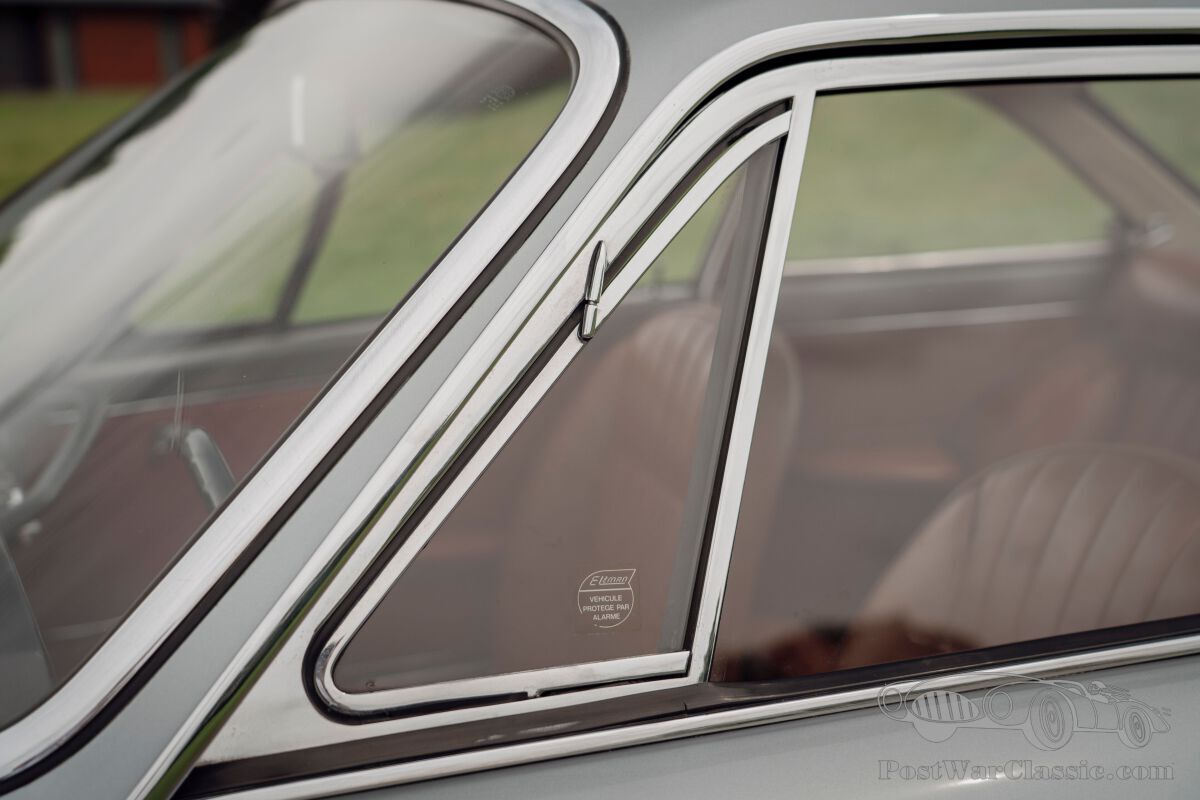
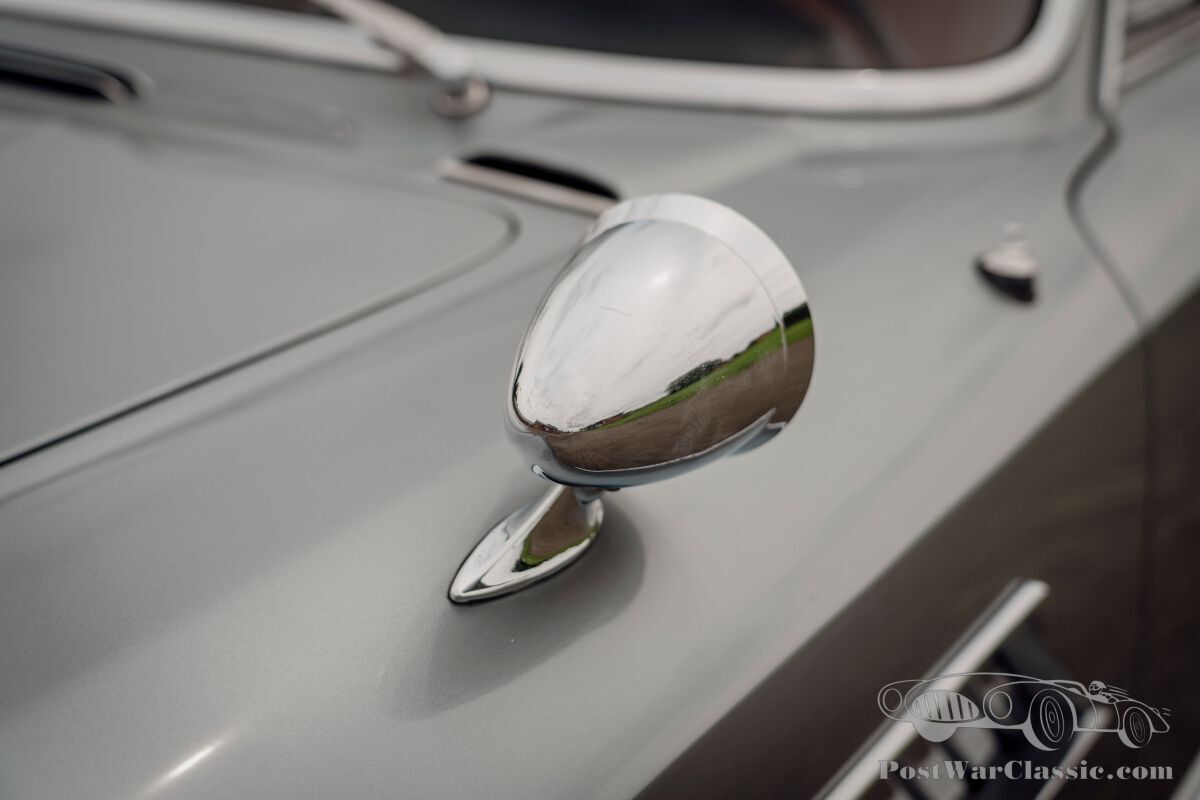
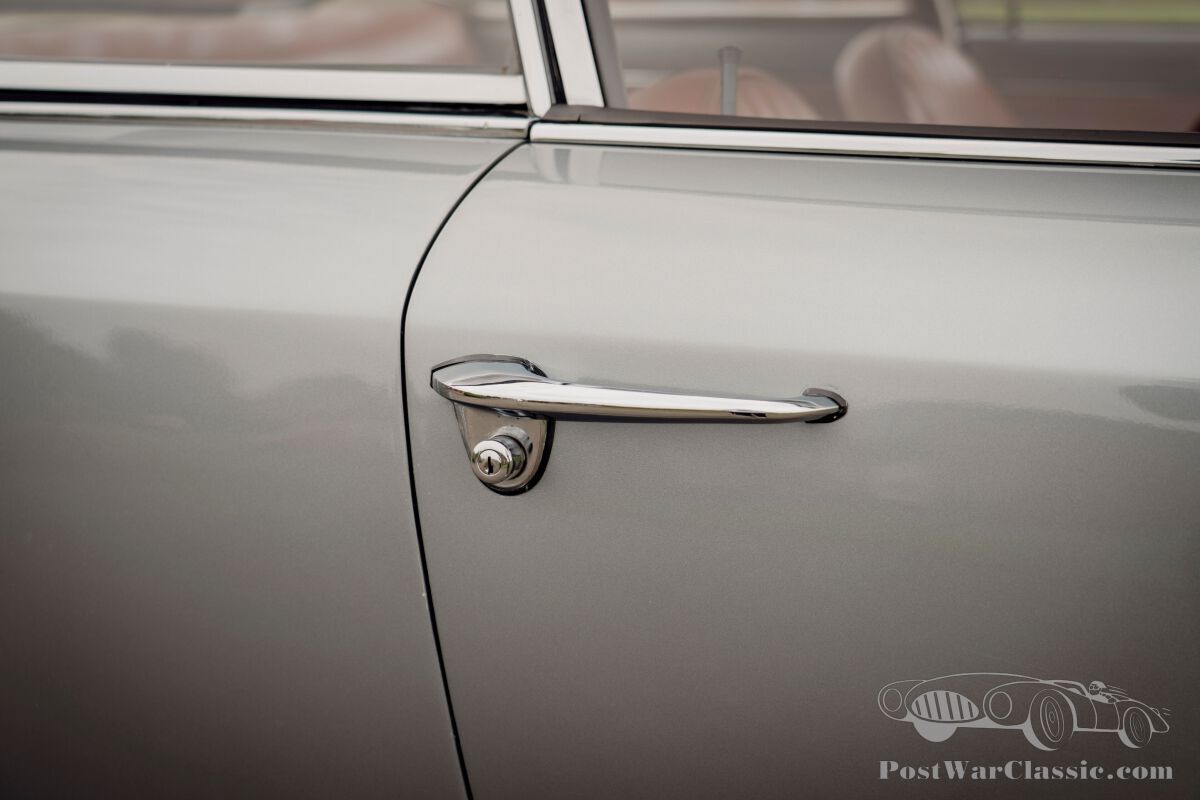
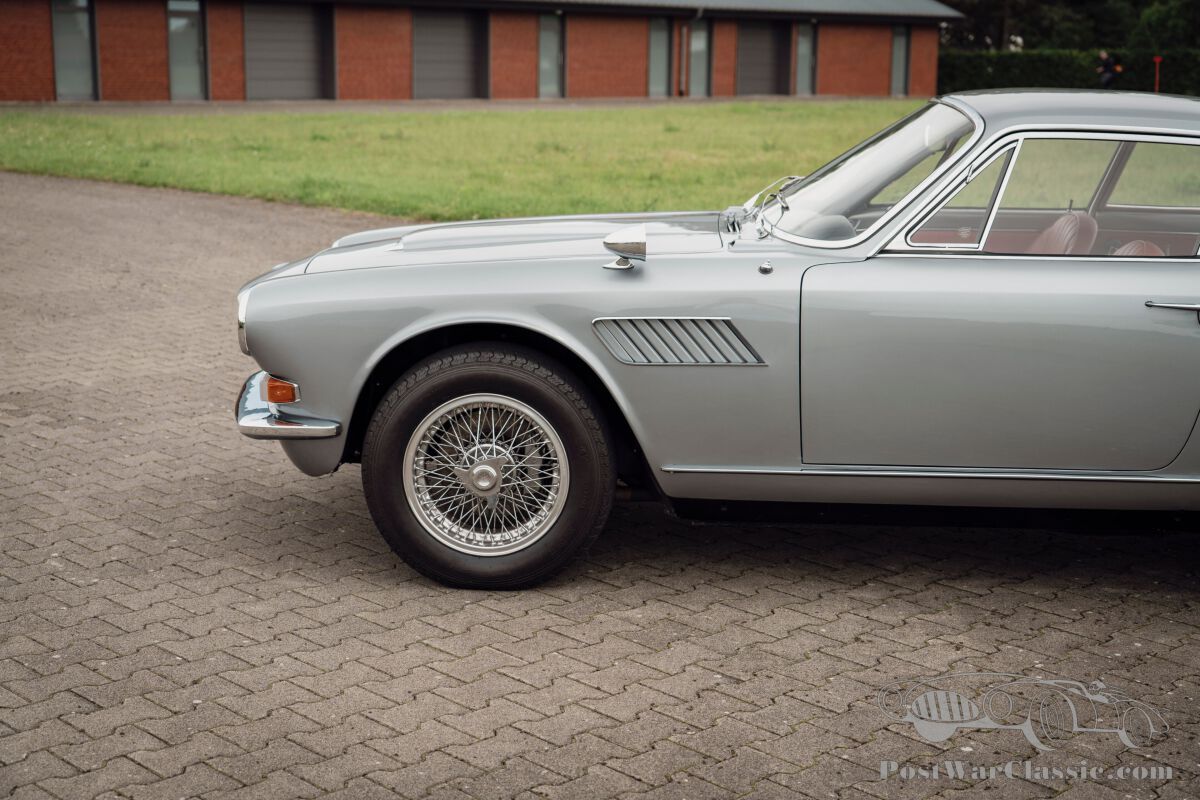
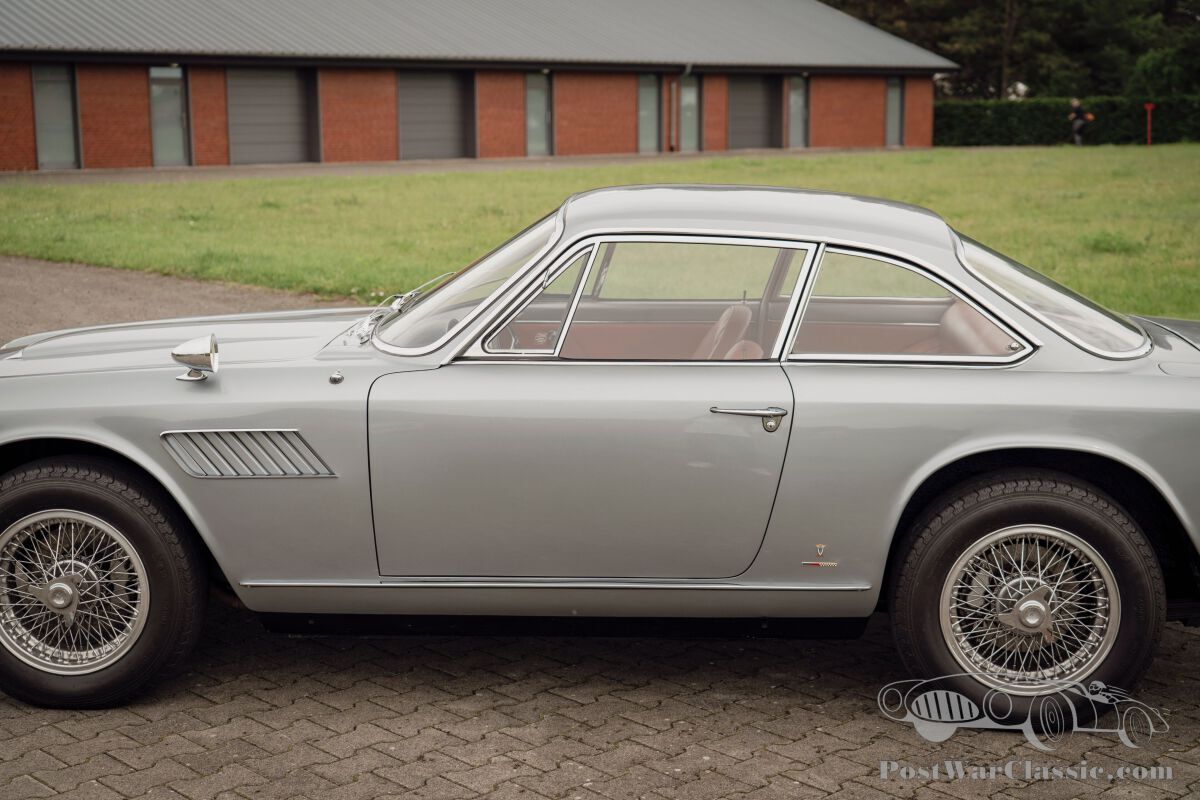
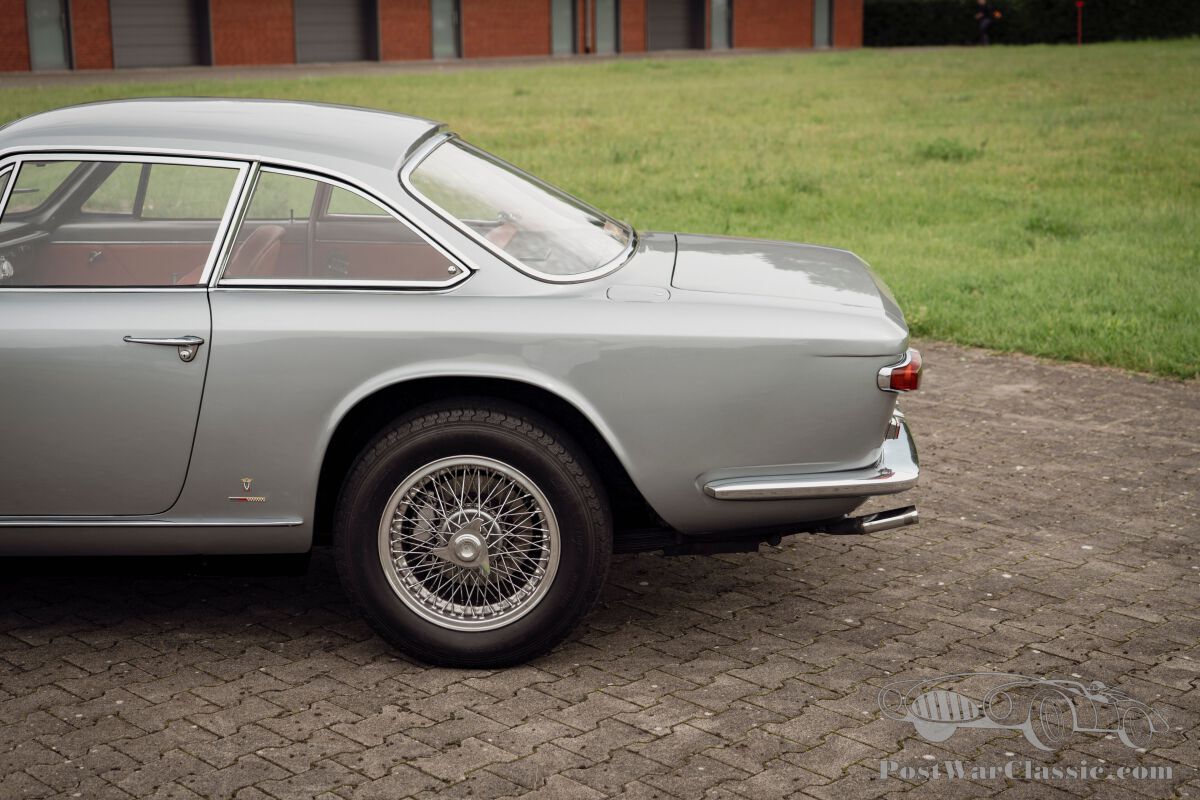
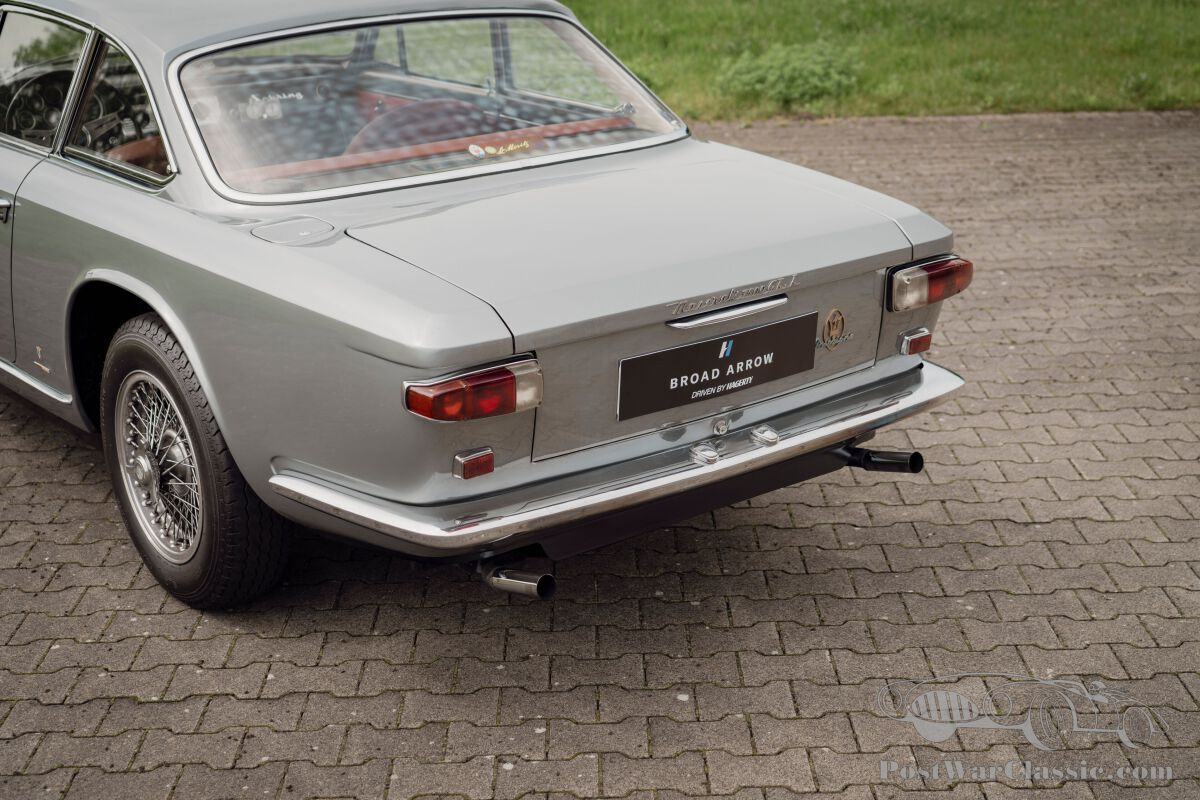
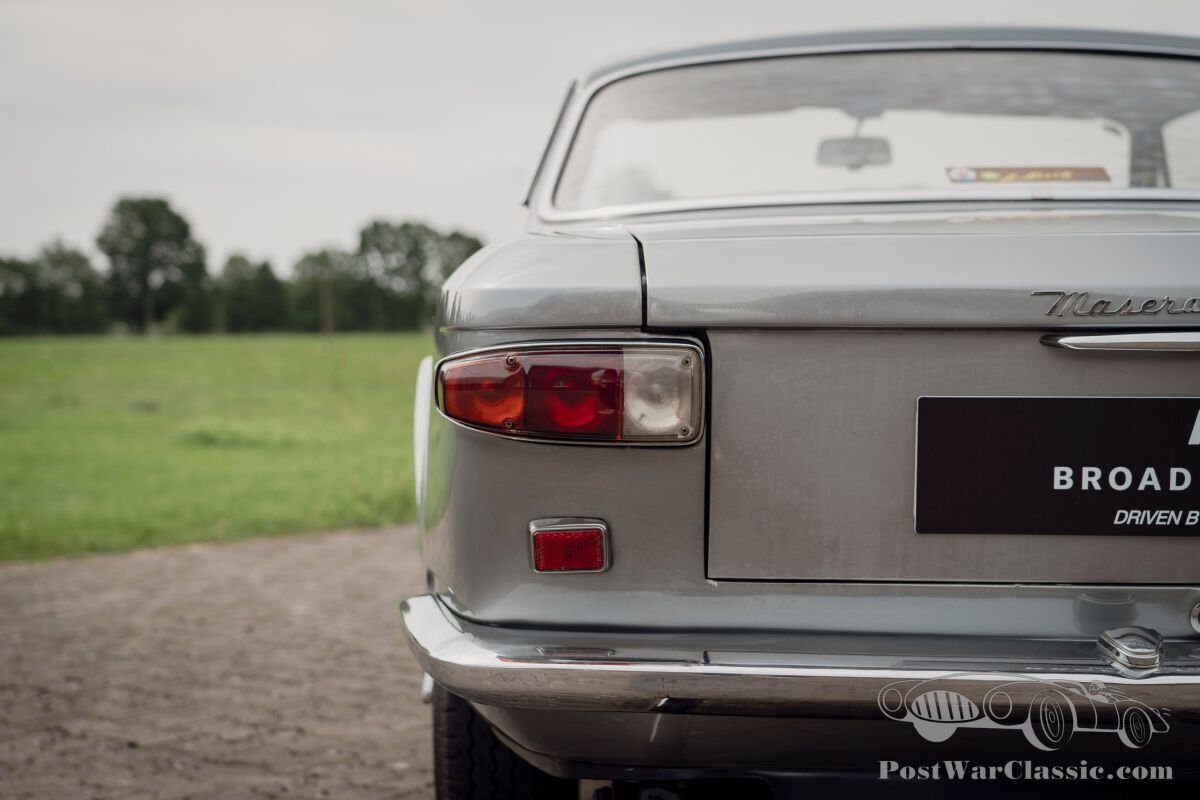
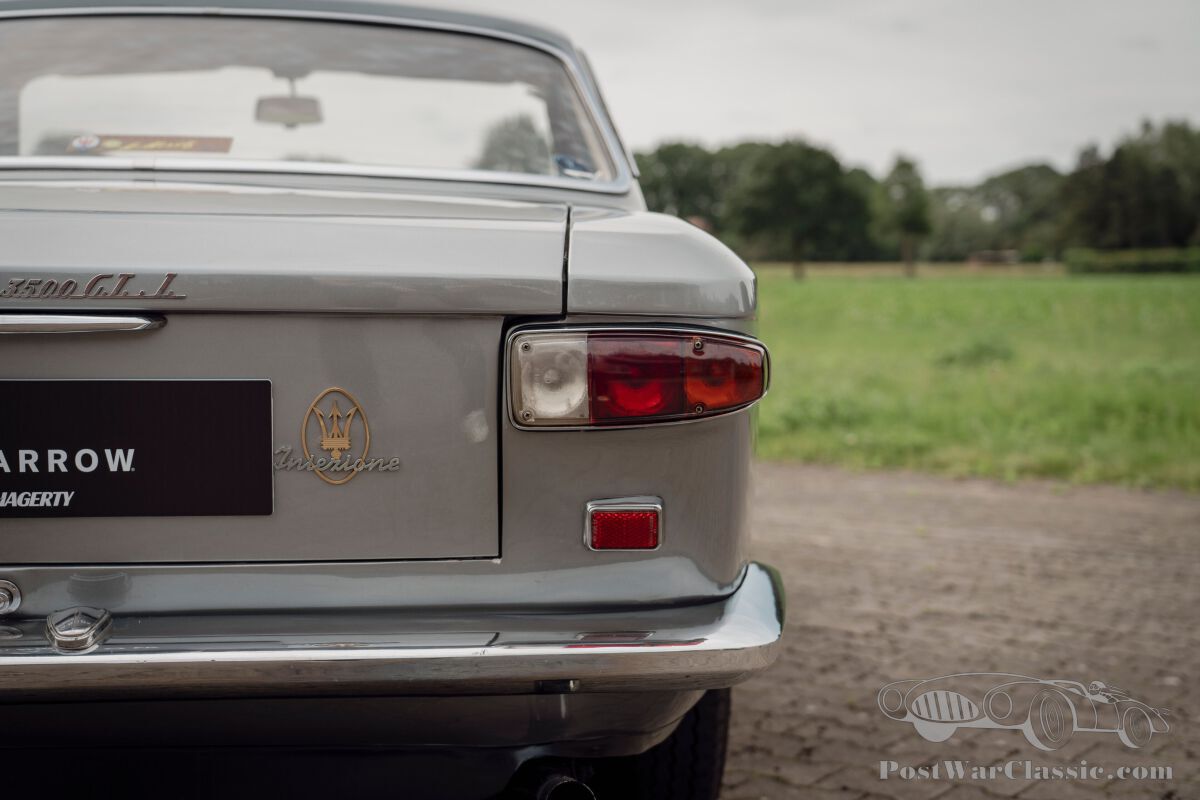
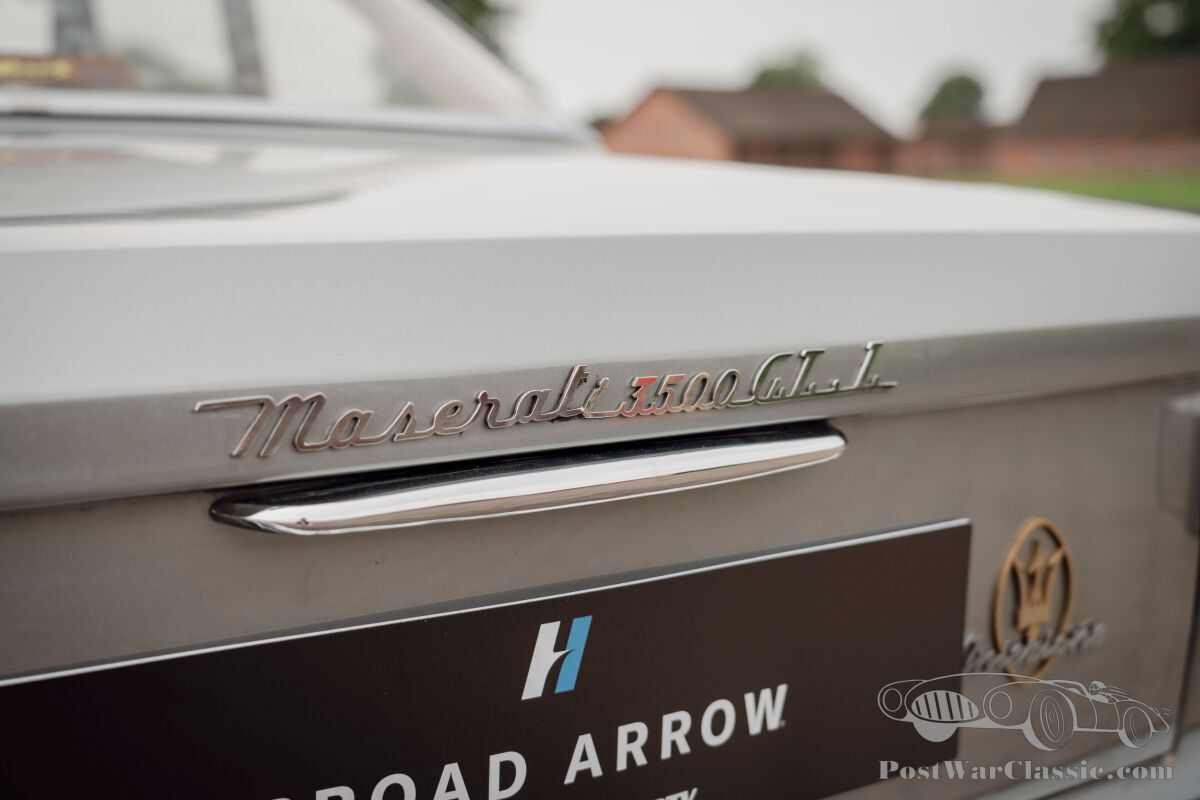
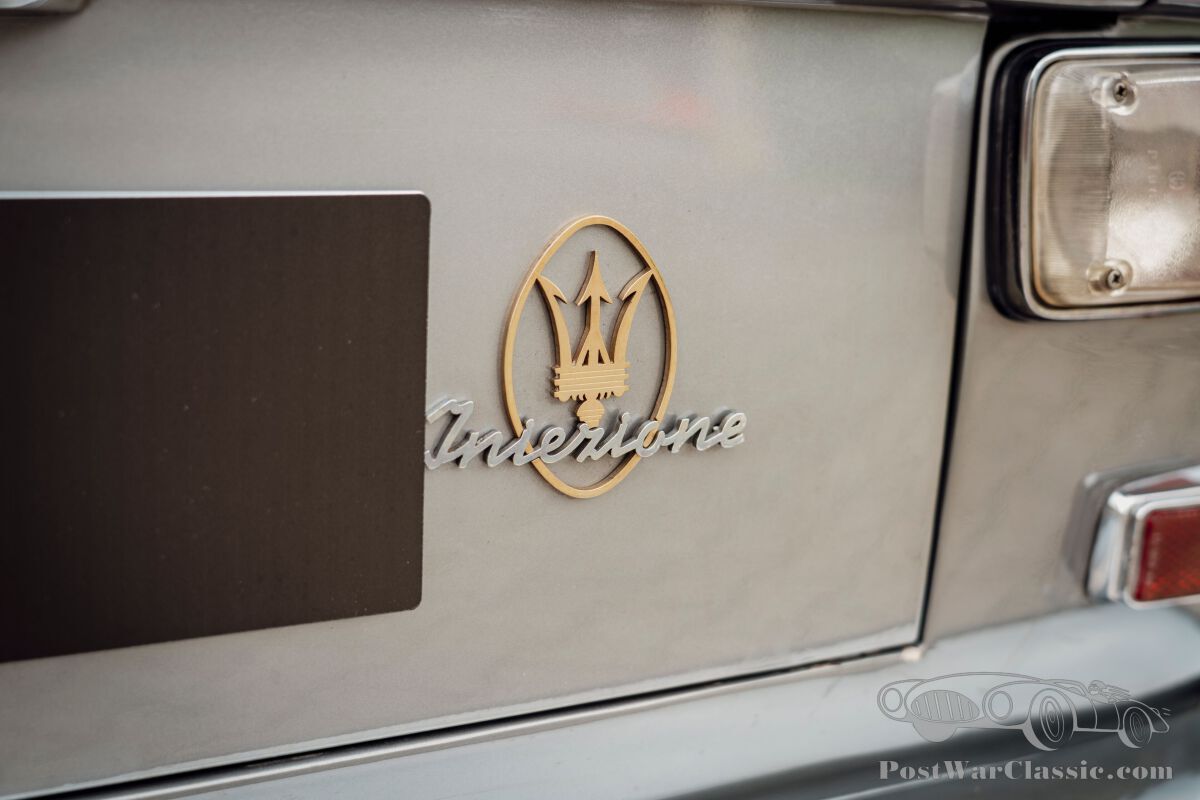
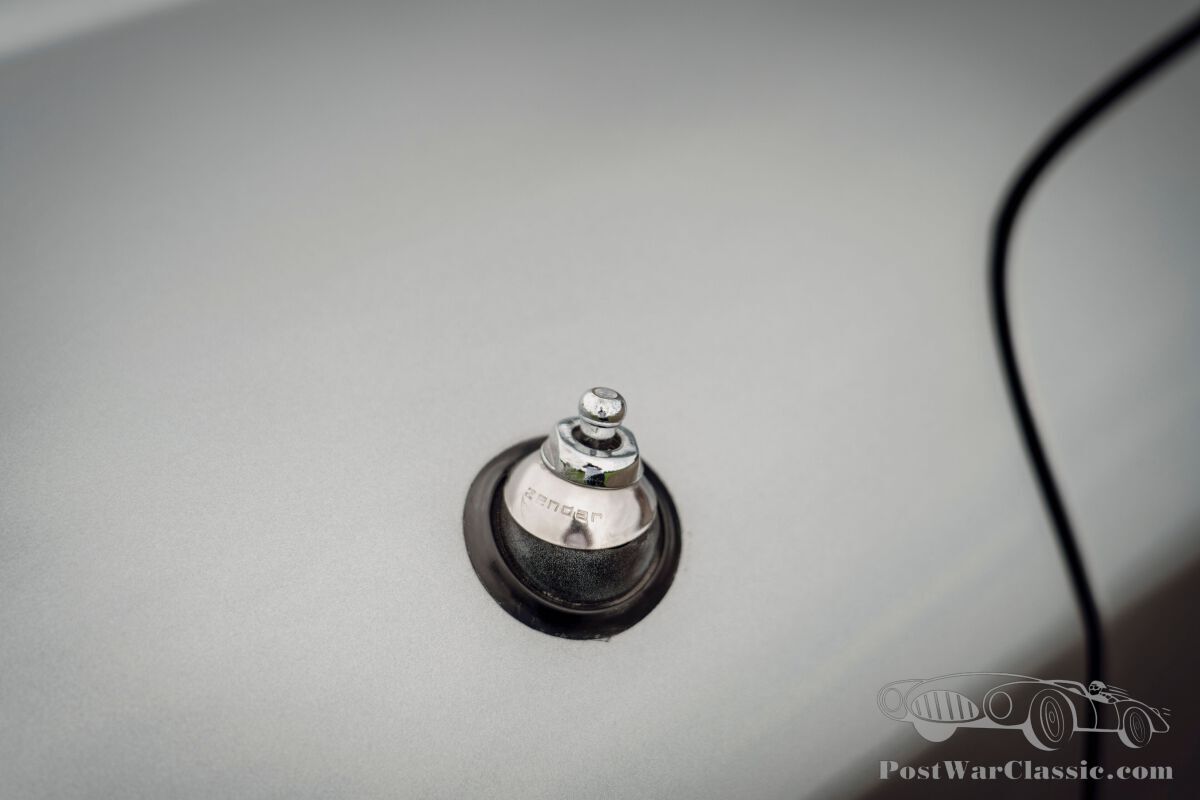
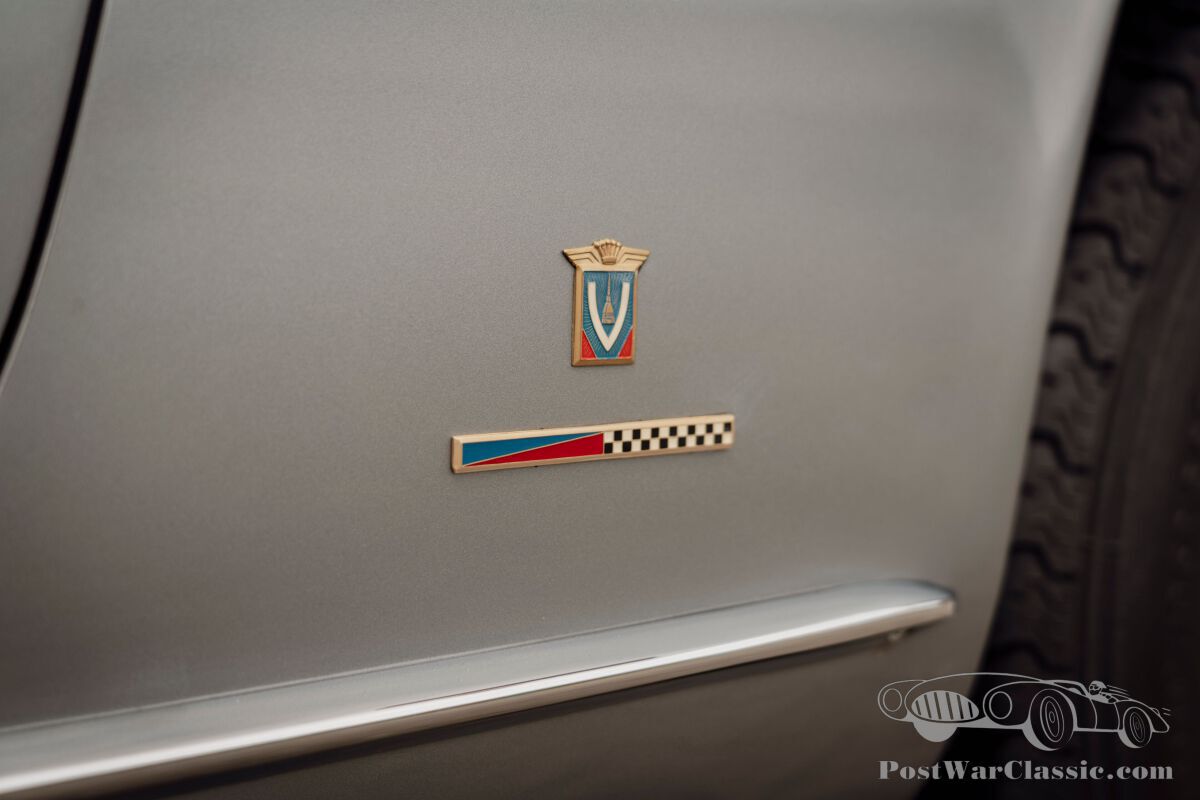
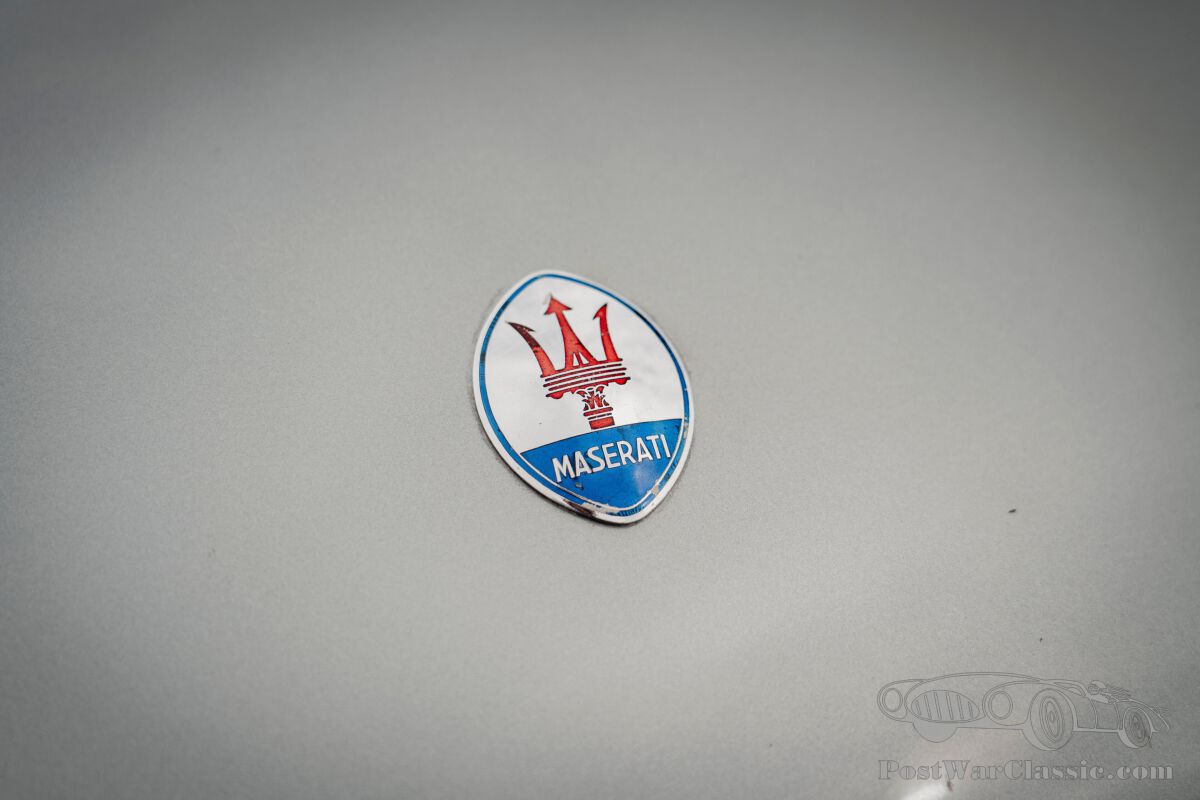
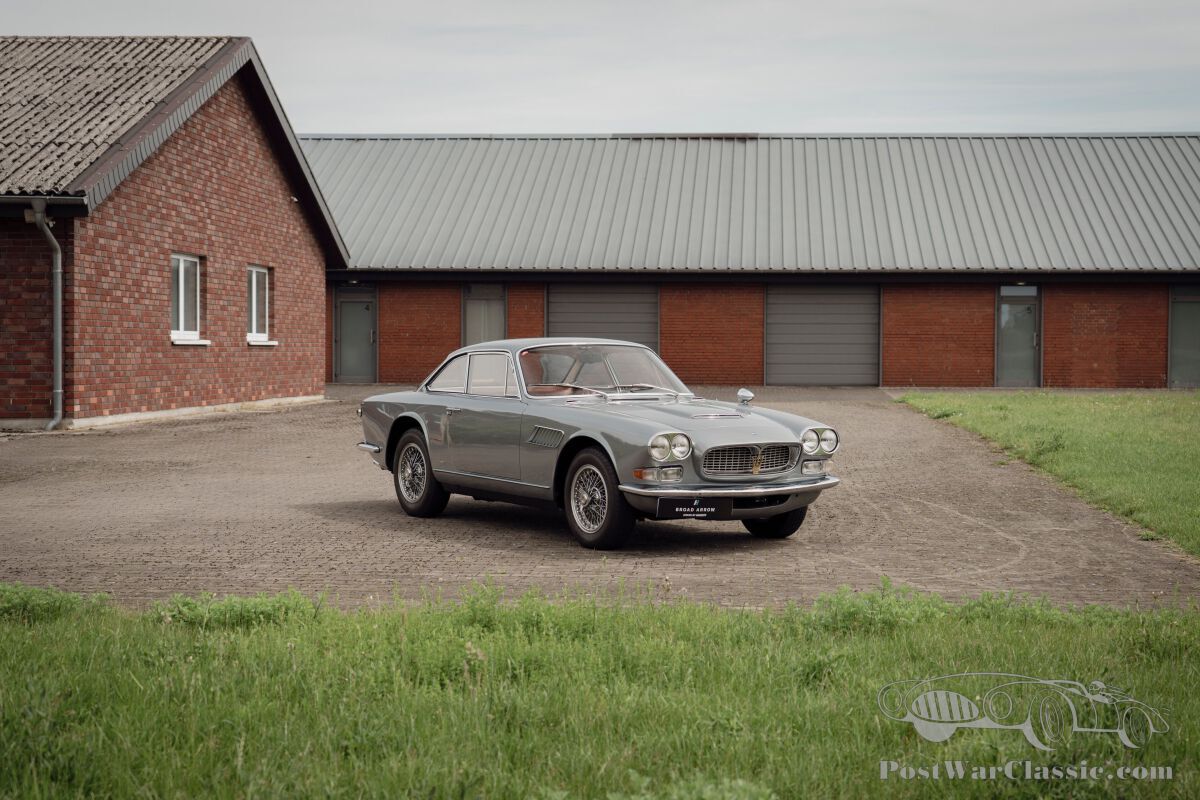


1966 Maserati Sebring
Meer advertenties van deze dealer
 2013 McLaren 50 12C by MSO
 1976 Porsche 911 Turbo
 2001 BMW Z8
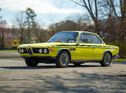 1972 BMW 3.0 CSL
Vergelijkbare advertenties Maserati Sebring 1966 te koop
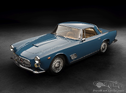 1961 Maserati 3500 GT Touring
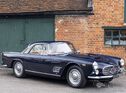 1961 Maserati 3500 GT
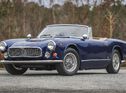 1962 Maserati 3500 GT Vignale Spyder
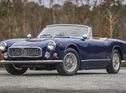 1962 Maserati 3500 GT Vignale Spyder | The Quail Auction 2026




- ASA
- Abarth
- Alfa Romeo
- Autobianchi
- Bandini
- Bianchi
- Bizzarrini
- Bugnotti
- Cagiva
- Camen Fiordelesi
- Cisitalia
- Ferrari
- Fiat
- Ghia
- Giannini
- Gillera
- Ginetta
- ISO
- Innocenti
- Inter
- Intermeccanica
- Iveco
- Lamborghini
- Lancia
- Maserati
- Minardi
- Mondial
- Monteverdi
- Nardi
- OSCA
- Pagani
- Parilla
- Piaggio
- Pininfarina
- Riva
- Siata
- Stanguellini
- Swallow Doretti
- Tecno
- Vespa
Anders Italiaans auto's te koop
Adverteerder Broad Arrow Private Sales
- Naam: Broad Arrow Private Sales
-
Adres:
High Road 869
N12 8QA US/

Stuur bericht