Het wereldwijde magazine en verkoopplatform voor liefhebbers van klassieke auto’s, door liefhebbers.
Het wereldwijde magazine en verkoopplatform voor liefhebbers van klassieke auto’s, door liefhebbers.


Filter



2017 Ford GT | The Quail Auction 2026
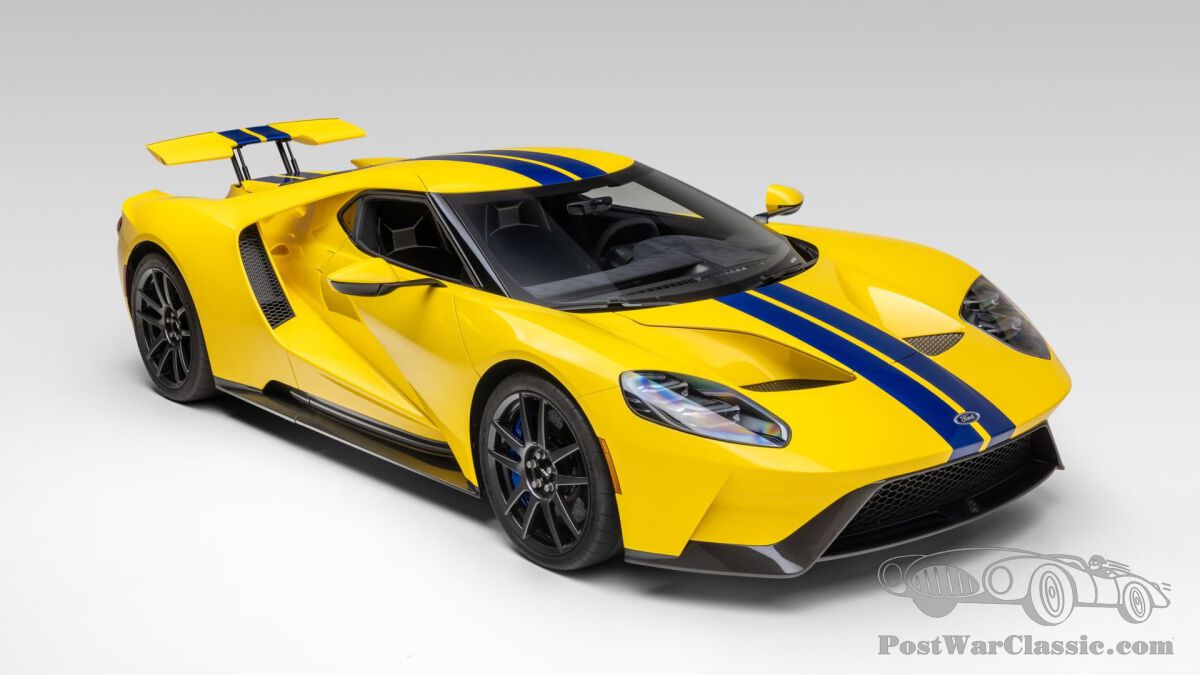
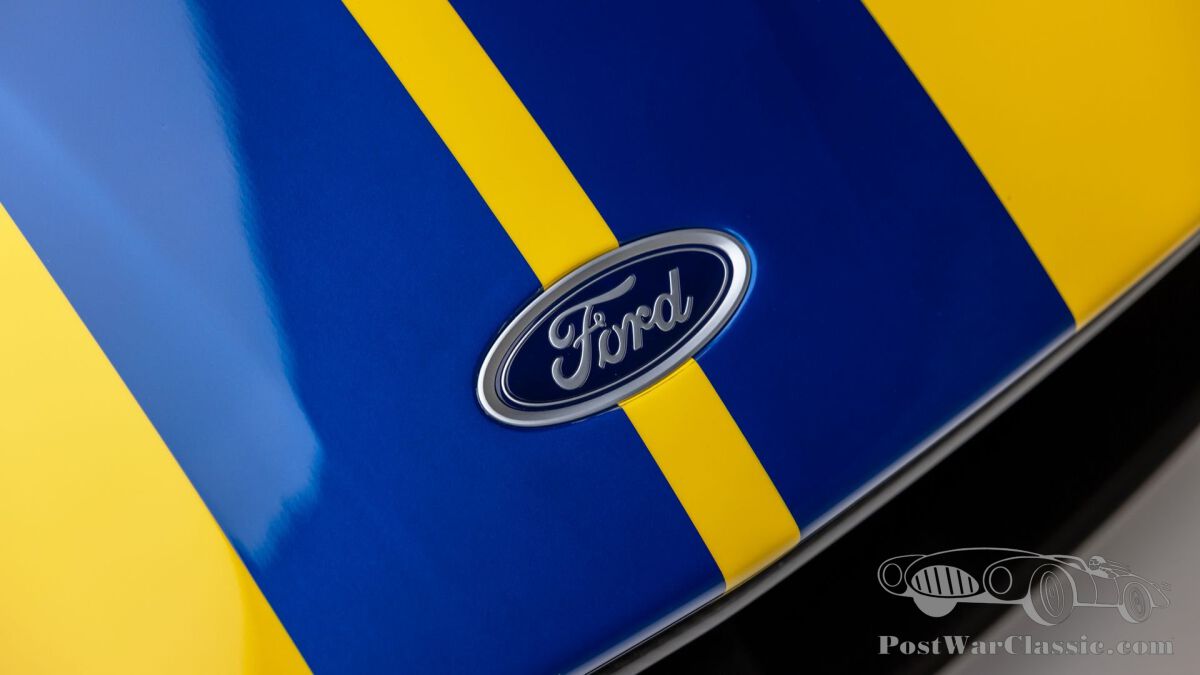
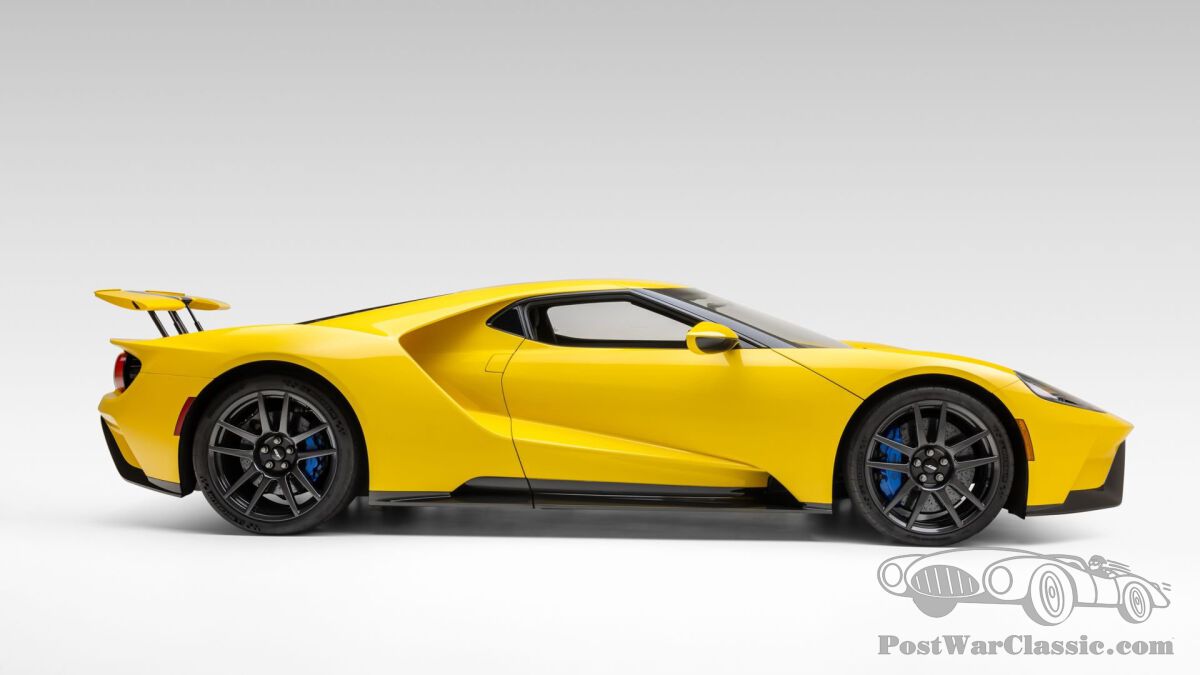
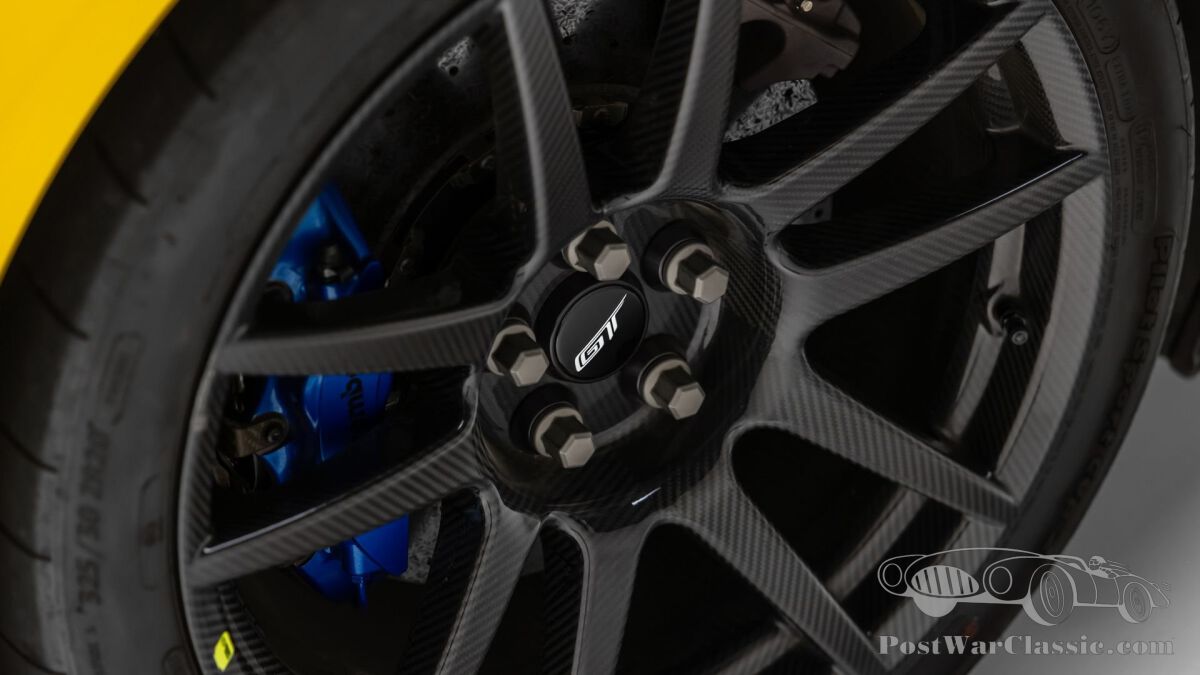
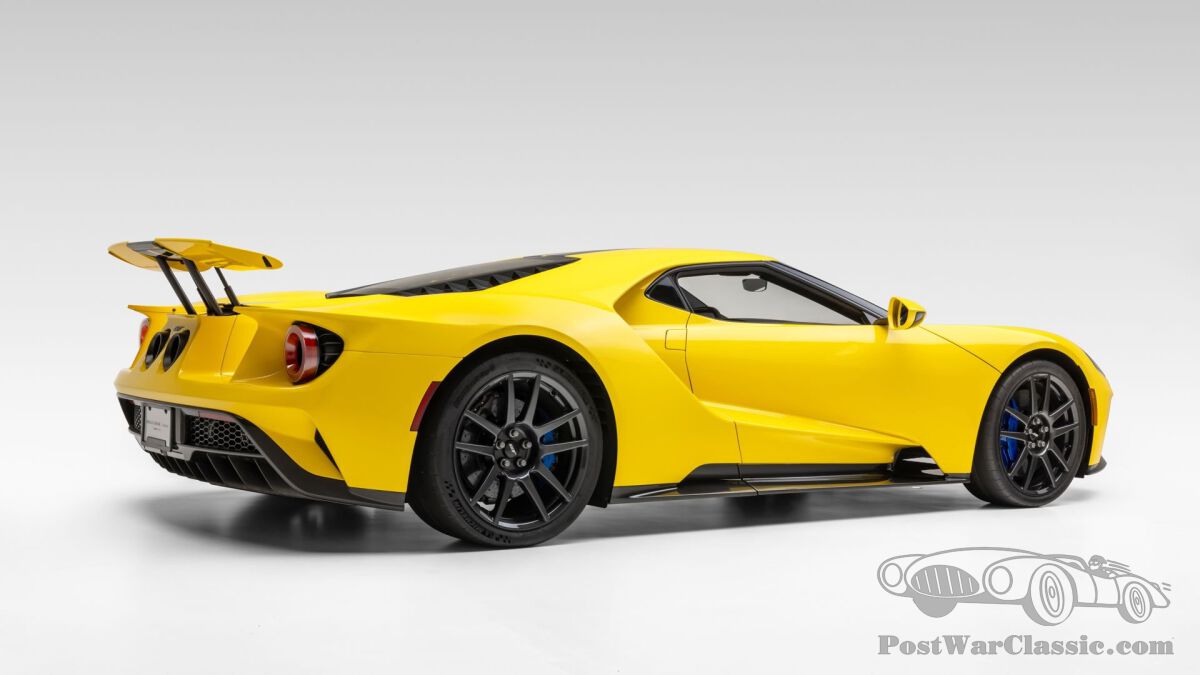
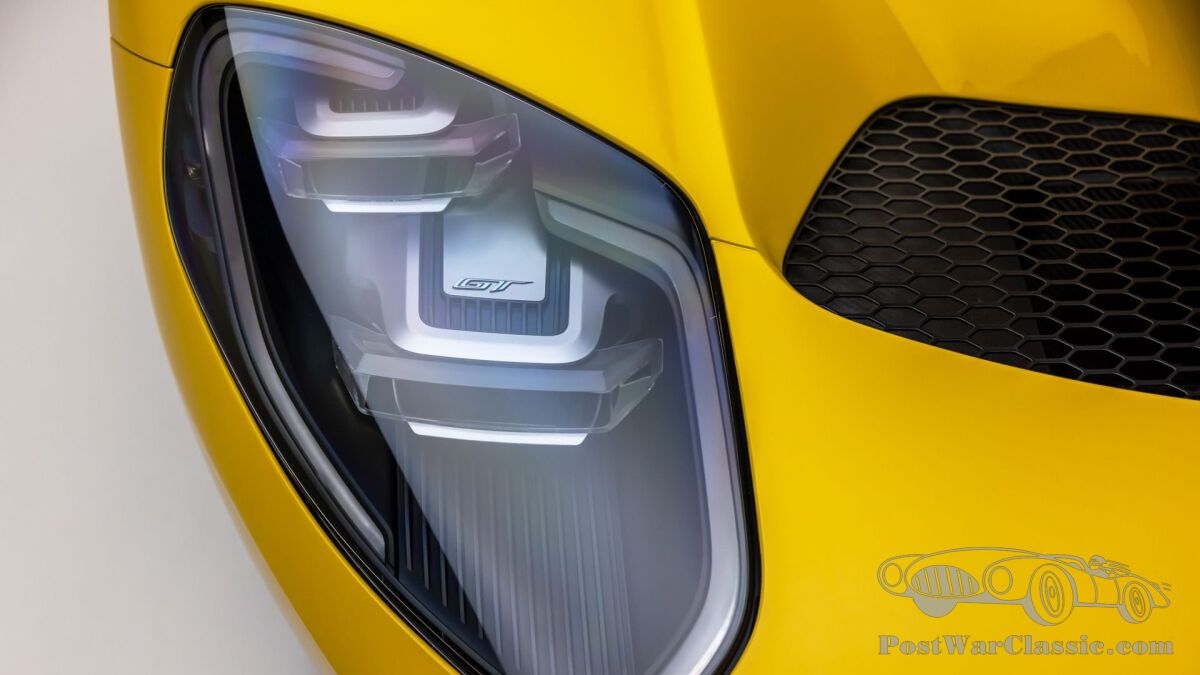

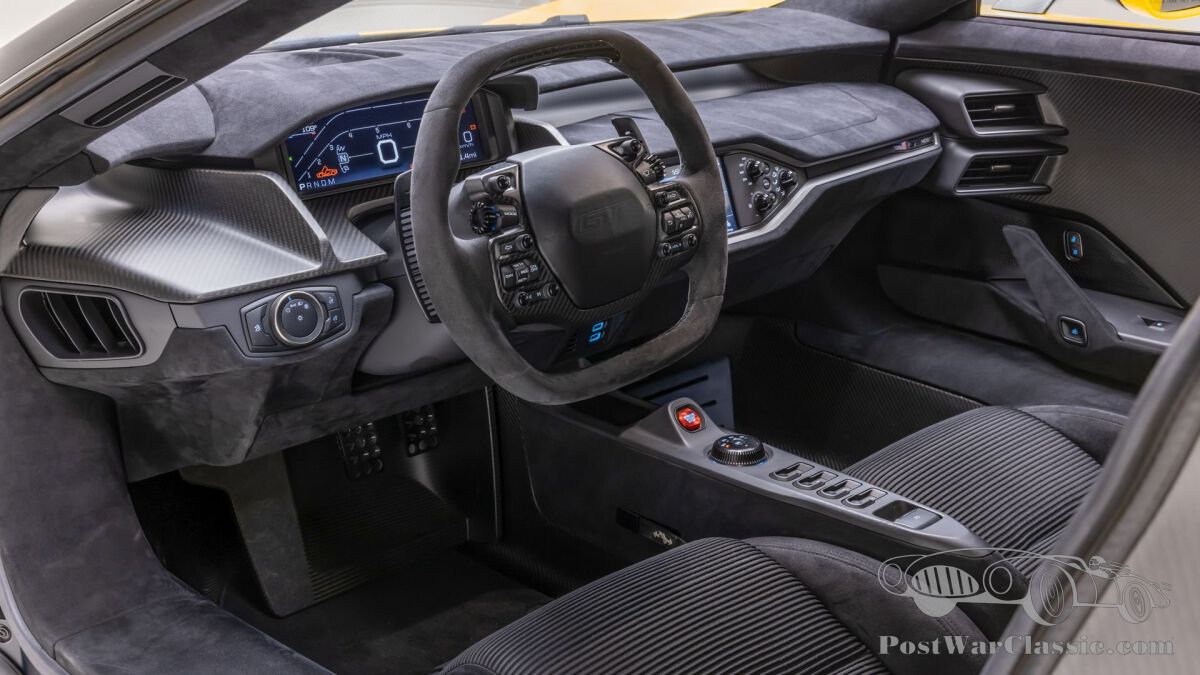
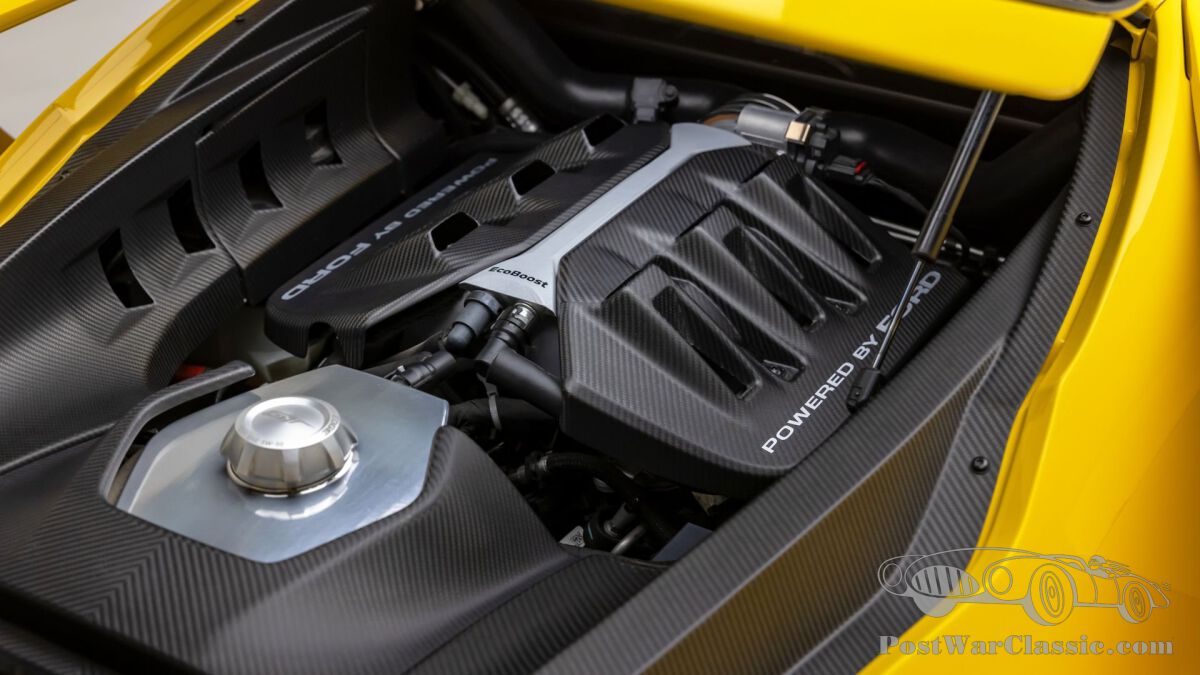




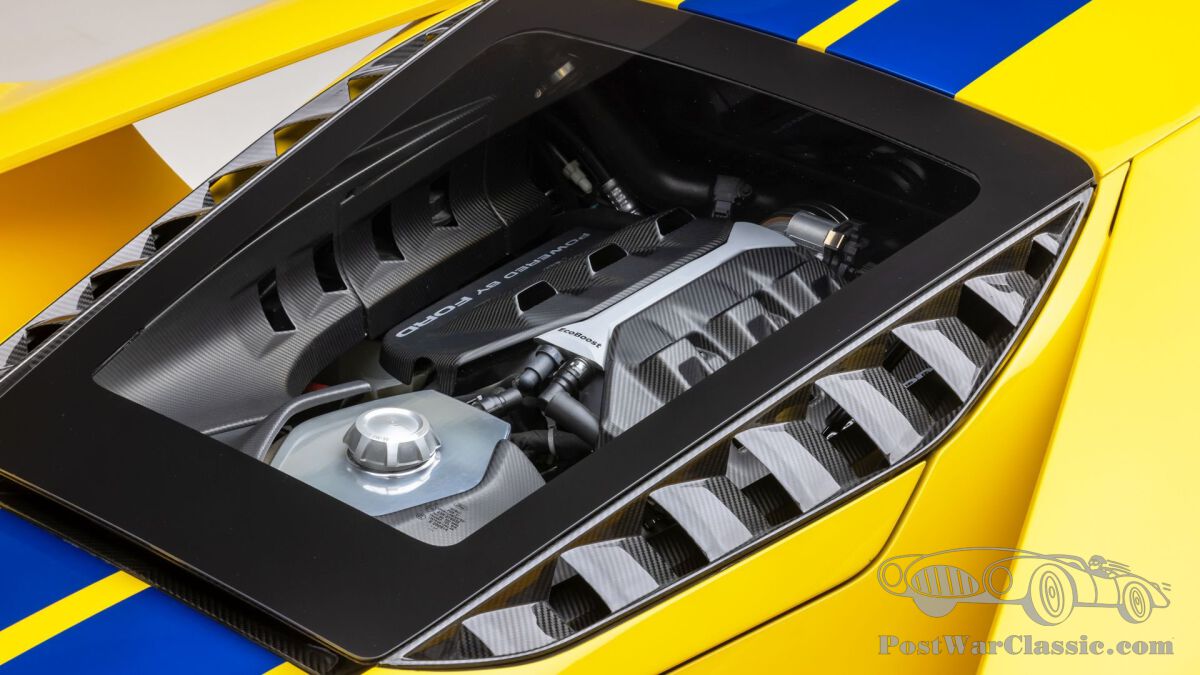
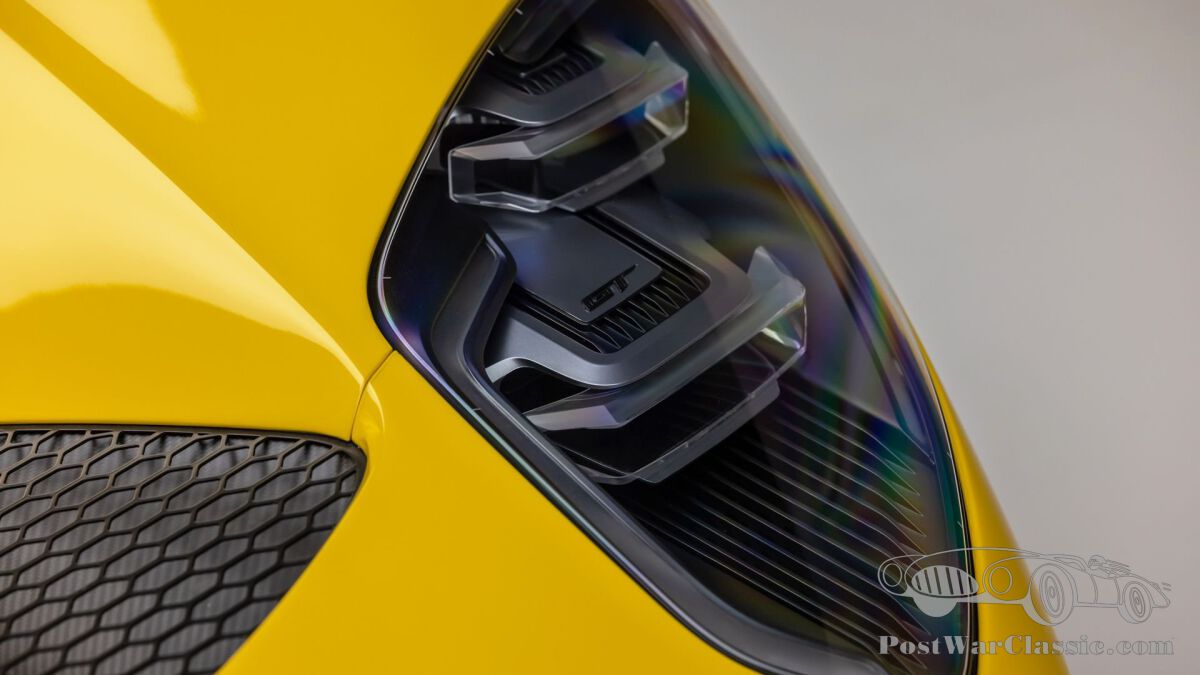
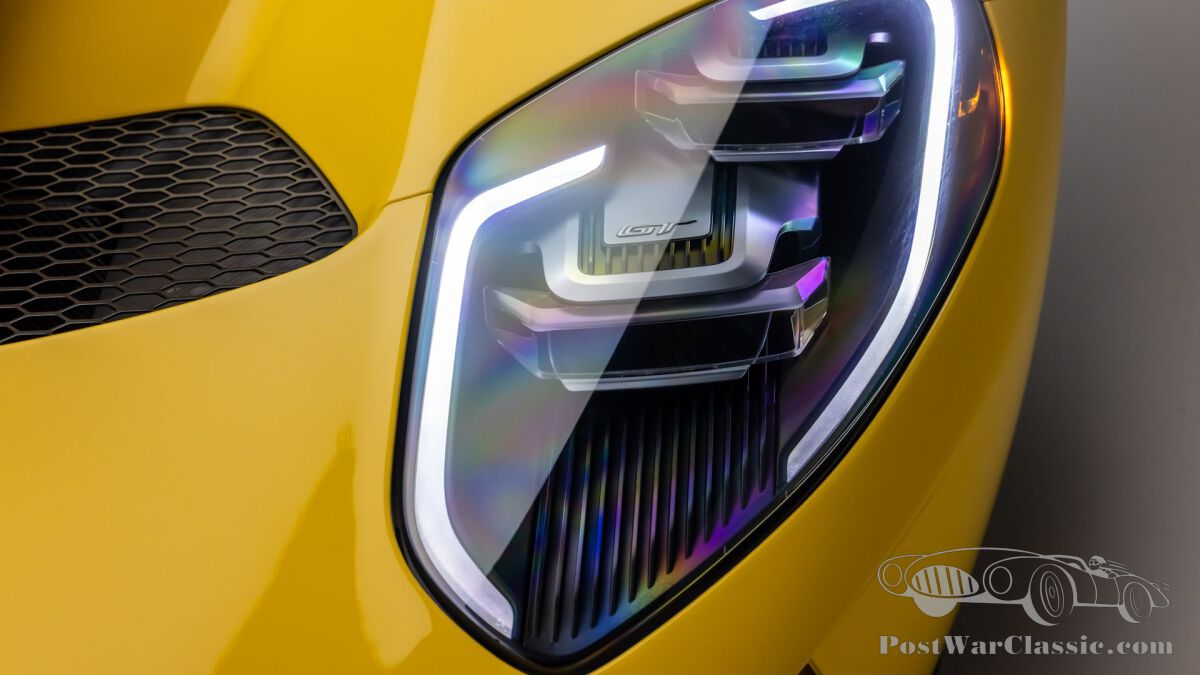
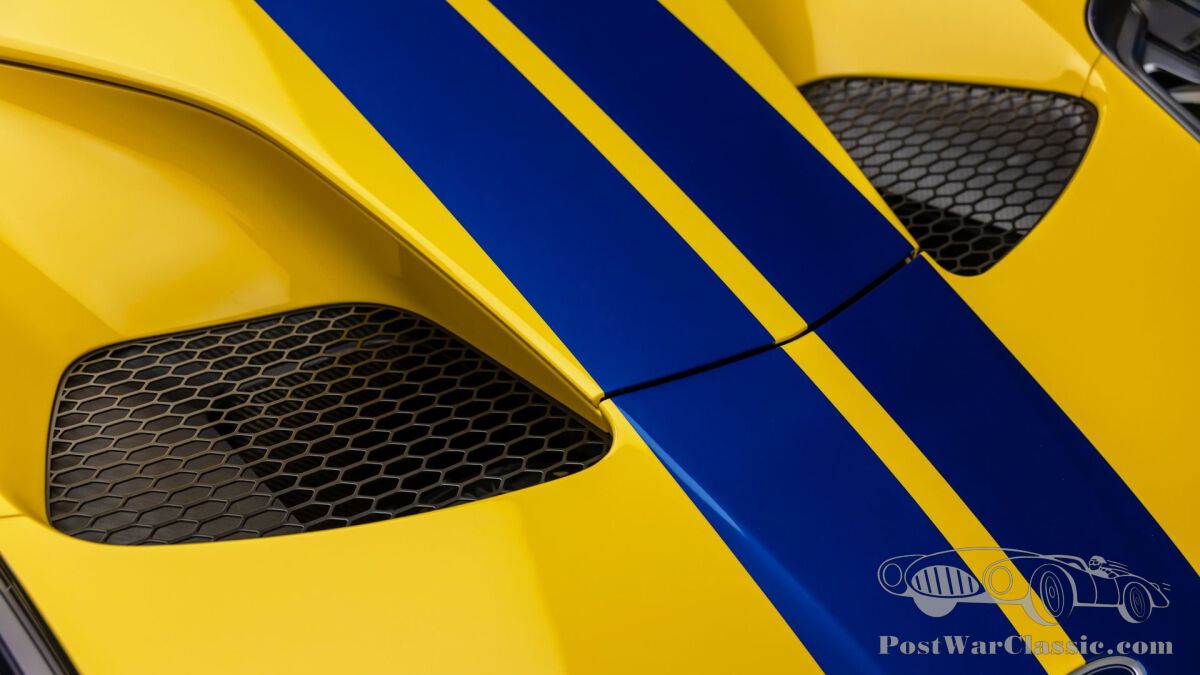
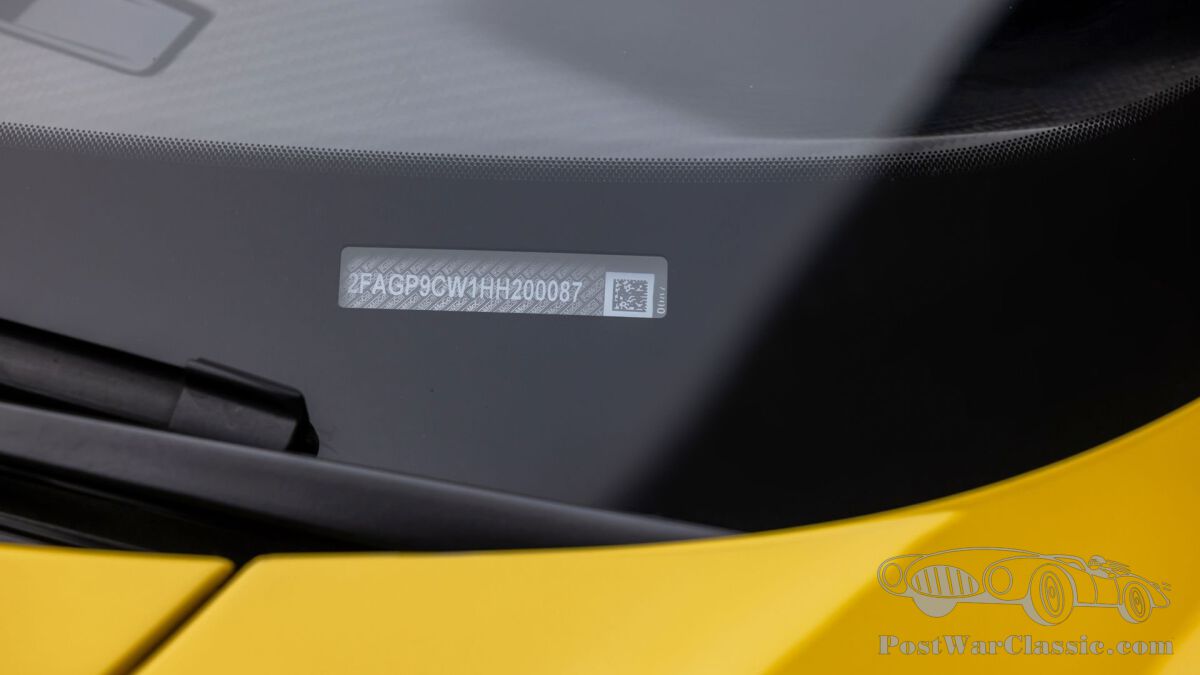
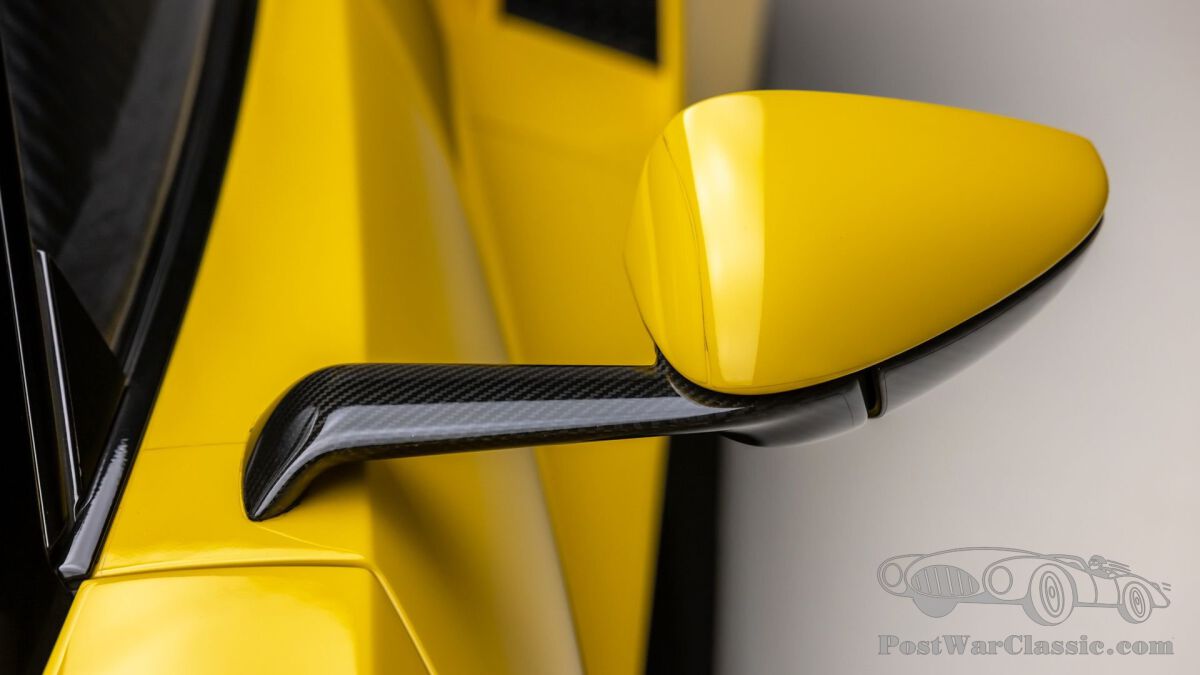
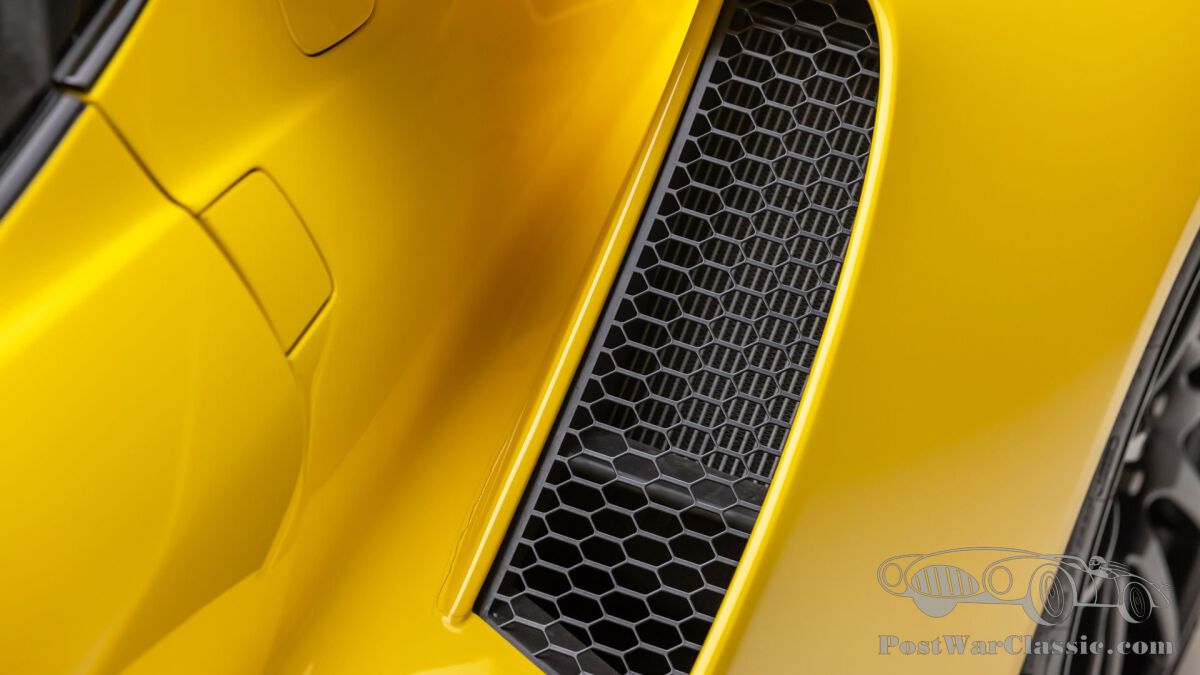
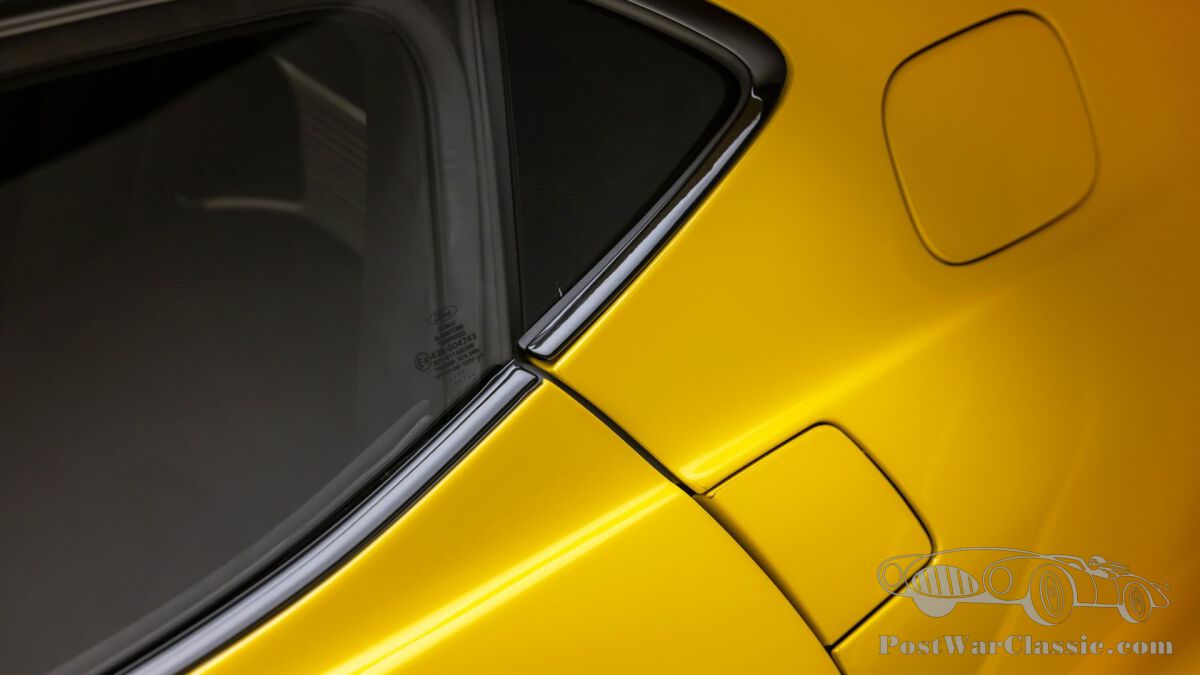
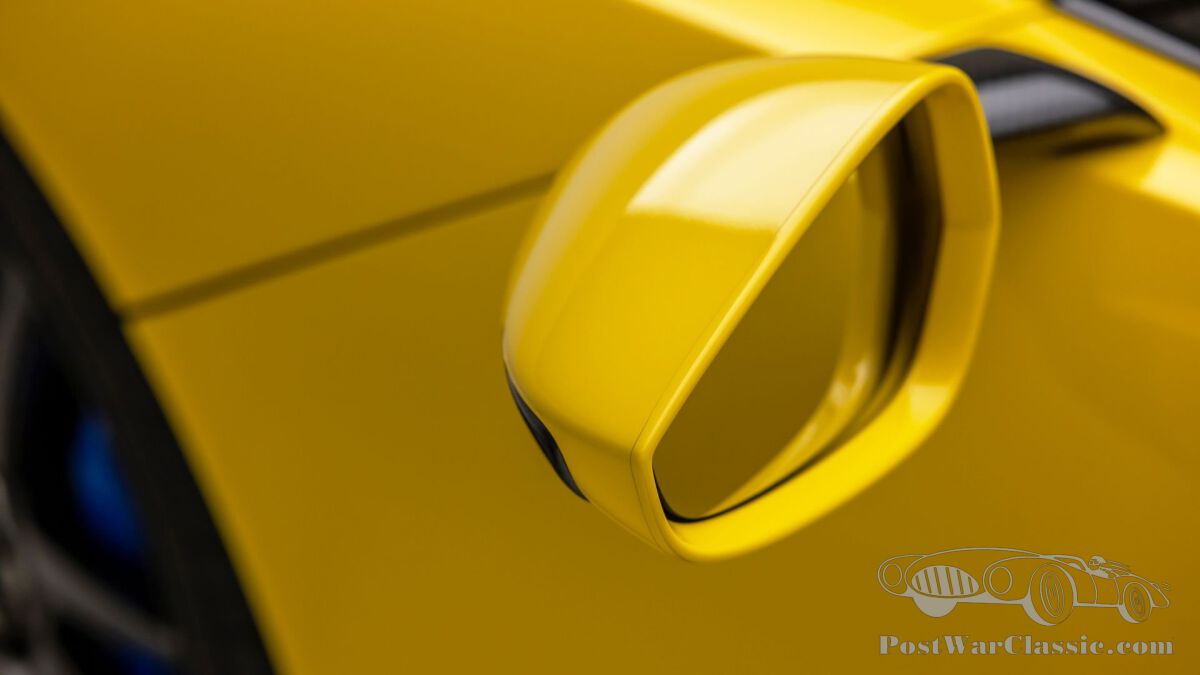
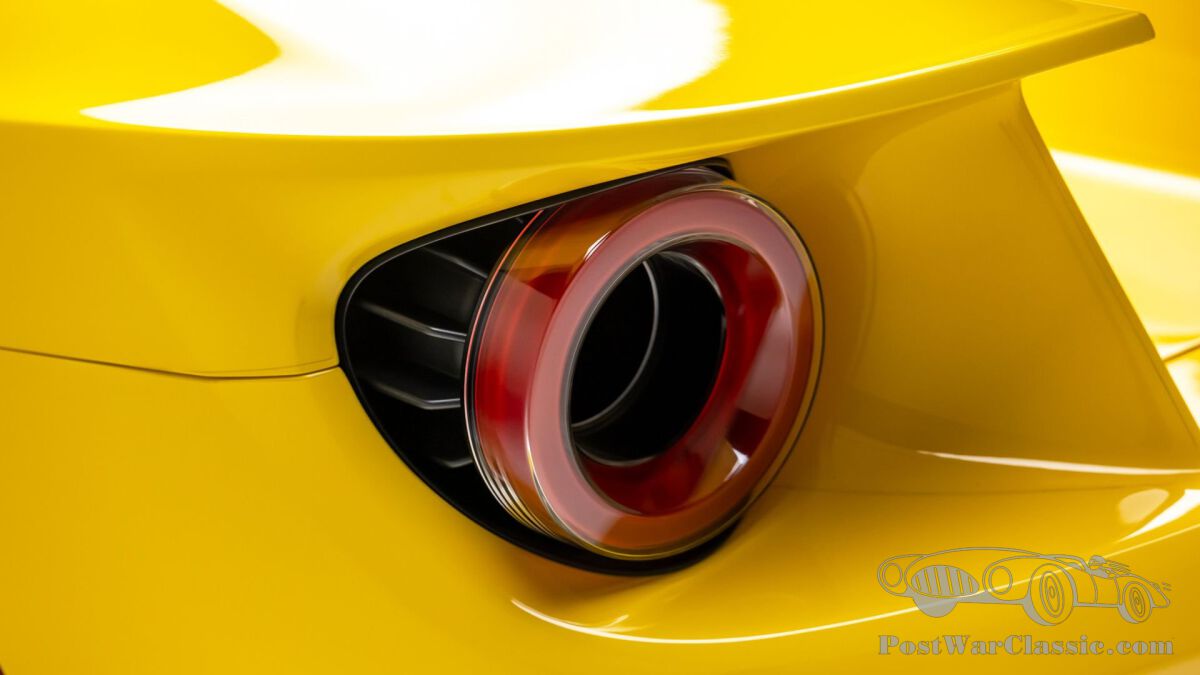
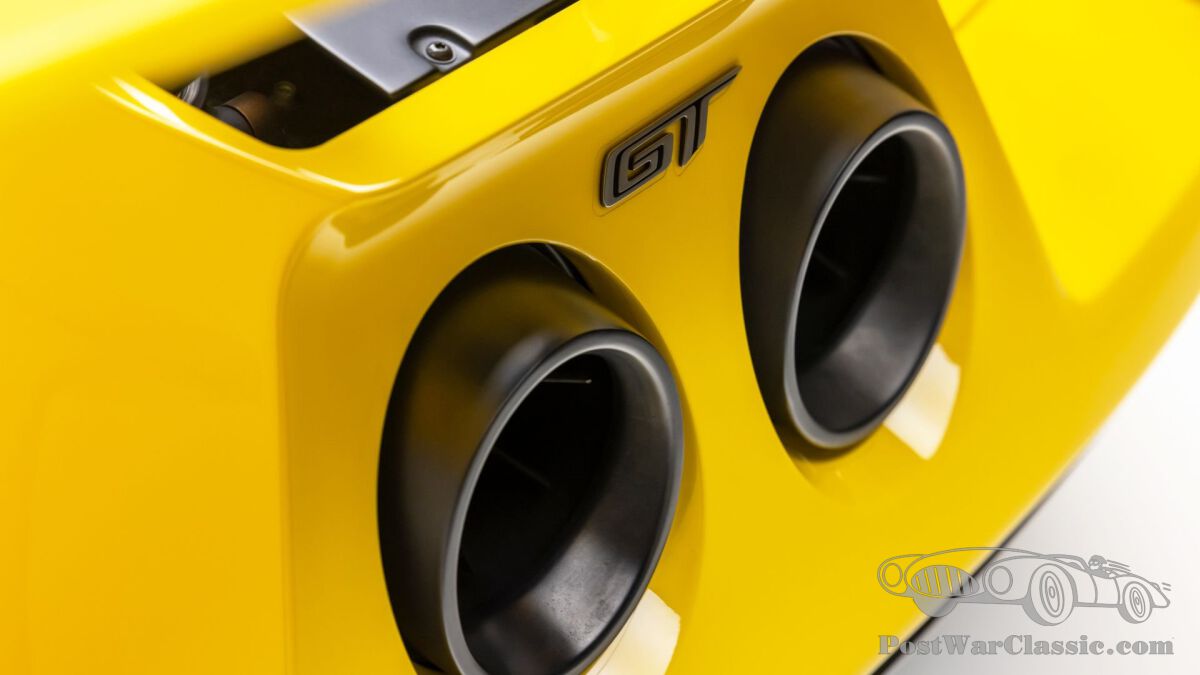
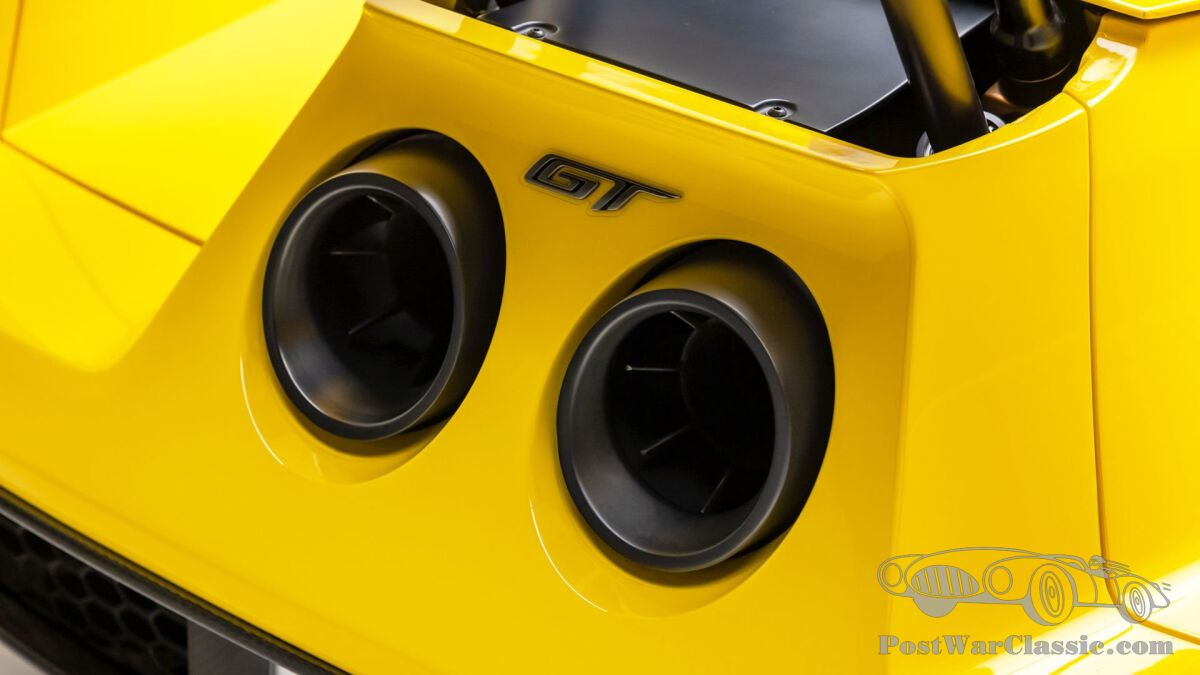
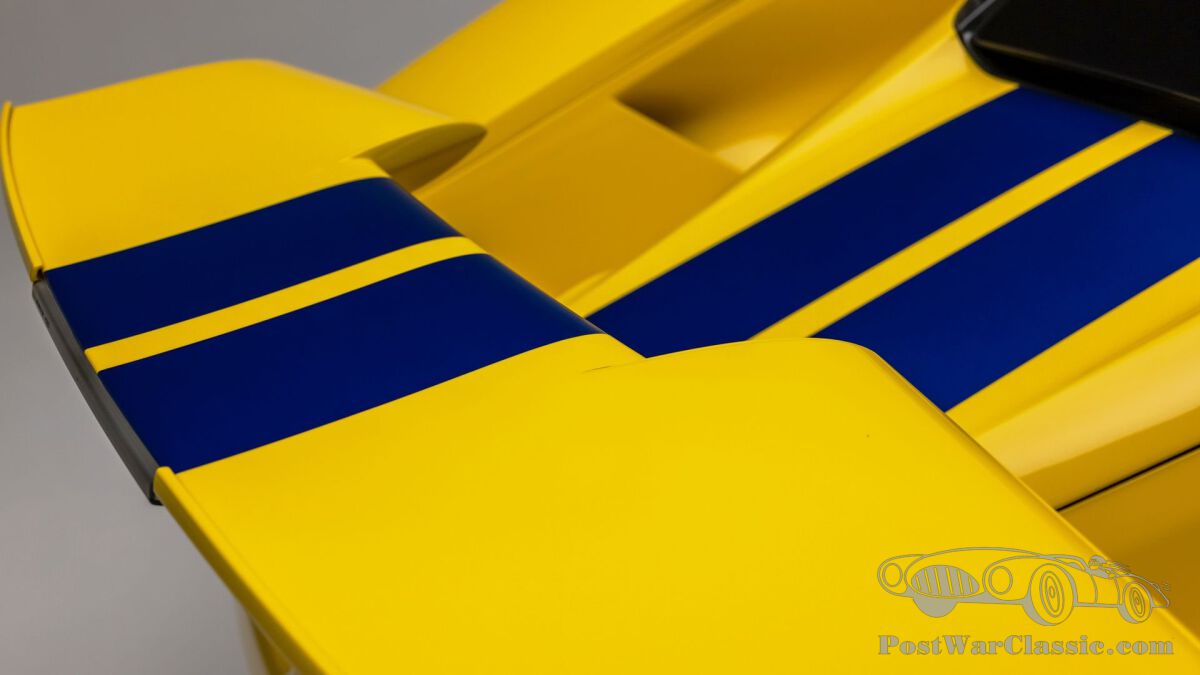
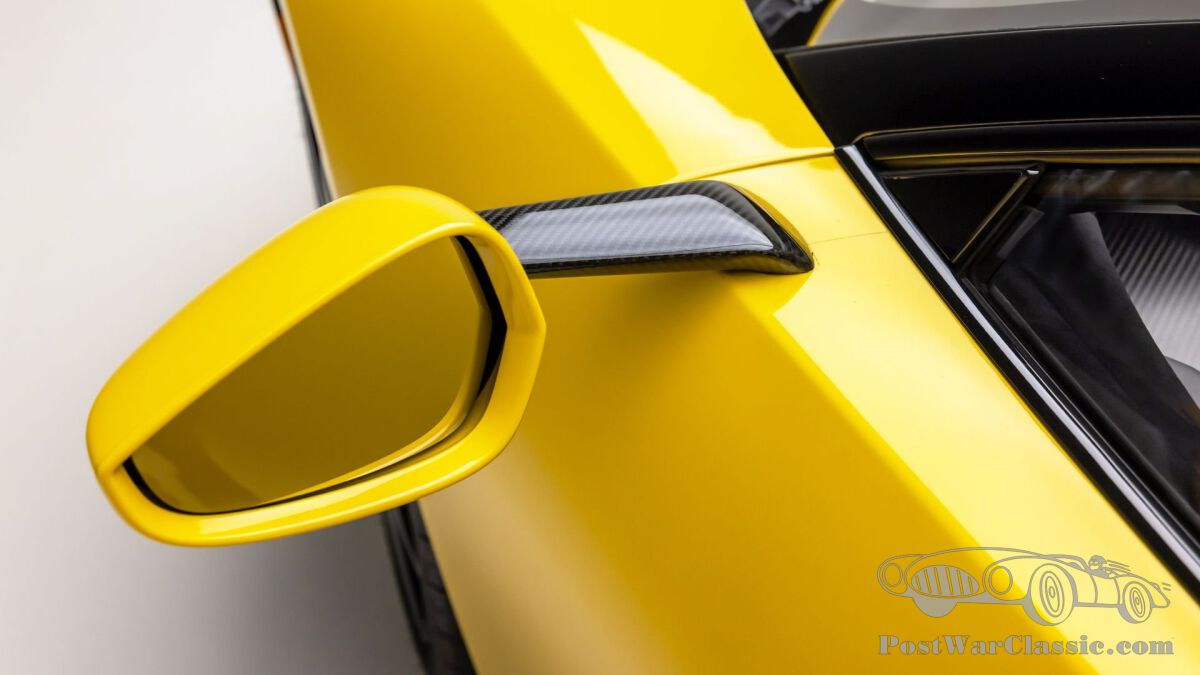
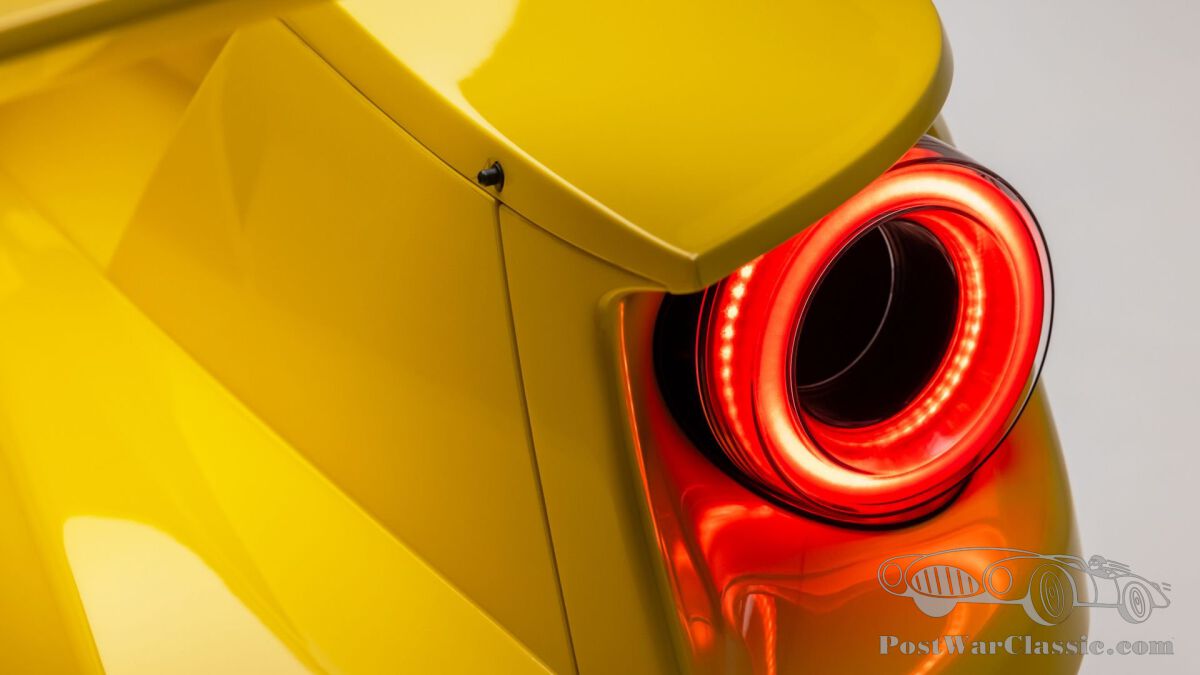
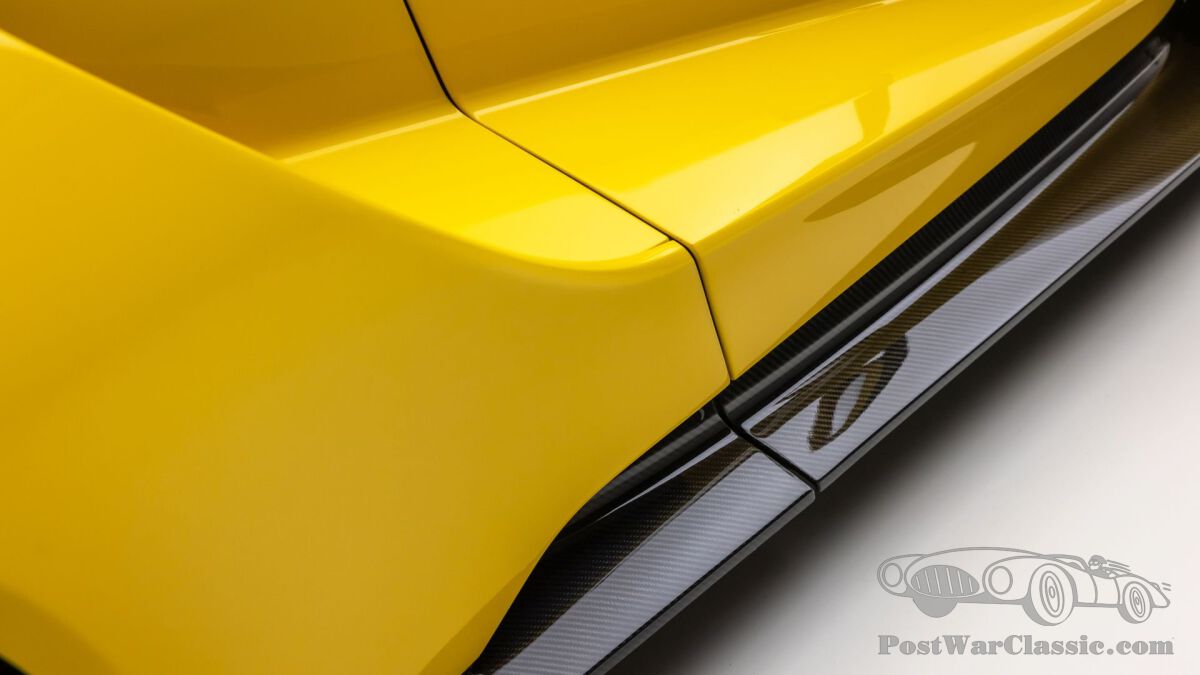
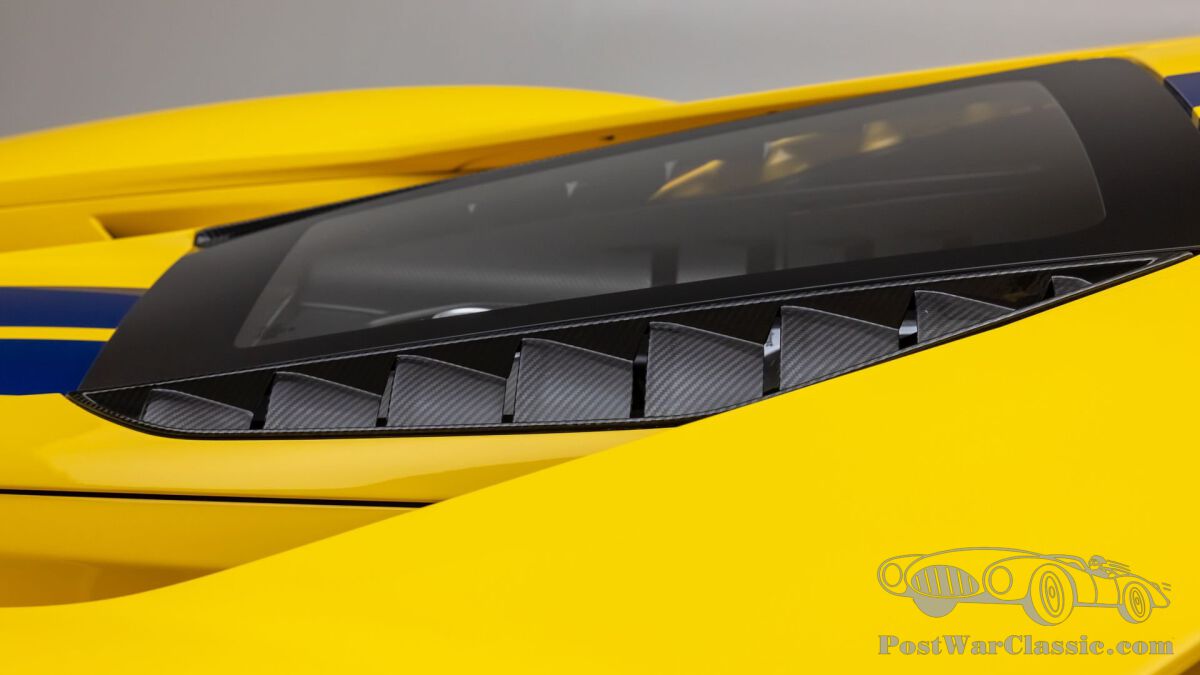
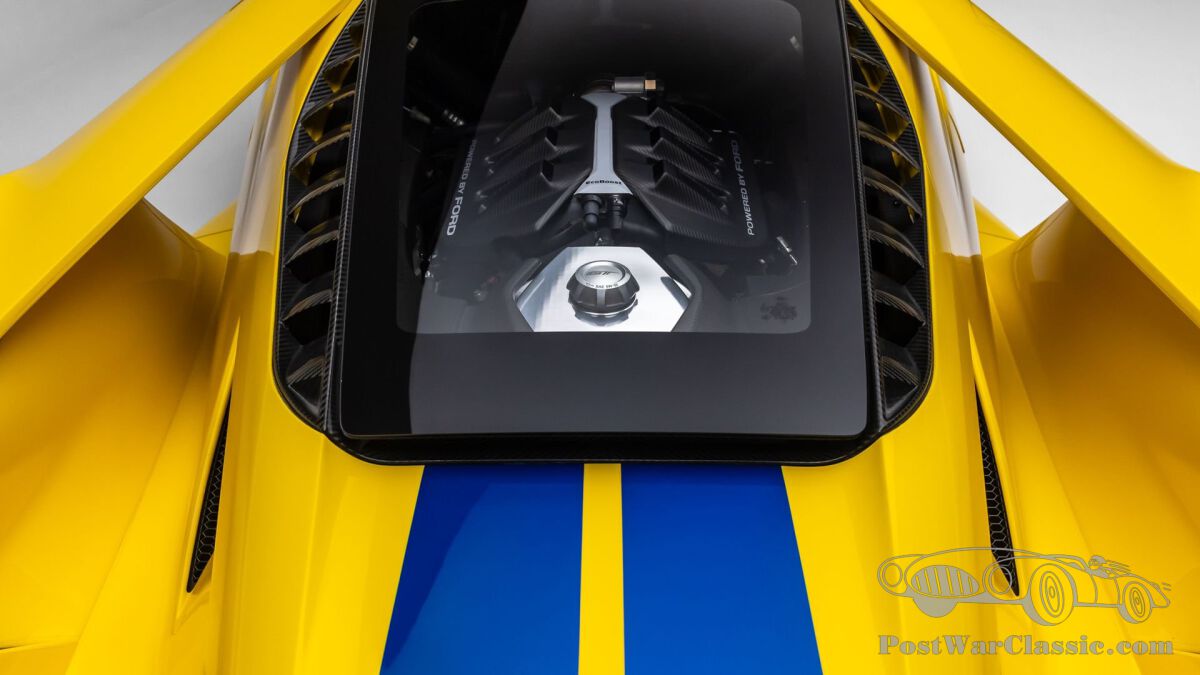
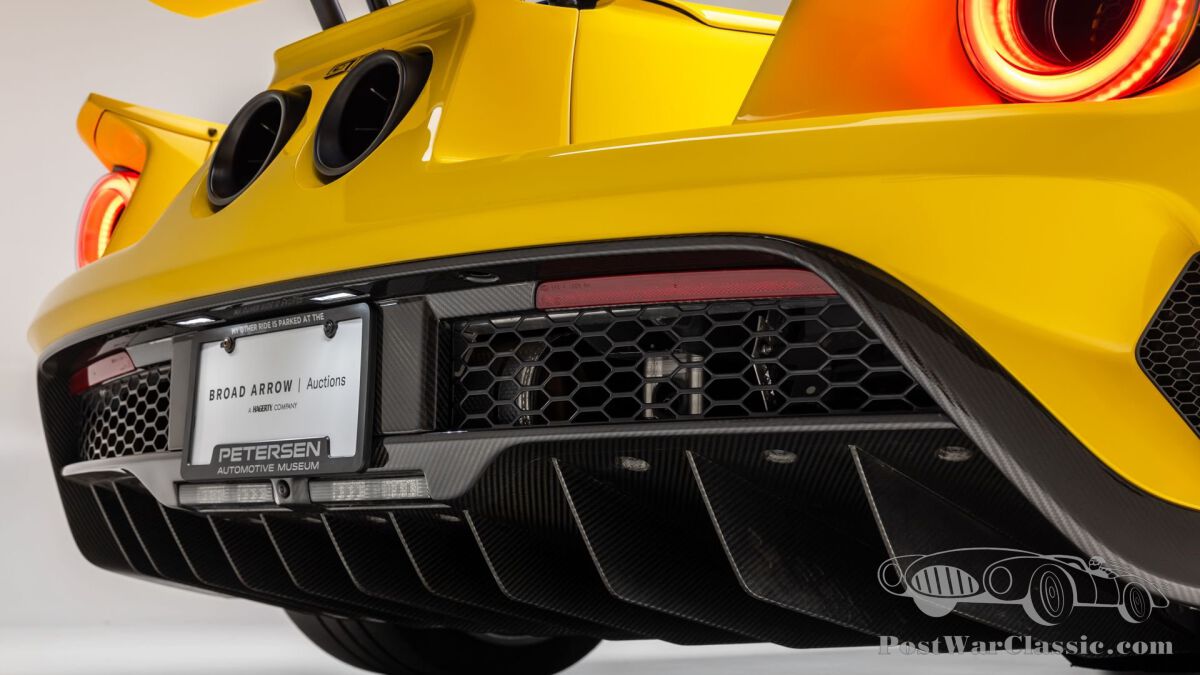
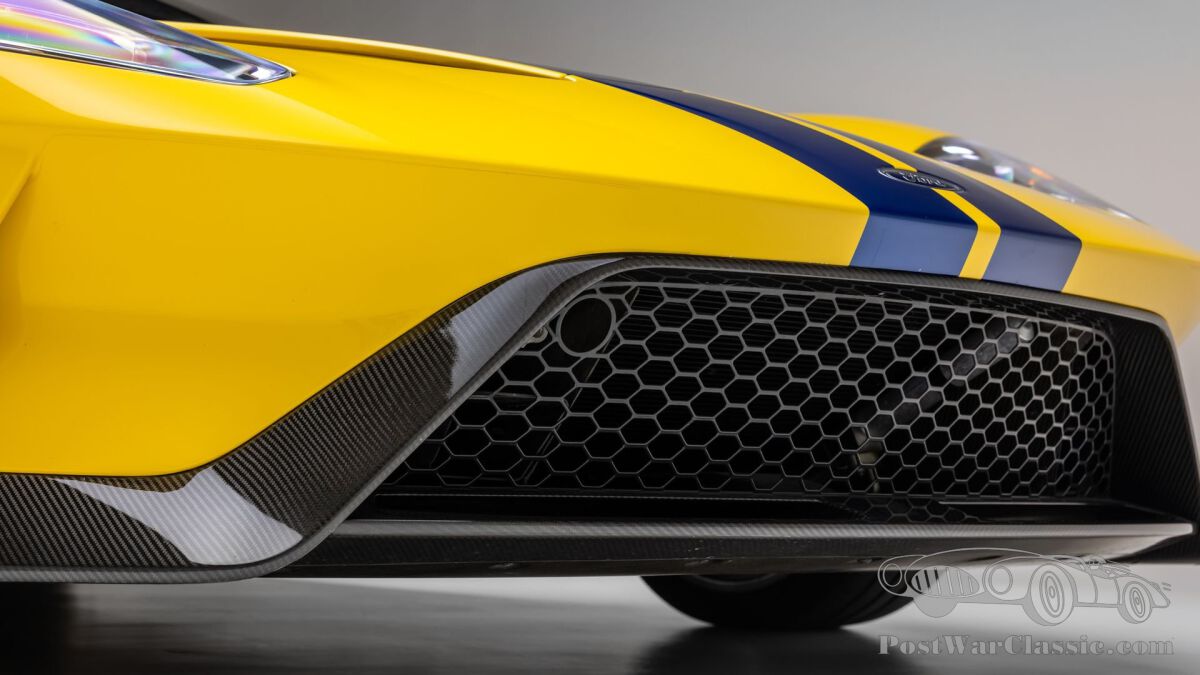
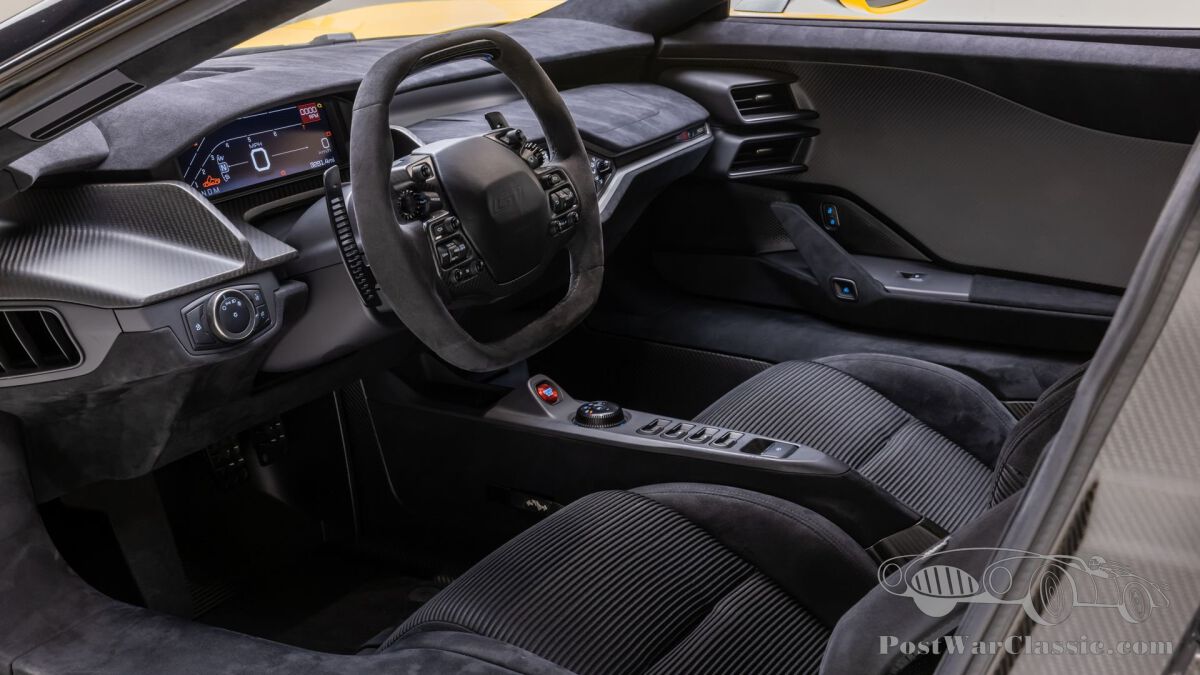
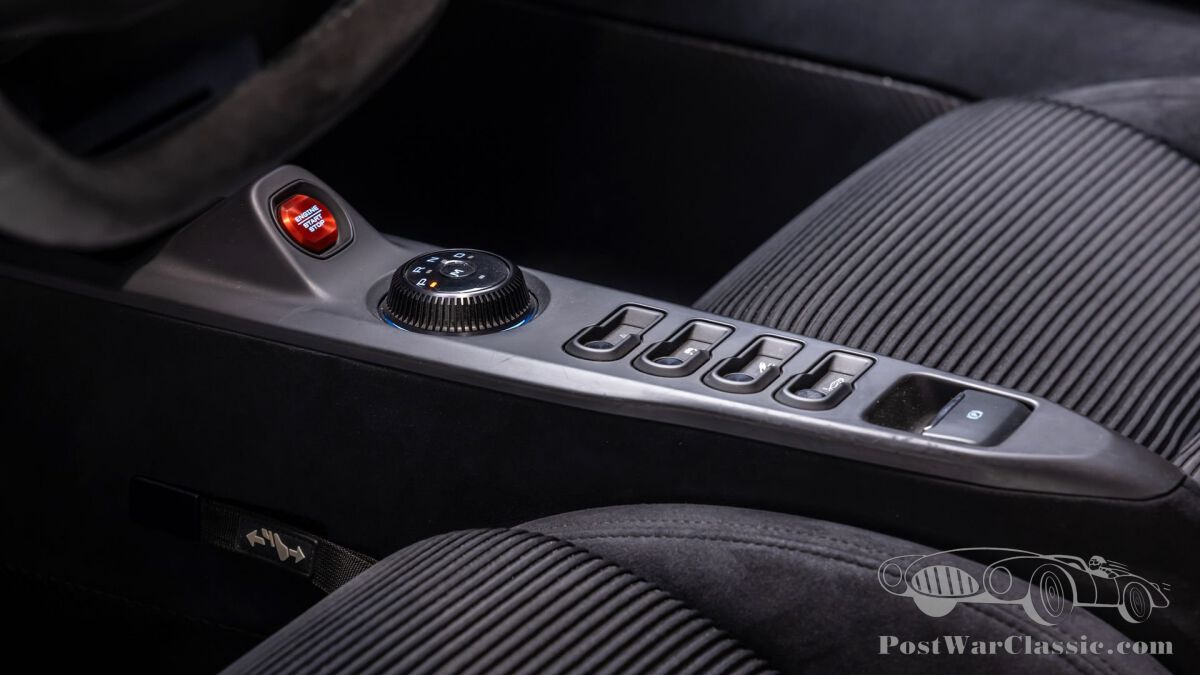
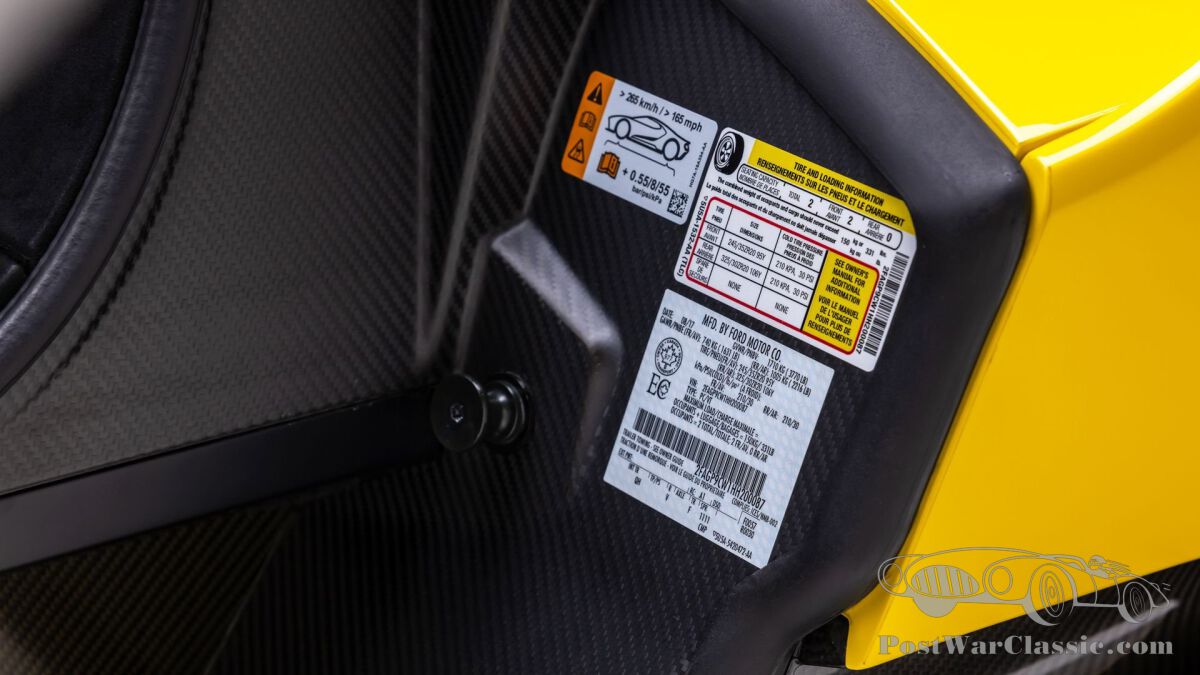
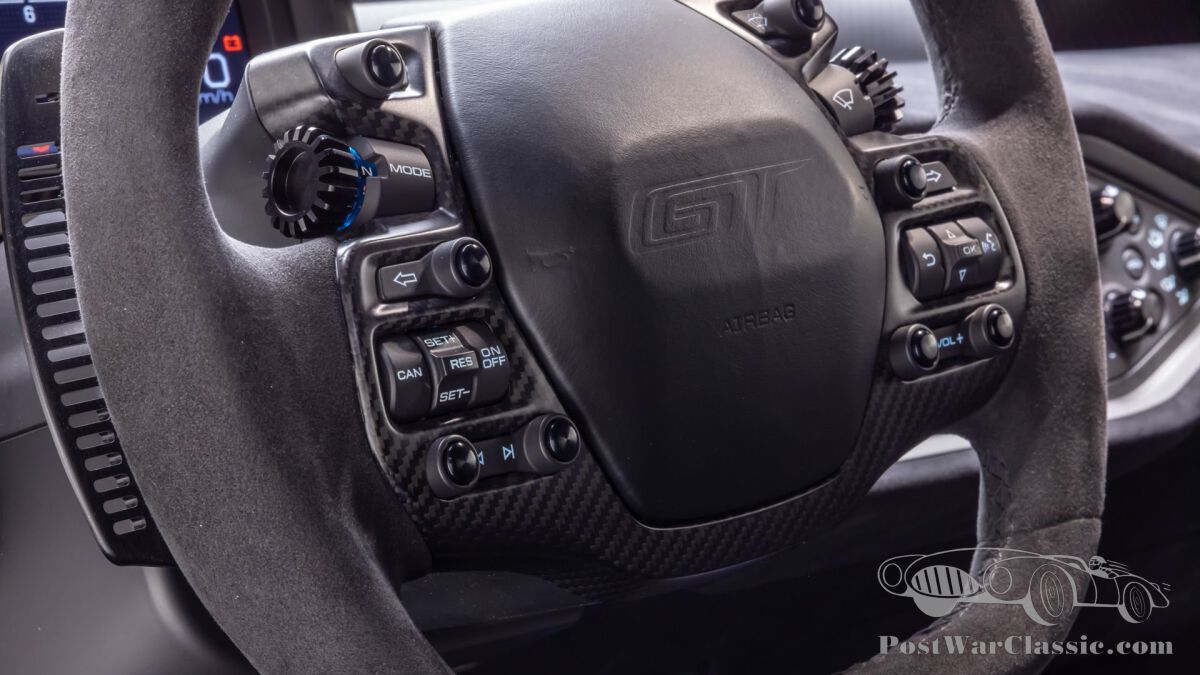
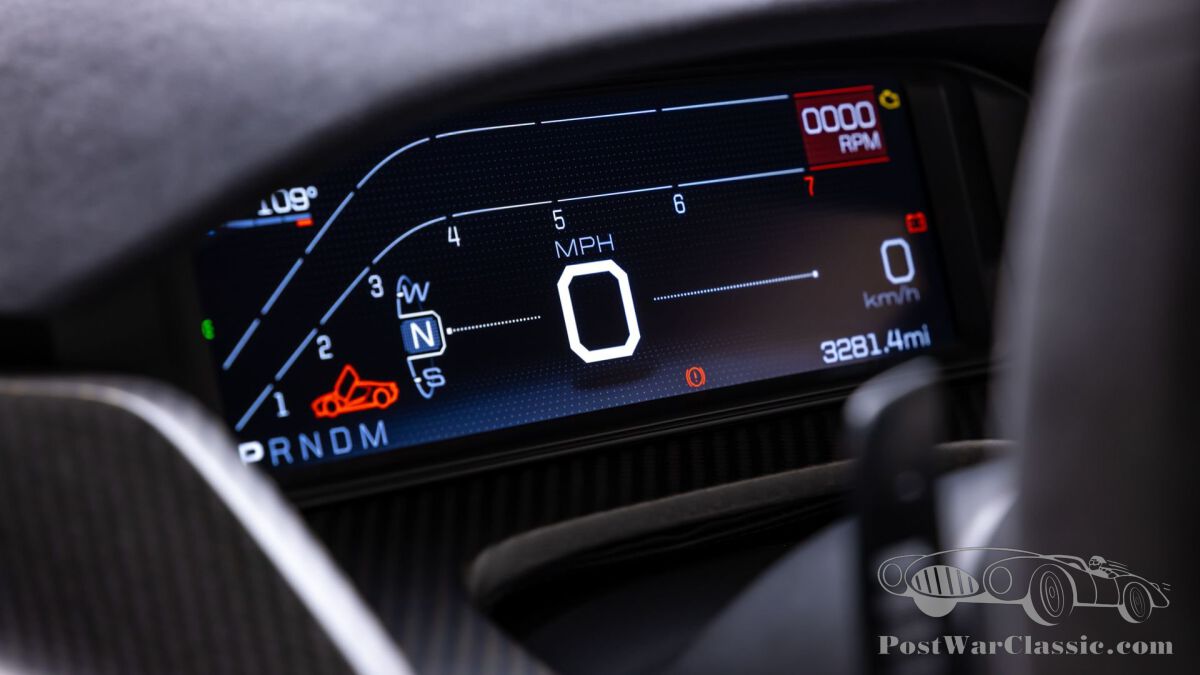
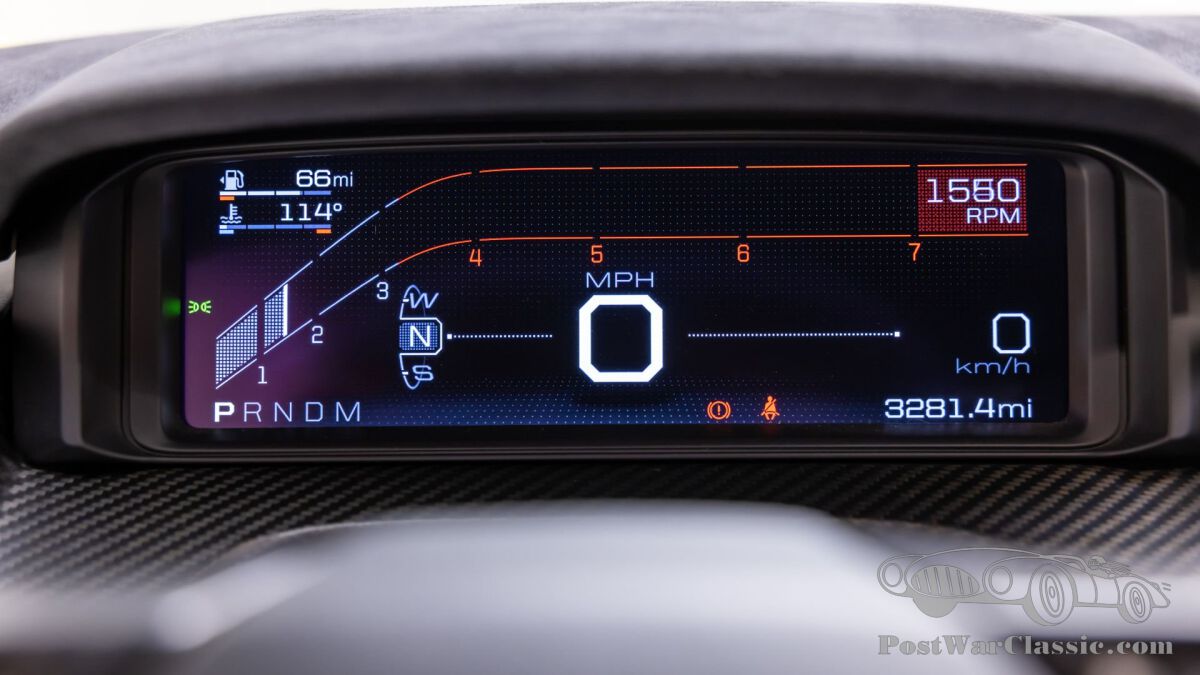
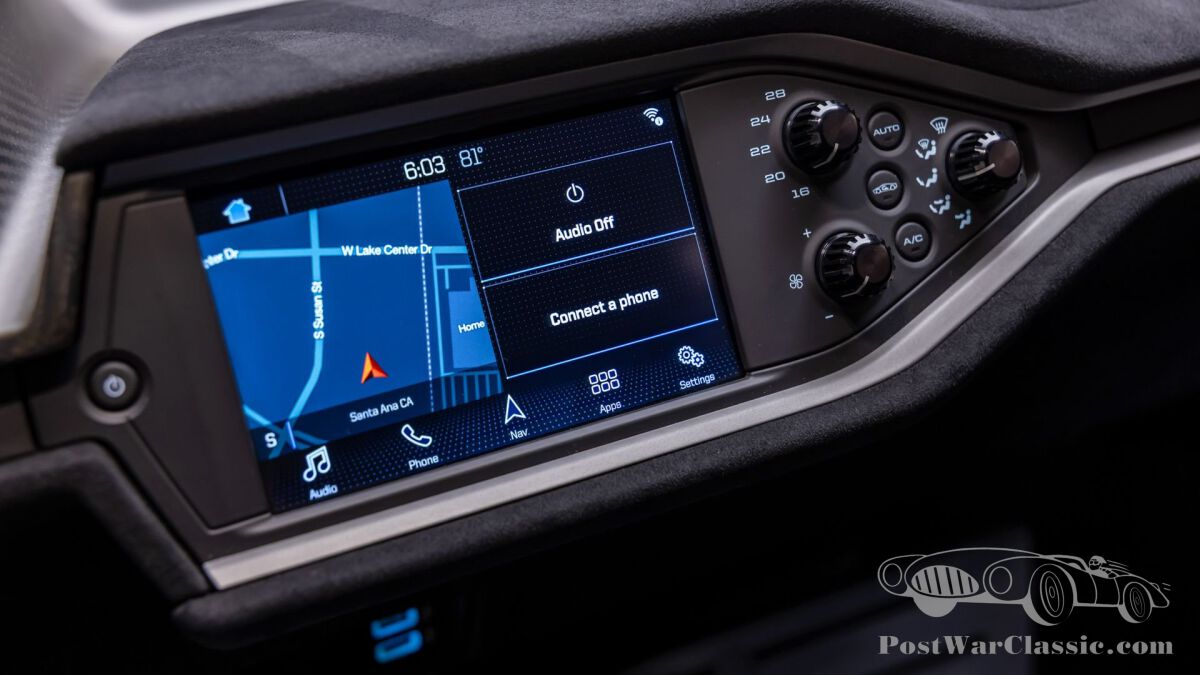
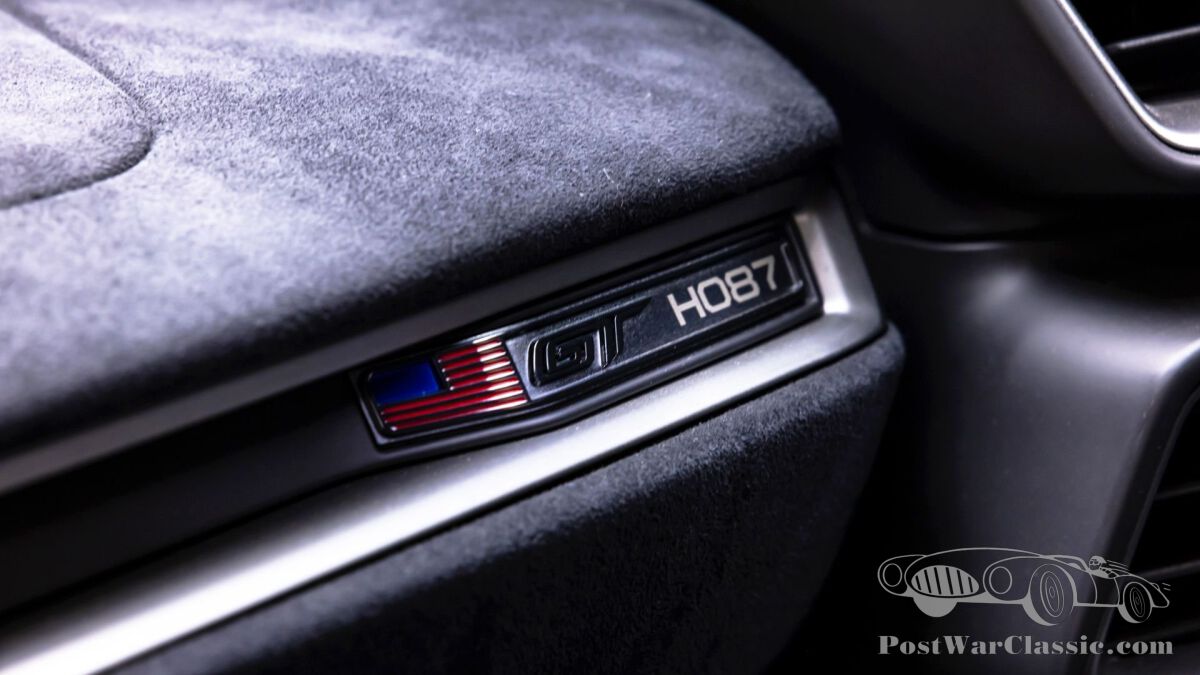

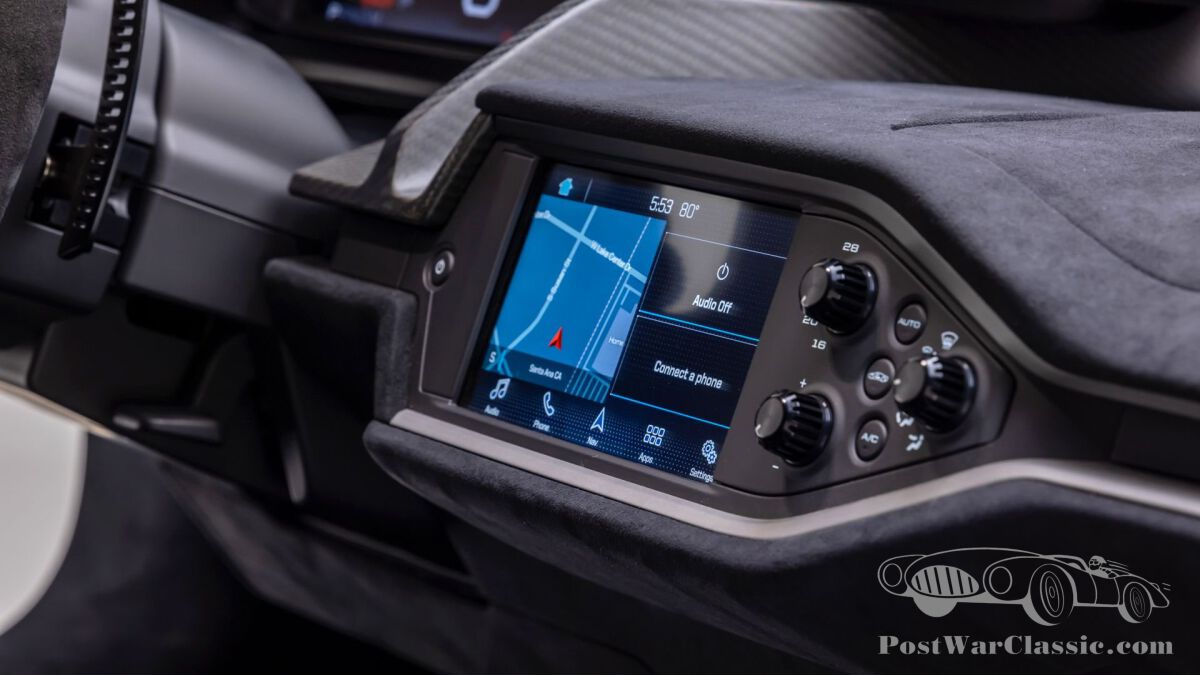
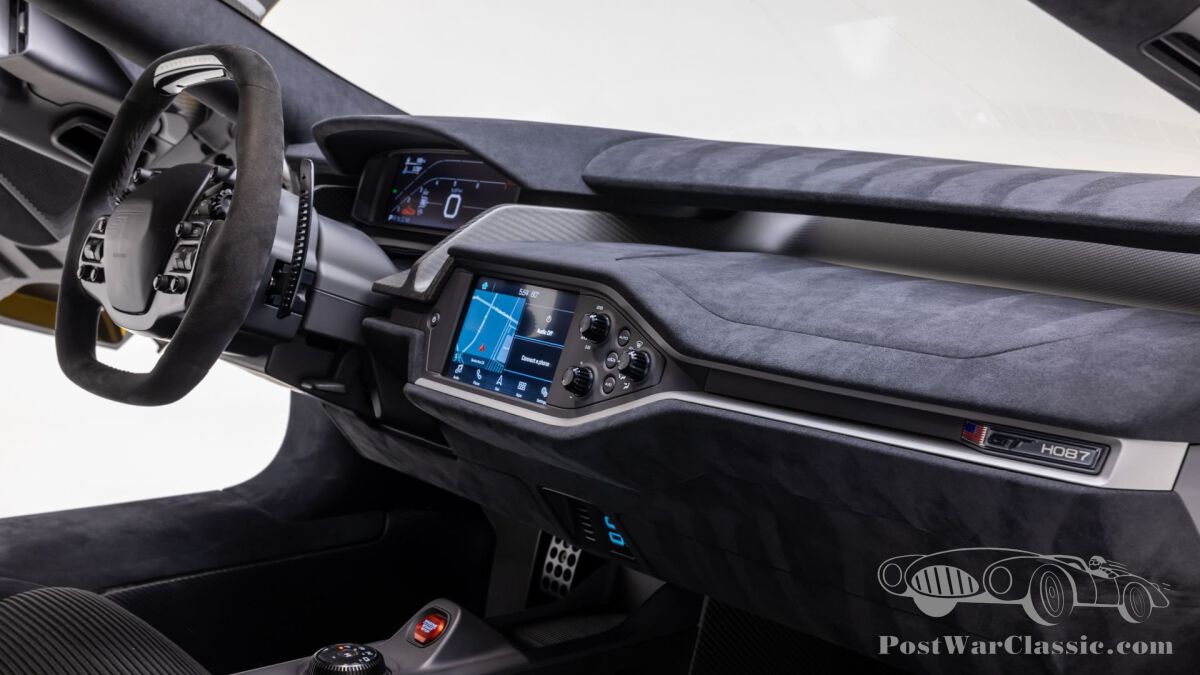
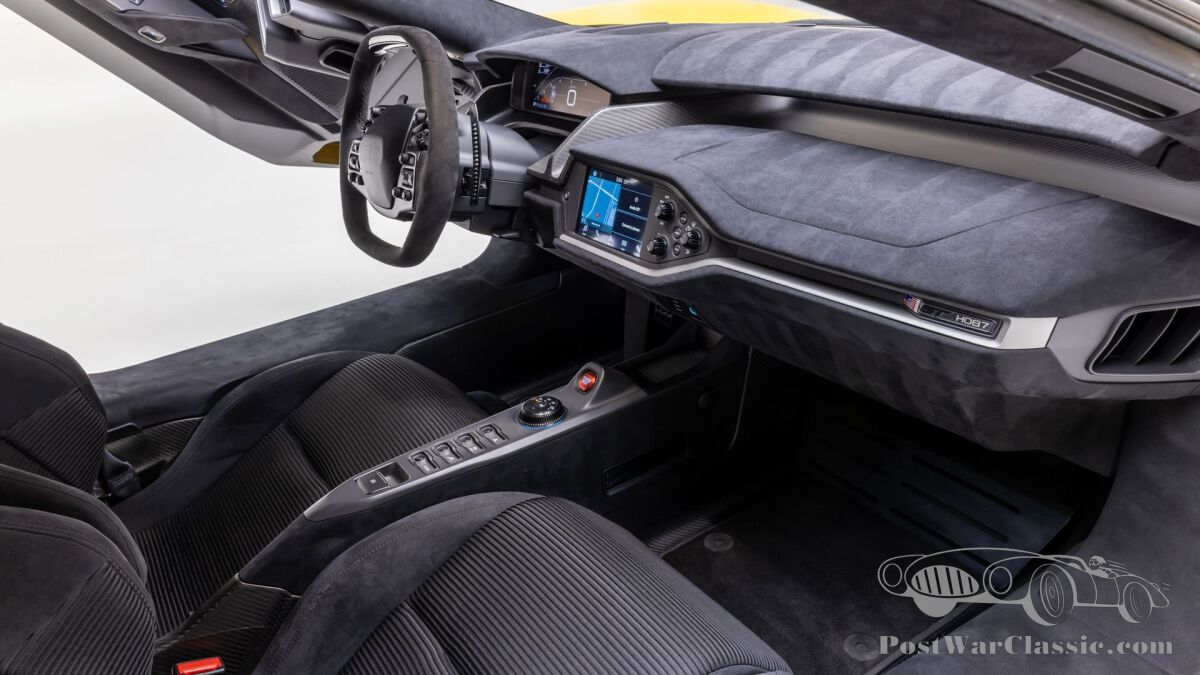
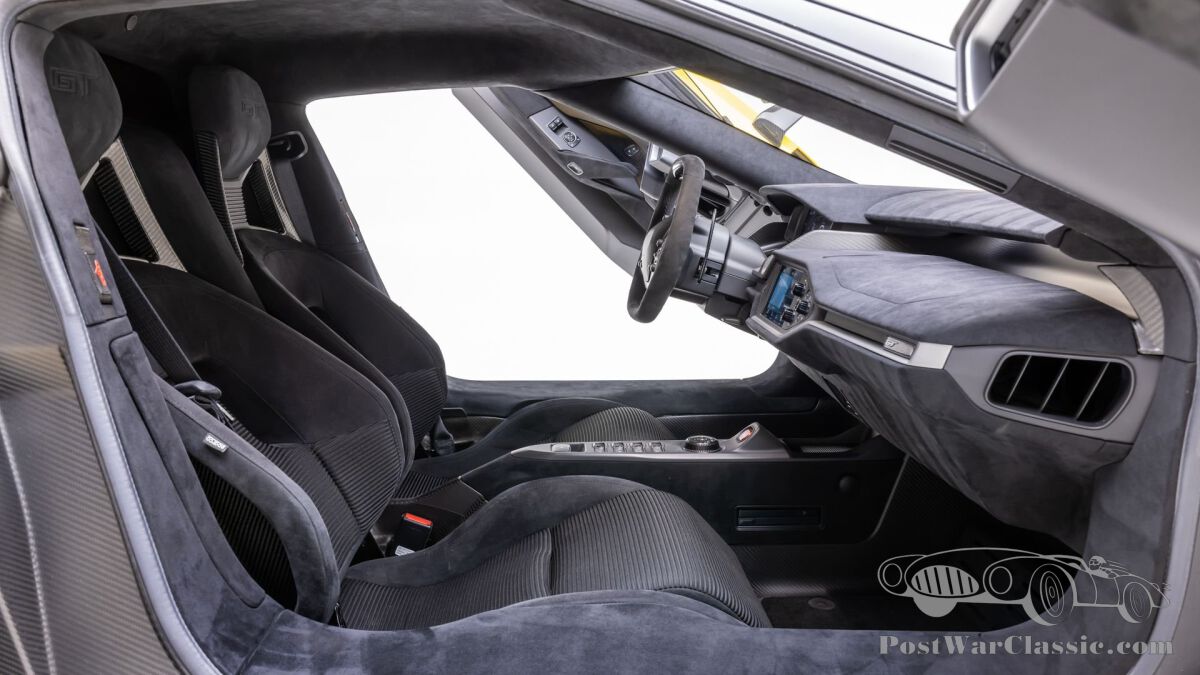
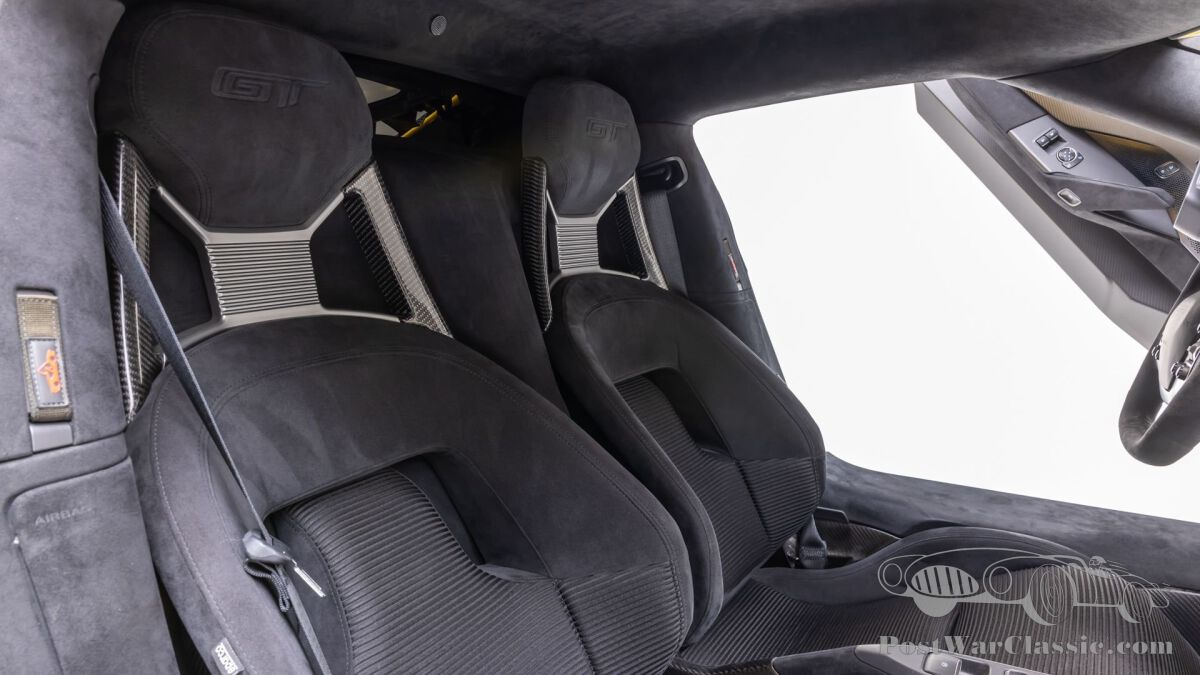
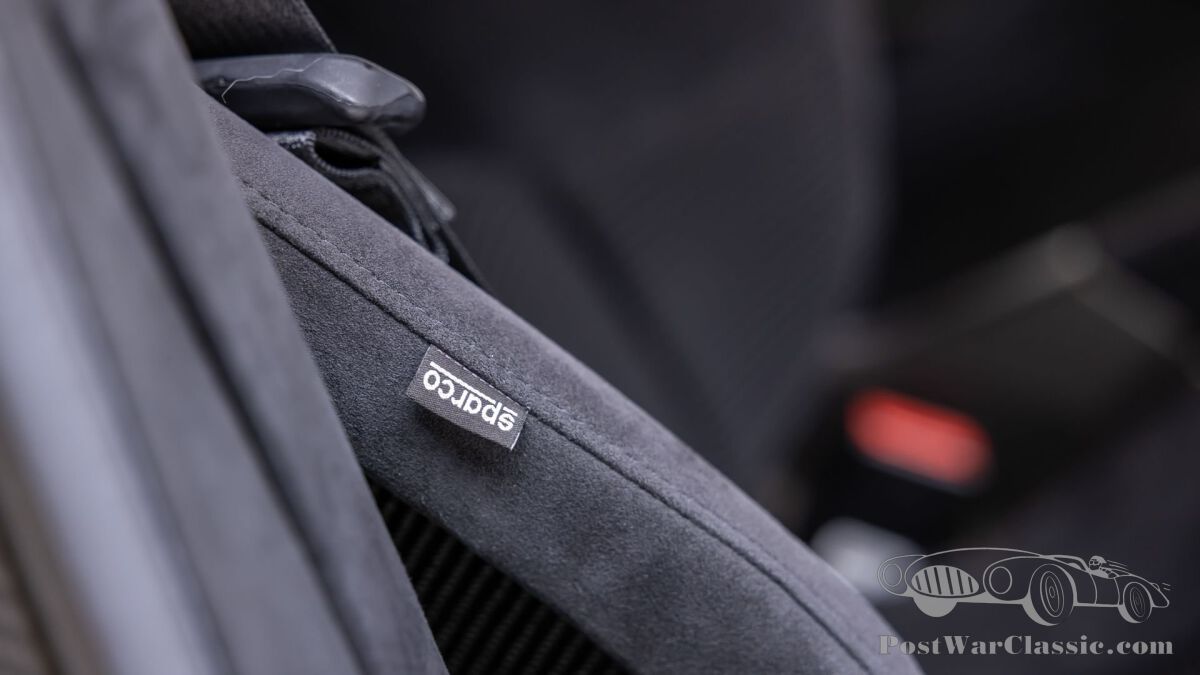
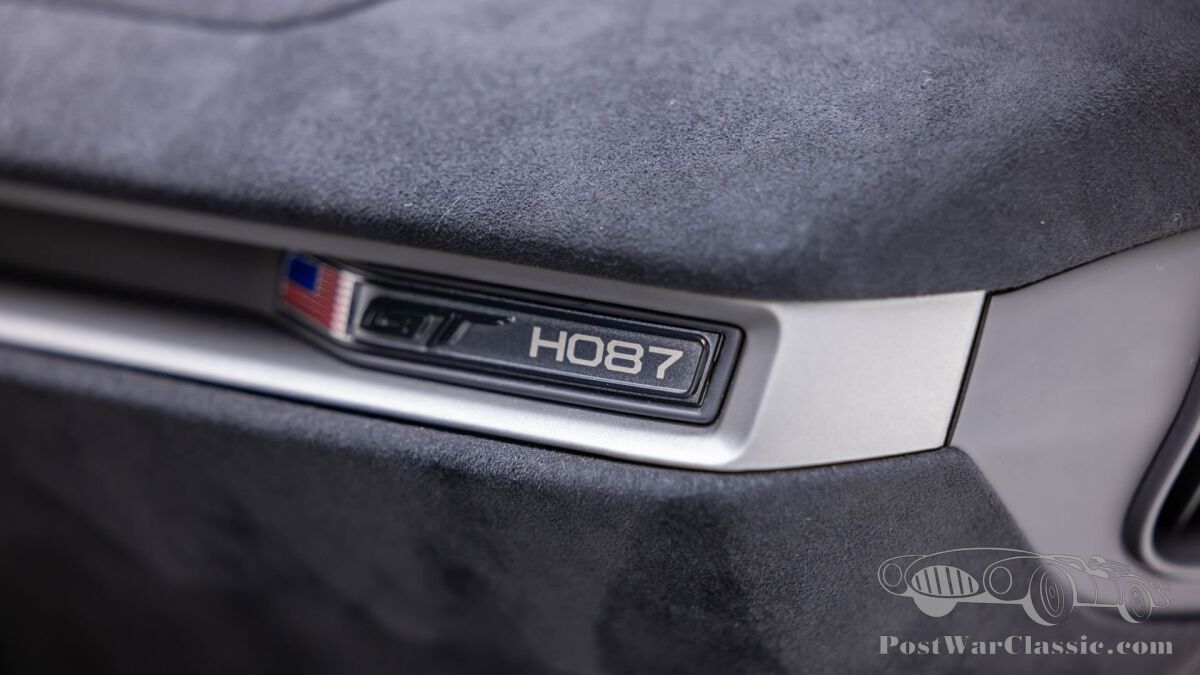
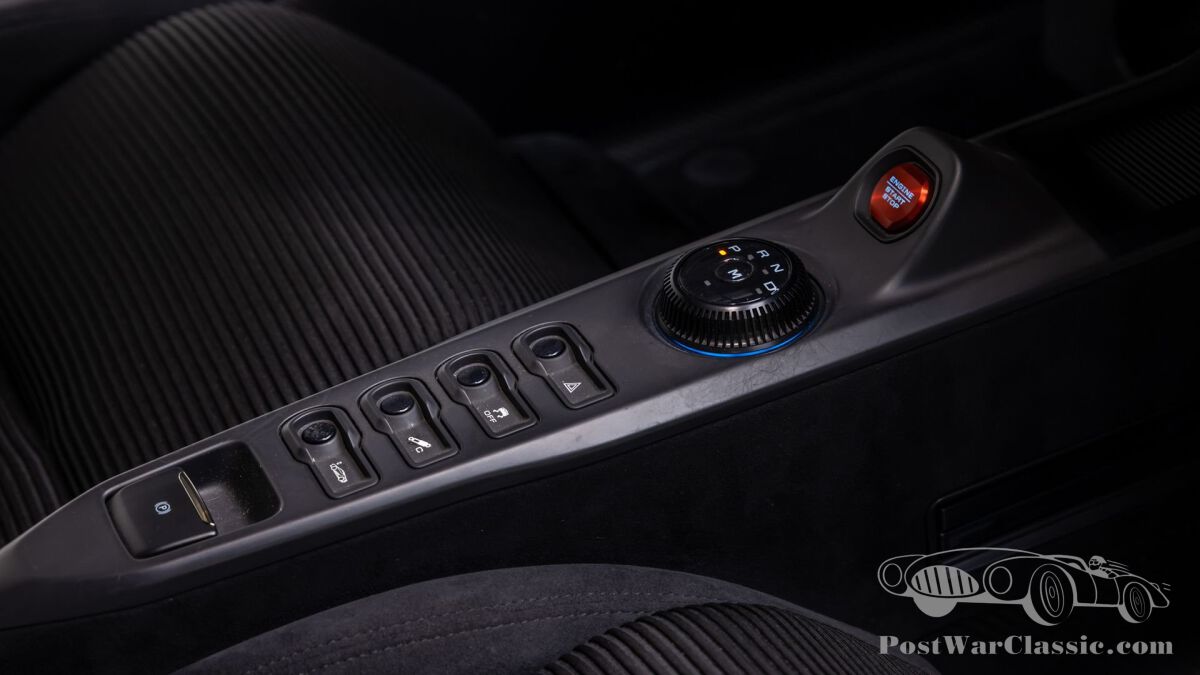
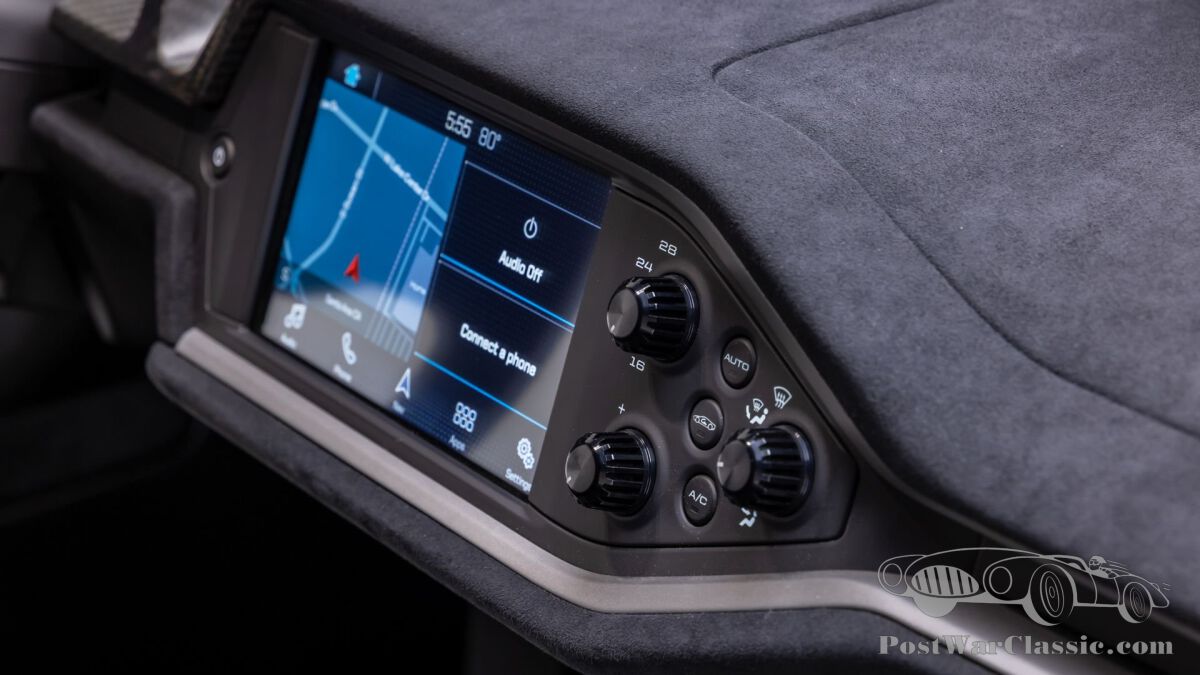
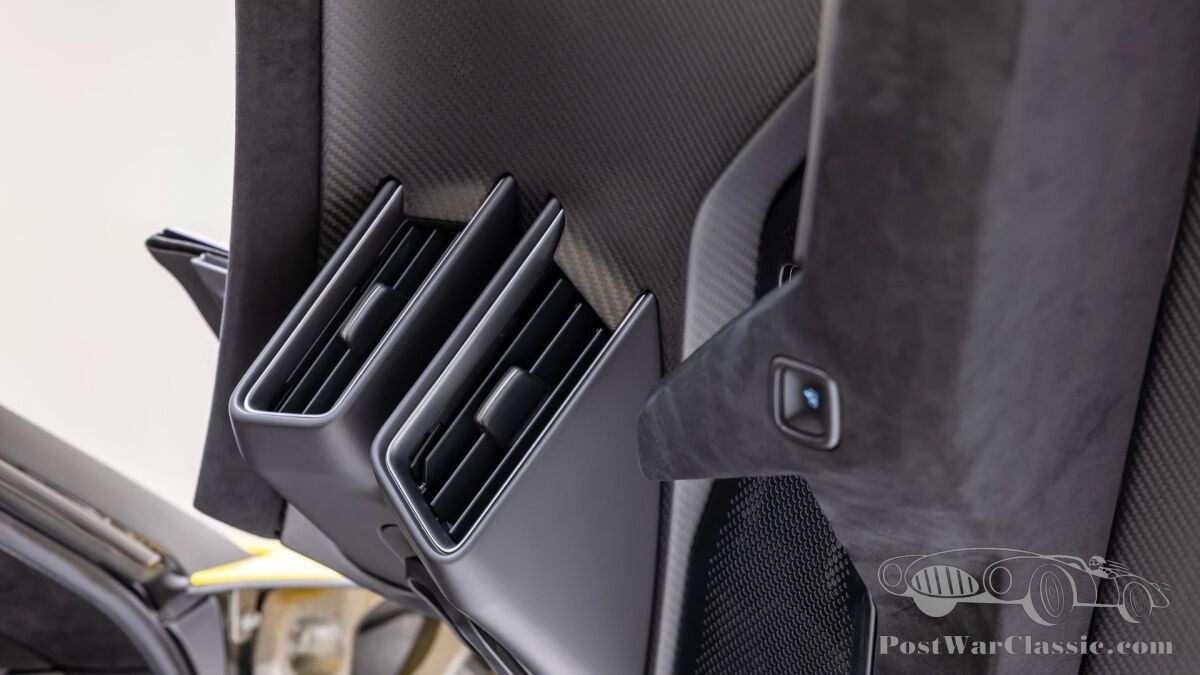
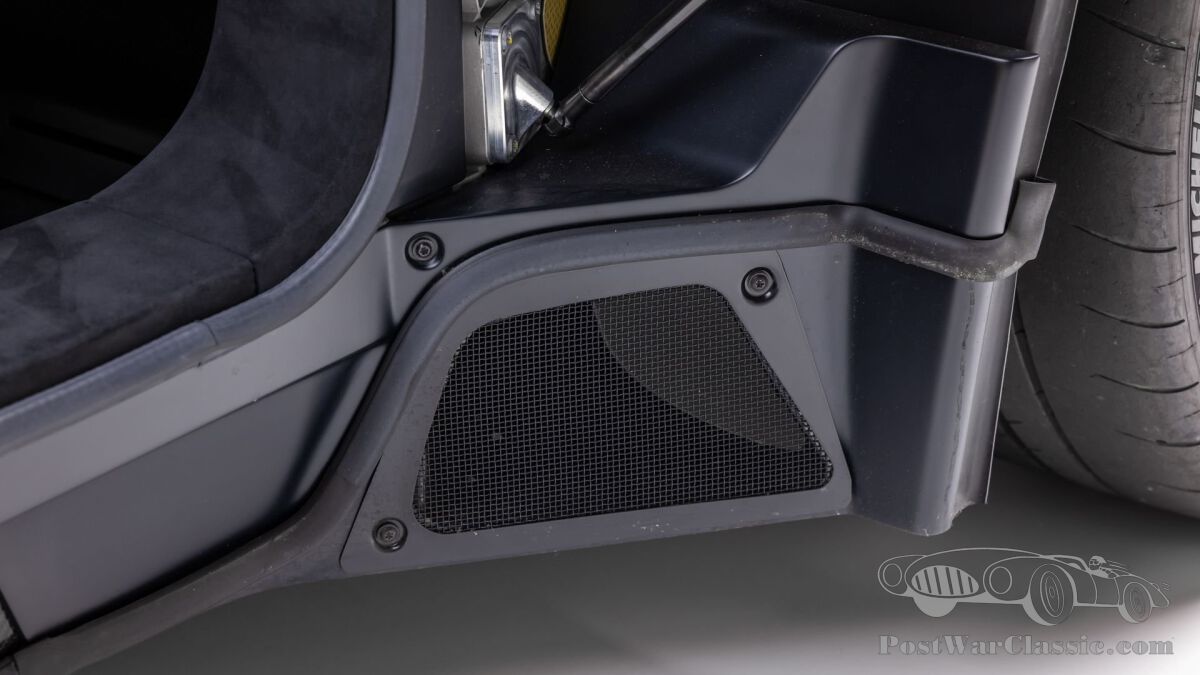
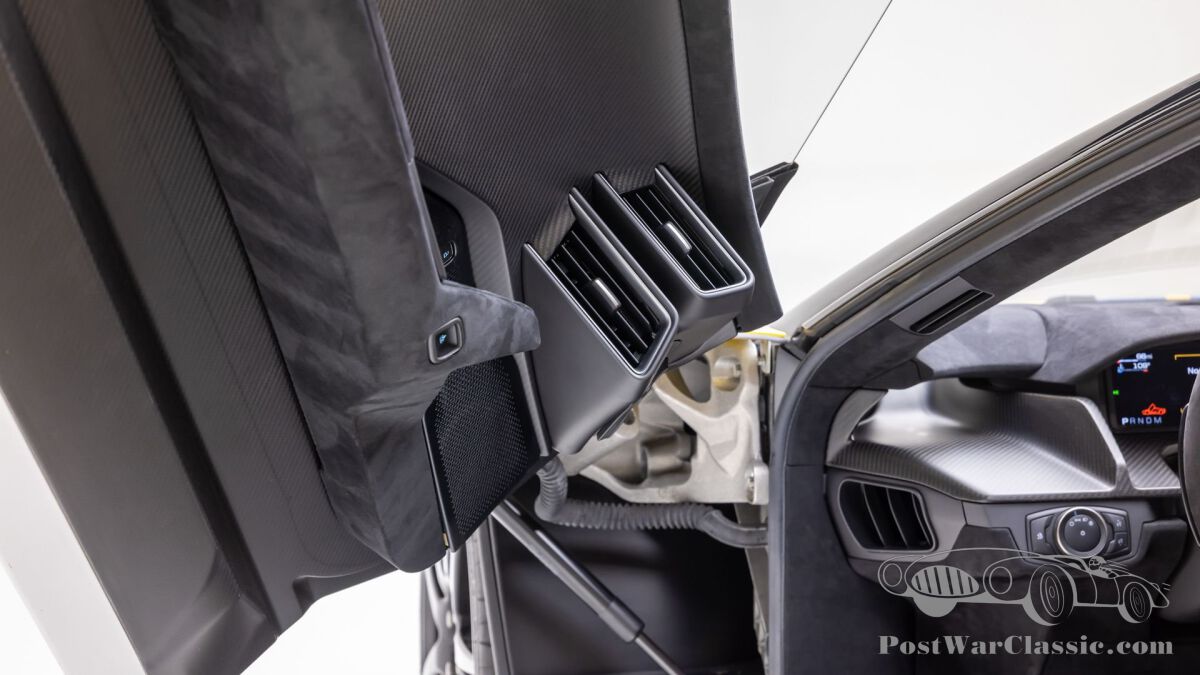
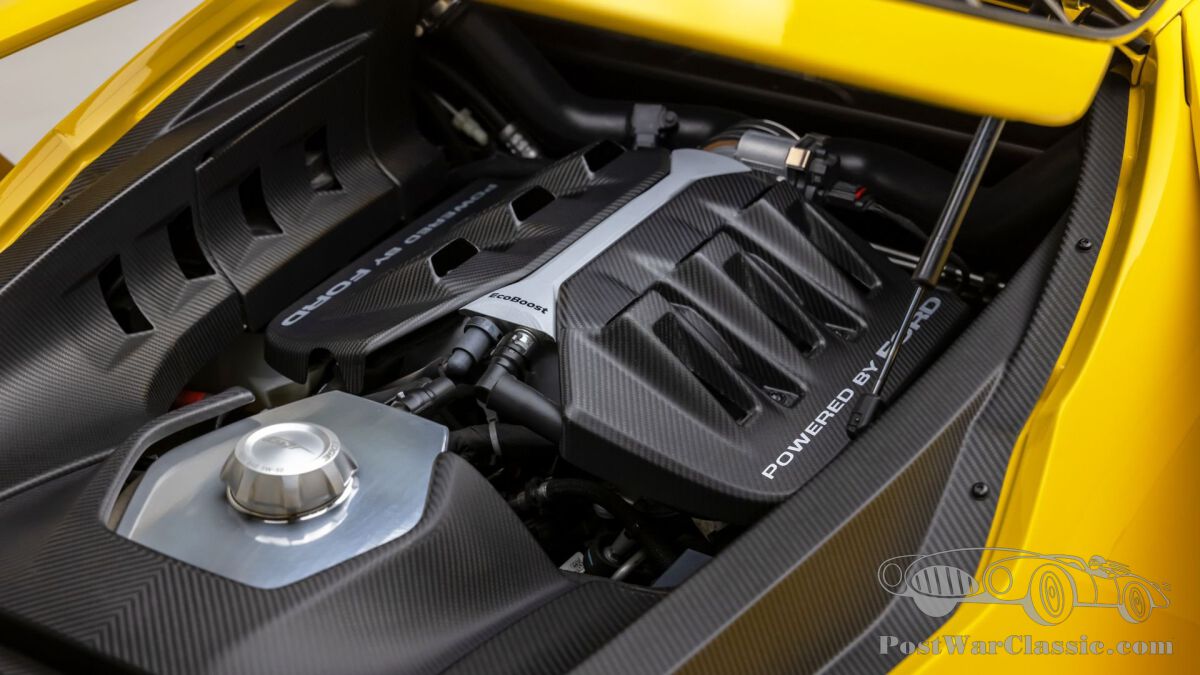
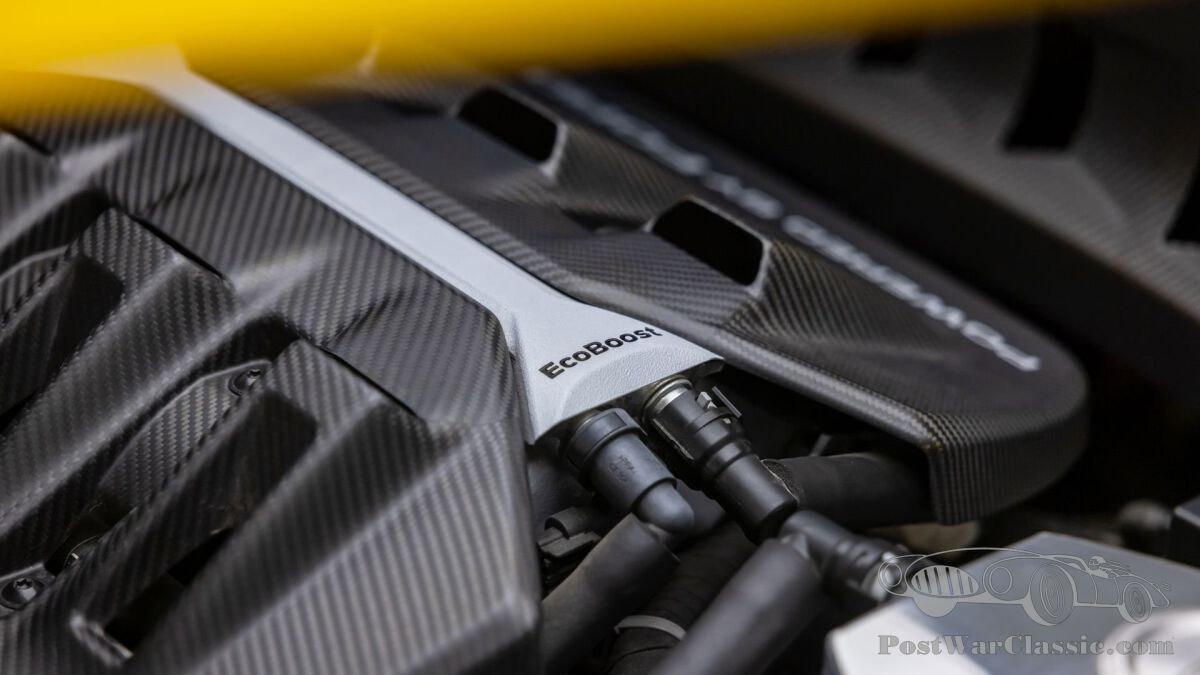
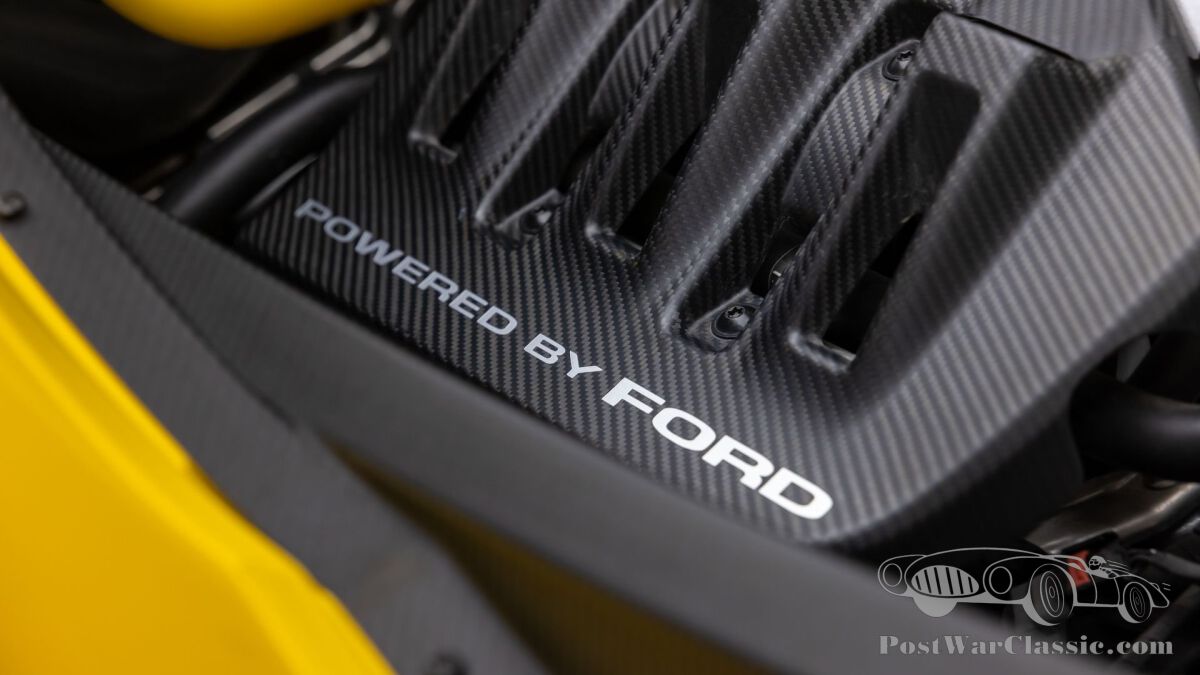
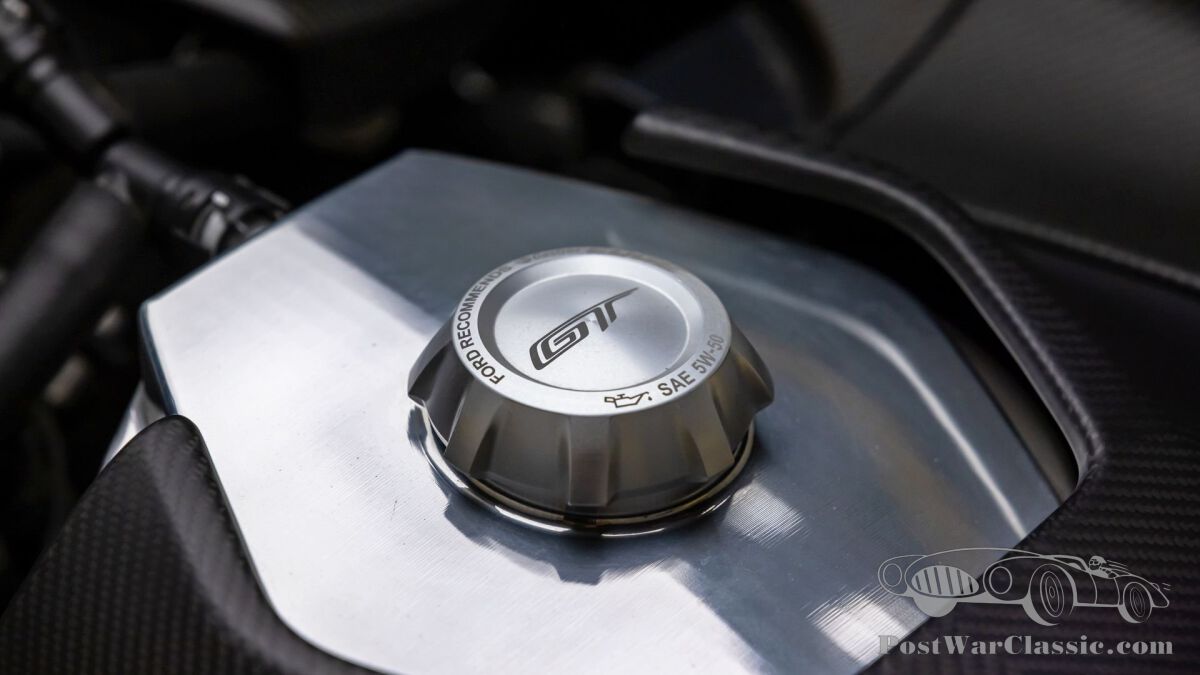
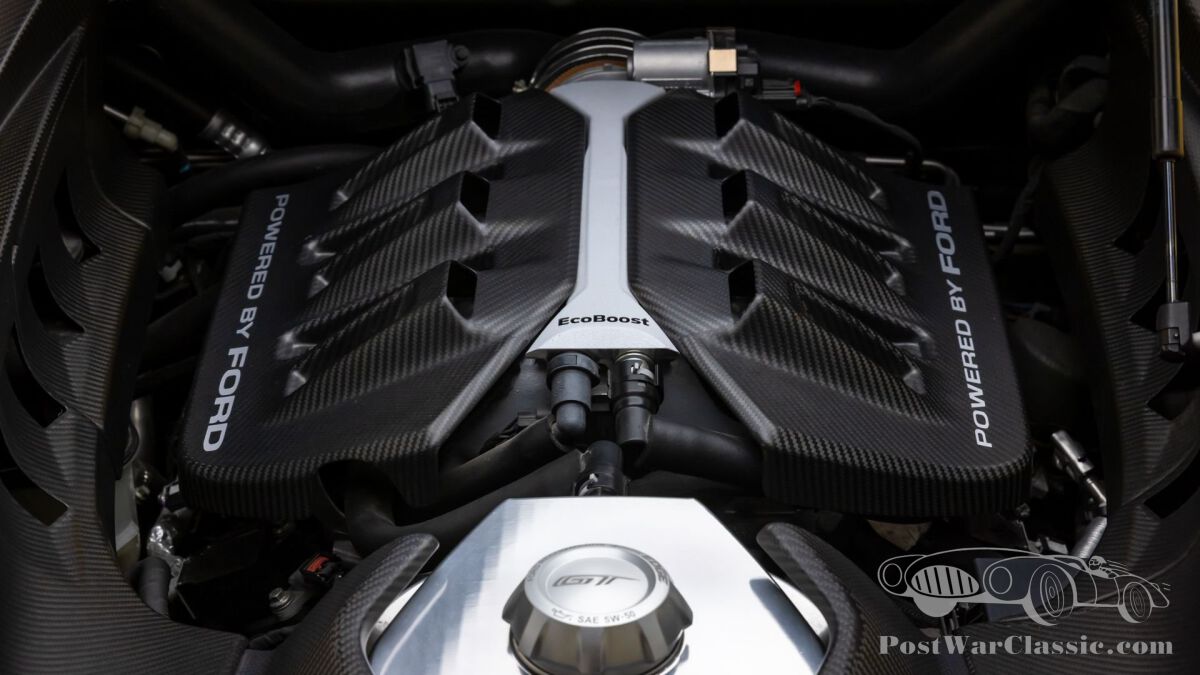
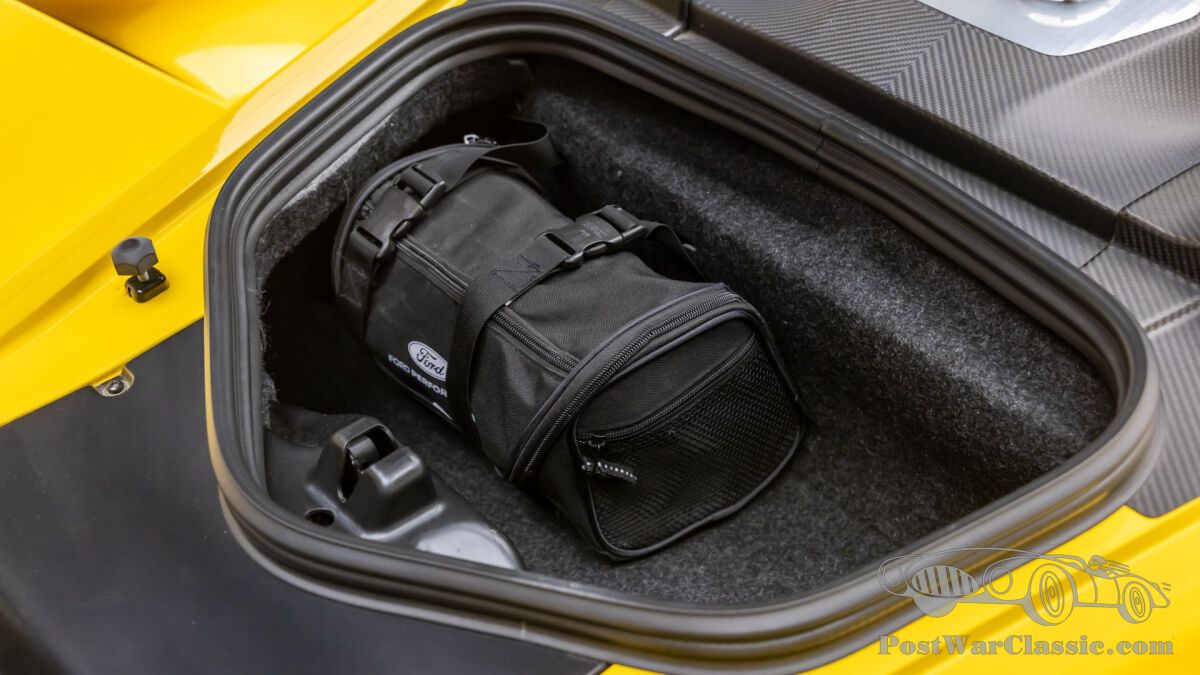
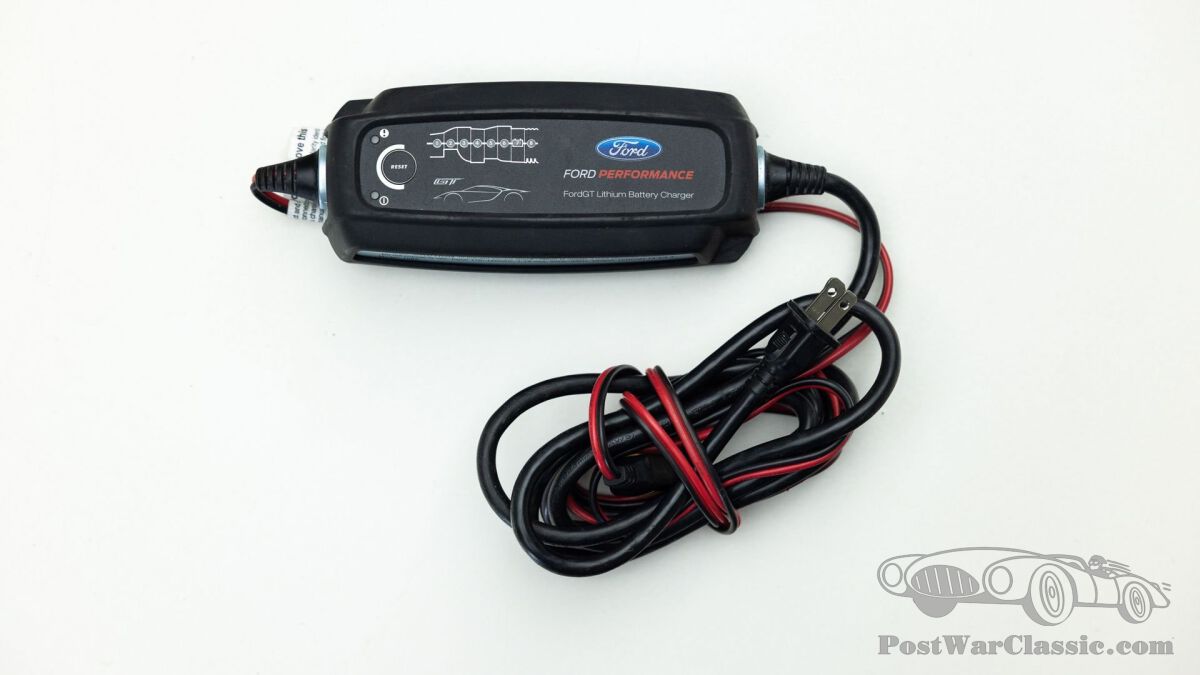


2017 Ford GT | The Quail Auction 2026
Meer advertenties in deze veiling
 1992 Porsche 911 Carrera RS Clubsport N/GT | The Quail Auction 2026
 1989 Mercedes-Benz 300 CE-24 AMG “Wide-Body” | The Quail Auction 2026
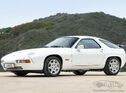 1987 Porsche 928 Clubsport Prototype ex-Jochen Mass | The Quail Auction 2026
 1998 Porsche 911 Carrera 4S | The Quail Auction 2026
 1957 Mercedes-Benz 300 SL Roadster | The Quail Auction 2026
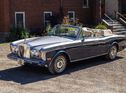 1991 Rolls-Royce Corniche III | The Quail Auction 2026
 1958 BMW Isetta 300 | The Quail Auction 2026
 2008 Ford MUSTANG GT 500 SHELBY COBRA MANUALE
 2023 Ford Bronco DR | The Quail Auction 2026
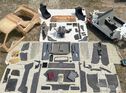 1986 Ford RS200 ‘S’ | The Summer Serenade Auction | 18th July
 2007 Ford Motorhome | The Summer Serenade Auction | 18th July

Gebruiker:
Veiling:
Datum:
13-08-2026
Locatie:
Verenigde Staten




- AMC
- Airstream
- All American Racers (AAR)
- American Motors
- Arnolt
- Arrows
- Ashley
- Avanti
- Batsmobile
- Boesch
- Buick
- Cadillac
- Checker
- Cheetah
- Chevrolet
- Chris Craft
- Chrysler
- Clenet
- Continental
- Cushman
- DeLorean
- DeSoto
- Devin
- Divco
- Dodge
- Dual Ghia
- Duesenberg
- Dune Buggy
- Edmunds
- Edsel
- Elder-Crawford
- Falcon
- Ferguson
- Fitch-Whitmore
- Ford
- GMC
- Hudson
- Hummer
- Huron
- International
- Jeep
- John Deere
- Kirkham Motorsports
- Lincoln
- MACK
- McCormick
- Mercer-Cobra
- Mercury
- Meteor
- Monarch
- Muntz
- Nash
- Oldsmobile
- Packard
- Paton
- Peerless
- Plymouth
- Pontiac
- Rambler
- Saleen
- Seagrave
- Shelby
- Studebaker
- Stutz
- Tesla
- Tucker
- Vector
- Ventnor
- Willys
- Woodill
Anders US auto's te koop
Auto Ford GT 2017 te koop

Stuur bericht