2021 McLaren Elva | The Quail Auction 2026
Chassis No. SBM26BCA2MW815110
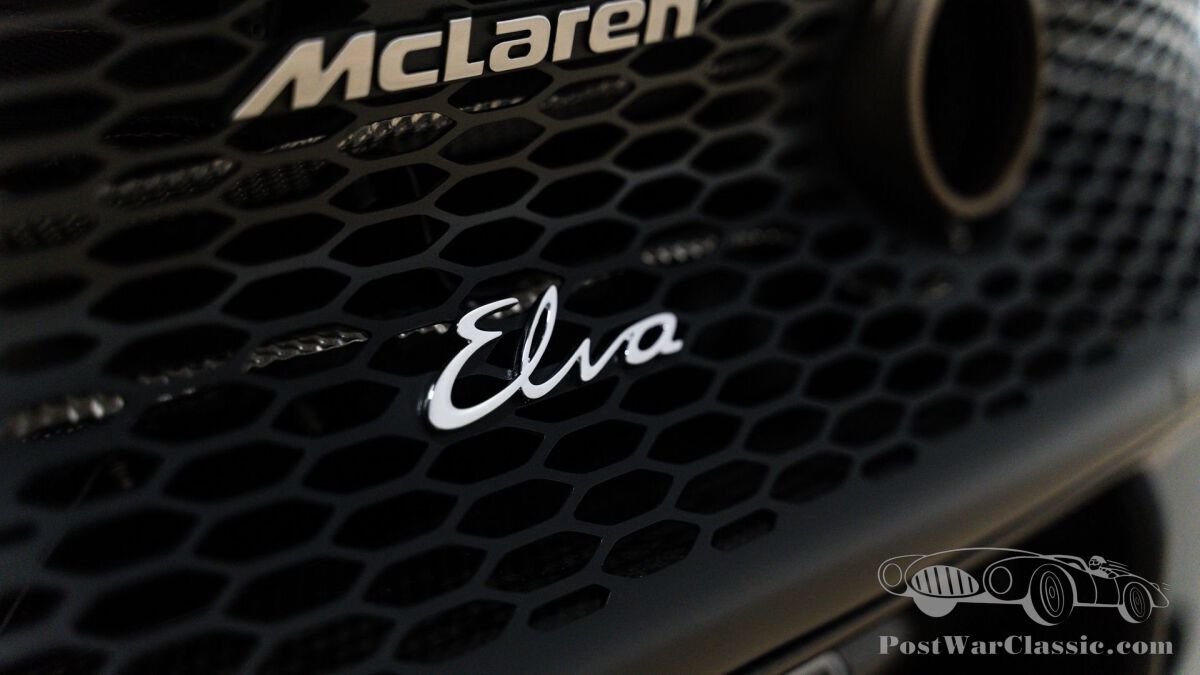
The Elva name traces to the McLaren-Elva sports cars of the 1960s, lightweight open-cockpit racers developed by Bruce McLaren in partnership with the British firm Elva Cars-itself named for the French expression "elle va," meaning "she goes." When McLaren revived the name in 2019, however, the result was no retro reinterpretation. The modern Elva is an uncompromising speedster and one of the most radical members of McLaren's Ultimate Series, following icons such as the P1 and Senna.
The Elva is powered by McLaren's M840TR engine, a 4.0-liter, 90-degree twin-turbocharged V8 with dry-sump lubrication, 32 valves, dual overhead camshafts, and variable valve timing. It produces 804 horsepower and 590 lb-ft of torque and is paired with a seven-speed seamless shift transmission. The performance figures are extraordinary: 0 to 60 mph in 2.7 seconds, 0 to 124 mph in 6.7 seconds, and a top speed of 203 mph.
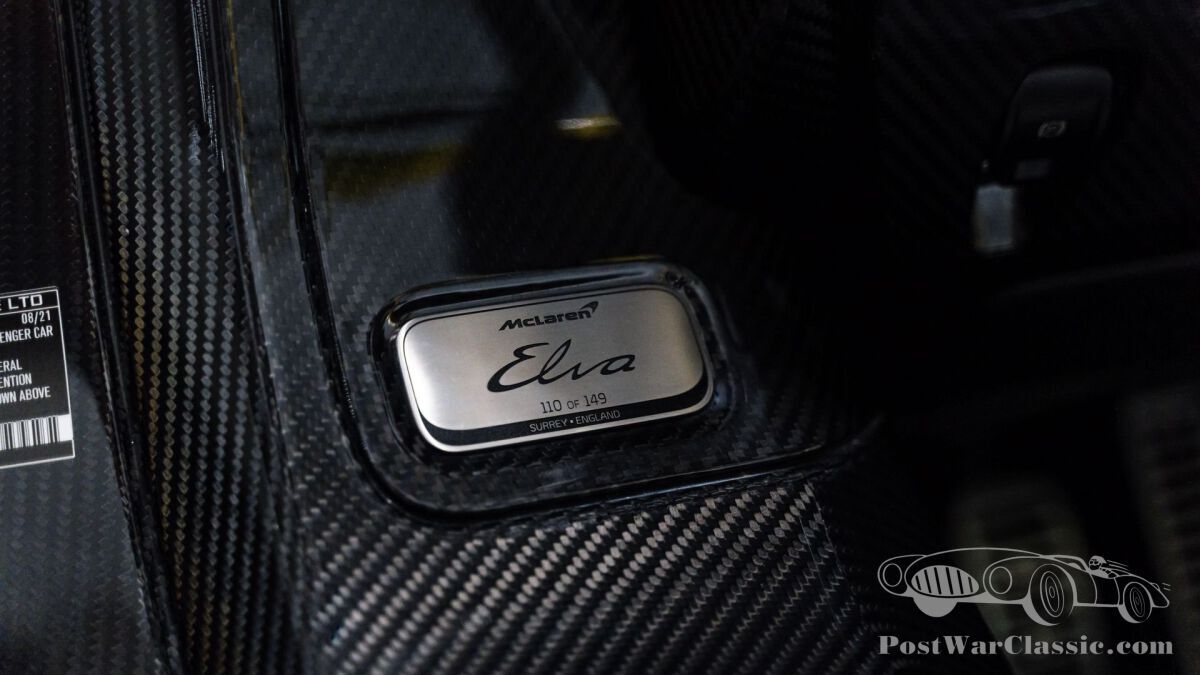
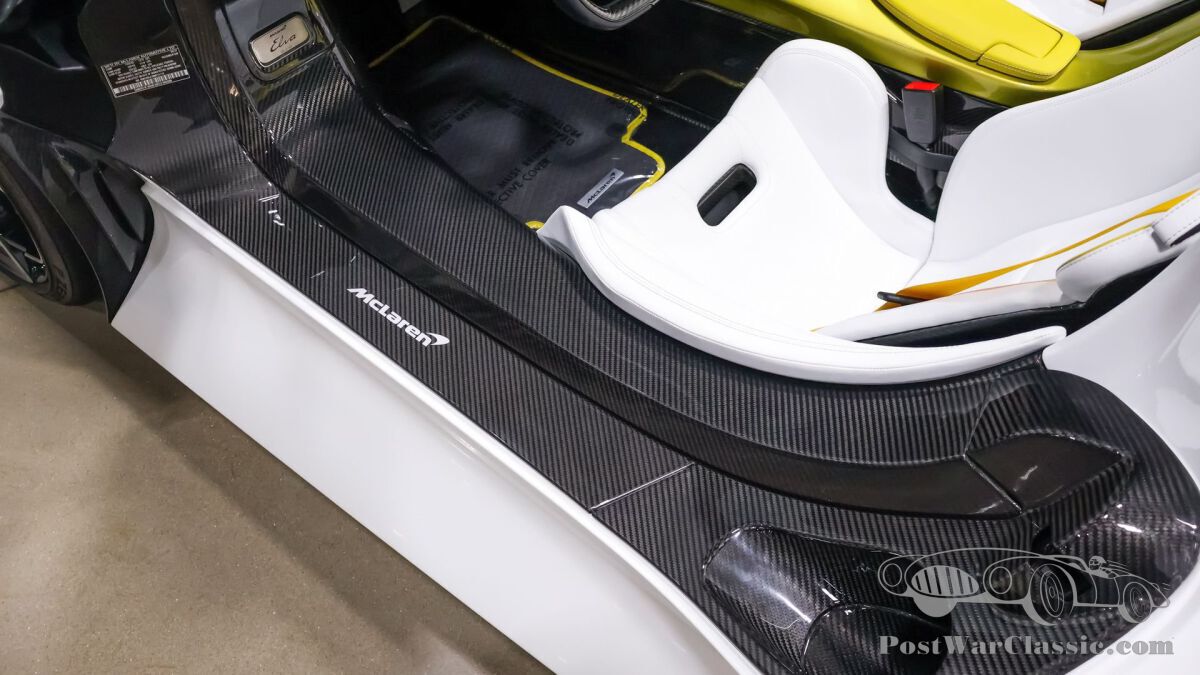
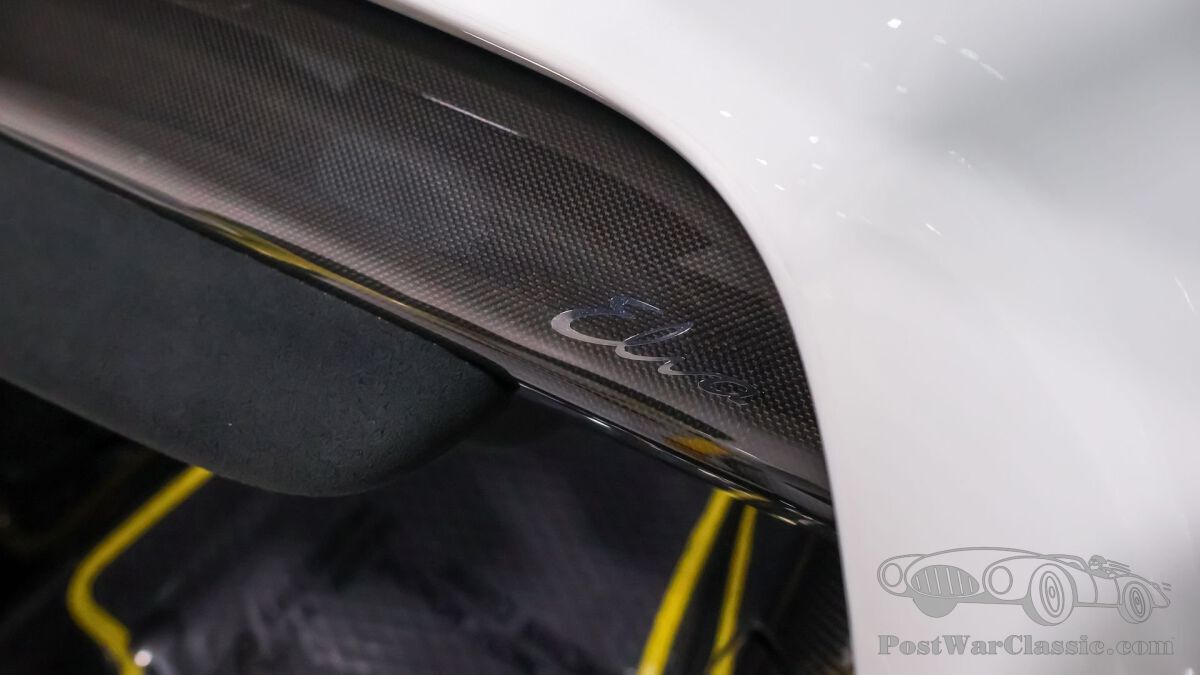
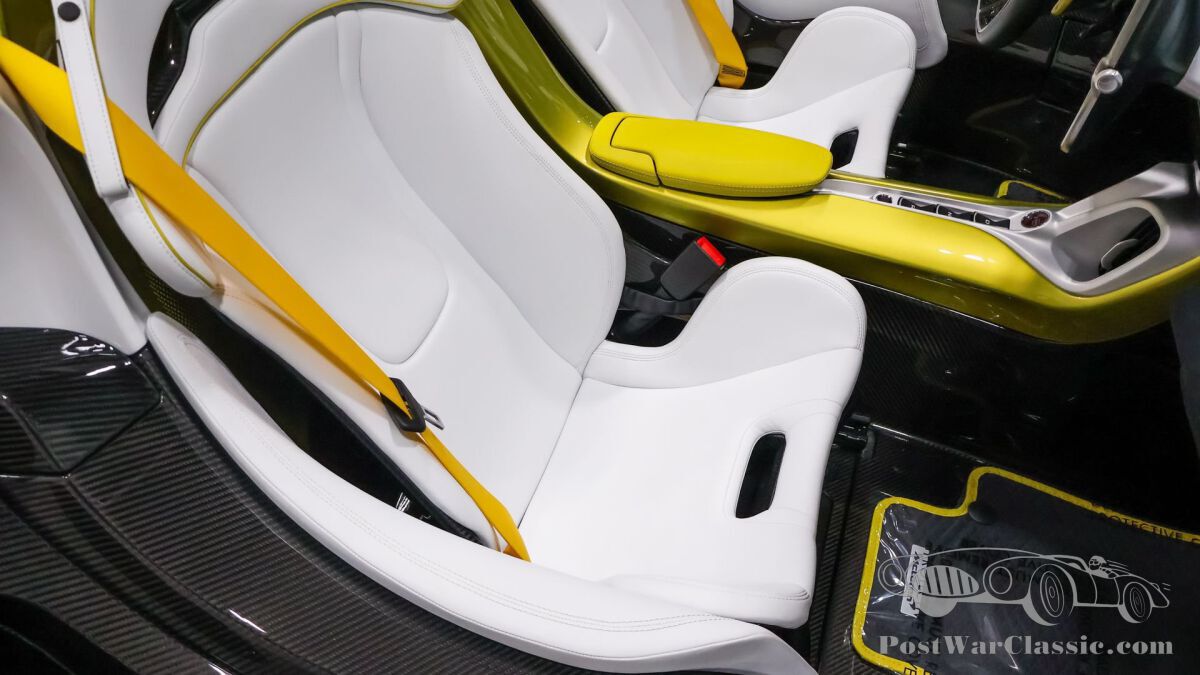
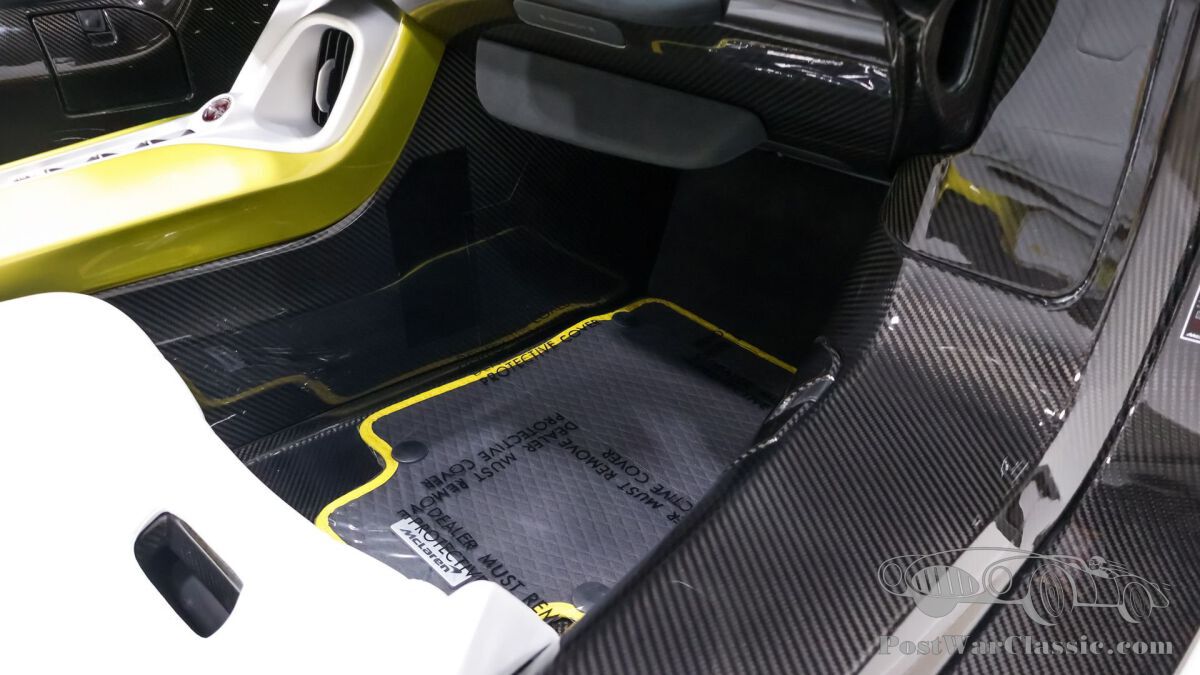
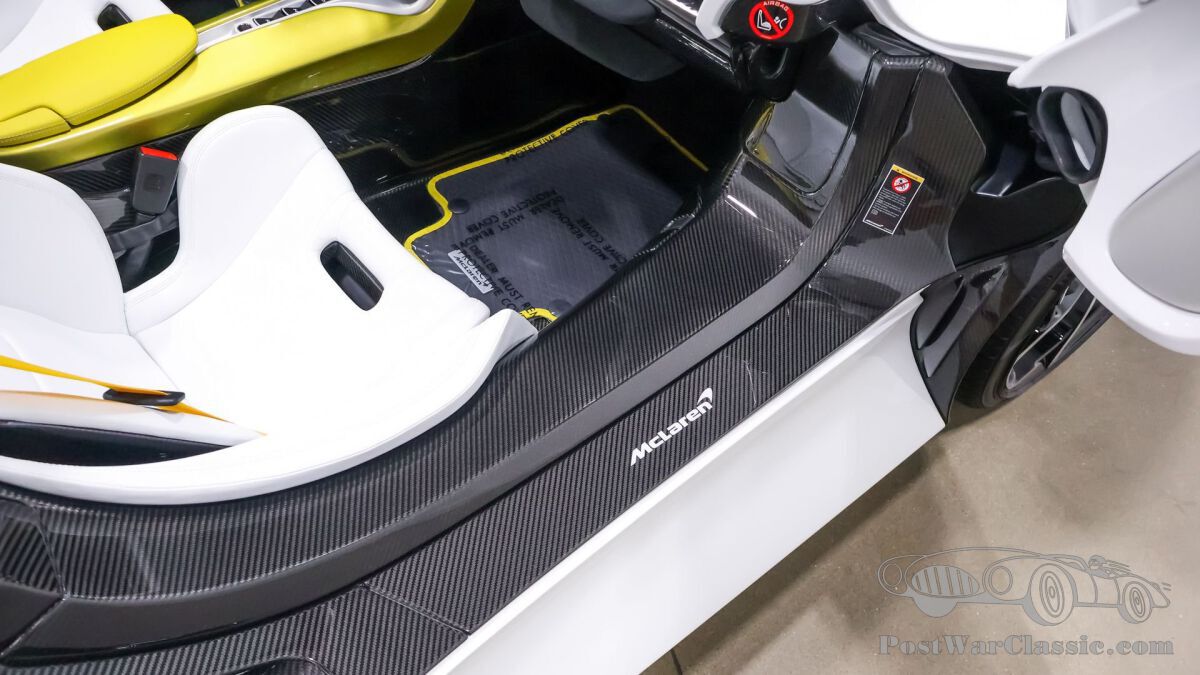
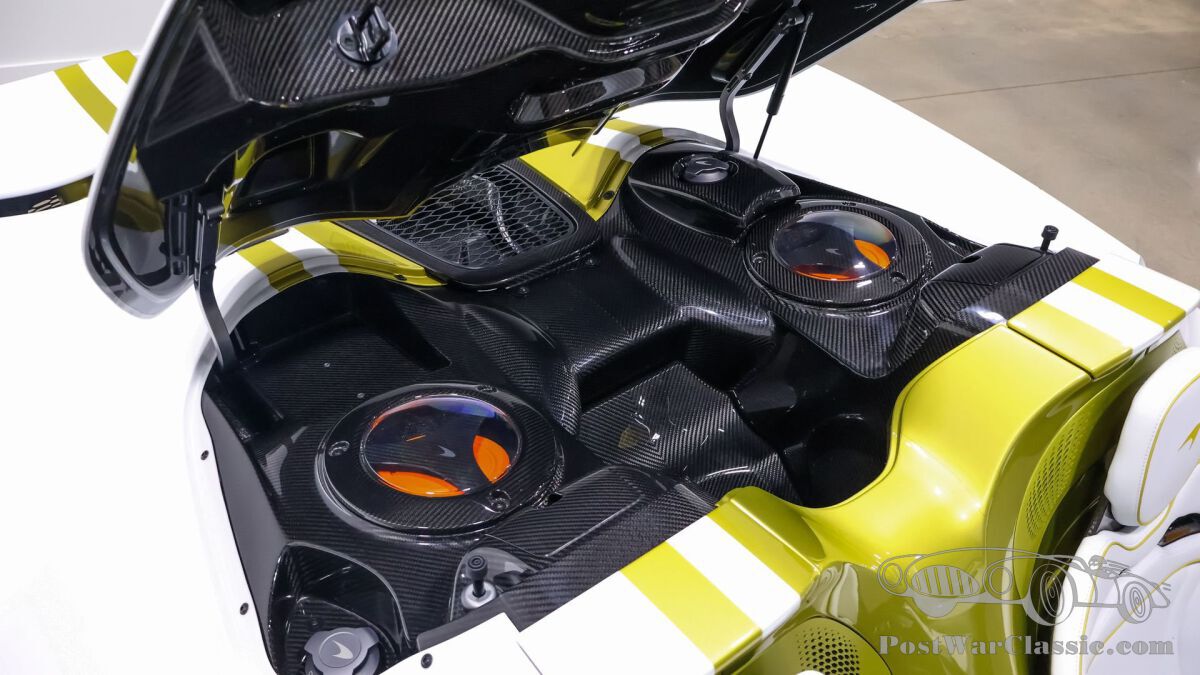
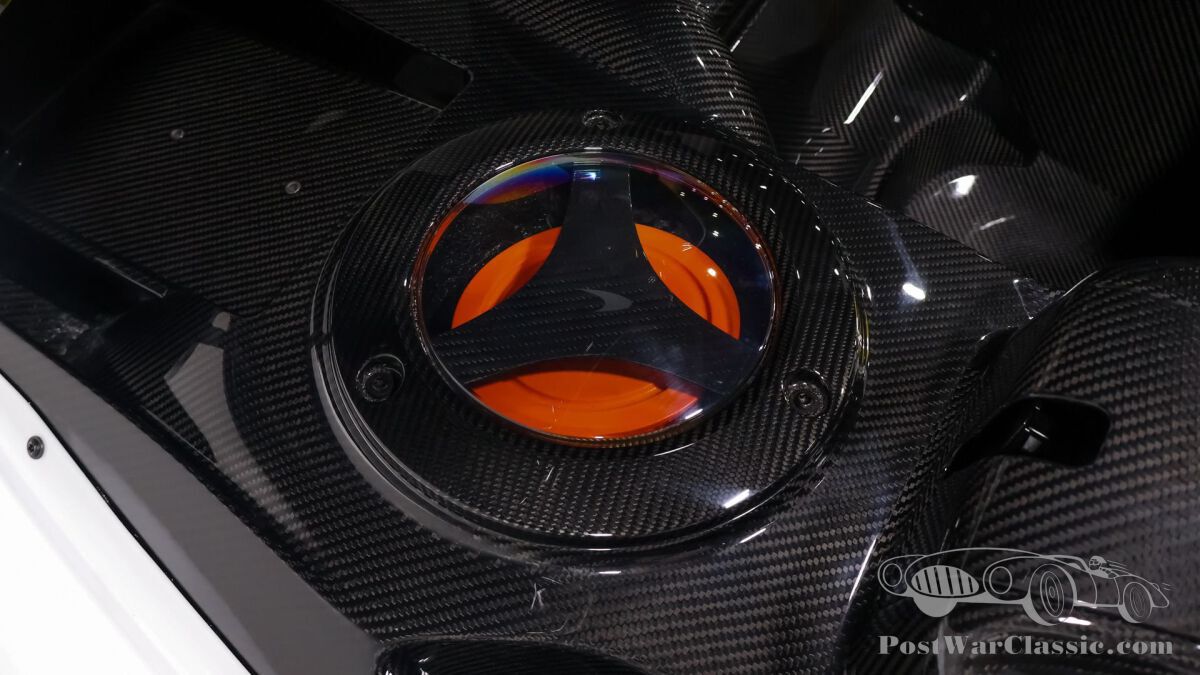
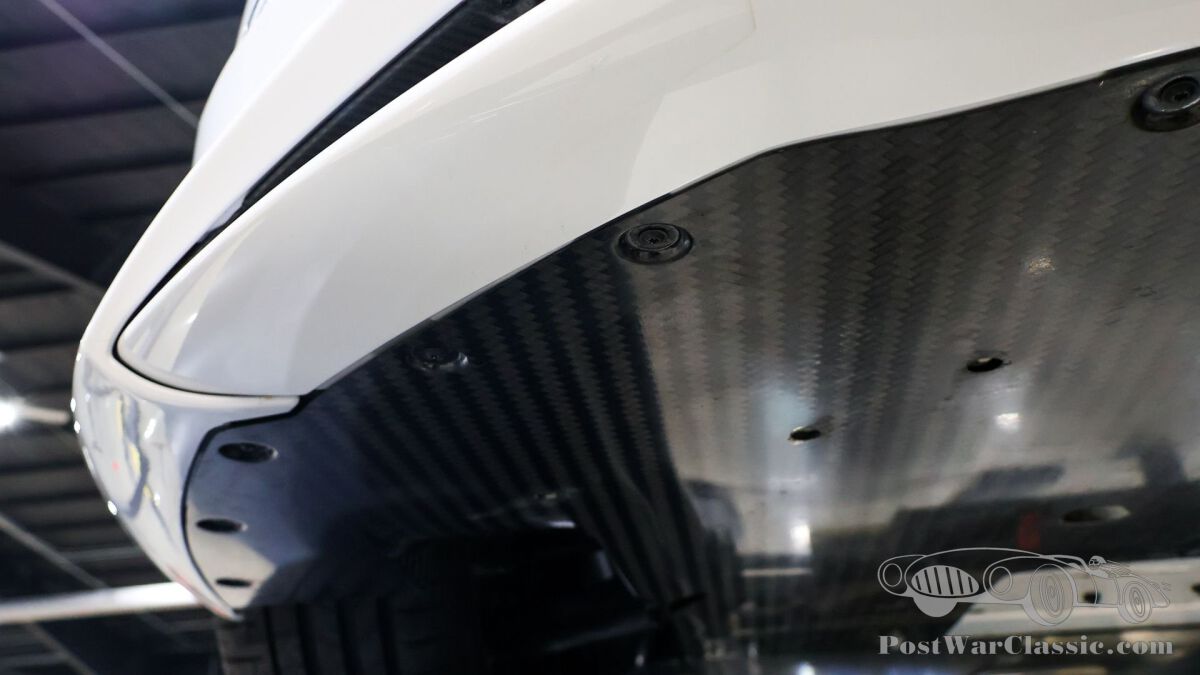
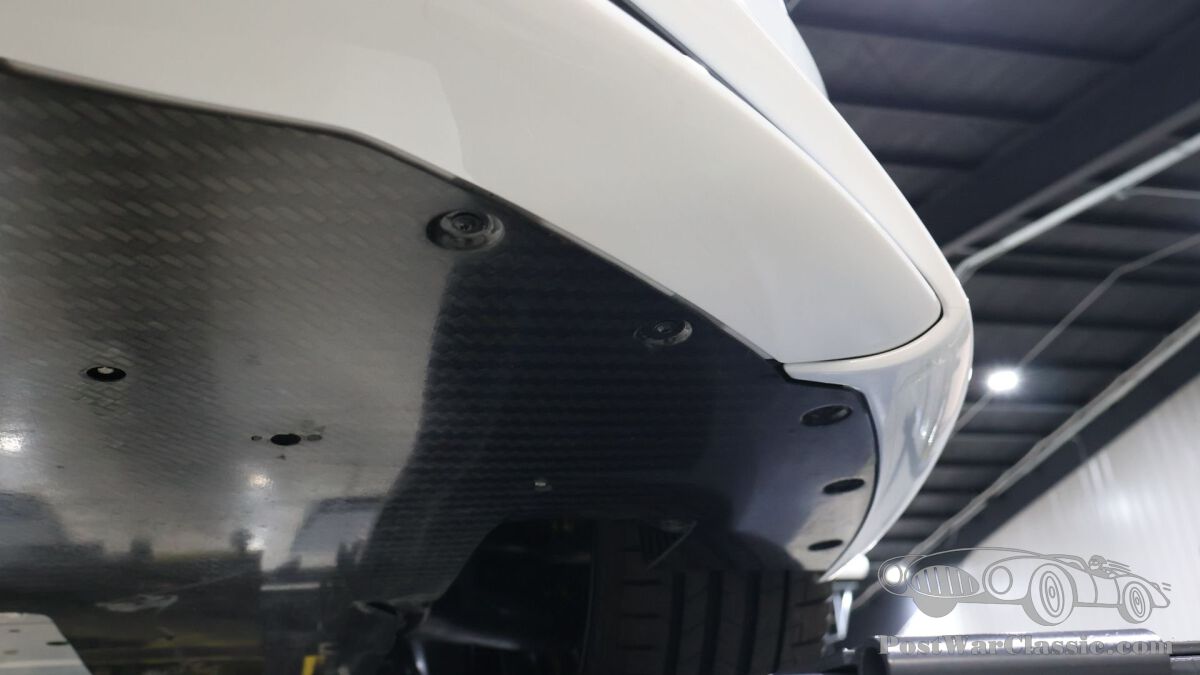
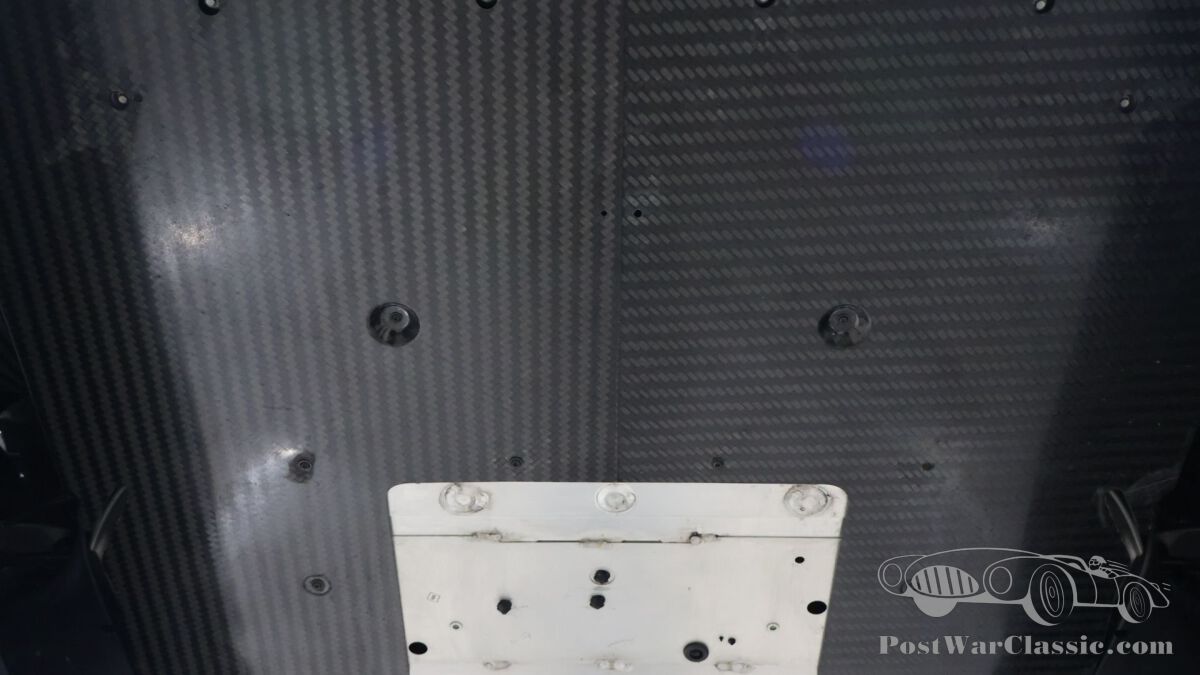
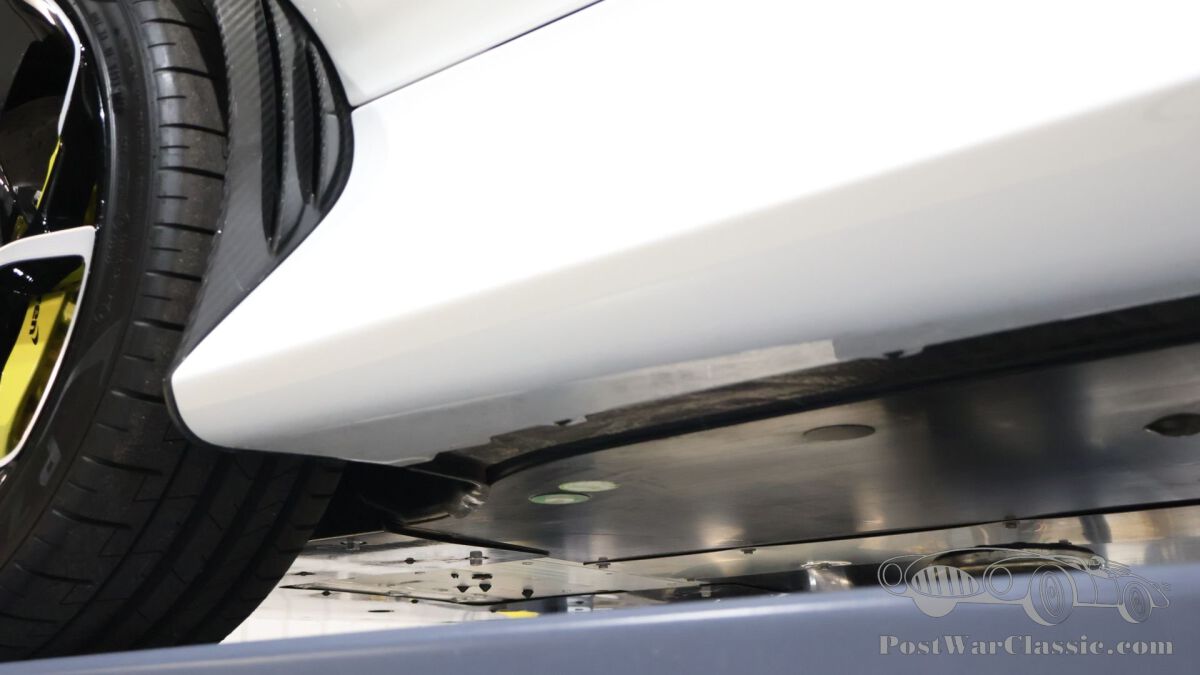
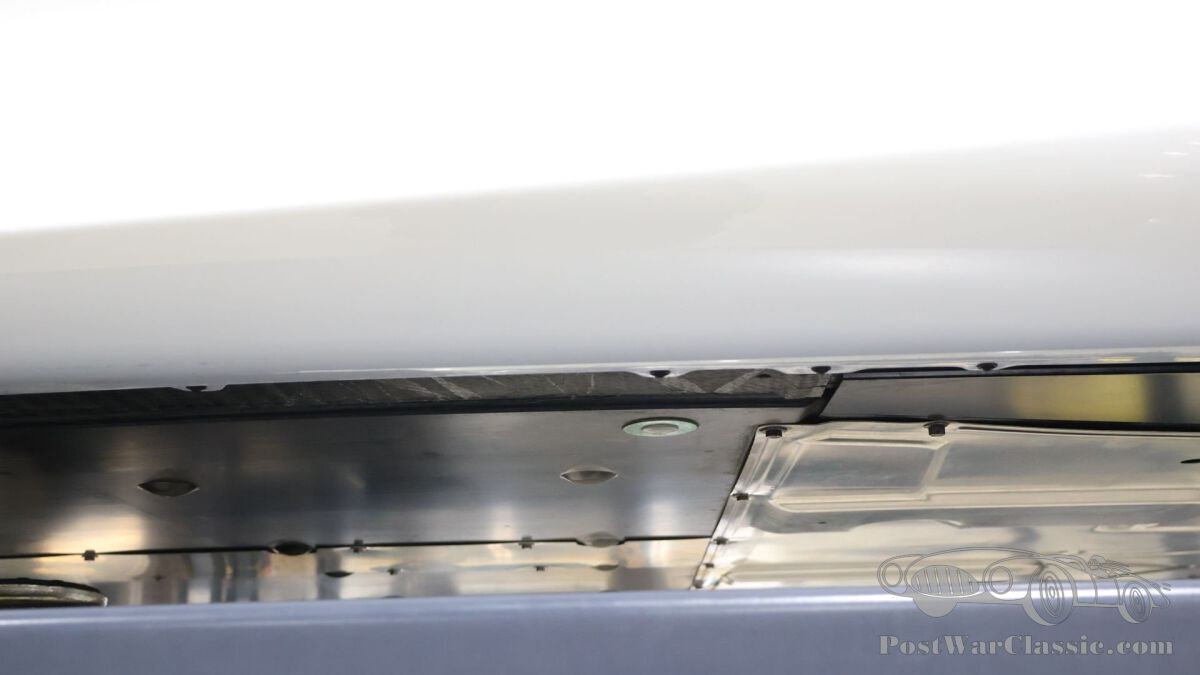
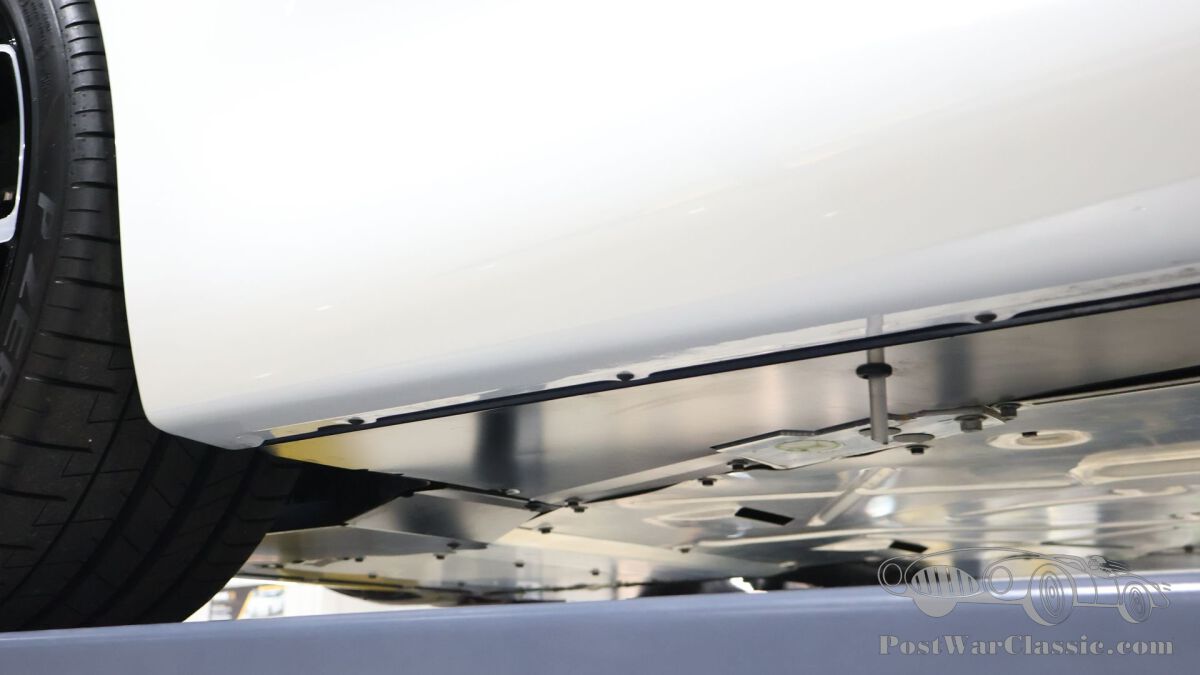
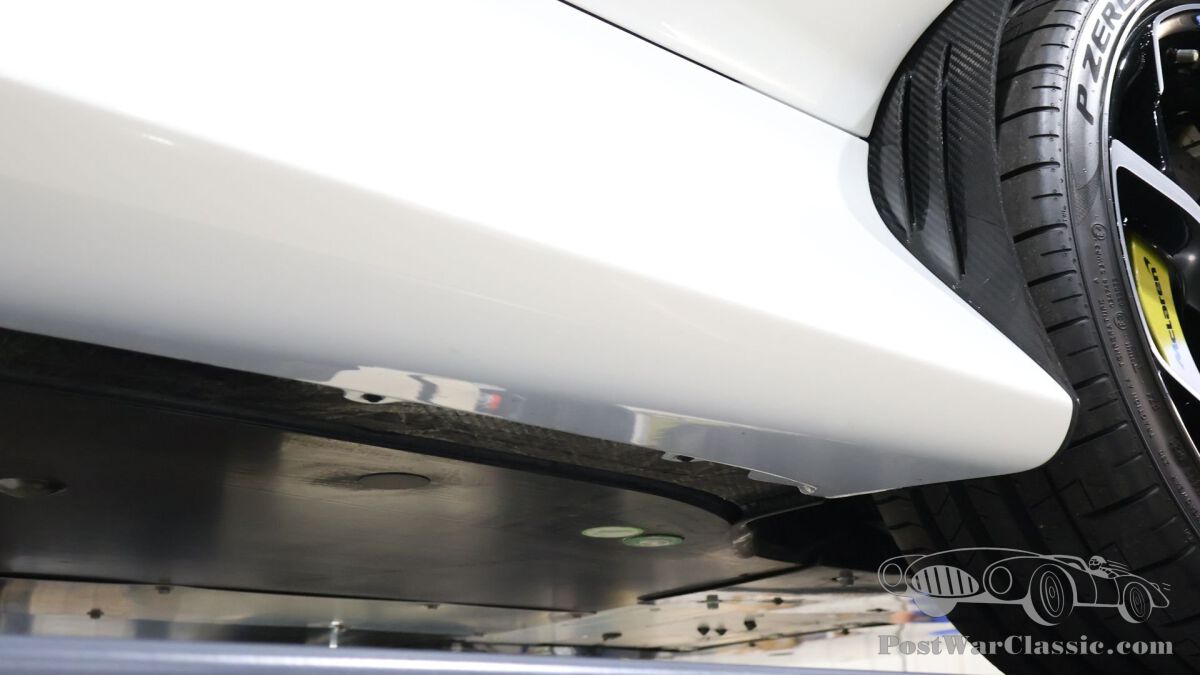
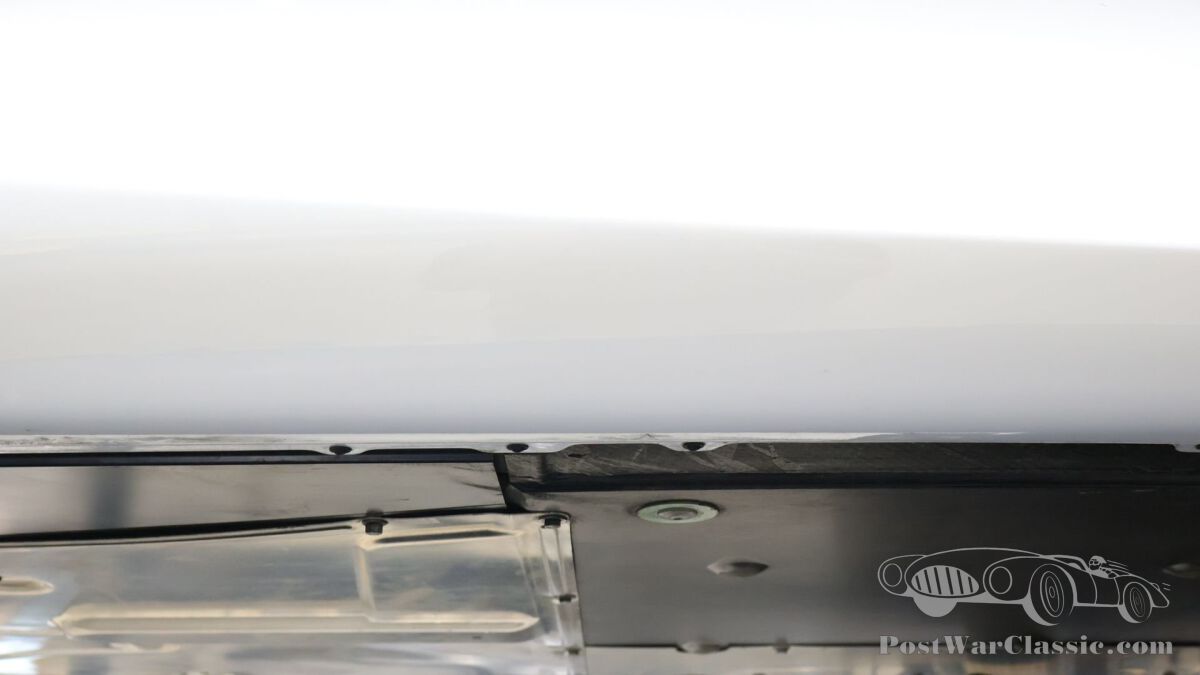
But what defines the Elva is not only power. Presented at launch as the lightest production road car McLaren had ever built, the Elva combines extreme lightness with extraordinary performance. Its carbon fiber monocoque, body panels, seats, steering wheel components, and carbon-ceramic braking system all contribute to an exceptional power-to-weight ratio. As in Formula 1, carbon fiber is used not as decoration, but as a core engineering principle.
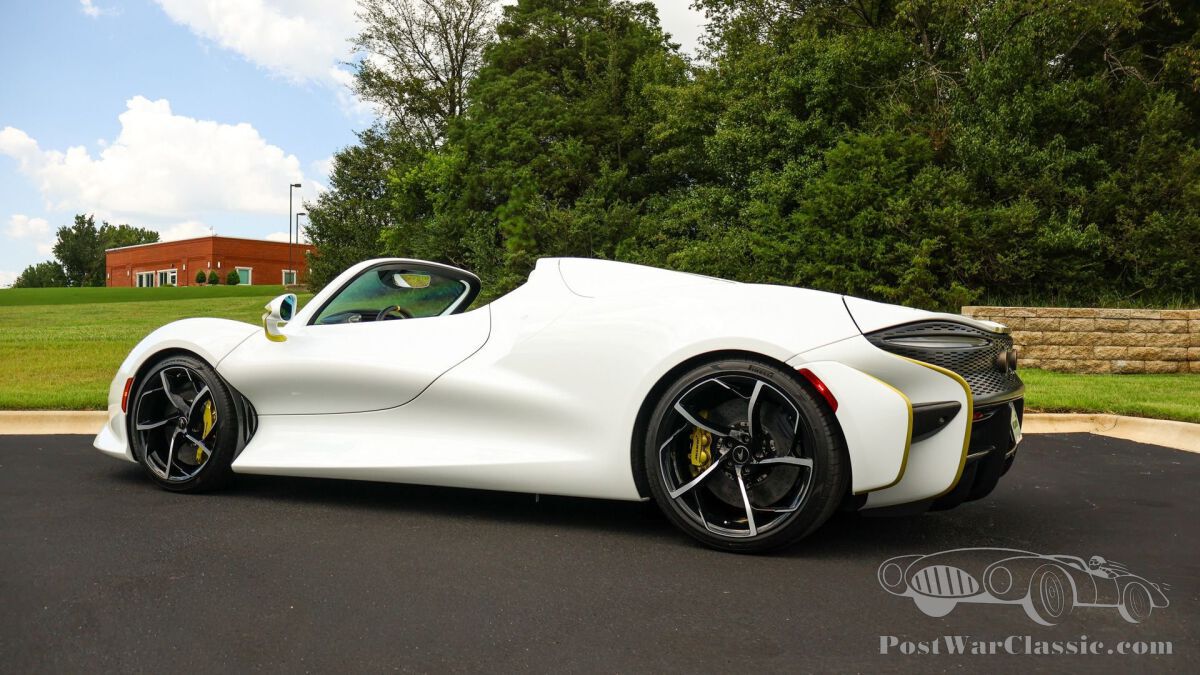
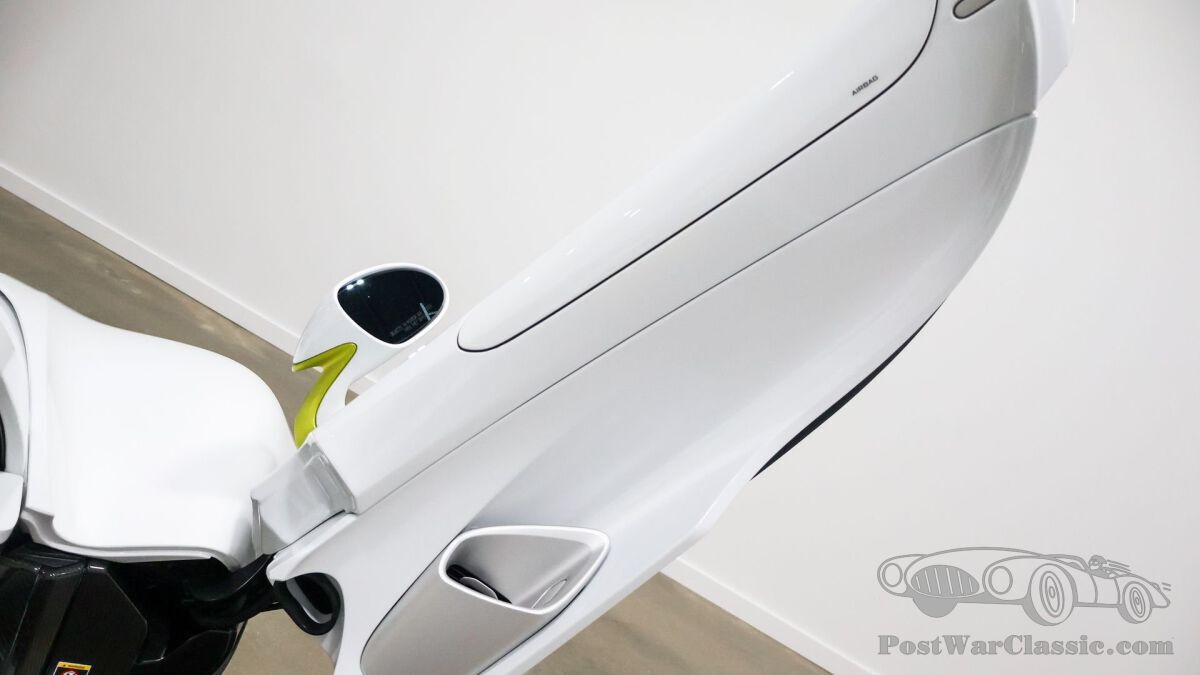
The bodywork is equally remarkable. Formed from just three main carbon fiber panels, it creates a clean, sculpted, and lightweight profile. This construction gives the Elva a seamless visual flow, making the exterior and interior feel like one continuous form rather than two separate environments.
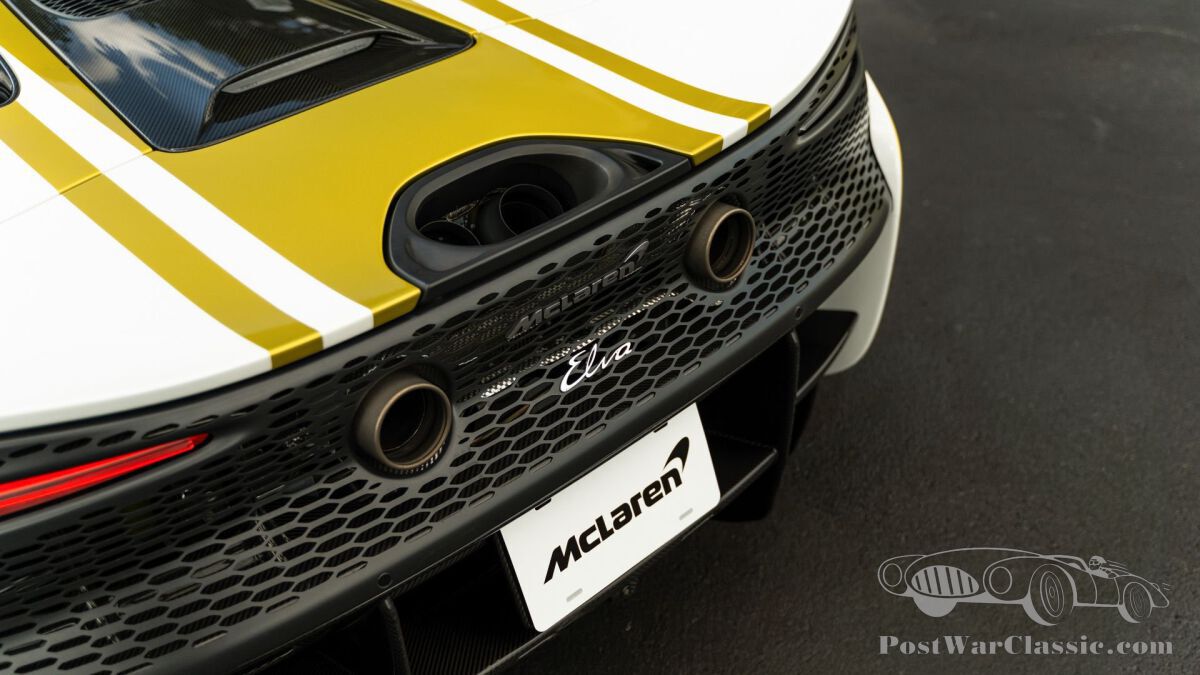
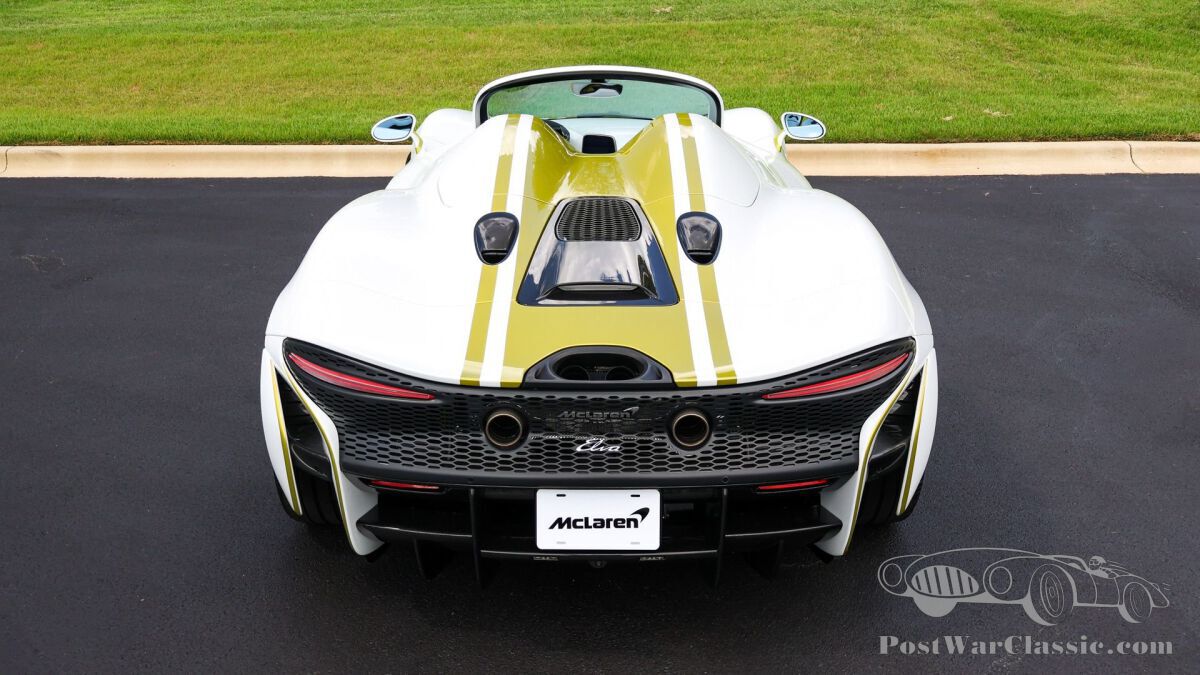
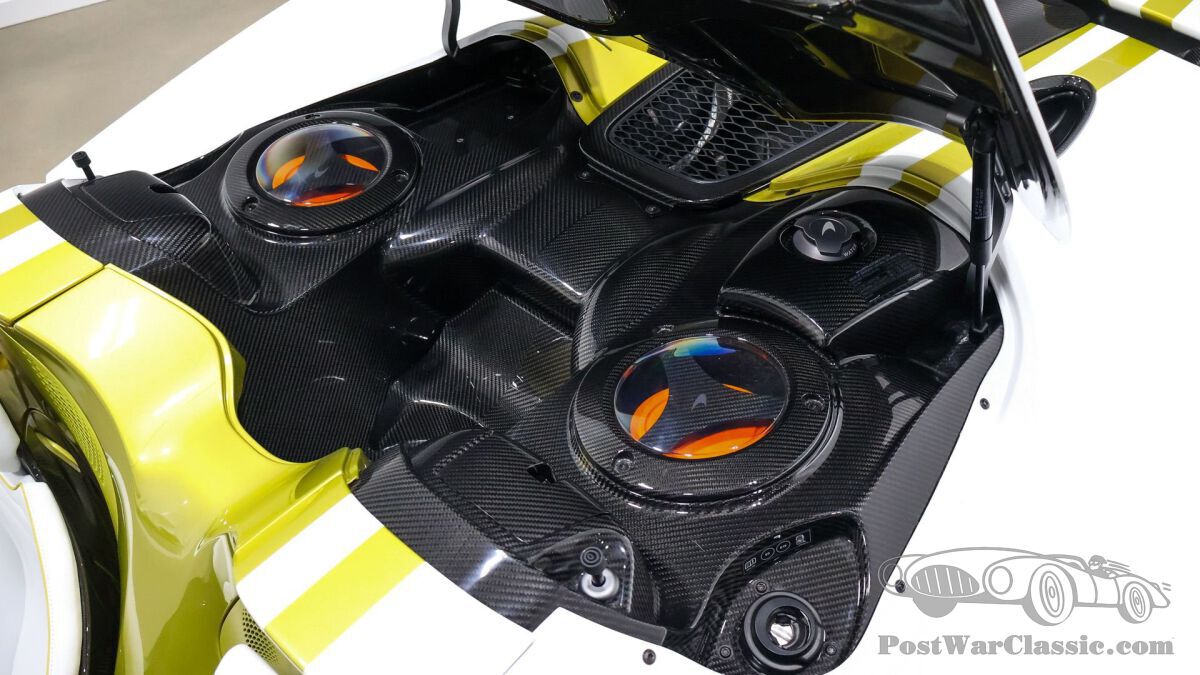
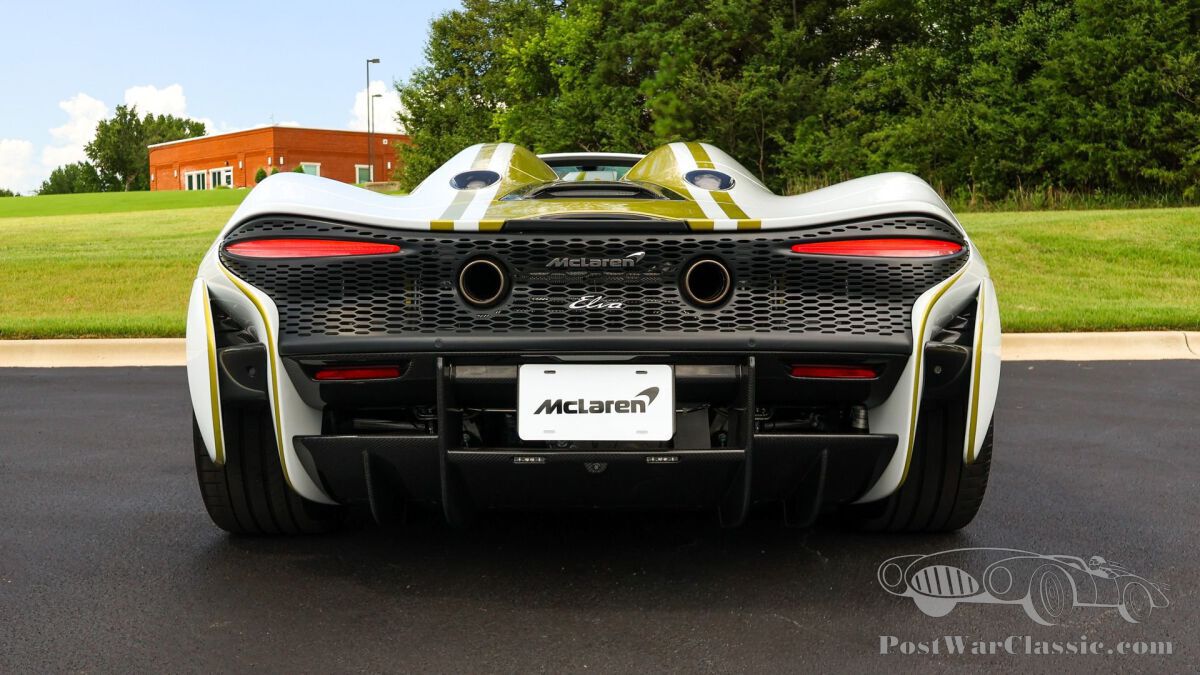
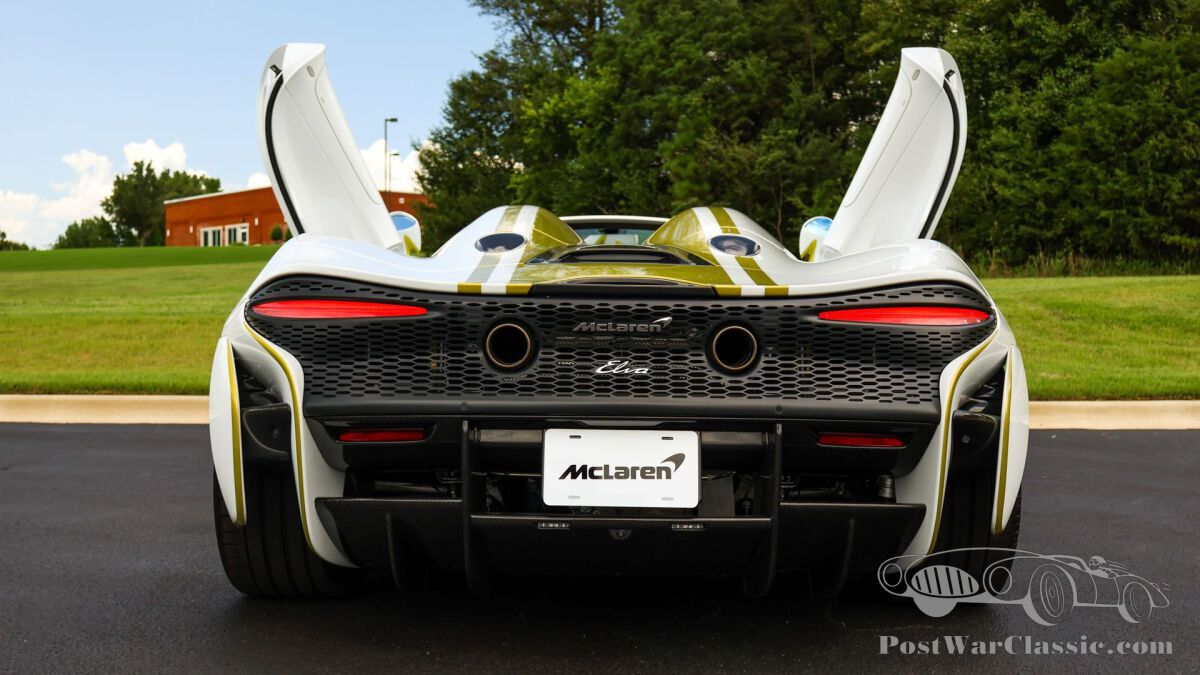
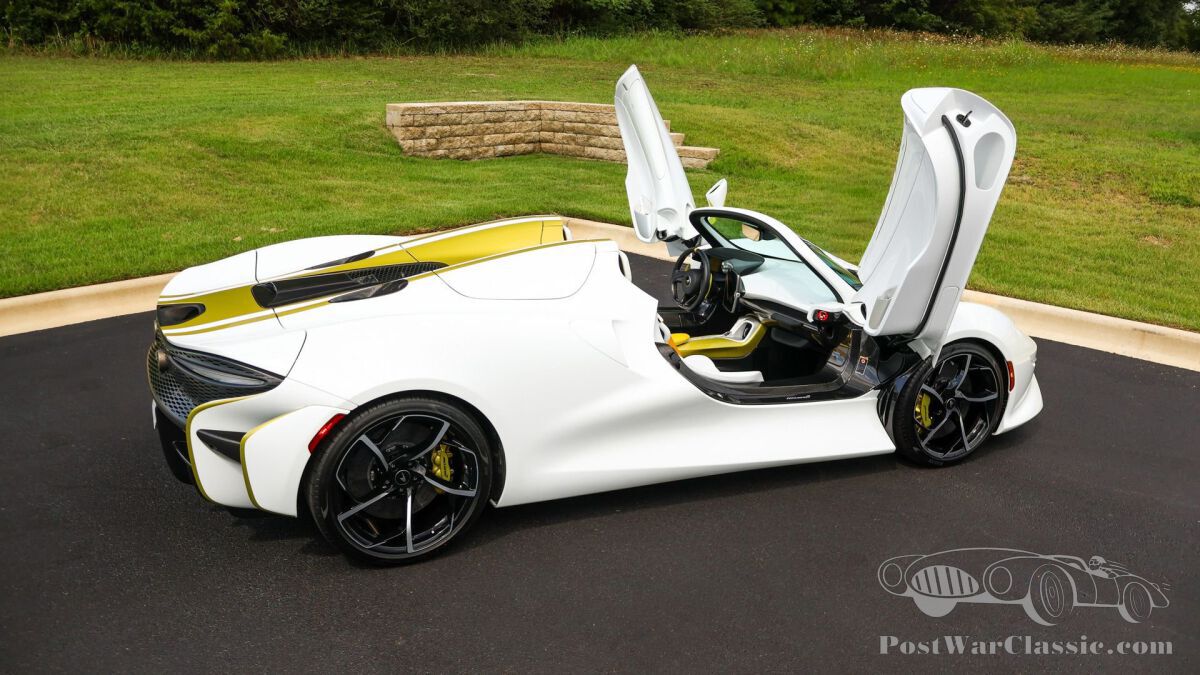
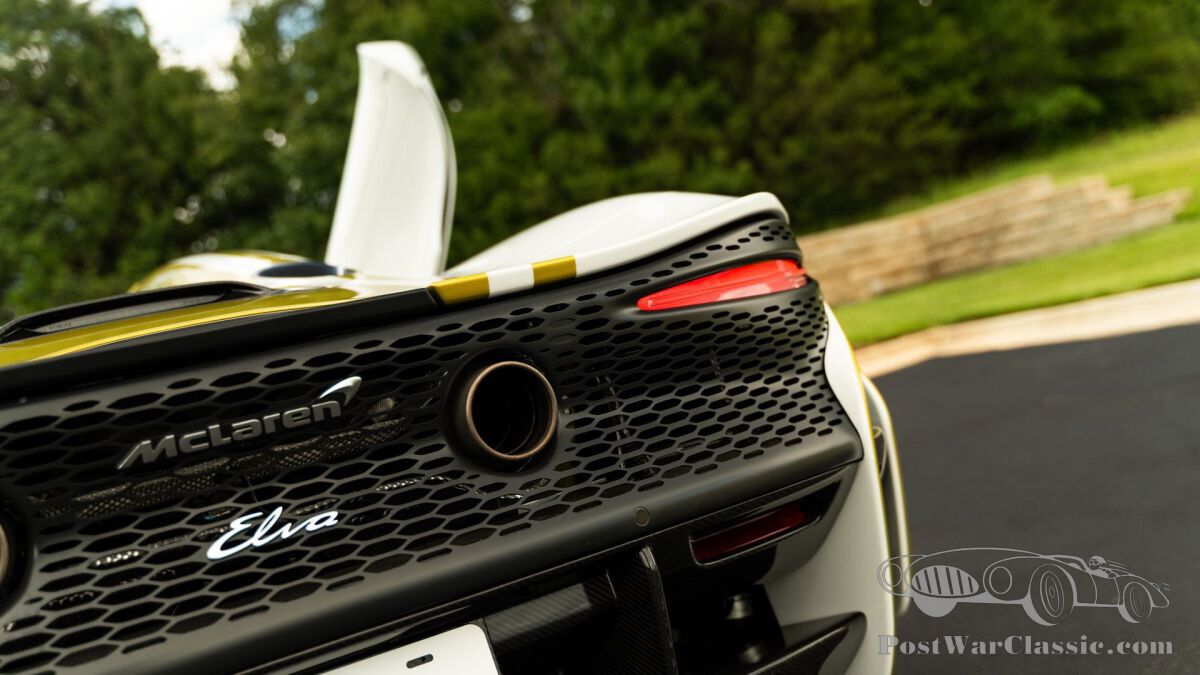
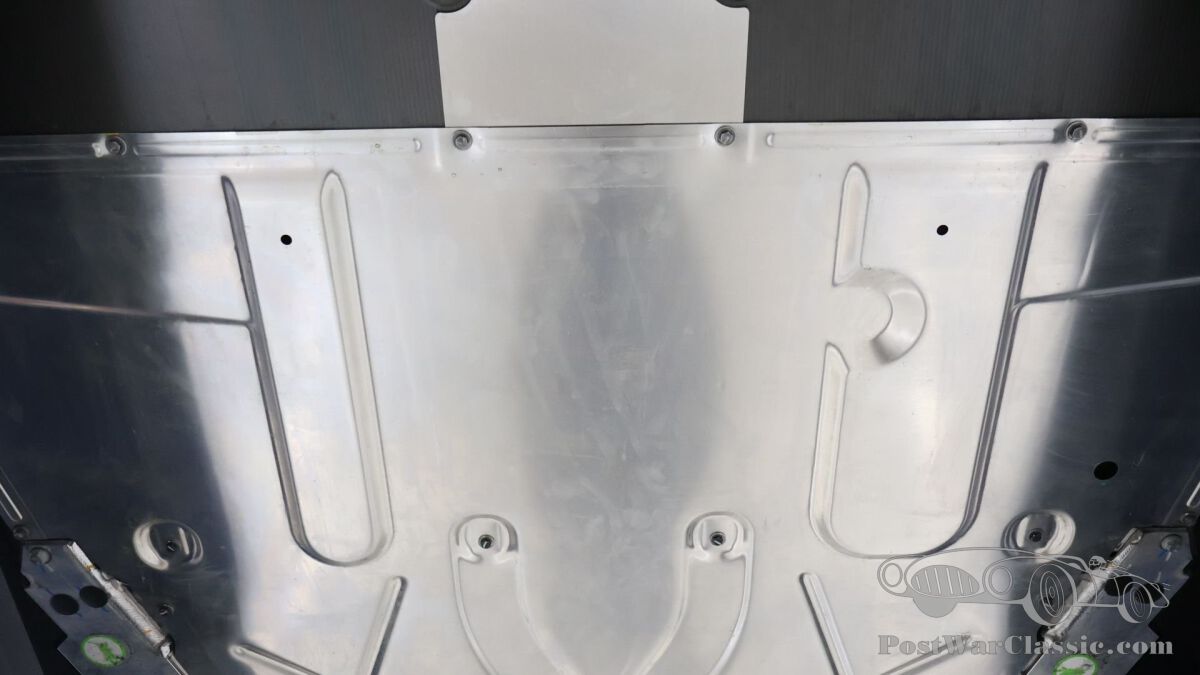
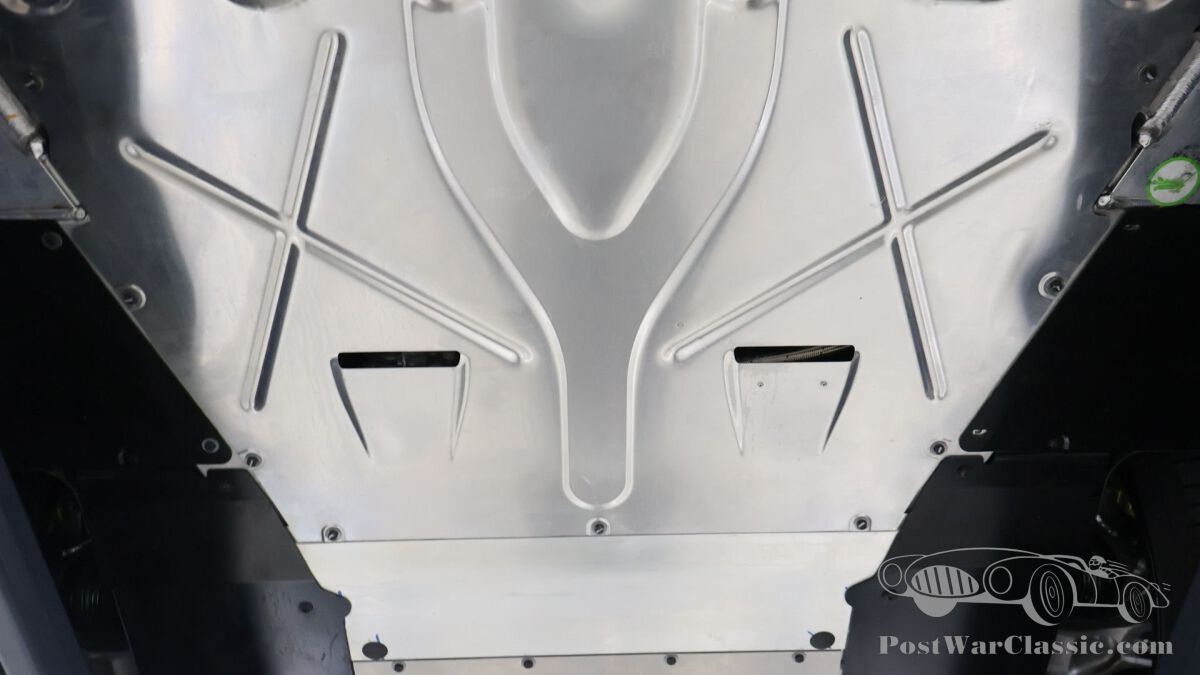
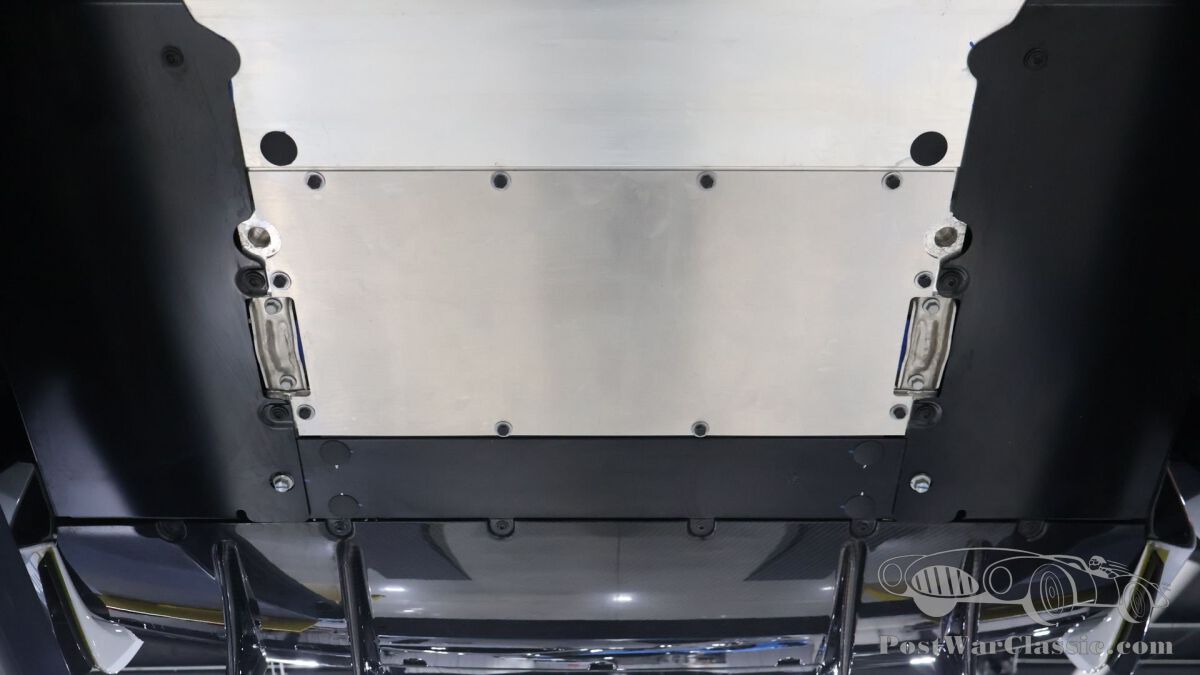
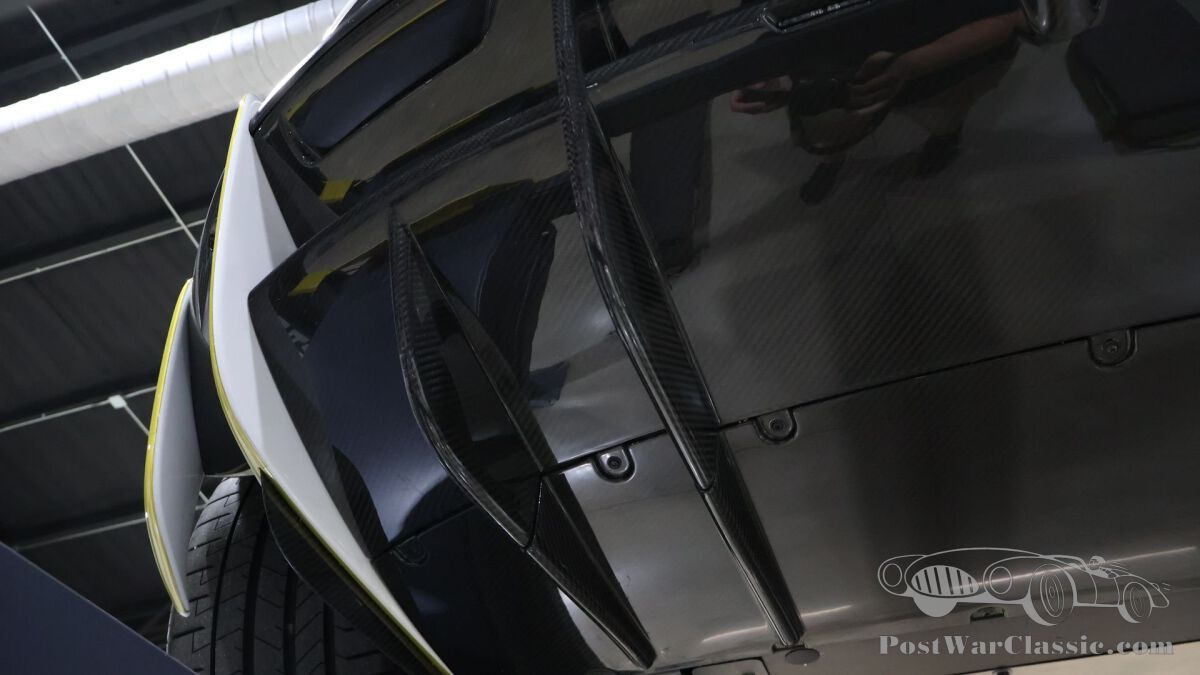
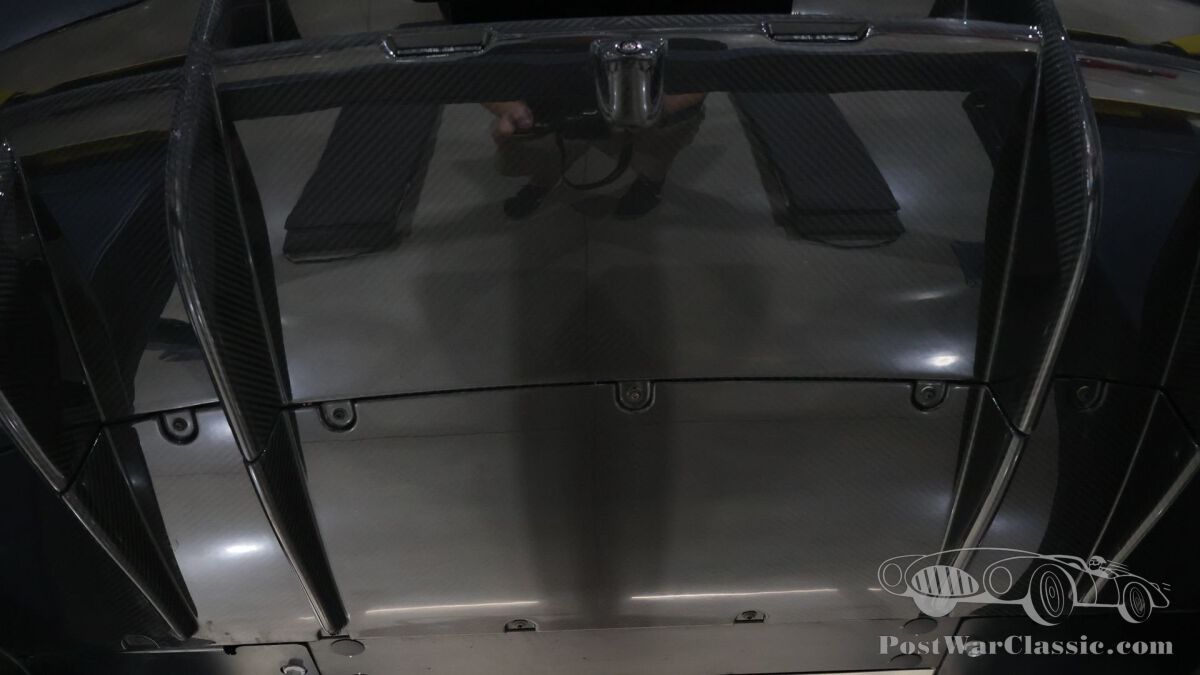
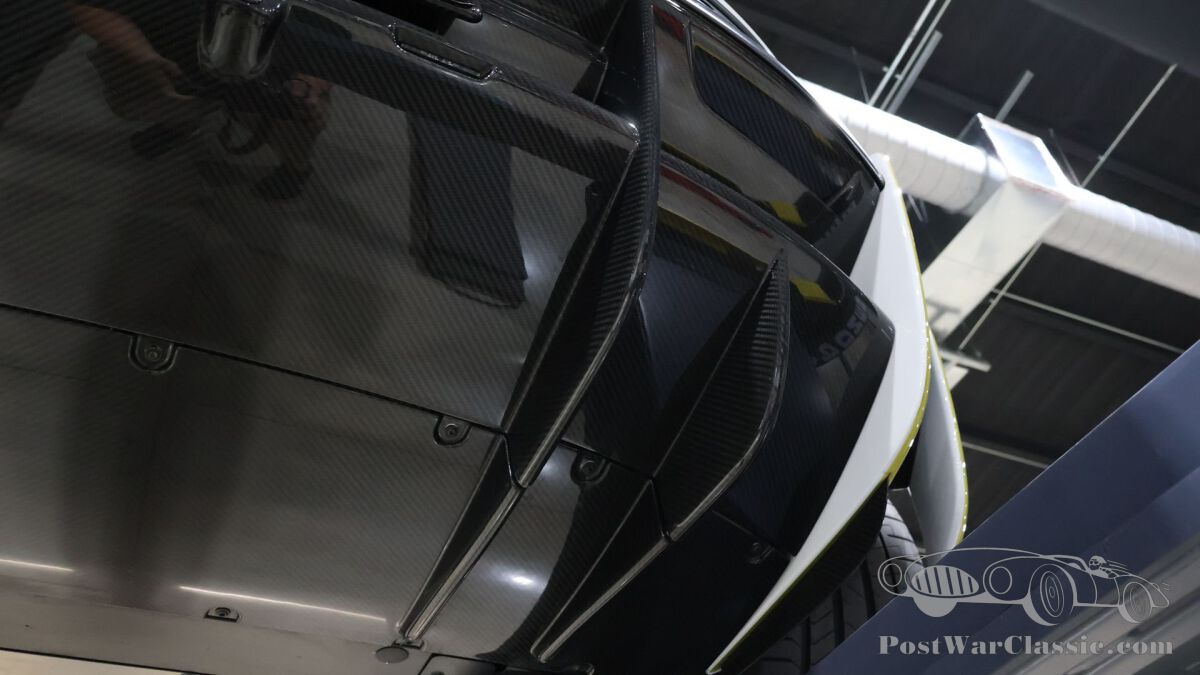
At the rear, the Elva becomes almost a piece of mechanical sculpture, with exposed exhaust outlets, titanium elements, and a visible underside shaped by airflow. This same aerodynamic thinking defines one of the car's most innovative features: its Active Air Management System, a world-first for a road car. Using carefully engineered airflow channels, the system directs high-speed air over the cockpit, creating a protective air bubble around the driver and passenger that reduces turbulence while preserving the open-air sensation at the heart of the Elva.
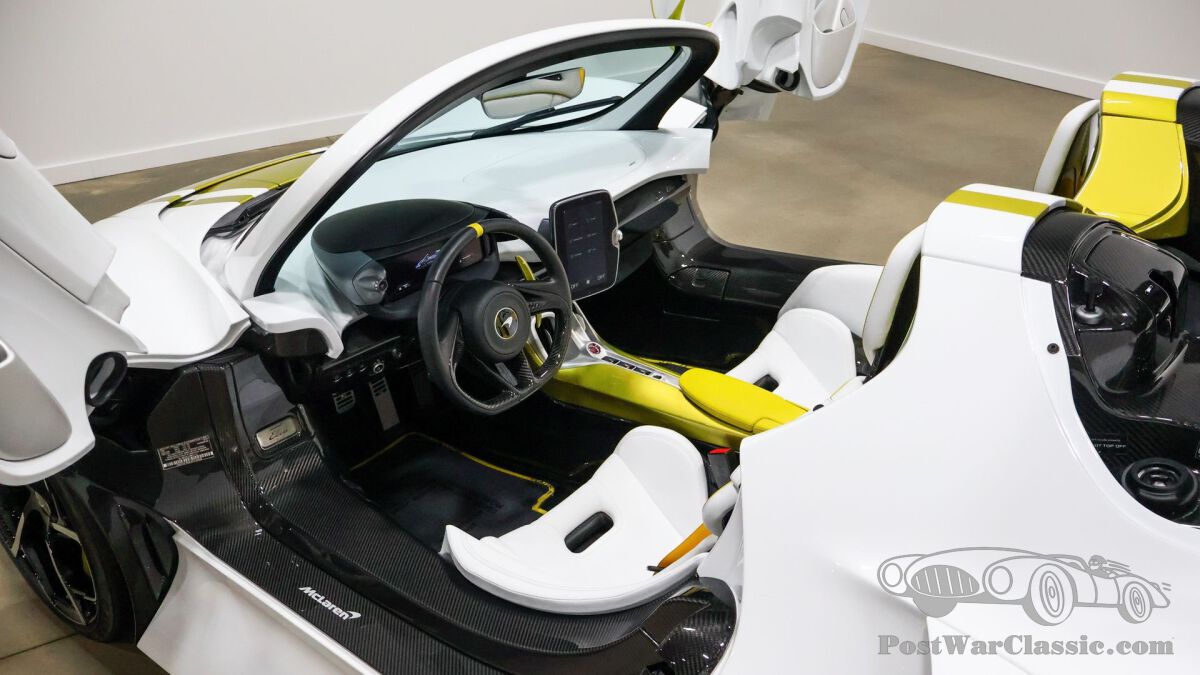
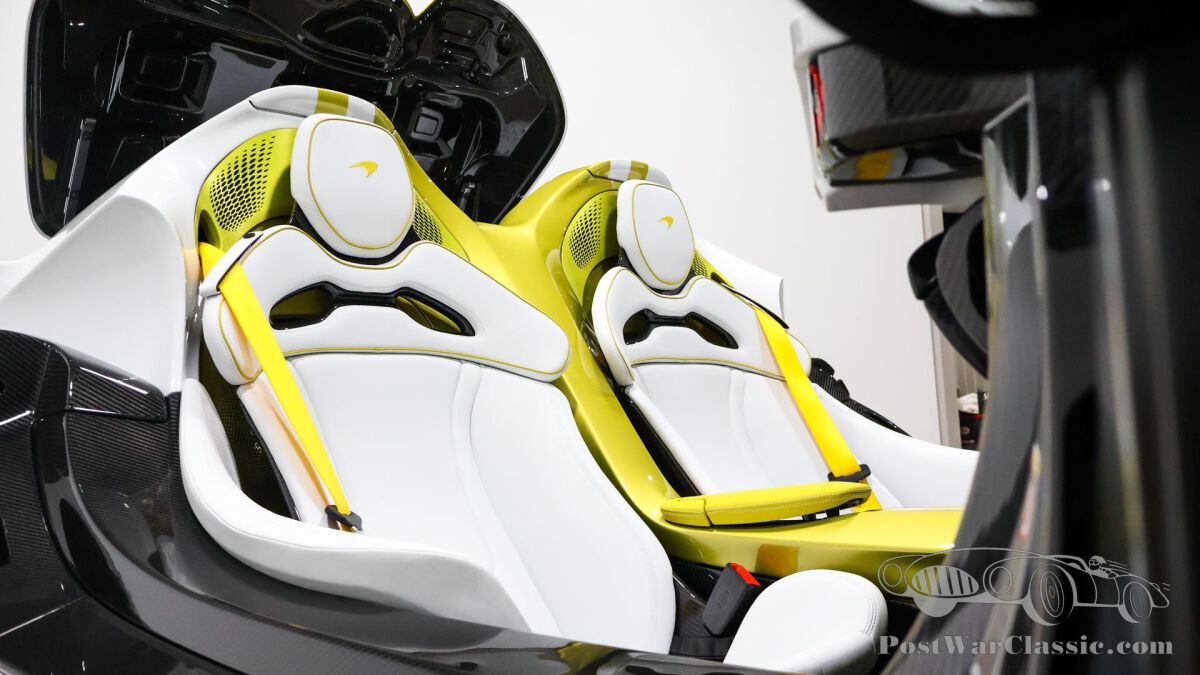
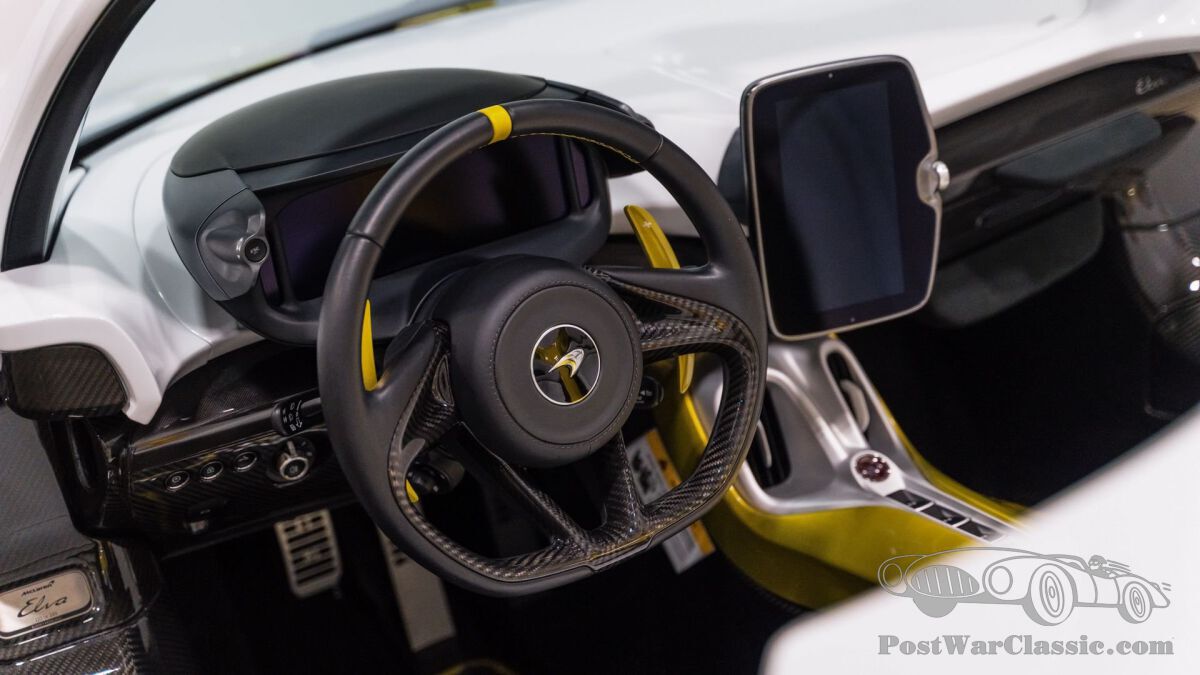
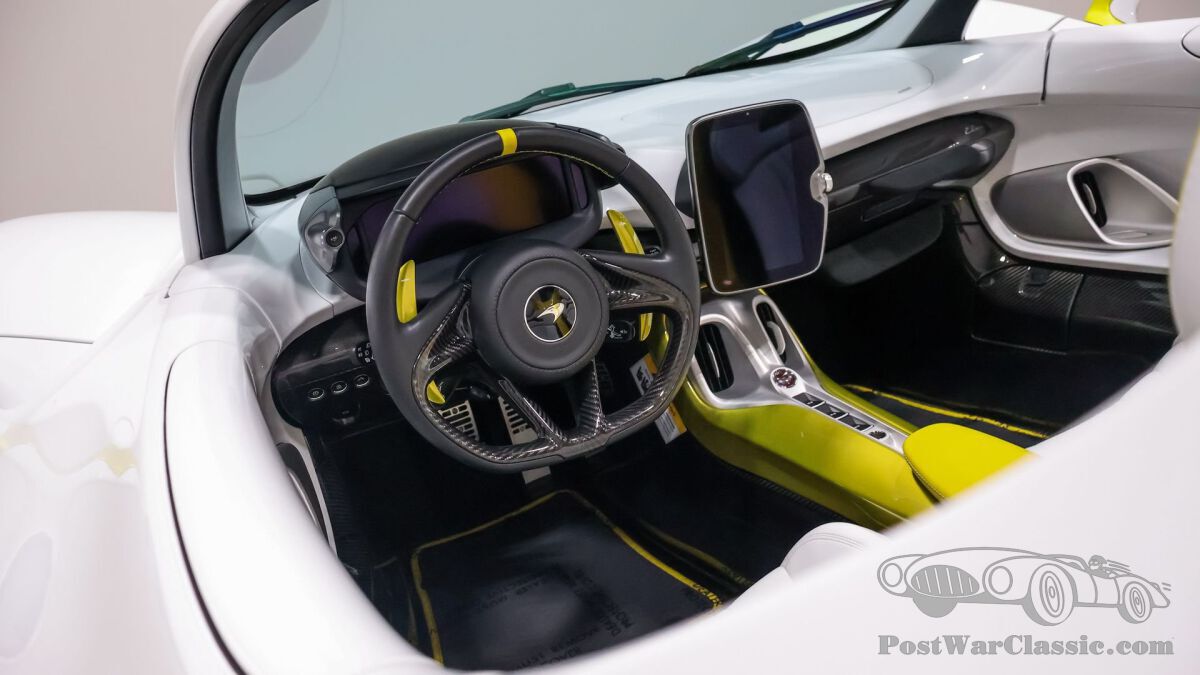
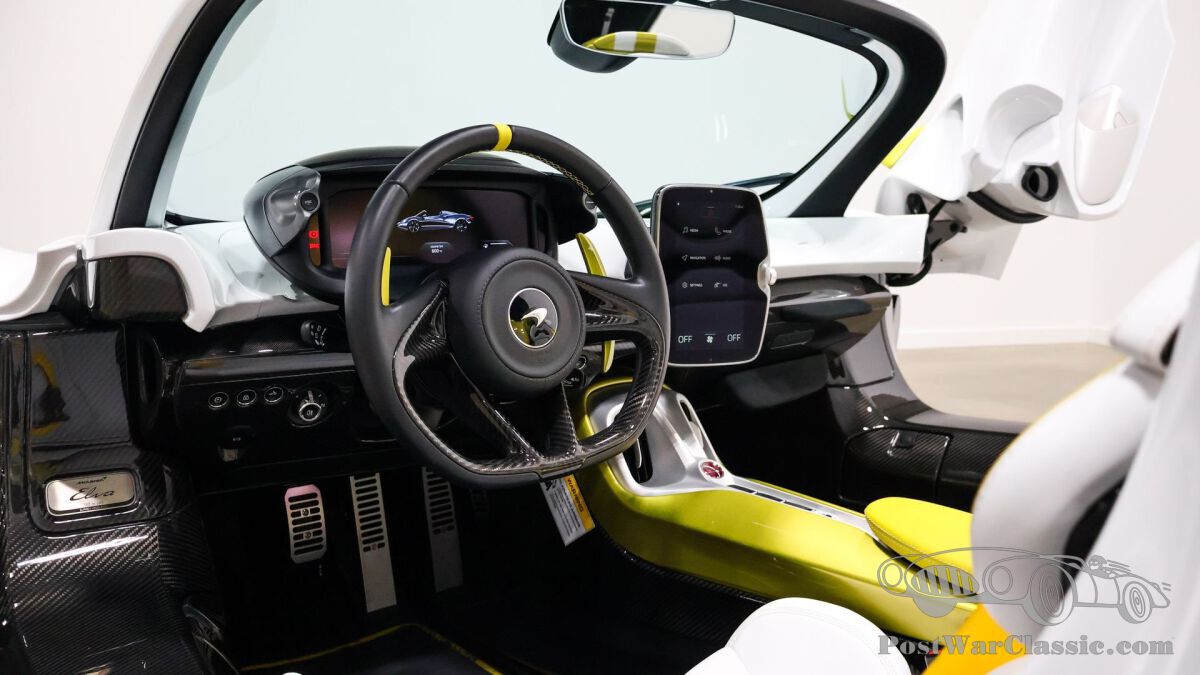
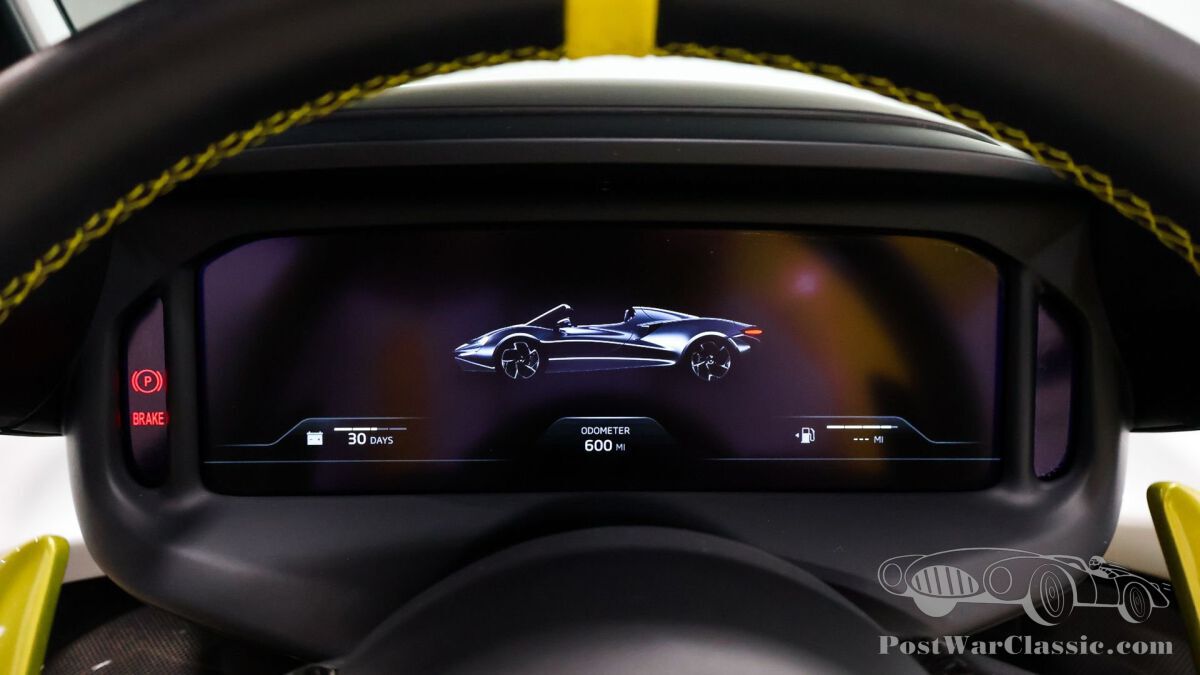
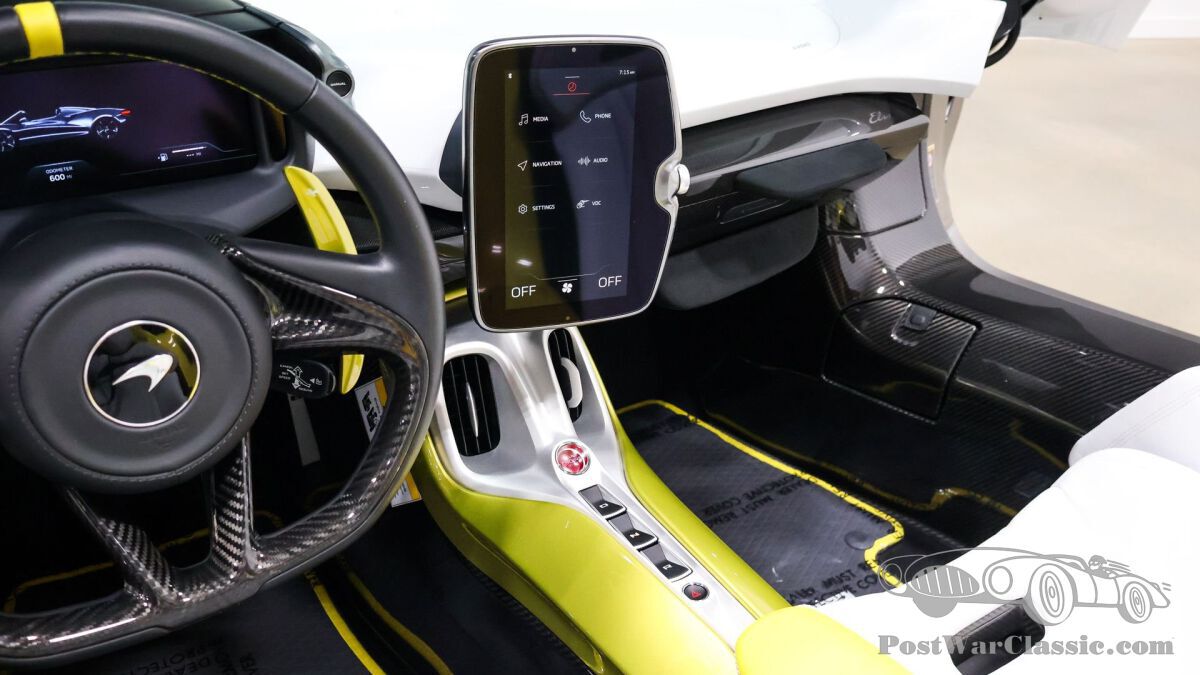
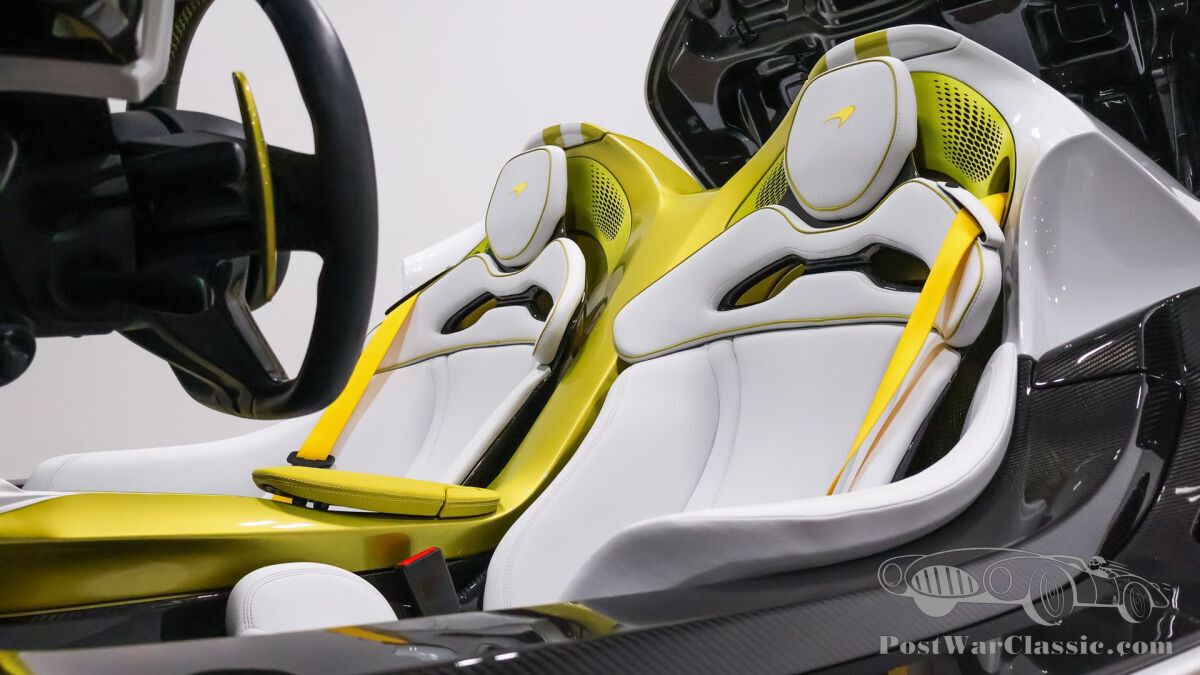
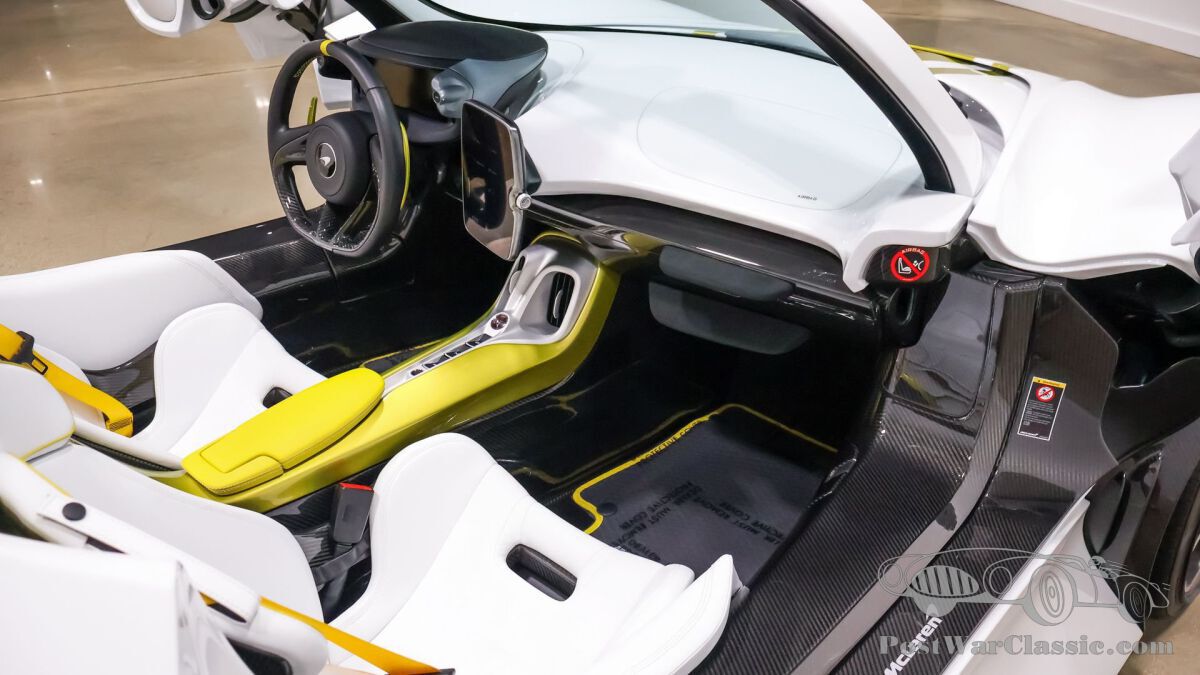
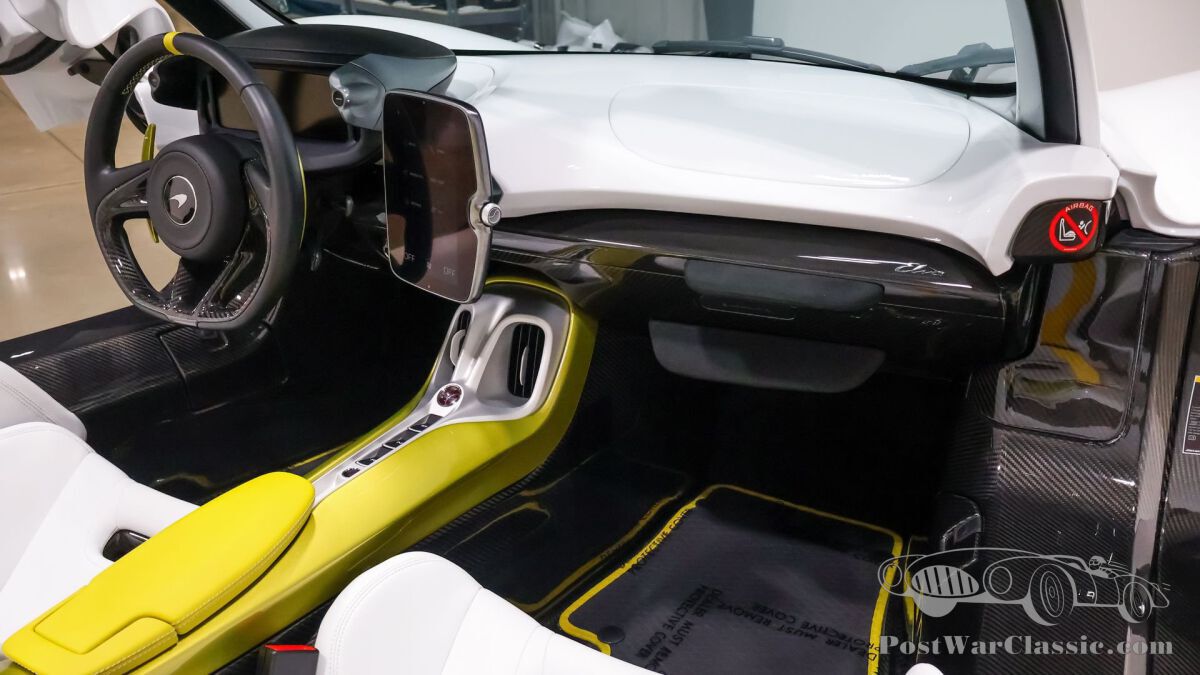
The interior follows the same philosophy: stripped back, focused, but still usable. It features a digital driver display and an eight-inch central touchscreen for infotainment. The steering wheel and instrument binnacle move together, creating more space for entry and exit. This allows the passenger to stand in front of the seat before sitting down, making the car surprisingly practical for such an extreme open-cockpit machine.
Underneath, the Elva uses a double-wishbone suspension setup with adaptive dampers and ProActive Chassis Control II. It also features an open differential with Brake Steer, along with ABS, traction control, electronic stability control, launch control, and Variable Drift Control. The result is a car that feels raw and elemental, yet remains deeply engineered and highly controlled.
During the final stages of development, Lando Norris helped test the Elva shortly after joining McLaren's Formula 1 team. His involvement connected the project even more directly to McLaren's racing culture and reinforced the Elva's position as a road car shaped by motorsport thinking.
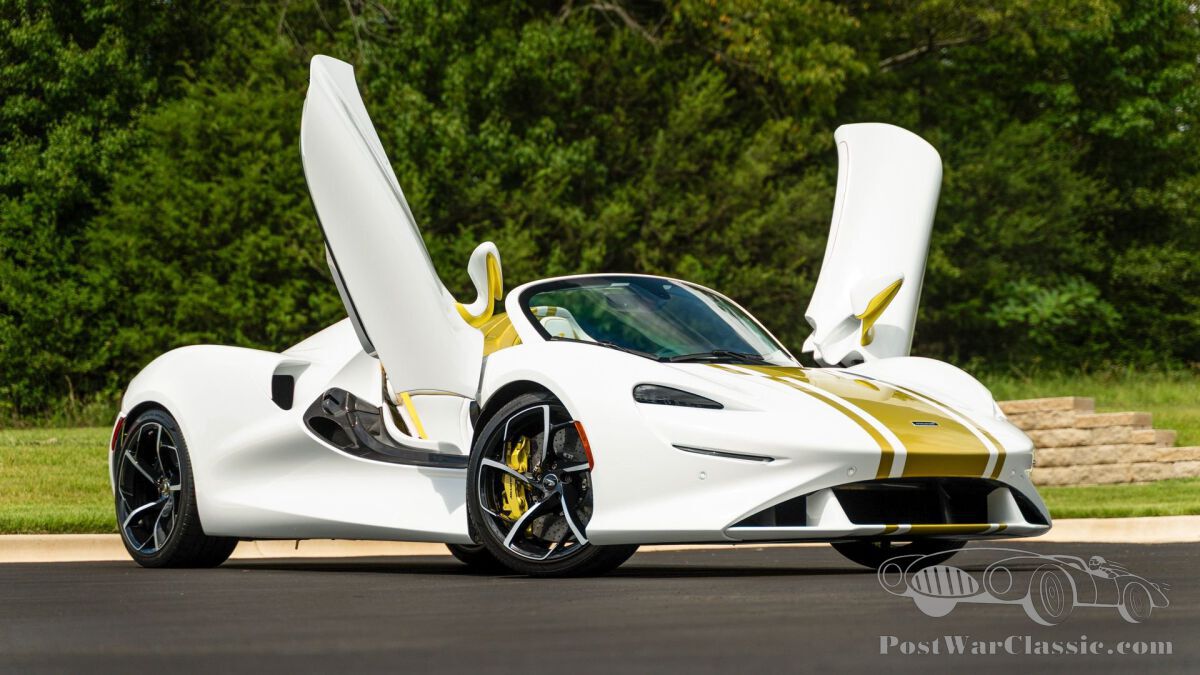
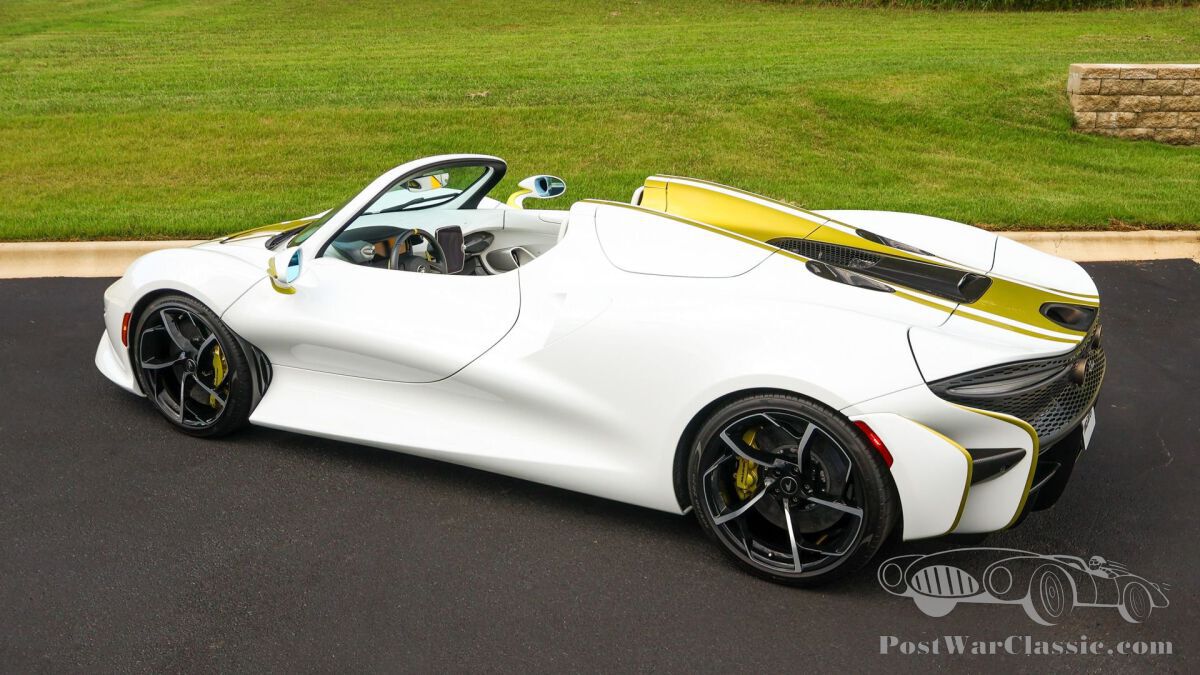
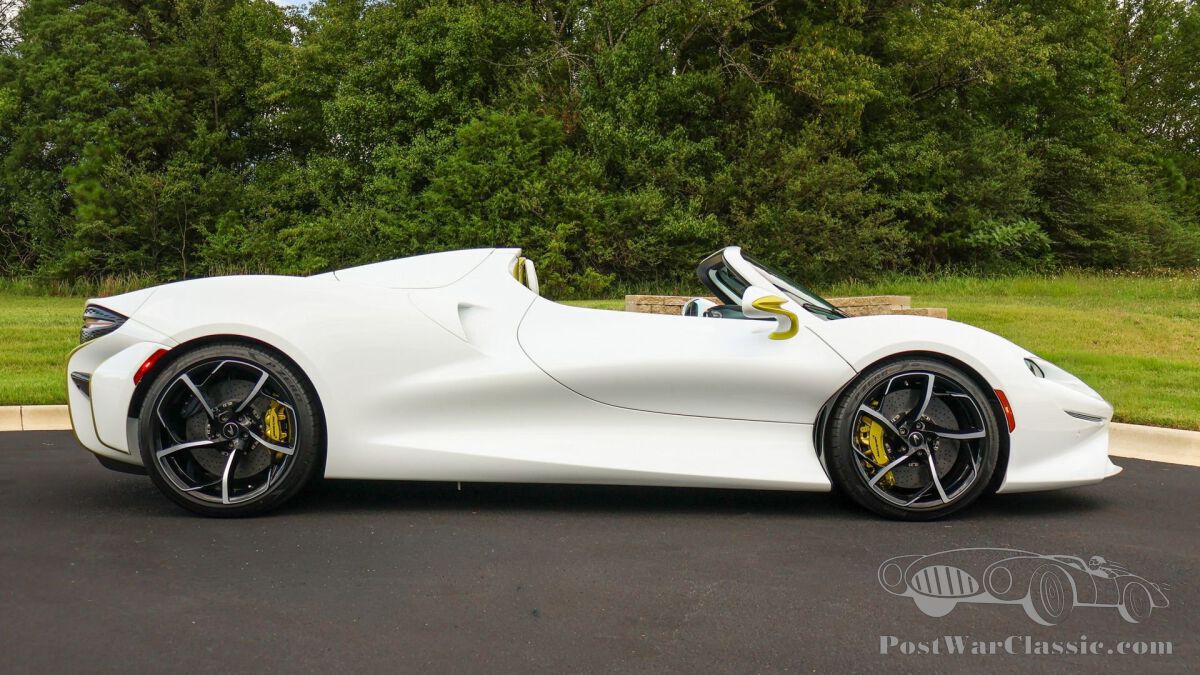
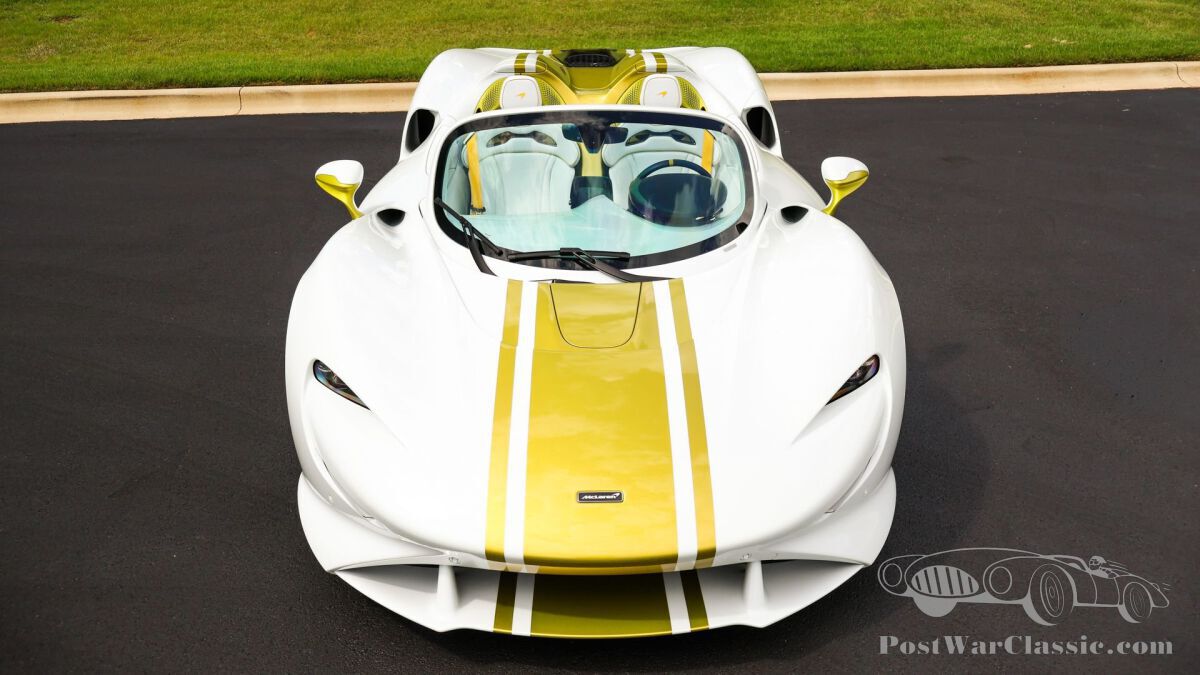
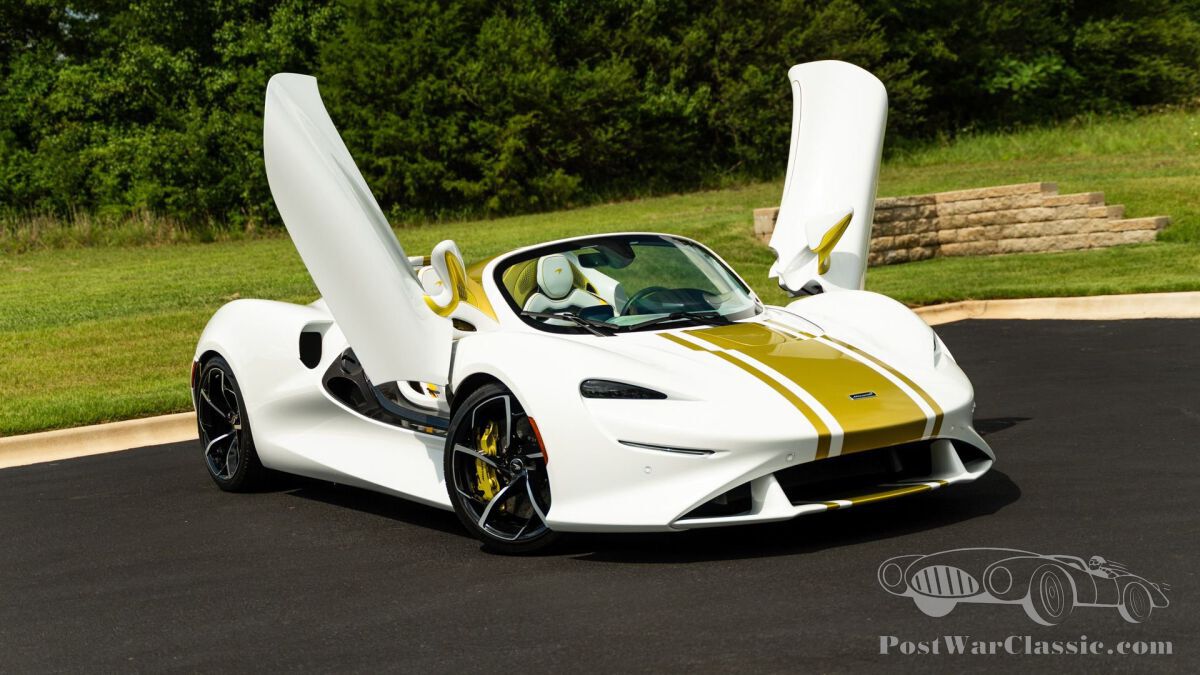
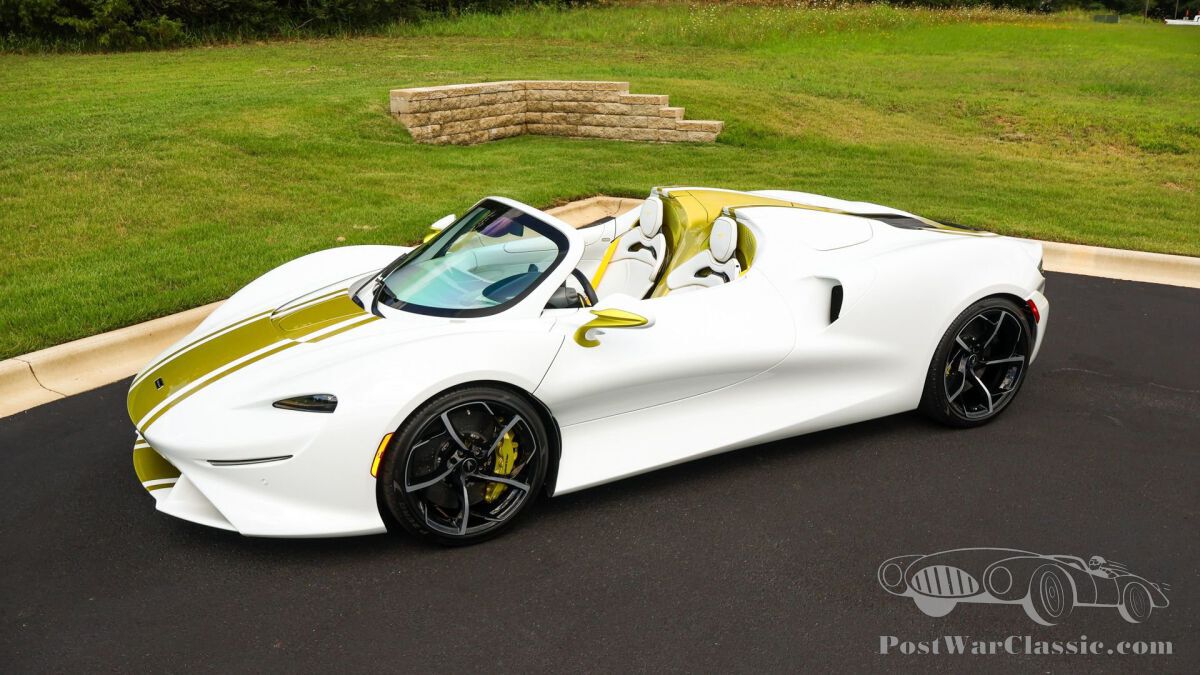
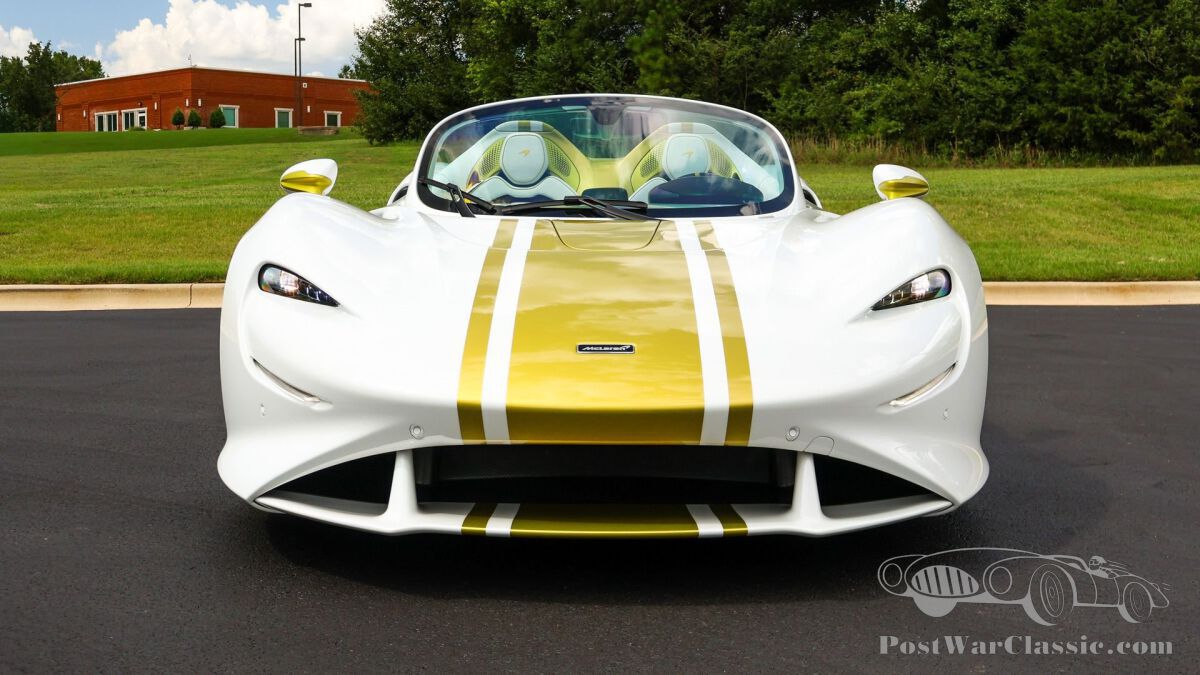
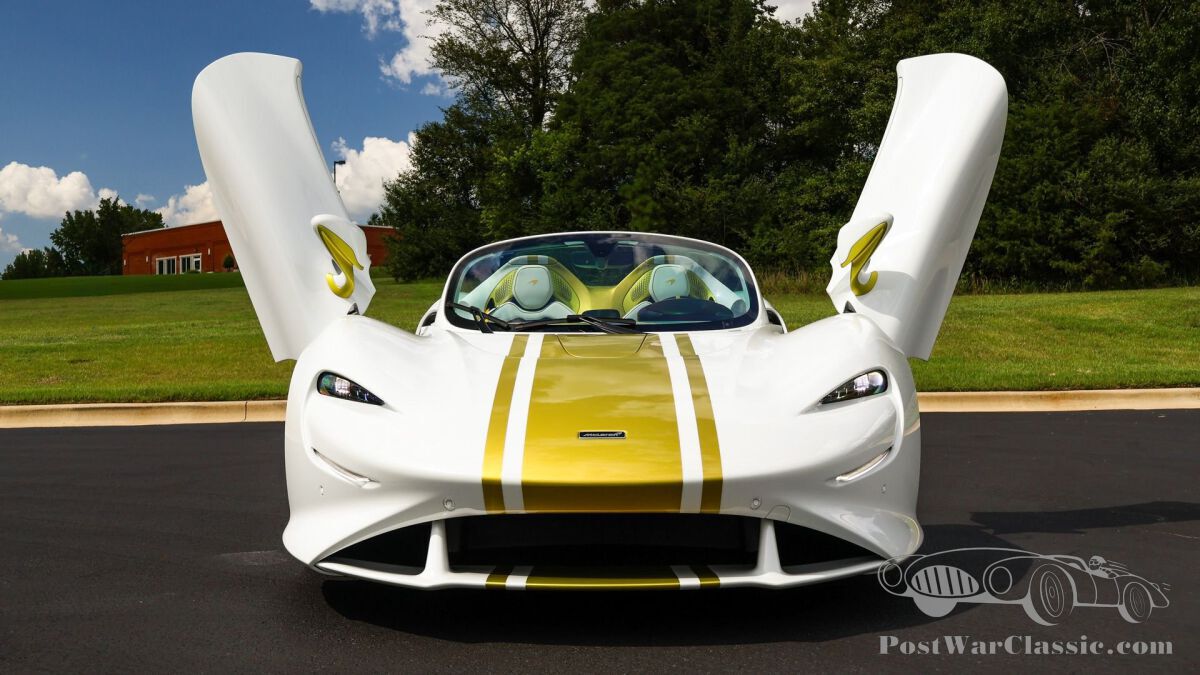
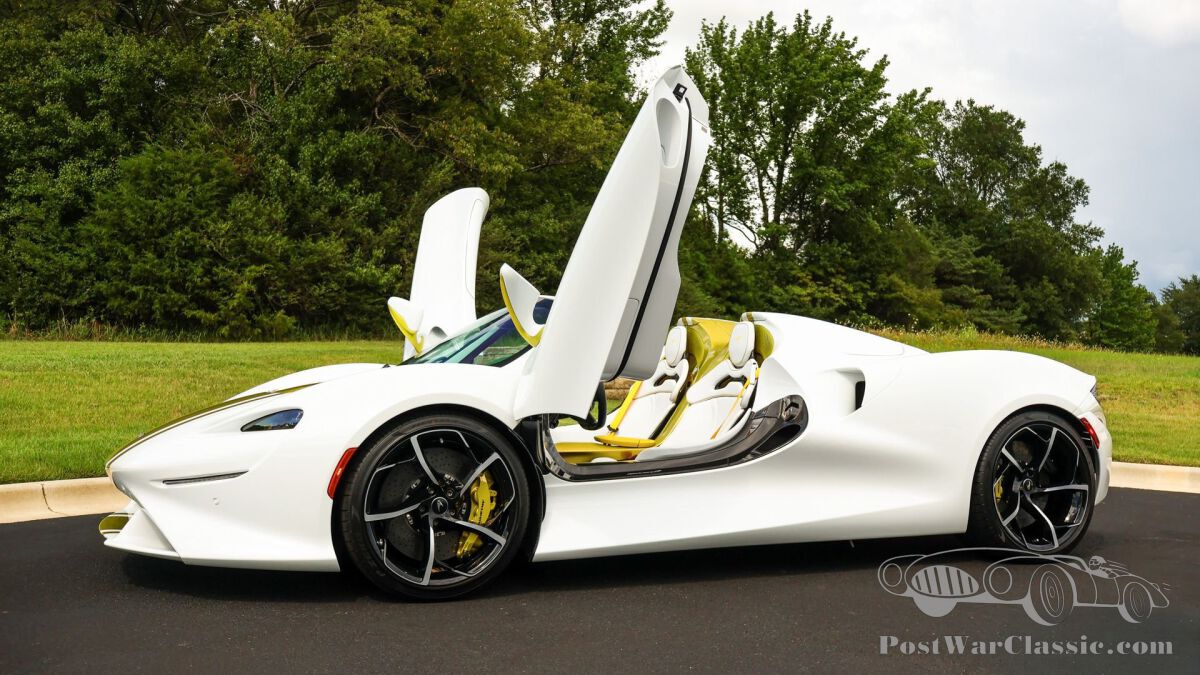
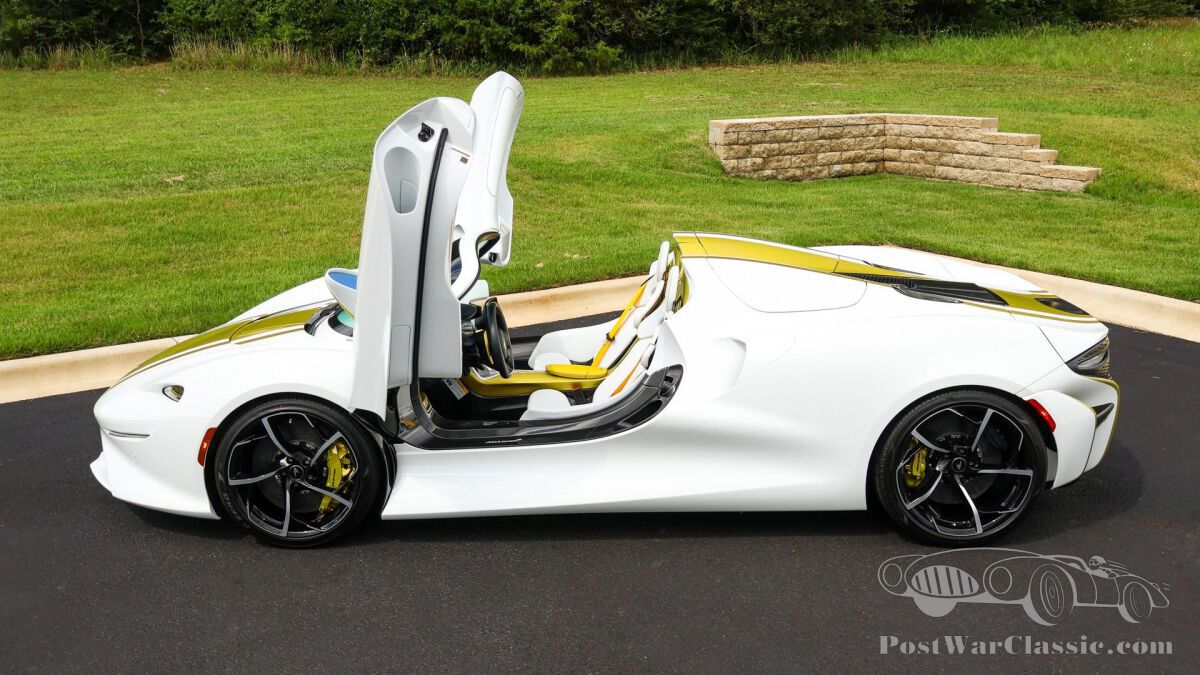
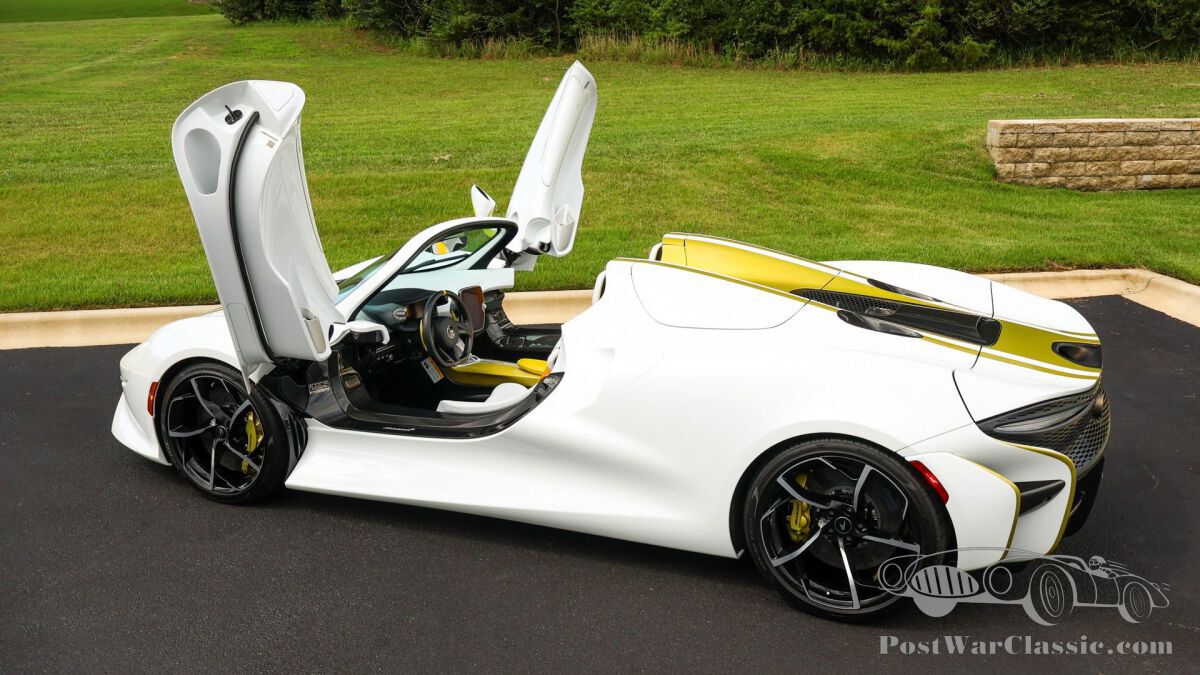
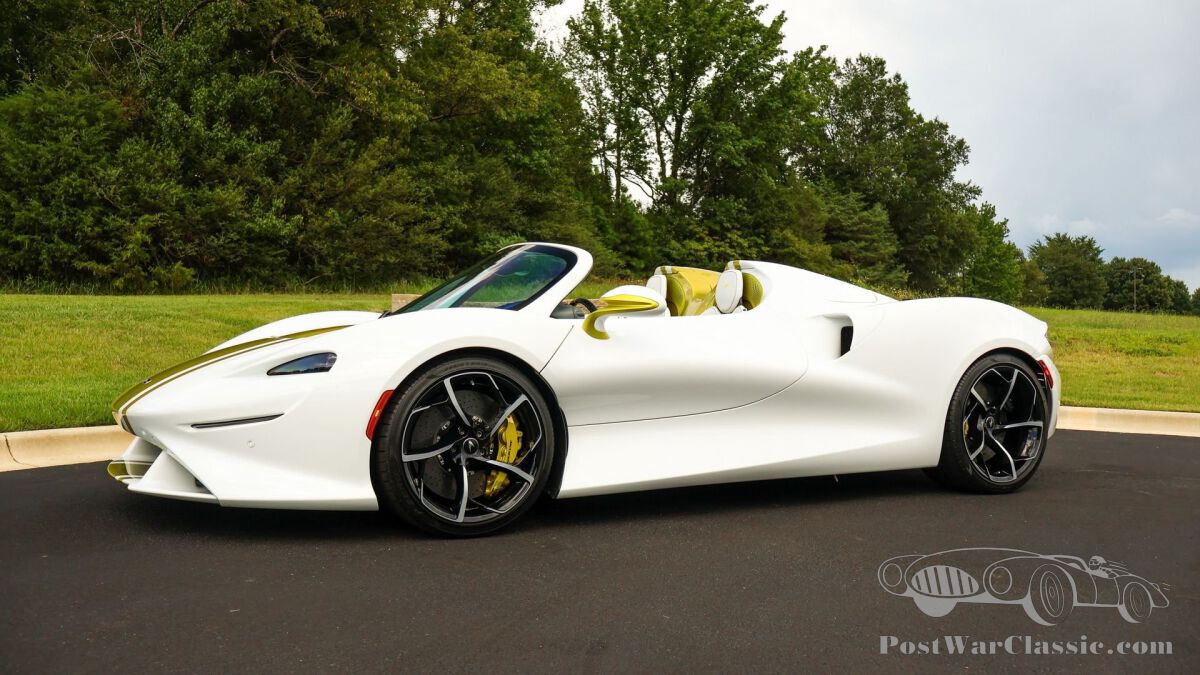
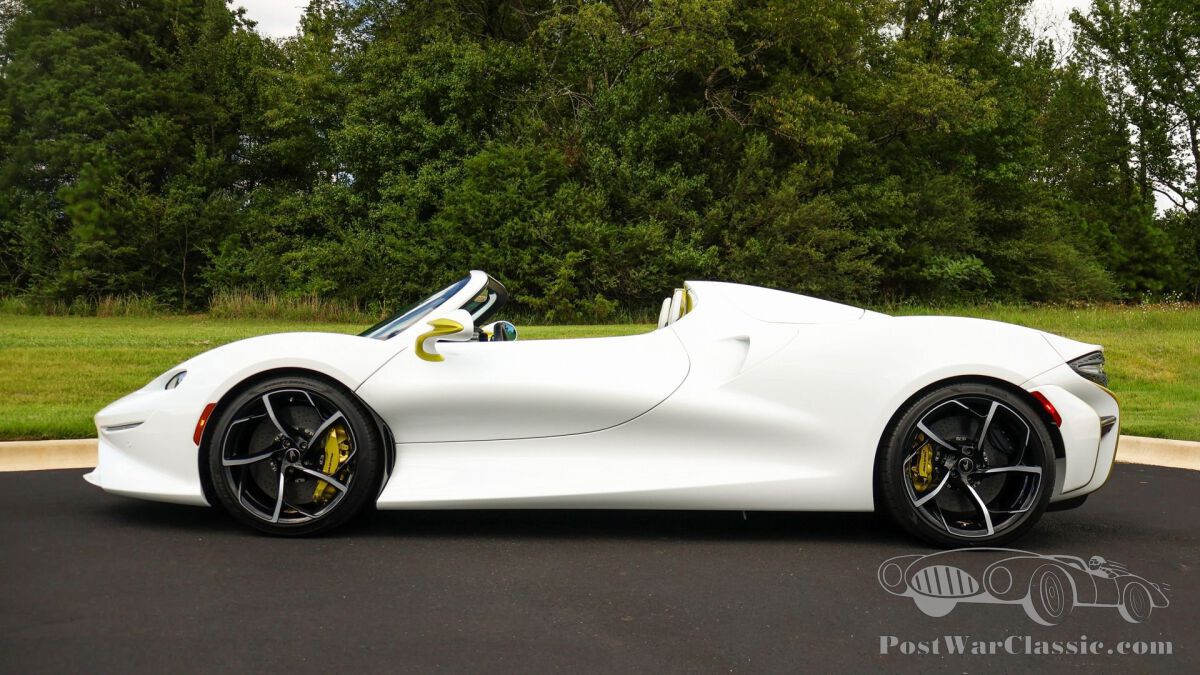
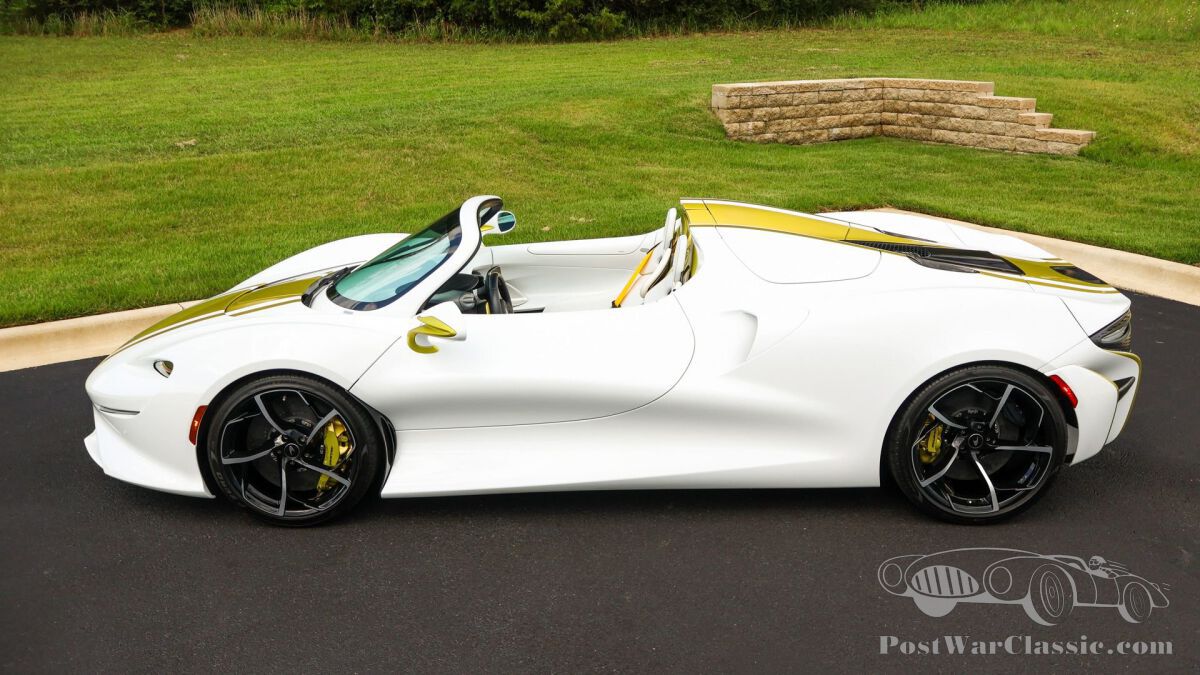
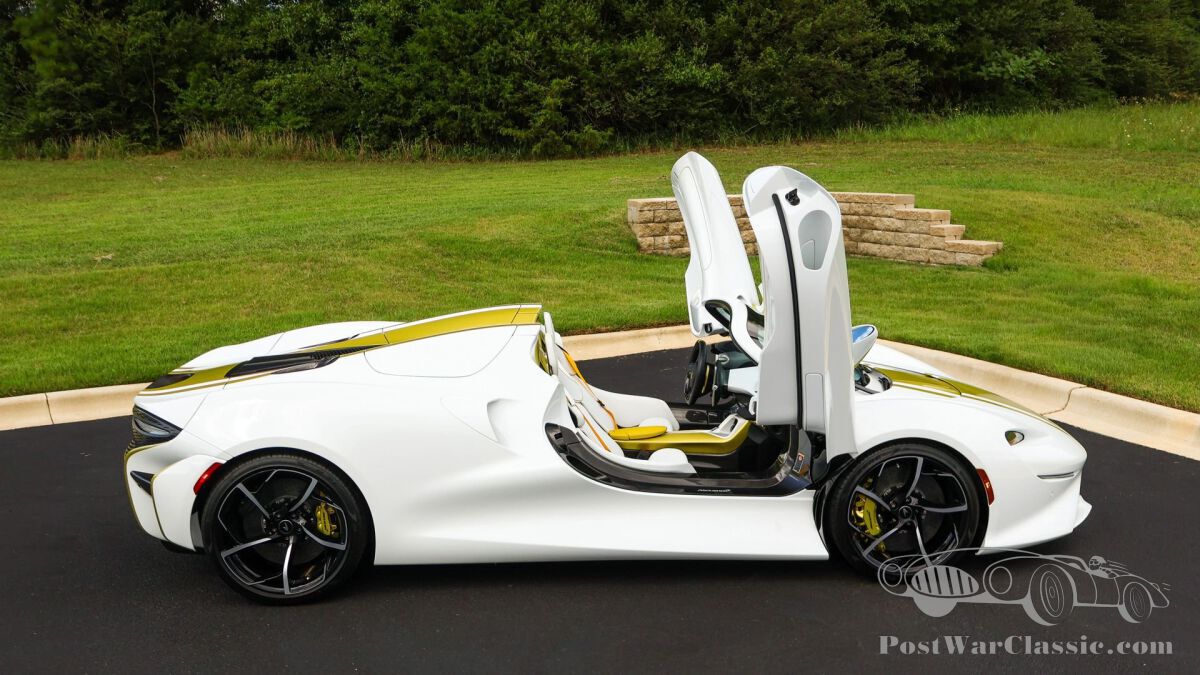
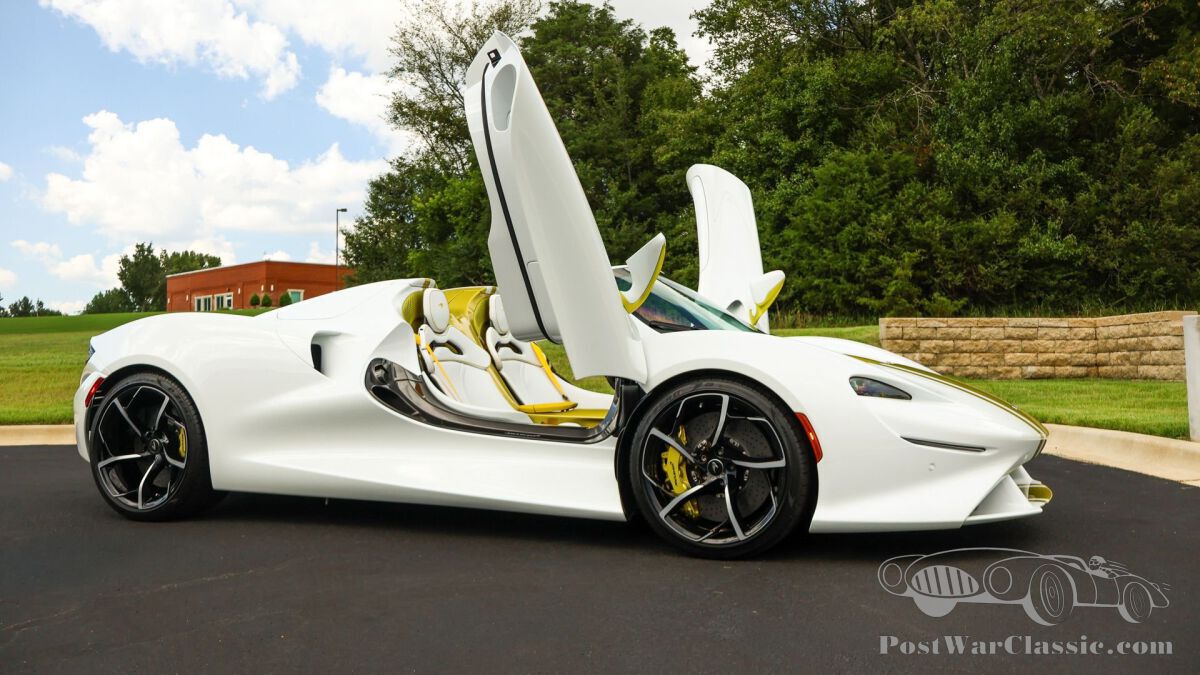
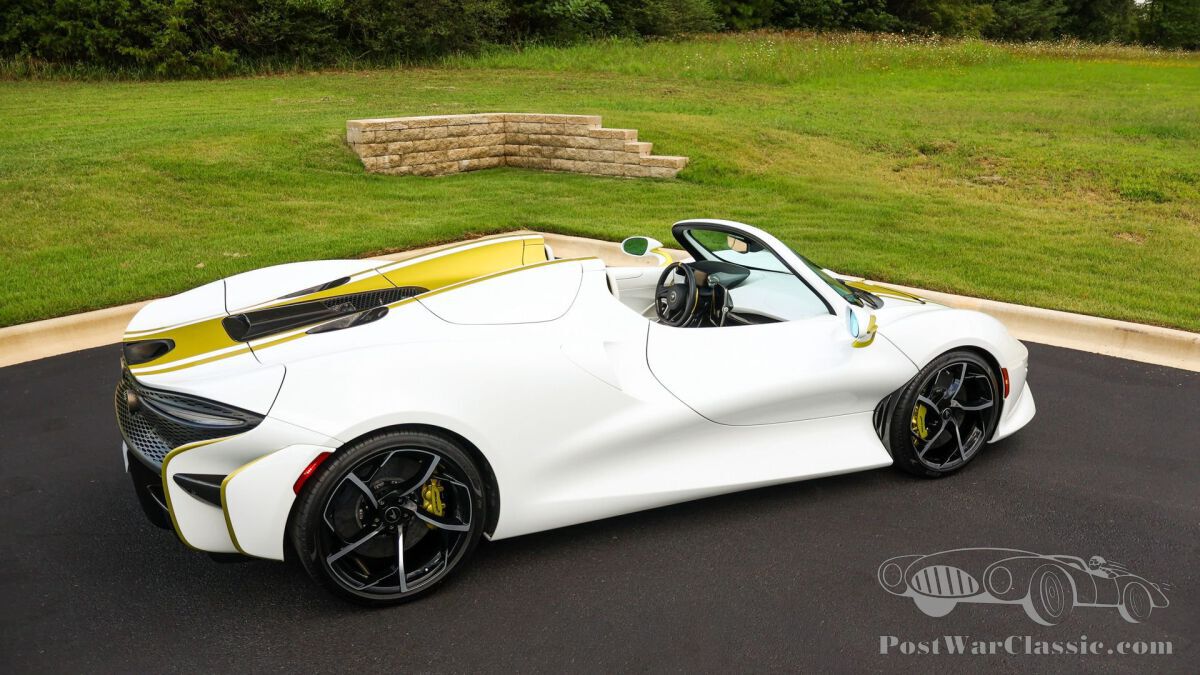
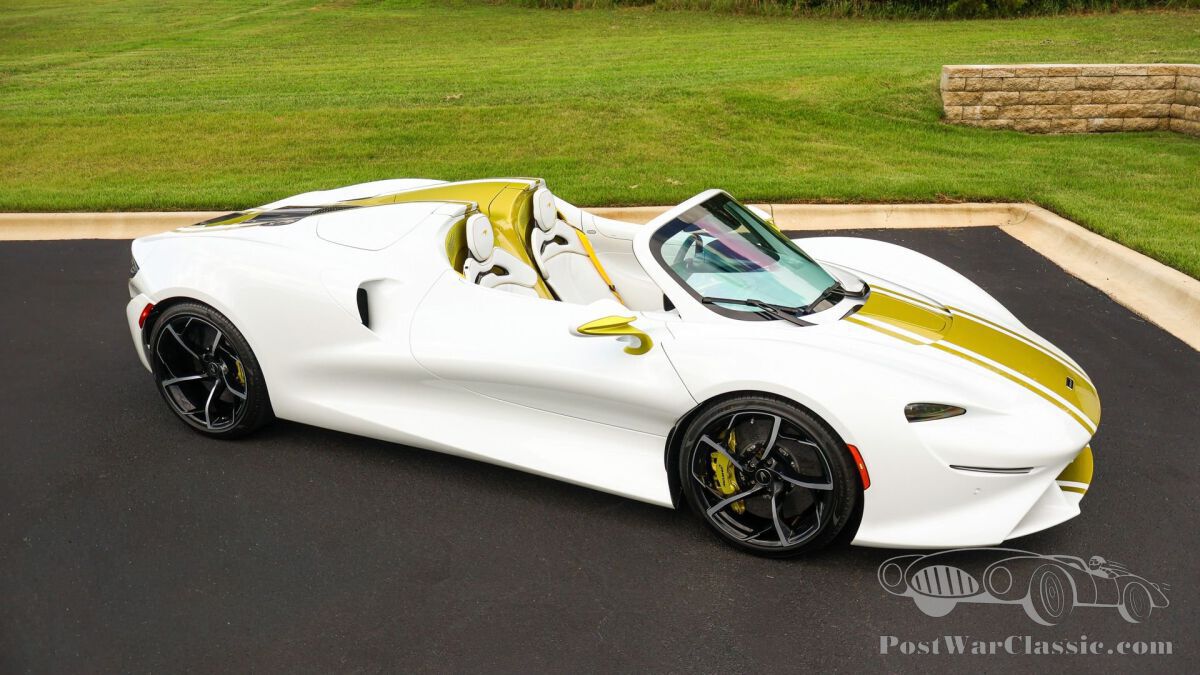
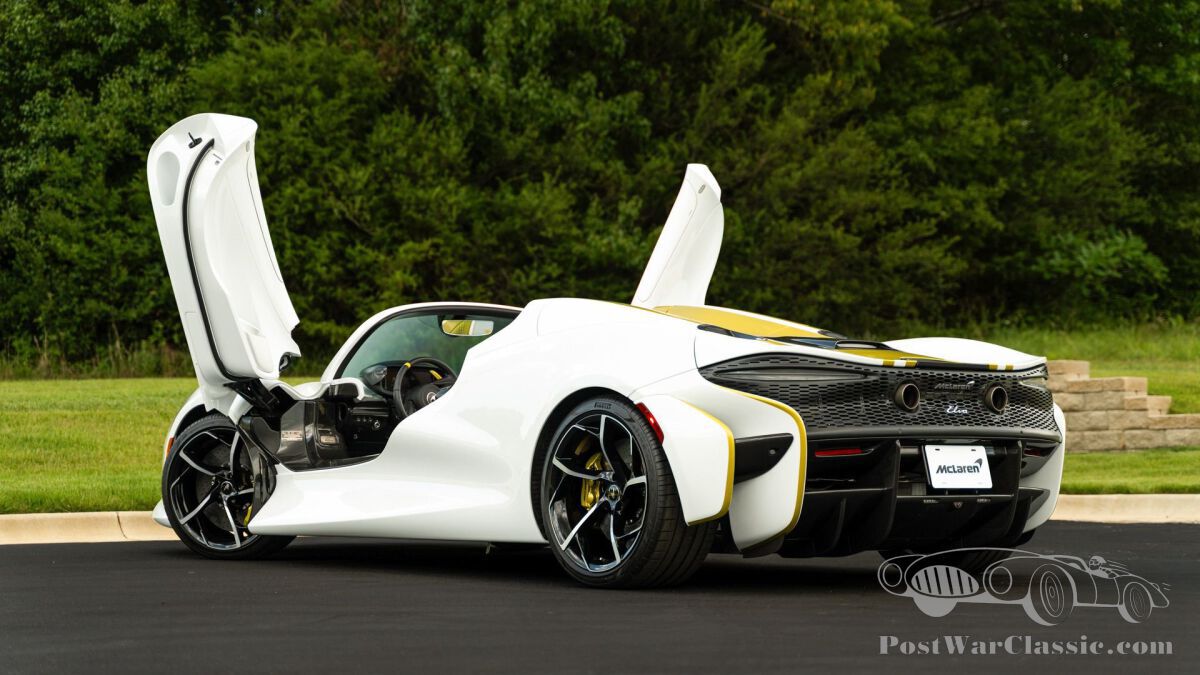
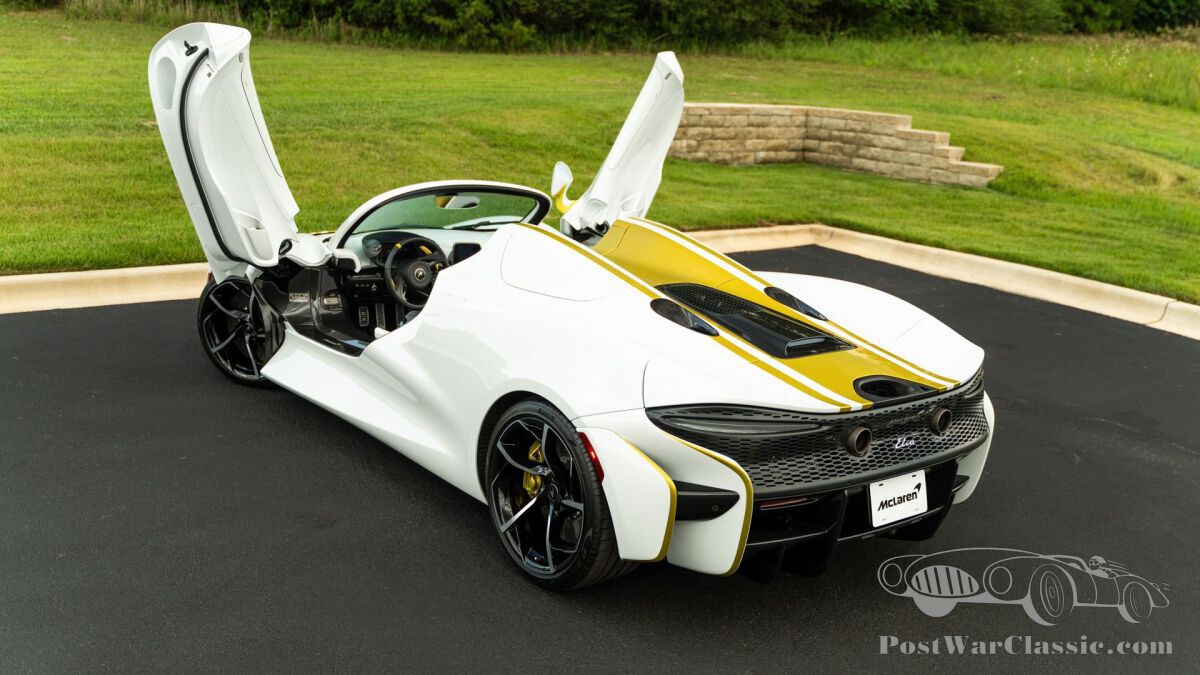
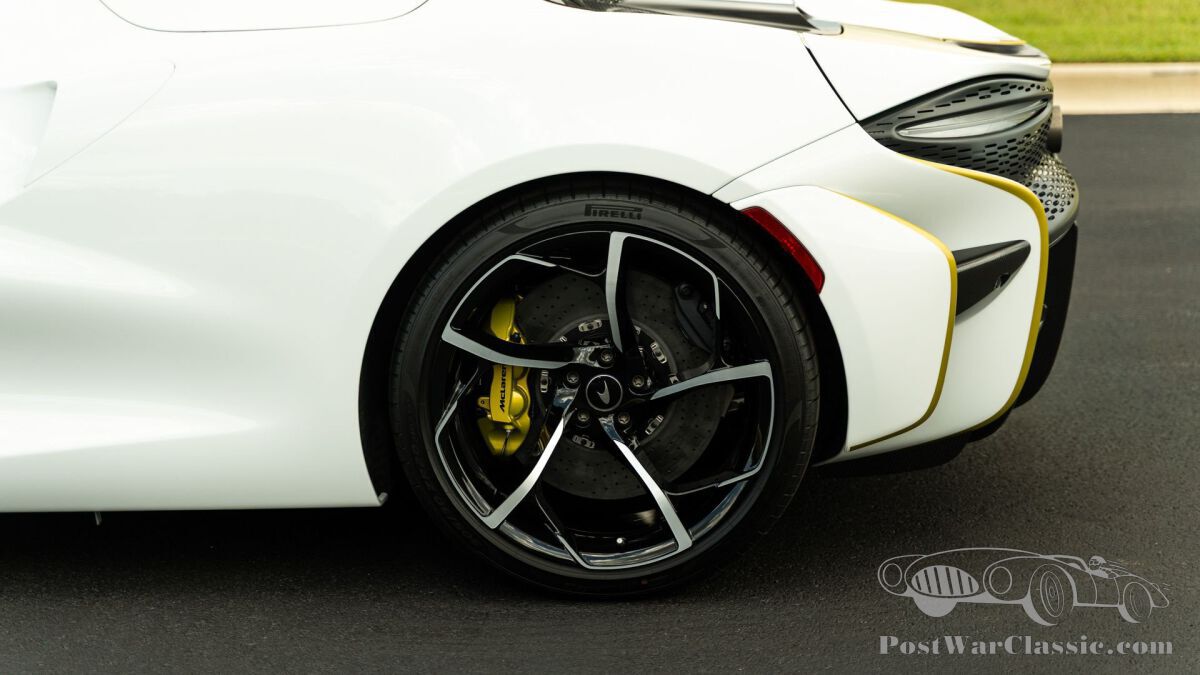
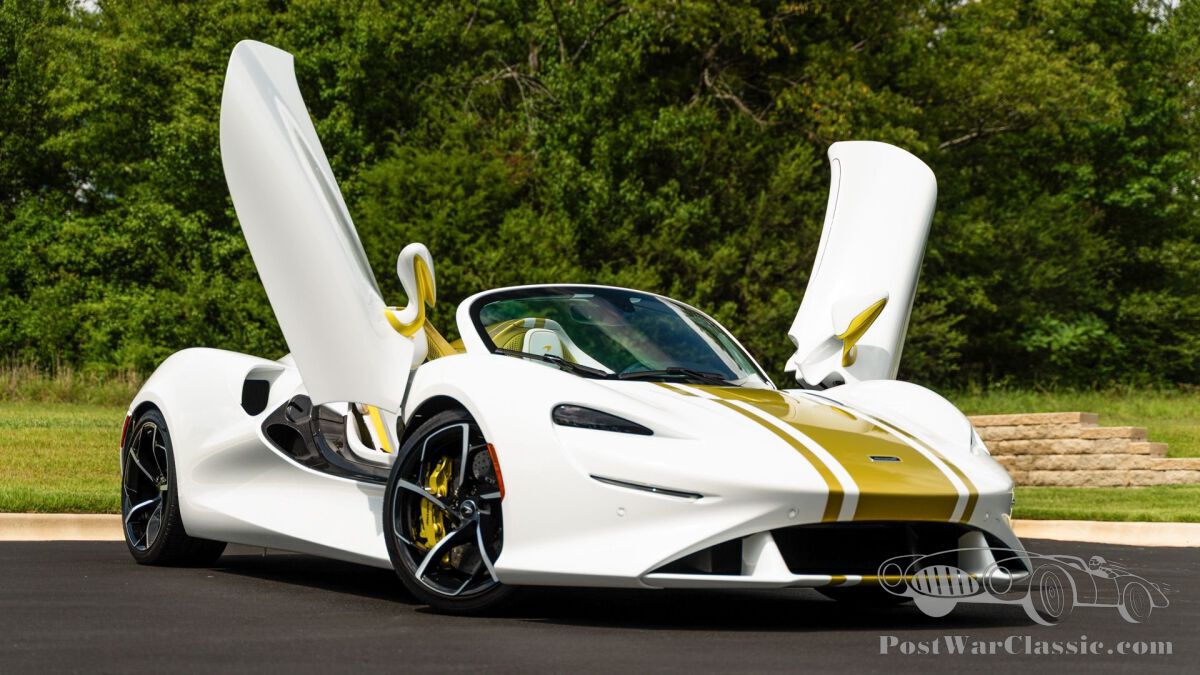
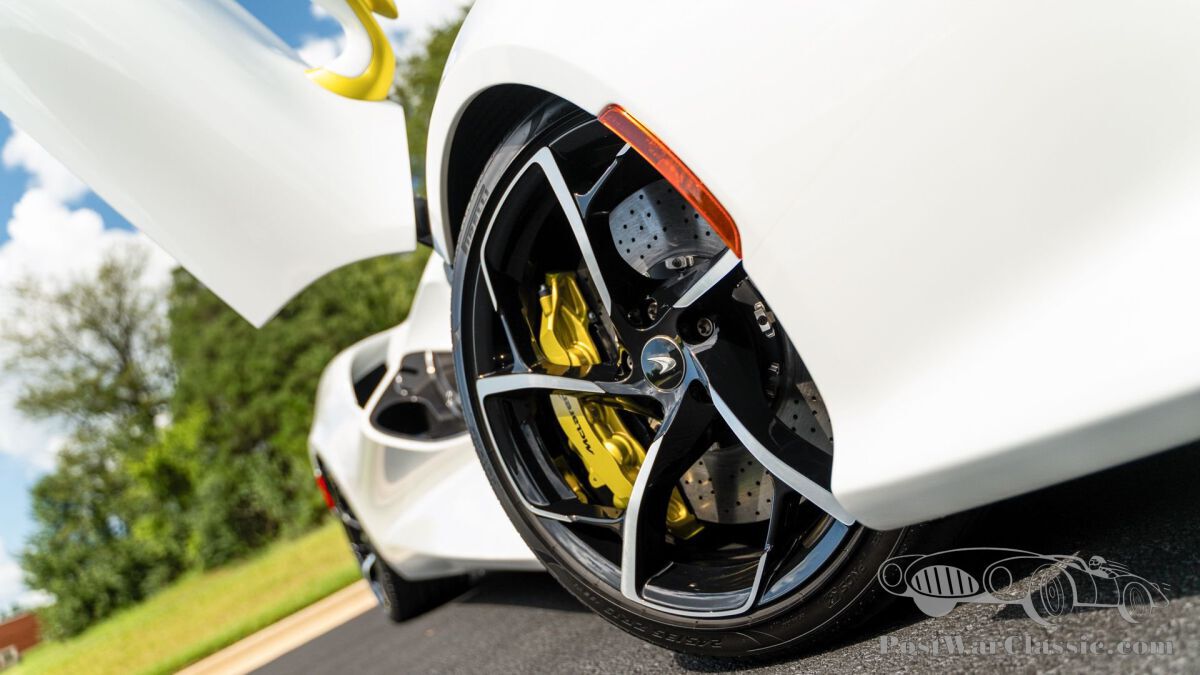
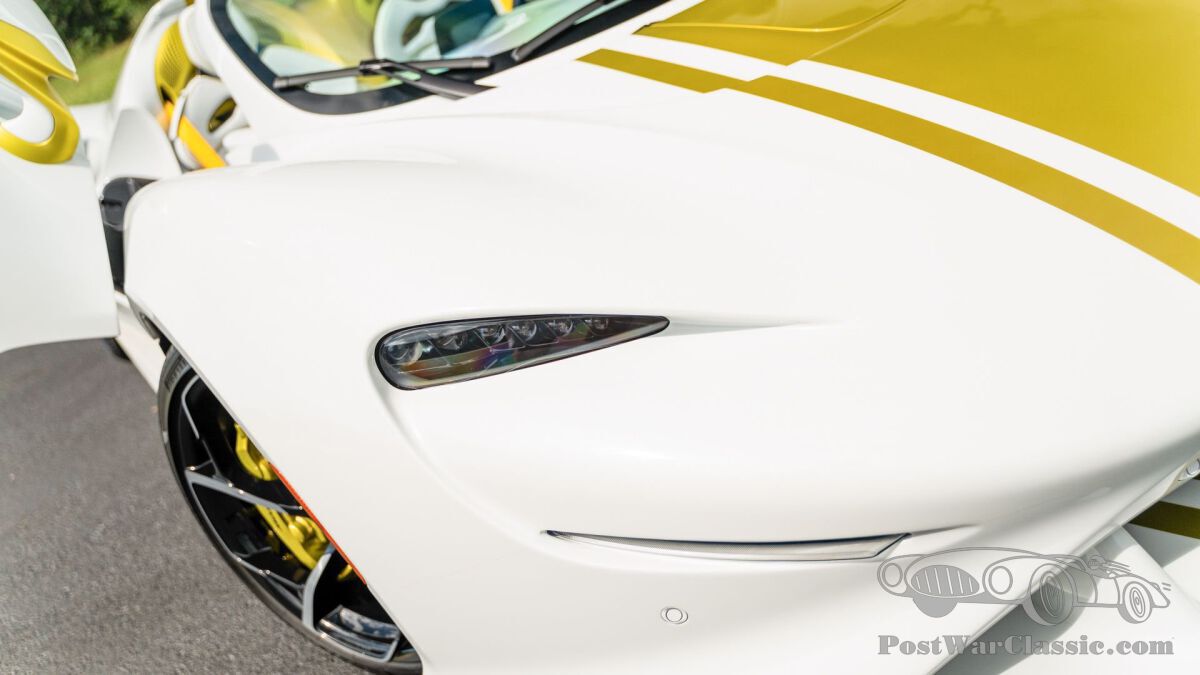
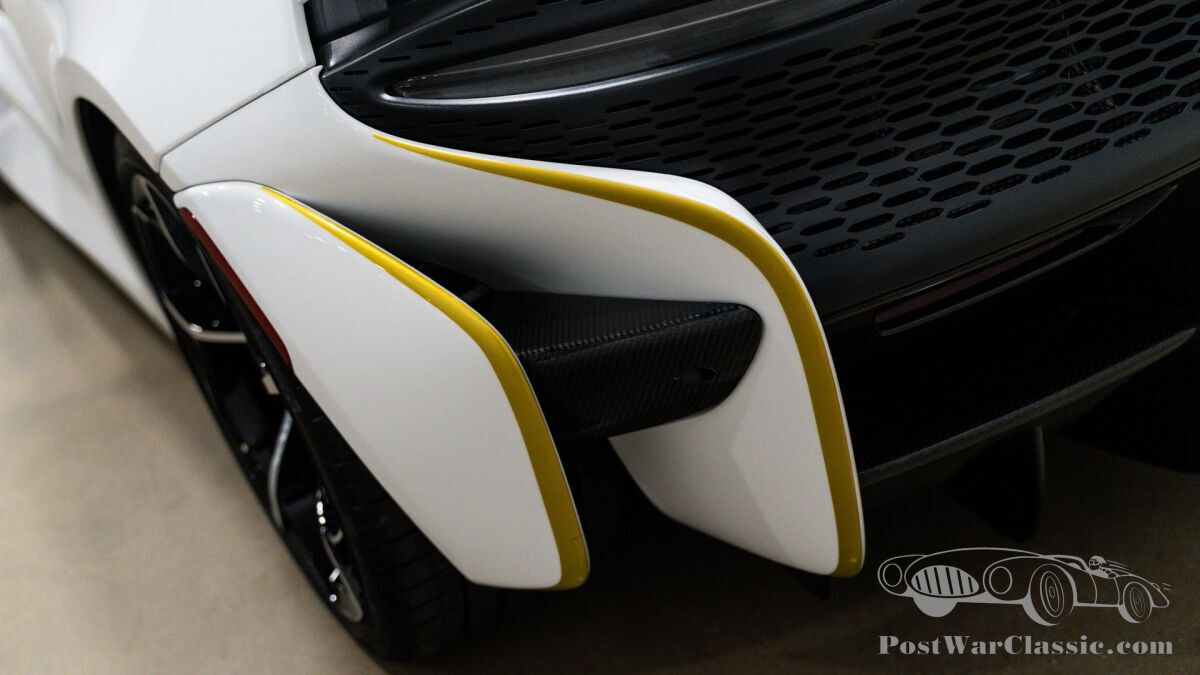
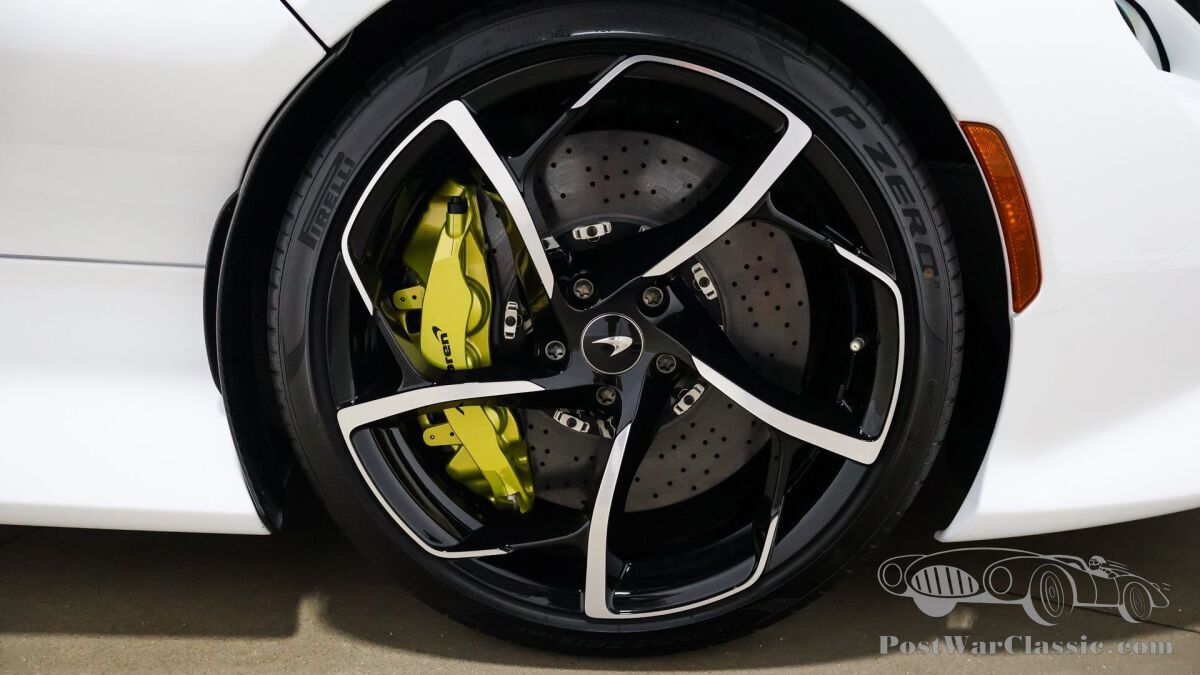
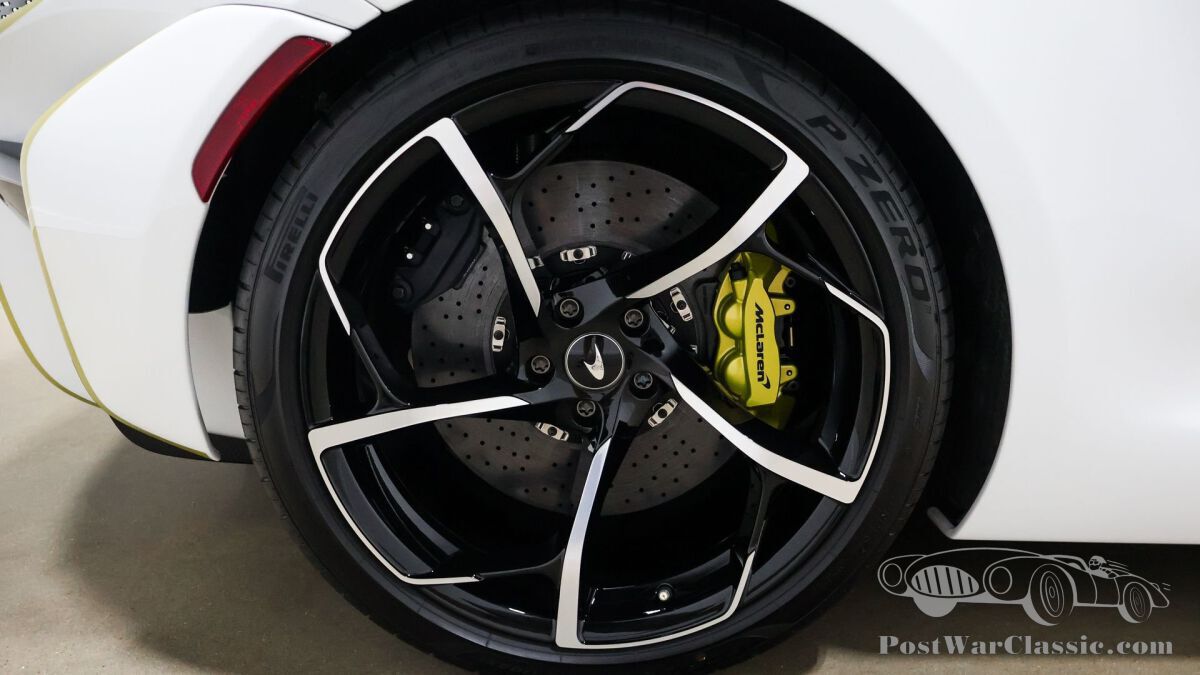
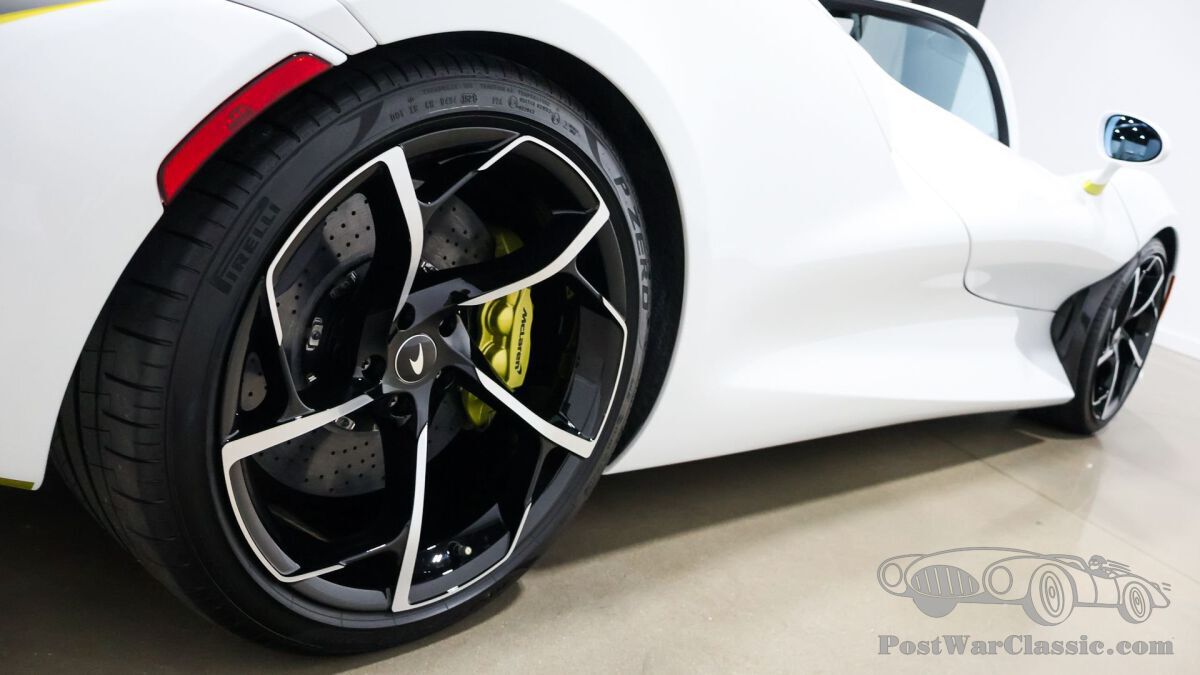
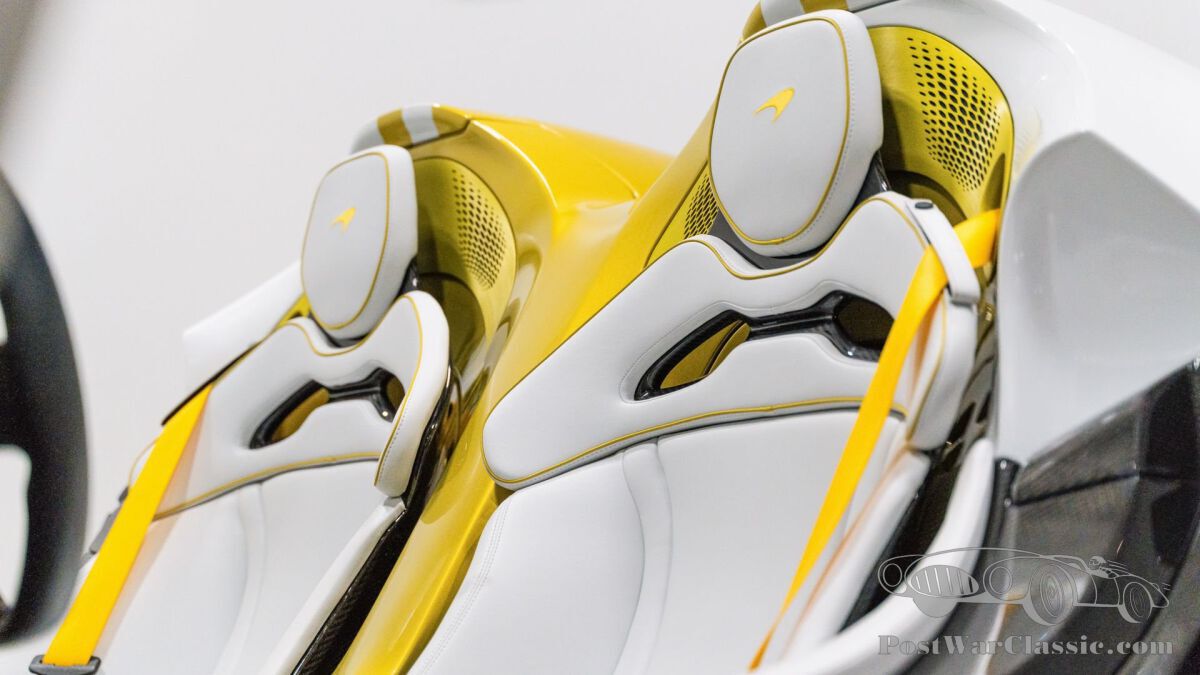
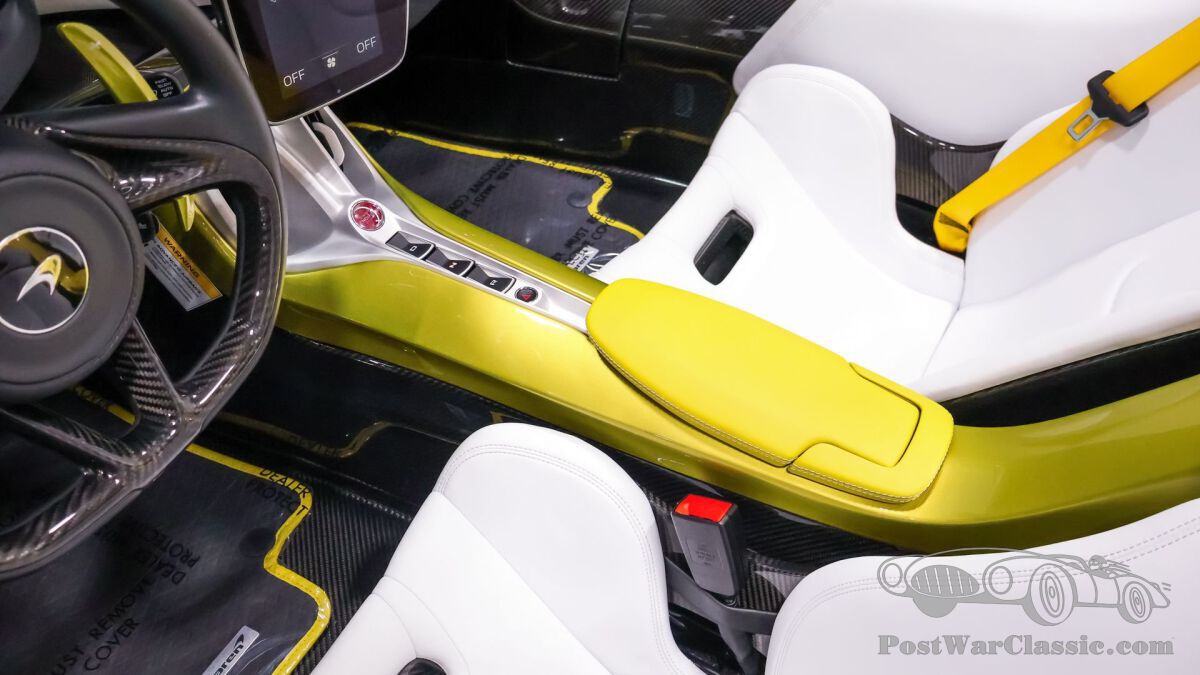
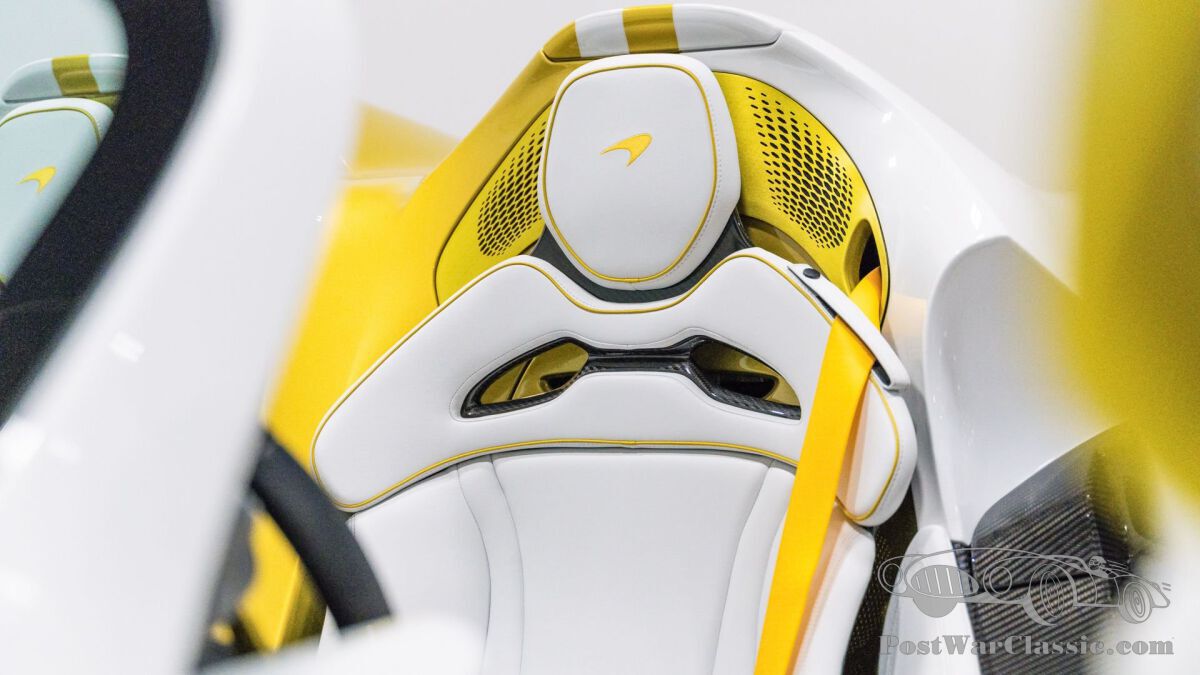
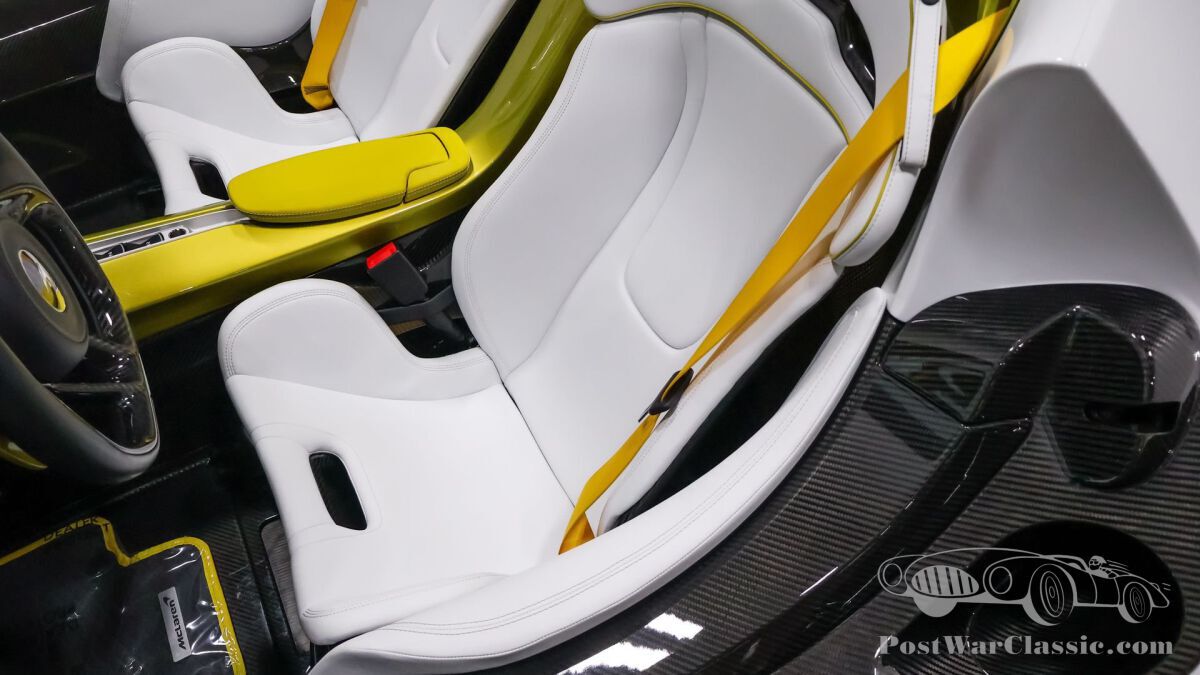
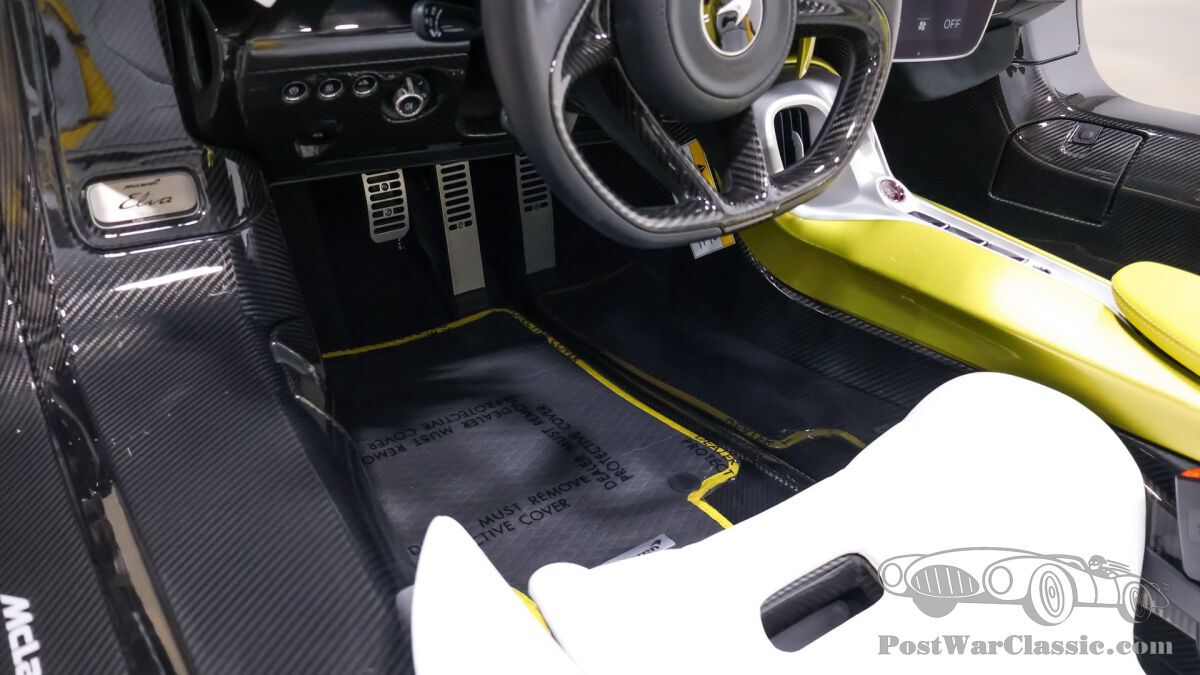
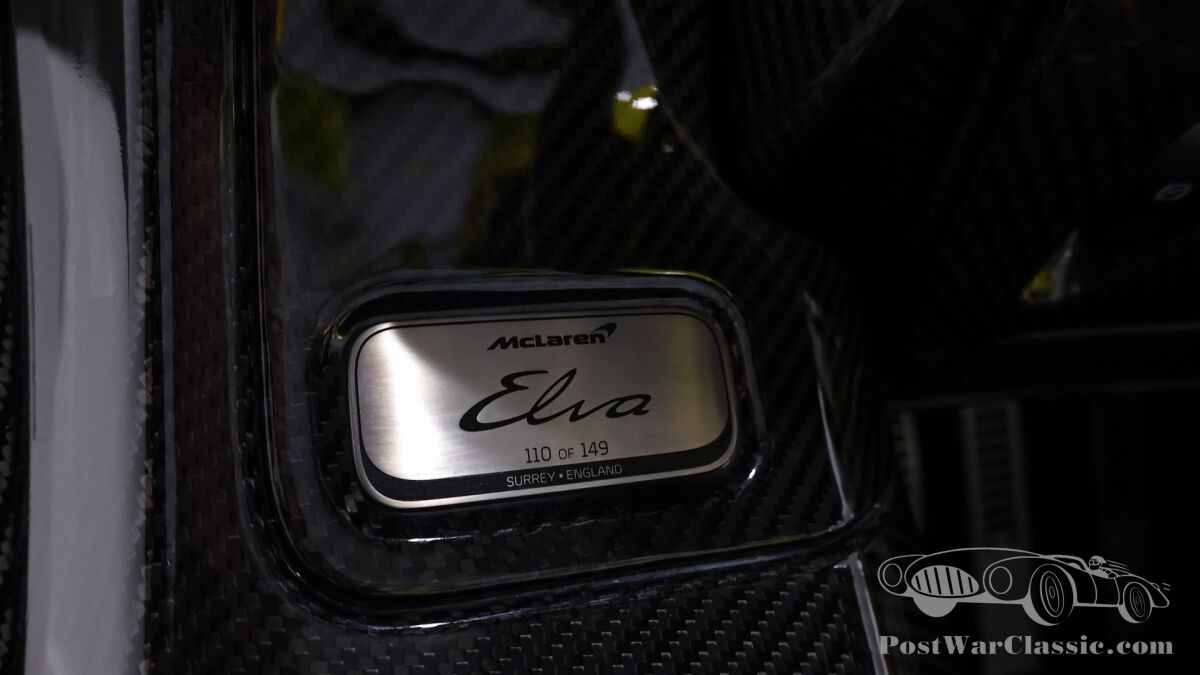
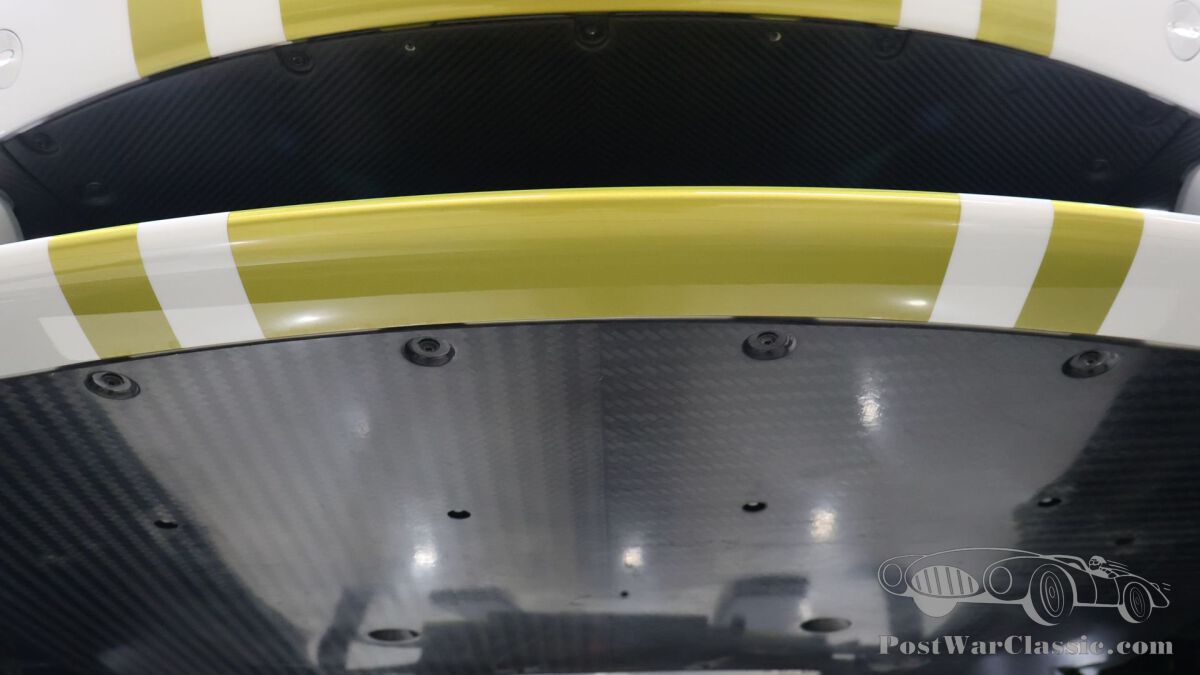
One of just 149 examples built, this U.S.-market McLaren Elva, chassis number 110, was specified with the exceptionally rare optional windshield. Finished in MSO Bespoke Grey Primer with a gold racing stripe, it features a Twill Gloss Carbon Fiber interior trimmed in Ice White Ultrafabric, McLaren's lightweight premium synthetic upholstery. The look is completed by five-spoke Super-Lightweight forged wheels finished in Gloss Diamond Cut.
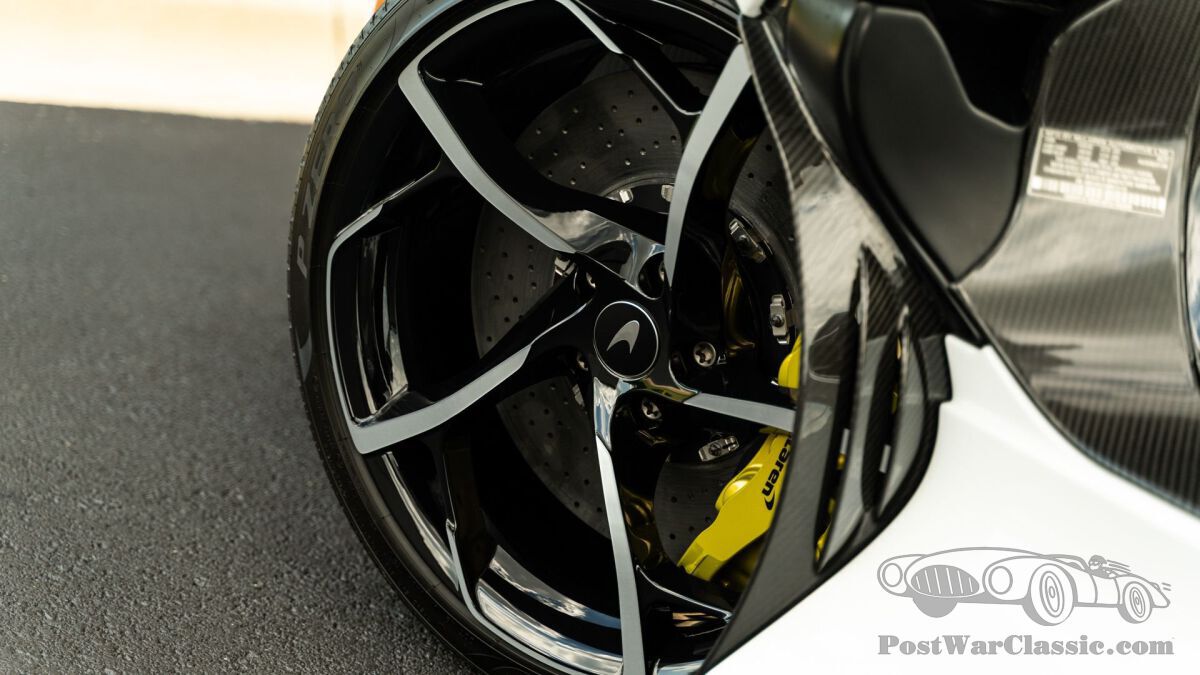
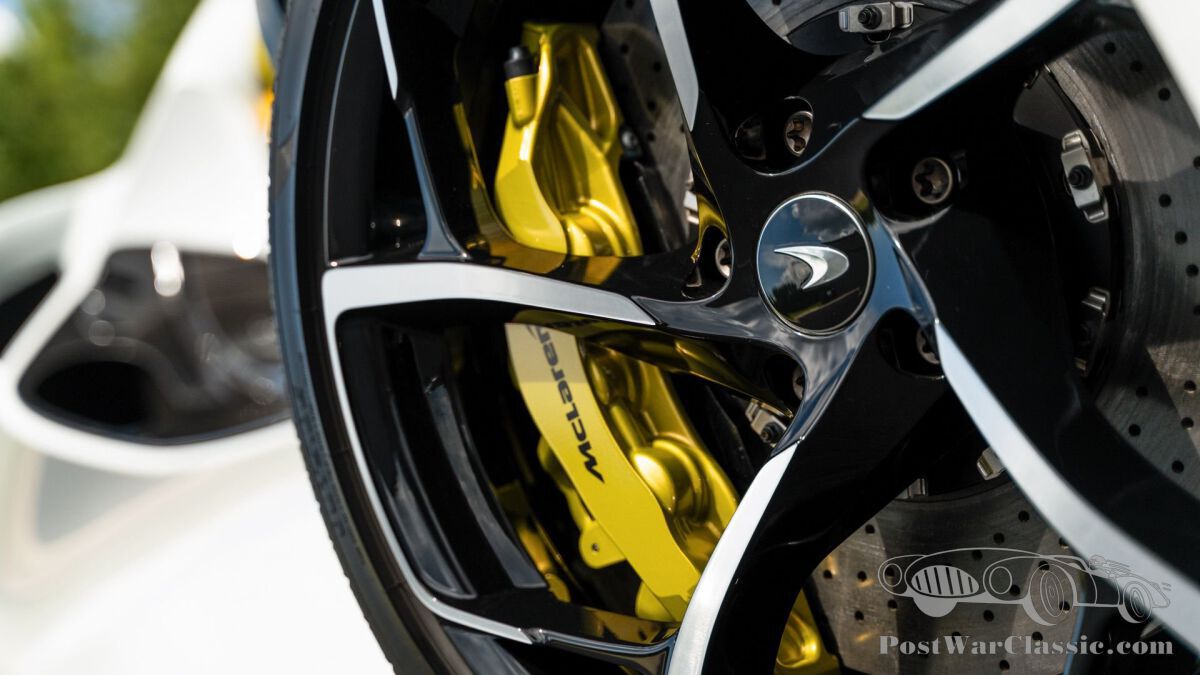
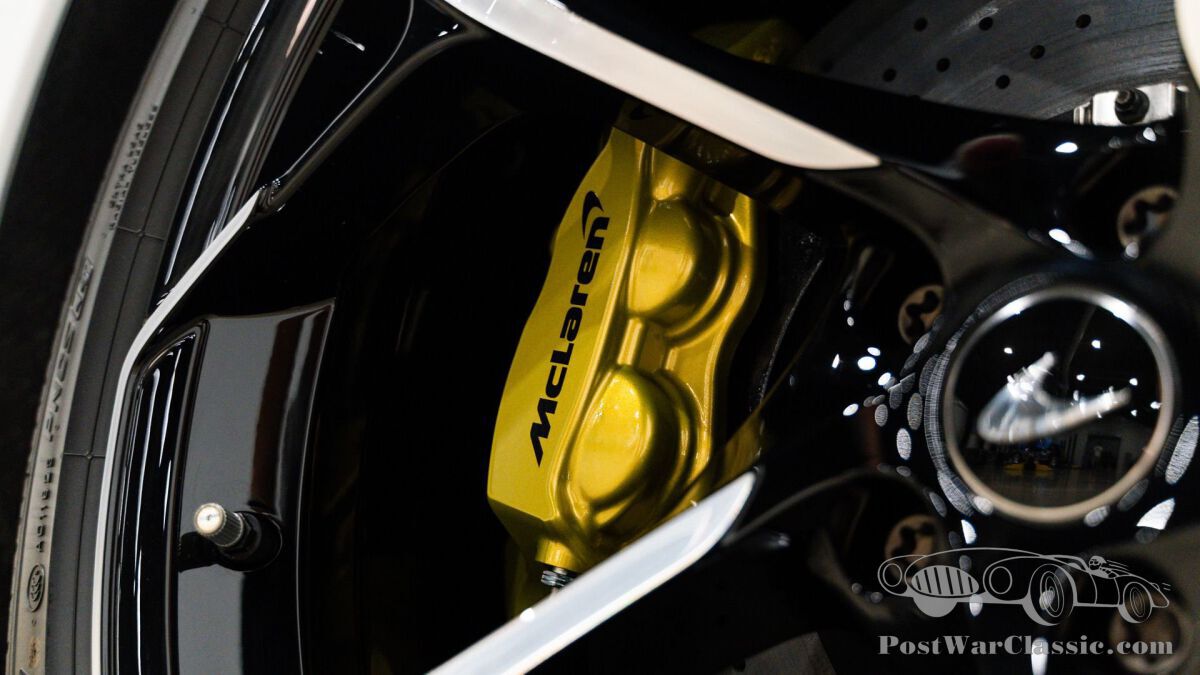
Beyond its hand-painted exterior, crafted by the artisans of McLaren Special Operations (MSO), this Elva was specified with nearly $150,000 in bespoke options through McLaren's exclusive personalization division, resulting in an exceptionally distinctive configuration. Numerous handcrafted details echo the gold racing stripe, including the brake calipers, wing mirrors, contrast stitching, embroidered McLaren headrests, floor mats, and the 12 o'clock steering wheel marker. Further MSO Bespoke appointments include rear wing pylons, a split exhaust system, a cluster cover, piping, and carbon speaker covers. Positioned high behind the cockpit, the split exhaust allows both occupants to fully enjoy the unmistakable soundtrack of the twin-turbocharged V8.
Despite its uncompromising character, the car is equipped with a range of comfort and convenience features, including air conditioning, parking sensors, a rearview camera, a touchscreen infotainment system, and a McLaren sound system.
Delivered new through McLaren Denver, Colorado, in the autumn of 2021, Elva chassis number 110 has covered just 600 miles from new and is accompanied by a clean CARFAX Vehicle History Report. It was serviced by McLaren Scottsdale in January 2023, February 2024, February 2025, and most recently in March 2026, when a maintenance inspection was completed together with an oil and filter change at 500 miles.
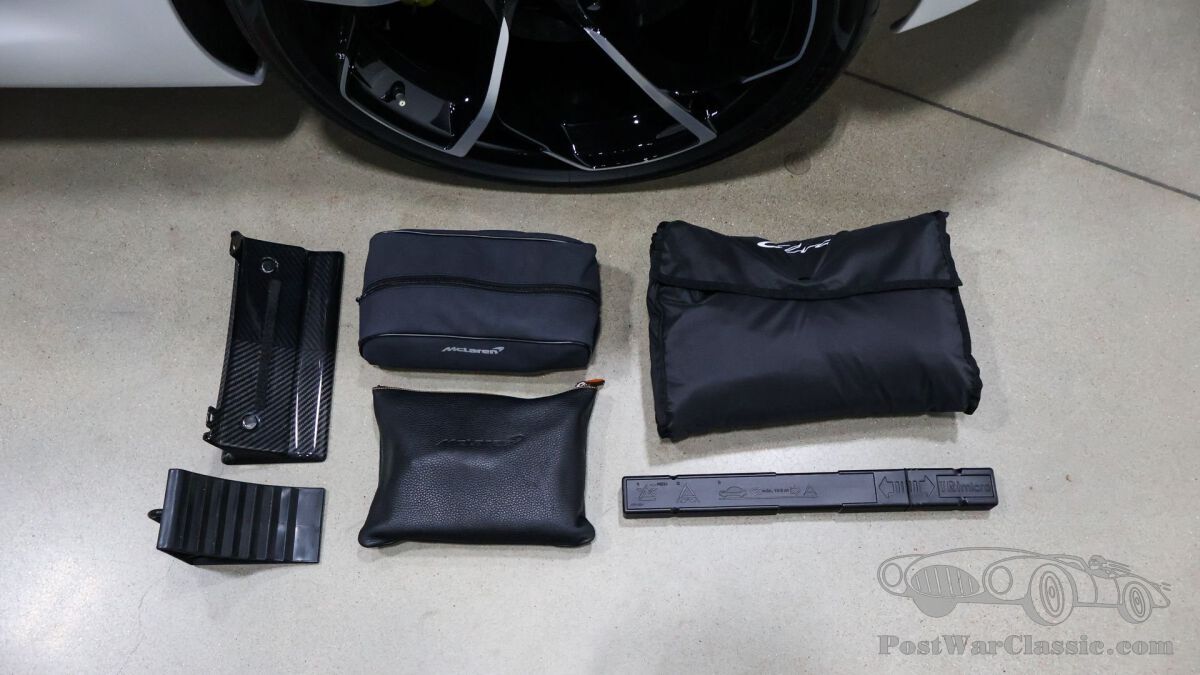
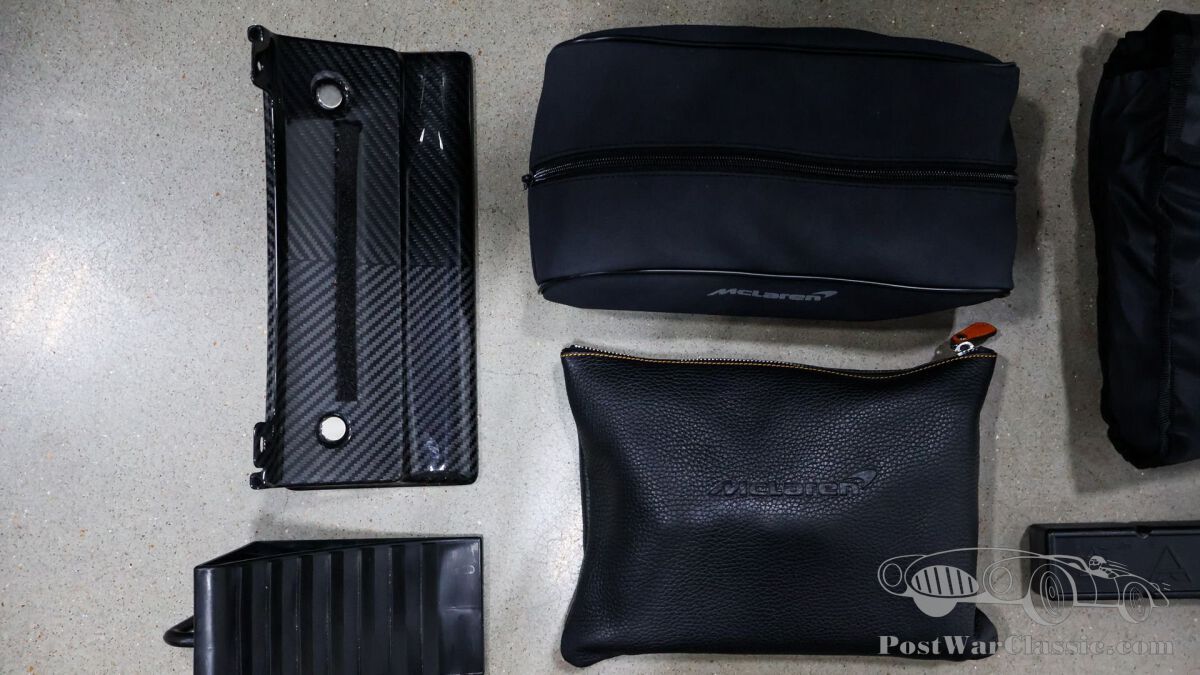
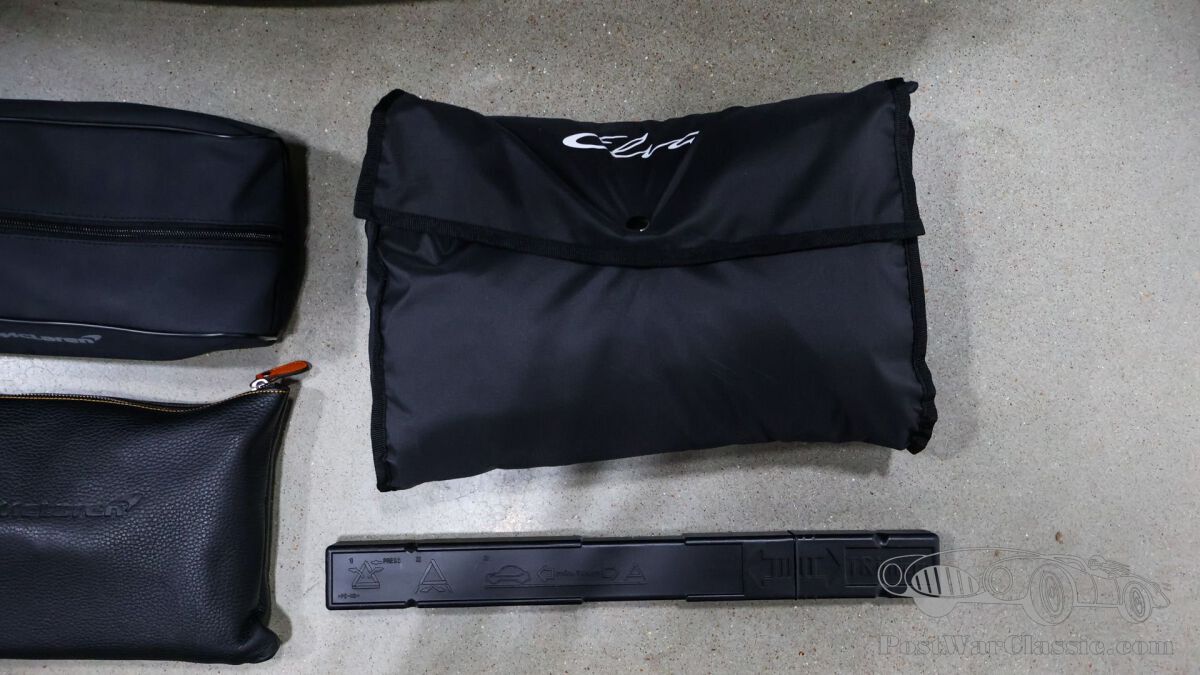
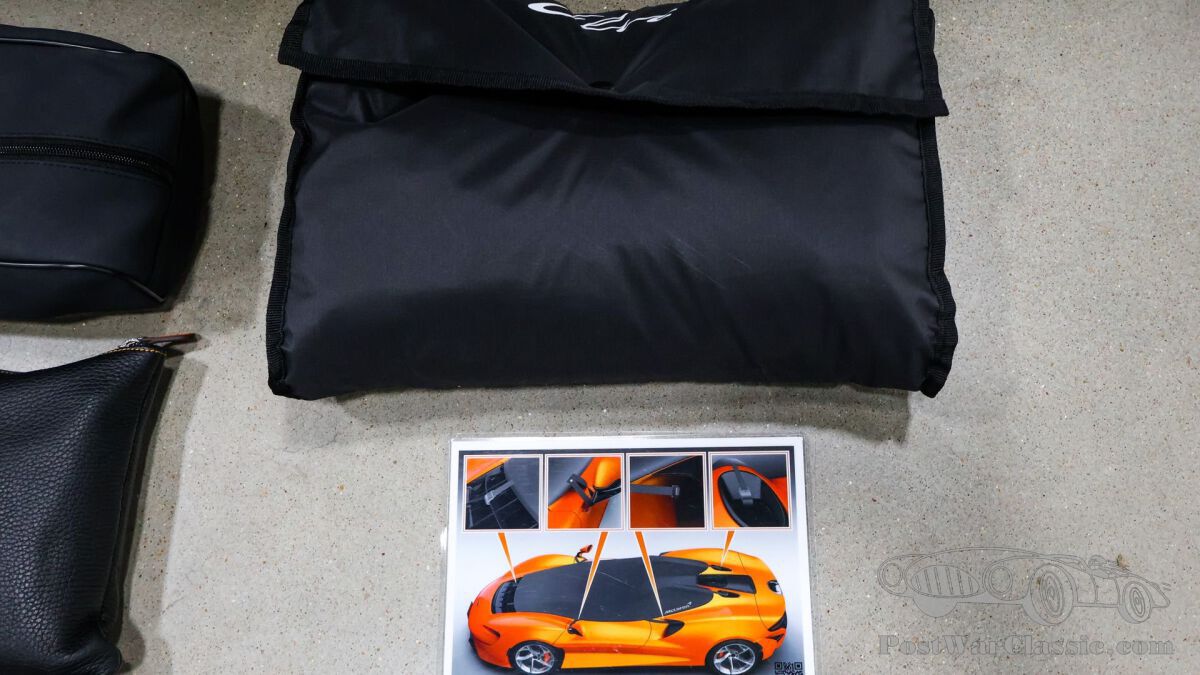
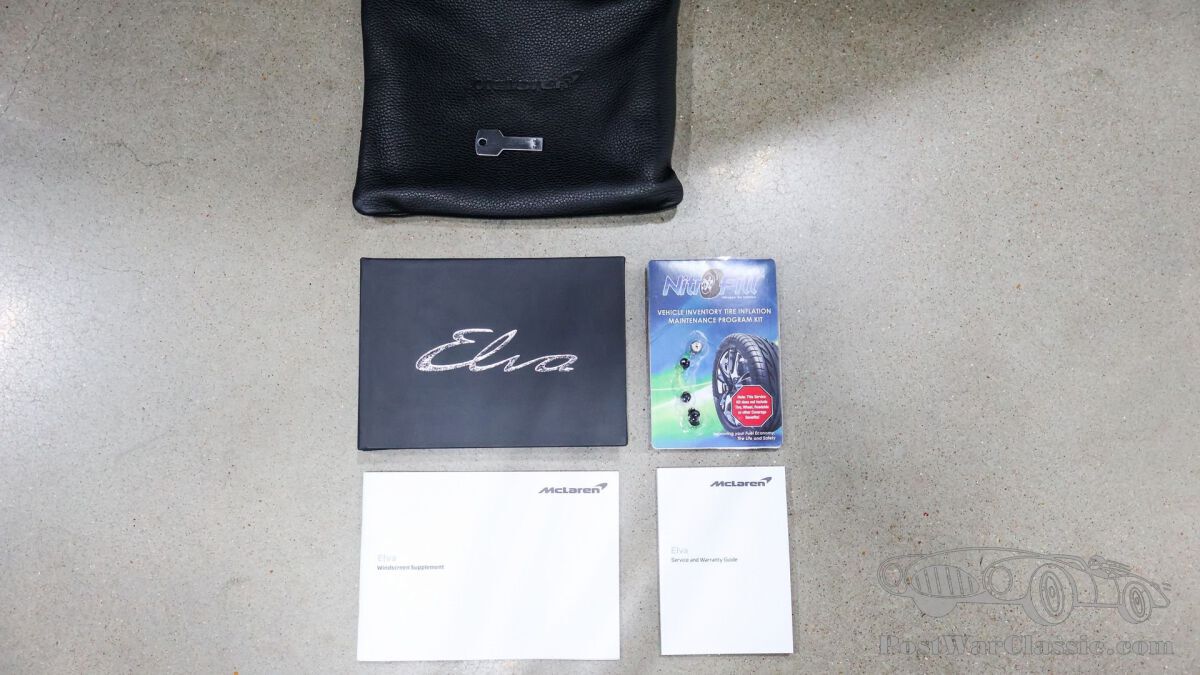
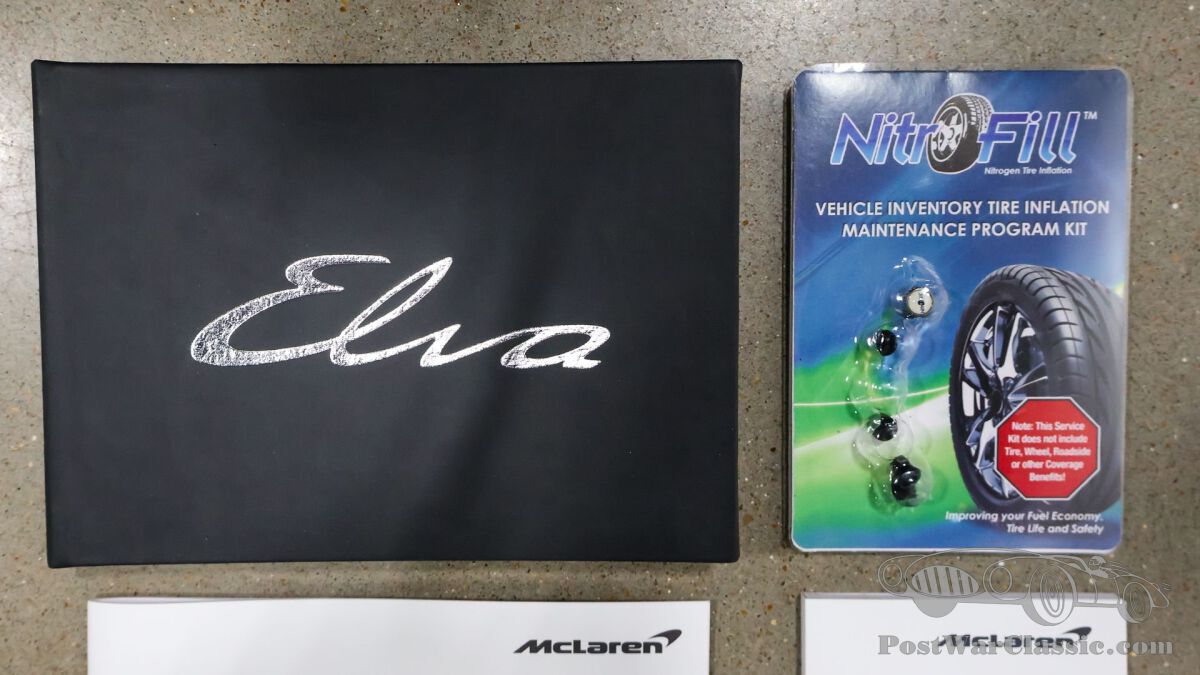
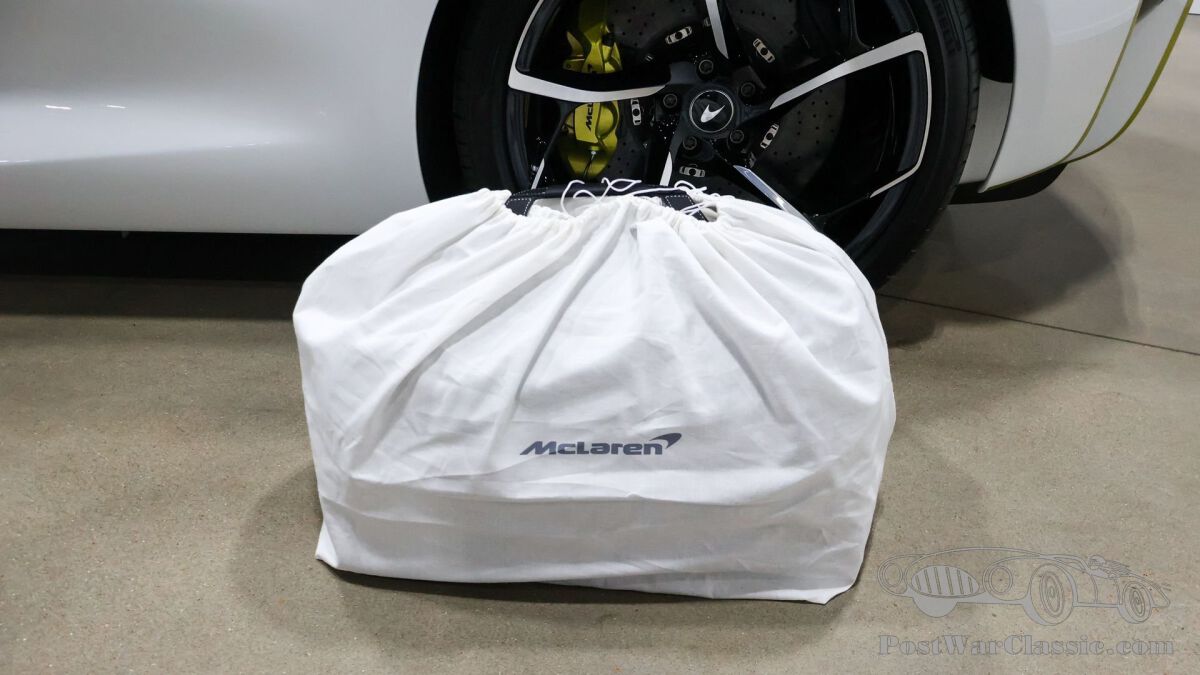
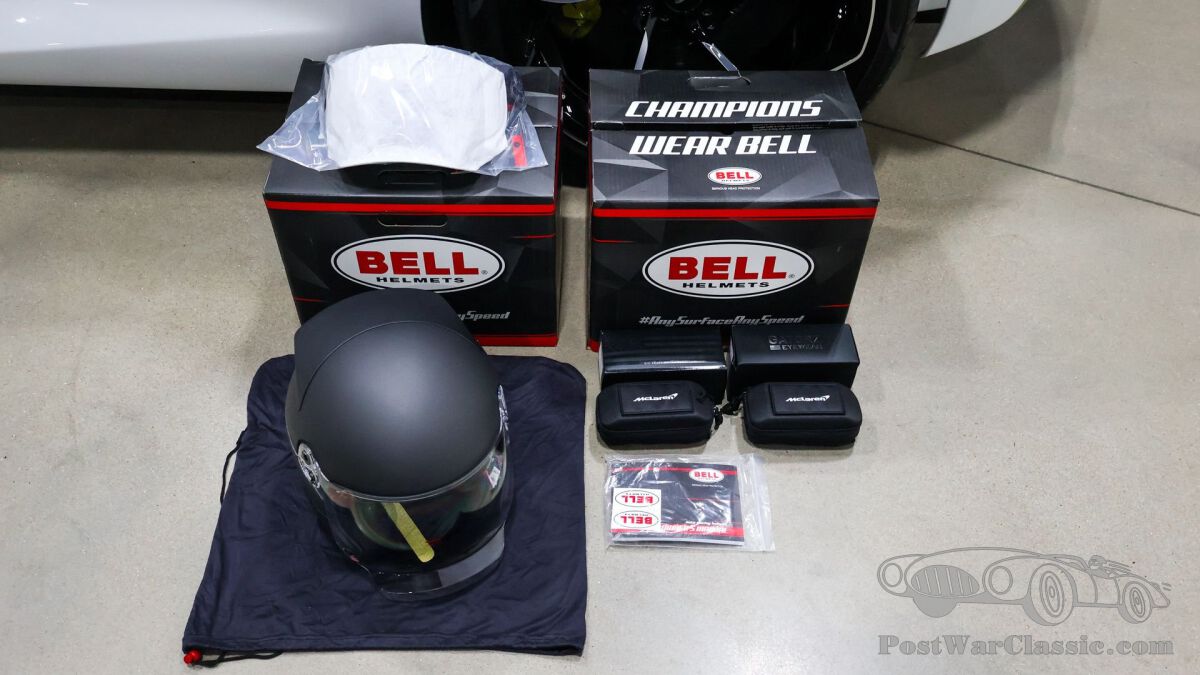
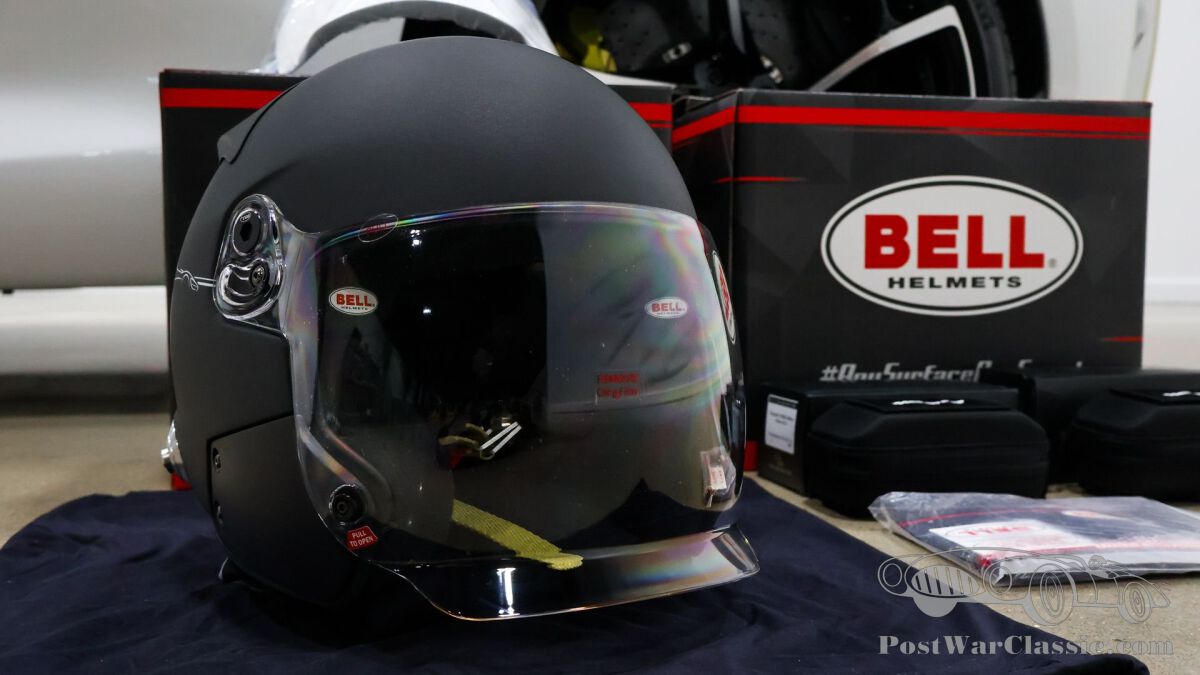
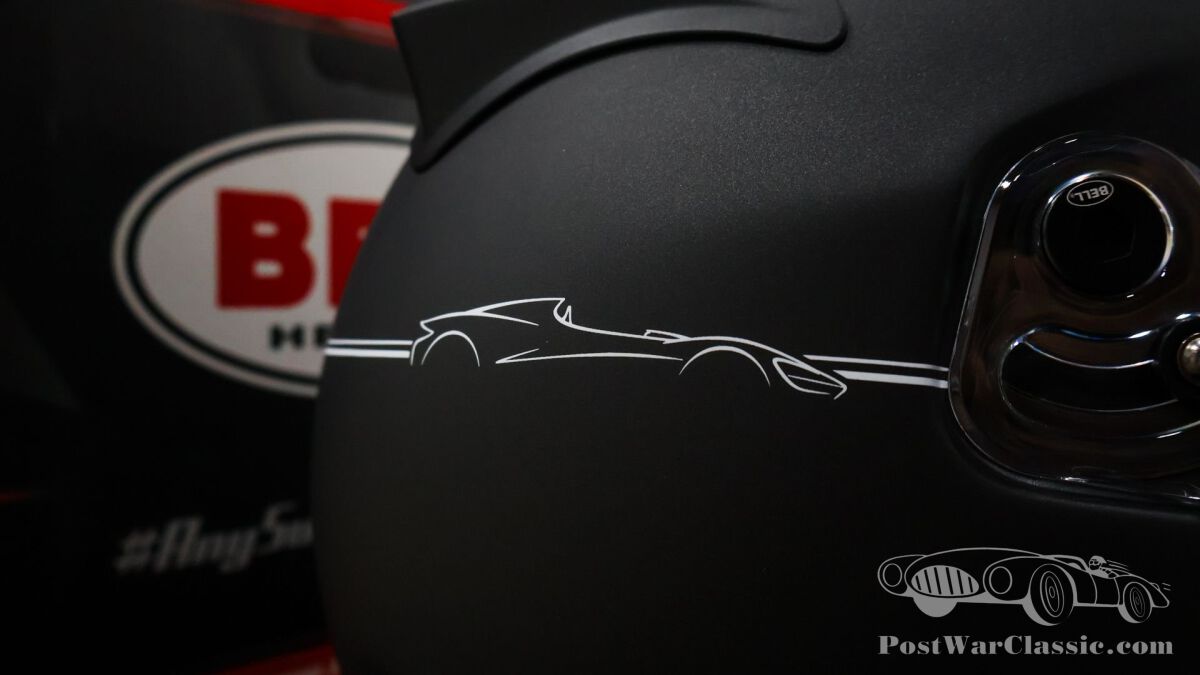
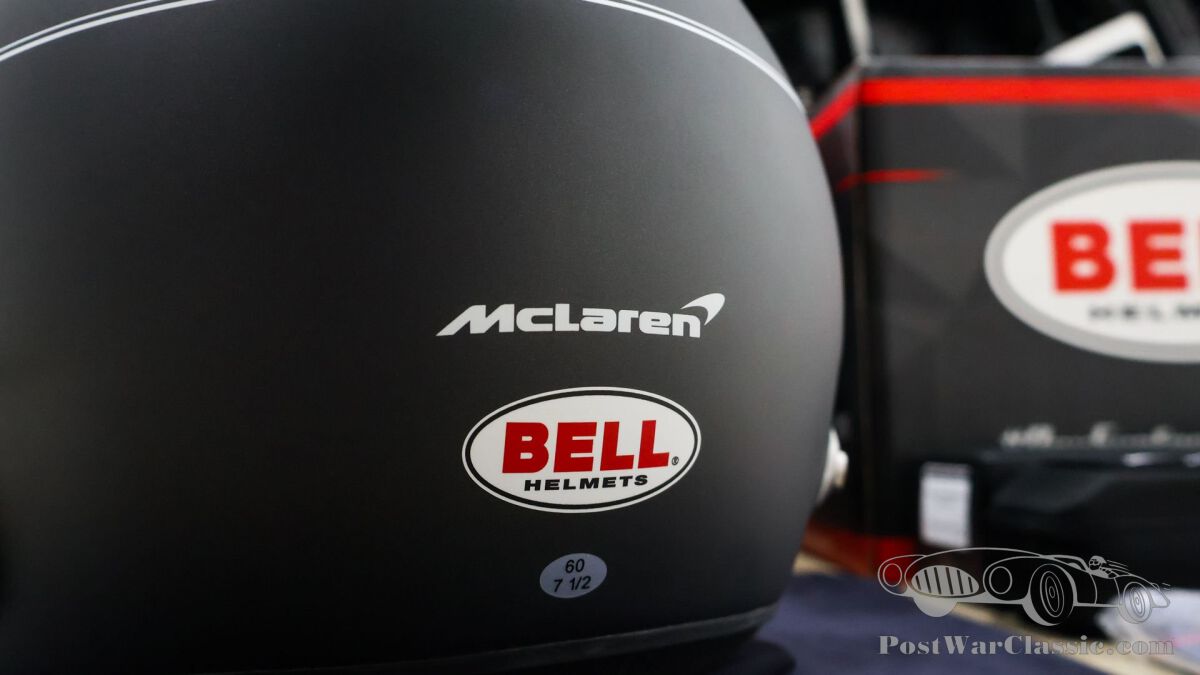
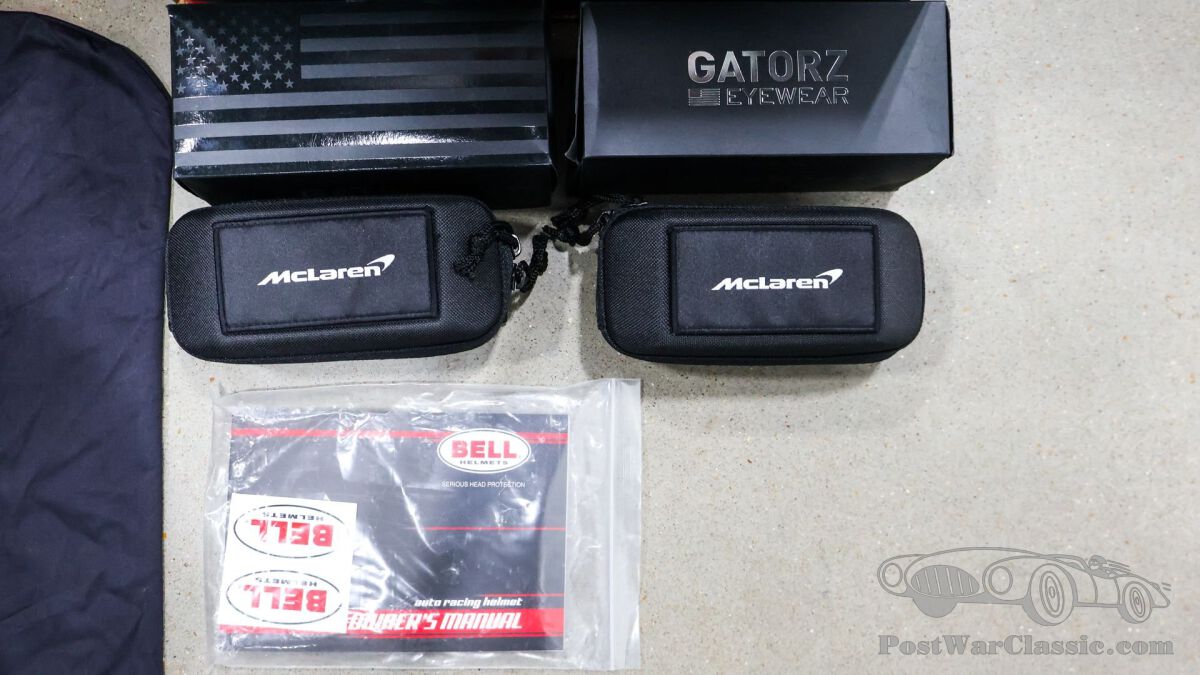
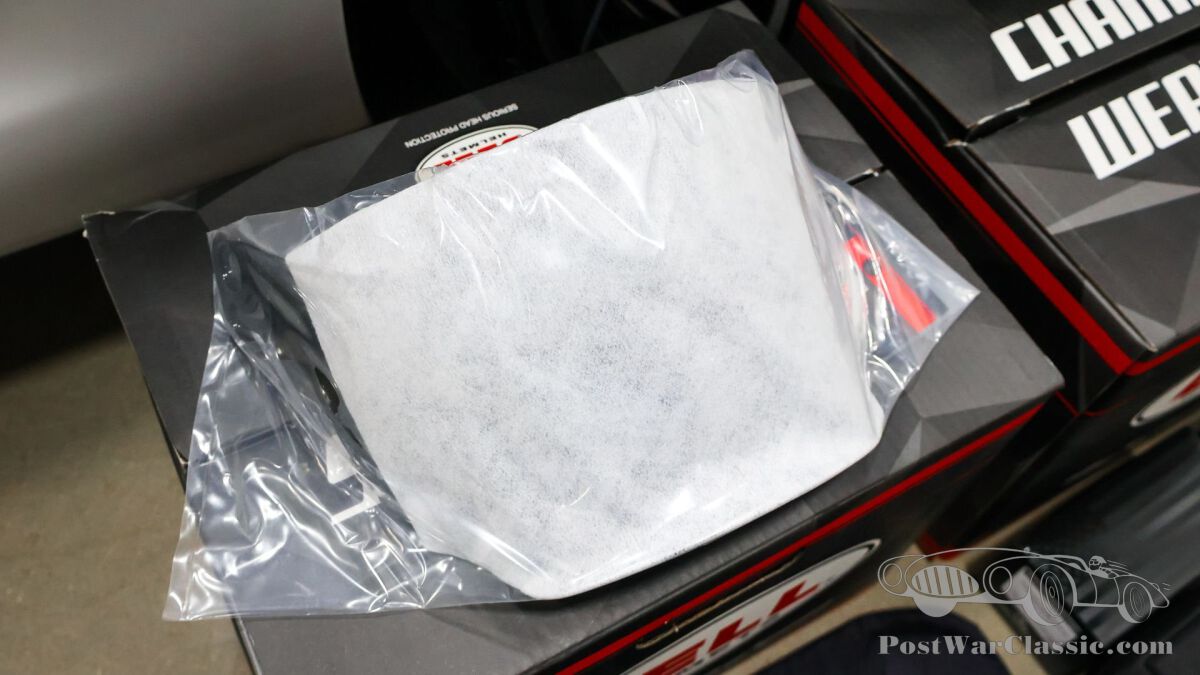
The car is offered with its original accessories, including two Bell helmets, two pairs of military-developed goggles, a full car cover, a windshield cover, a battery charger, and a battery conditioner.
Showing just 600 miles from new, exceptionally specified through McLaren Special Operations Bespoke, and maintained exclusively by McLaren throughout its life, this Elva stands among the finest examples of the model to come to market, combining extraordinary rarity, remarkable originality, and impeccable provenance.








 2009 Ferrari 430 Scuderia | The Quail Auction 2026
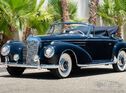 1956 Mercedes-Benz 300 Sc Cabriolet A | The Quail Auction 2026
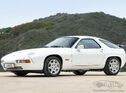 1987 Porsche 928 Clubsport Prototype ex-Jochen Mass | The Quail Auction 2026
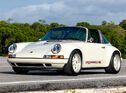 1990 Porsche 911 Targa Reimagined by Singer "Coconut Grove Commission" | The Quail Auction 2026
 1957 Mercedes-Benz 300 SL Roadster | The Quail Auction 2026
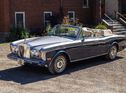 1991 Rolls-Royce Corniche III | The Quail Auction 2026
 1958 BMW Isetta 300 | The Quail Auction 2026
 2020 McLaren Speedtail | RM Sotheby's | The Monterey Auction
 2021 McLaren Elva | RM Sotheby's | The Monterey Auction
 2023 McLaren Artura GT4 | RM Sotheby's | The Monterey Auction
 2025 McLaren Solus GT | RM Sotheby's | The Monterey Auction